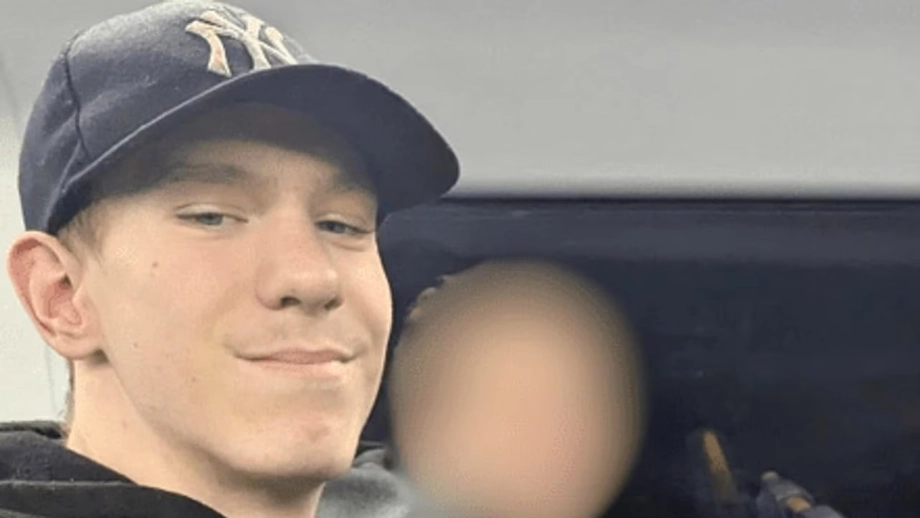
A fishing tackle box led rescuers to William
A fishing tackle box spotted from a police helicopter helped end the six day search for William, a 17 year old who disappeared near Walhalla East in Victoria on November 6. When rescuers looked closer, they found him asleep on a rock beside a creek, sunburnt, exhausted and sheltering under towels.
Contents
- A fishing tackle box led rescuers to William
- A short walk back for equipment went wrong
- Two towels, creek water and a packet of chips
- A familiar song helped him through the nights
- Why the search needed so many people
- The opening in the trees that made rescue possible
- Relief at Cowwarr, then urgent hospital care
- Search specialists praised his decision to stop
- Home again, with football in mind
- Key Points
William had survived on a family packet of chicken flavoured potato chips and water from the creek. He had no mobile phone with him. After becoming lost and later falling into steep terrain, he spent his final days waiting in one place, singing John Denver's Take Me Home, Country Roads to comfort himself.
Victoria Police's Air Wing found him on November 12, about two kilometres from where he had last been seen. Flight officers lowered themselves from the helicopter and winched him to safety because the creek area was too steep for a search on foot.
His mother, Elizabeth Barkley, was at the search command post in Cowwarr when the helicopter brought him back. Their reunion ended days of uncertainty for his family and an operation involving police specialists, emergency services and volunteers.
William later needed intensive care and specialist assessment for dehydration and other medical concerns. He has since been discharged from hospital and returned to the Latrobe Valley, where he hopes to resume football after physiotherapy and light training.
Victoria Police Acting Inspector Jason Benbow described the small piece of fishing equipment that helped draw attention to William's position:
Maybe the tackle box with him saved him.
A short walk back for equipment went wrong
Elizabeth had dropped William and another teenager near Stoney Creek Road for a weekend camping trip. Police placed his last known sighting near the T2 Track, between Cowwarr and Walhalla, at about 4pm on November 6.
William walked back towards the drop off location to retrieve more camping equipment and failed to return. Police described his camping companion as his stepbrother; other accounts described him as a friend. The companion searched nearby before raising the alarm with help from passing motorists.
William was on his first independent camping trip and was unfamiliar with the surrounding bush. He was wearing shorts and work boots, with no phone or main supplies of food and water. Police initially listed a tackle box, pillows and a folding tabletop as missing and were trying to establish whether he had reached the equipment.
Investigators believed he had become disoriented and lost the route back. Elizabeth later said he missed a turn, curled up under bushes when darkness came and resumed trying to find the campsite the following day.
The main stages of the search and recovery were:
- November 6: William disappeared while collecting equipment near Stoney Creek Road.
- During the search: Police established a command post at Cowwarr and sought information from motorists, campers, hunters and landowners.
- The day before the rescue: Divers searched nearby waters as teams continued checking difficult terrain.
- November 12: A police helicopter located William beside a creek and brought him to Cowwarr.
- After the rescue: He received treatment at Latrobe Regional Hospital and The Alfred in Melbourne before returning home.
Two towels, creek water and a packet of chips
William's supplies offered little protection against the changing weather. Daytime heat left him with sunburn, while rain and nights with temperatures reportedly near 3°C made keeping warm difficult. He used two towels as blankets and had a pillow with him.
Elizabeth said a family packet of chicken chips lasted him two days. William later described rationing the chips at about five an hour, while other descriptions put the rationing over several days. Once the packet was empty, he had no food left.
The creek gave him access to water, although he was still seriously dehydrated when found. His ordeal involved both exposure to heat and cold and the effort of moving through steep, rocky bush before he stopped.
William eventually slipped into a steep creek gully and injured his legs. Benbow placed him becoming trapped on his fourth day, leaving him waiting for the final two days; Elizabeth's description placed the fall after he resumed walking following his first night outside.
Police found him unable to walk, with cuts to his legs and substantial sunburn on his face and upper body. His towels, pillow and position beside the creek became the centre of his effort to endure until help arrived.
A familiar song helped him through the nights
William described the isolation as one of the hardest parts of being lost. With no familiar faces around him and no certainty about rescue, he sang a song he had known since childhood.
Speaking after his rescue, William explained why he kept returning to John Denver's Take Me Home, Country Roads:
It's a good childhood song of mine. It brings me great comfort.
He later spoke about the loneliness and fear of spending night after night outdoors. On one particularly cold night, after his food had run out, he feared he might not survive.
William described that experience after returning home:
That night was pretty scary, but luckily I got through it and woke up the next morning.
Benbow said after the rescue that William had not realised people were searching for him. William later recalled listening for helicopters and people calling in the distance. Throughout the ordeal, he remained unsure whether anyone would reach him.
By the time he was in hospital, his mother said his musical choices had changed. He was singing AC/DC songs from his bed, a welcome sign of his returning energy after days alone.
Why the search needed so many people
More than 100 personnel and volunteers took part in the operation, with more than 80 volunteers searching on some days. State Emergency Service searchers completed 120 shifts across the six days, a measure of repeated work by crews rather than a count of individual people.
Victoria Police deployed its Search and Rescue Squad, Dog Squad, Mounted Branch, Public Order Response Team and Missing Persons Squad. Helicopters, drones and divers supported the search, alongside community volunteers and specialist search organisations.
Investigators also worked to reconstruct William's movements. The occupants of a white four wheel drive vehicle, who had helped his companion, spoke to police and helped refine the timeline. The discovery of a hunting camera prompted an appeal to hunters, campers and landowners for information.
The Missing Persons Squad joined as police examined all possibilities. At that stage, officers said they had no evidence of foul play.
Resources were initially stretched by another search in the area for Geoffrey, a 76 year old man whose body was found in Walhalla on November 9. Benbow said personnel were subsequently redirected into the search for William.
Maureen Russell, the SES deputy incident management commander, described the pressure on crews to check the bush carefully and avoid missing anything. Their work continued as the search area expanded through country that was difficult to navigate even for trained teams.
The opening in the trees that made rescue possible
The helicopter crew's breakthrough came when an unusual object caught their attention. Police said the tackle box drew them towards the creek, where a closer look revealed William lying under towels.
Victoria Police Senior Constable Emma Quick, who was aboard the helicopter, described seeing him move:
I don't think any of us in the aircraft could actually believe that it was him, and then he puts his head up and we were like, 'Oh my gosh, he's alive and we've got him.'
William waved and celebrated as the helicopter circled. He later said he used much of his remaining energy pumping his fist and reacting to the discovery.
Pilot Dave Wylie explained that dense tree cover had made the search especially difficult. In many places, crews could not see the forest floor from above. William's position in a more open part of the creek was crucial.
Wylie described how easily the aircraft could have missed him:
If he wasn't in the open area like he was, we absolutely could have flown right past him without seeing him.
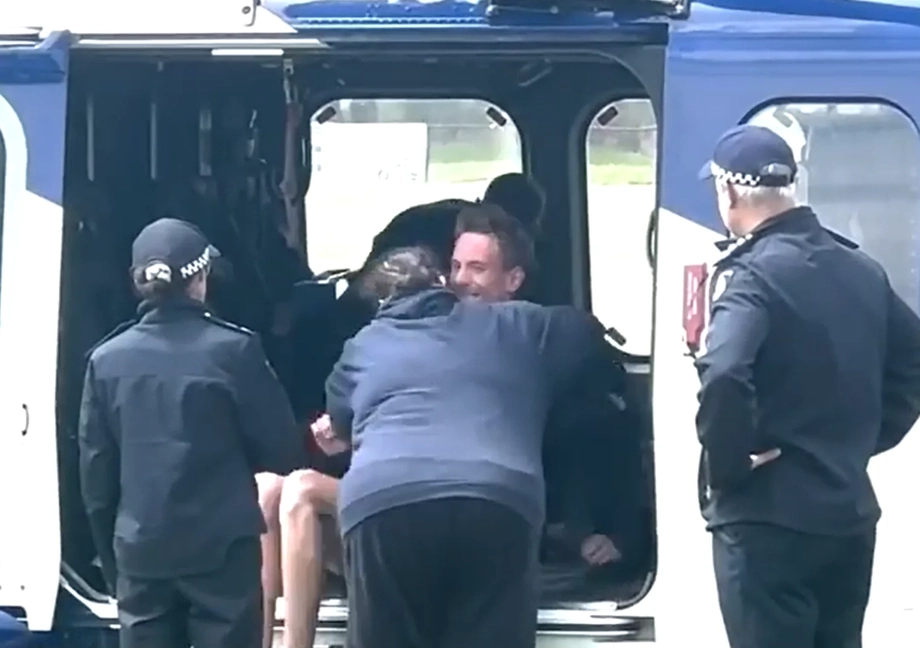
Flight officers winched William out with belongings that included his pillow and Melbourne Vixens lunch box. The helicopter then carried him to Cowwarr, where Benbow had told Elizabeth that her son would arrive within minutes.
Relief at Cowwarr, then urgent hospital care
Elizabeth approached the helicopter with her arms open. William smiled, and the two embraced as police watched. She later said his words, "I love you Mum", melted her heart.
Elizabeth told reporters how she felt after the reunion:
I am over the moon. He's alive.
Her relief also came with a joke that quickly became part of the rescue story. She said he was grounded for life and would never leave the house again.
William was initially taken to Latrobe Regional Hospital in Traralgon. He was hungry and asked for McDonald's, with his mother bringing a meal that included a Quarter Pounder, a cheeseburger and chicken nuggets.
His treatment became more involved overnight when his blood pressure dropped because of dehydration, prompting care in intensive care. Latrobe Regional Hospital chief executive Don McRae said William was stable and would be transferred to The Alfred for further testing and specialist review.
Later details from his recovery described doctors finding air in his chest and investigating a possible injury to his oesophagus, the tube carrying food to the stomach. Earlier descriptions referred to a possible windpipe problem. His final diagnosis was not disclosed.
Doctors temporarily restricted his food and drink while assessing him. Elizabeth said he remained talkative, although disappointed to miss his morning coffee and another McDonald's breakfast. He was subsequently discharged from The Alfred on a Monday evening and visited his football club the next day.
Search specialists praised his decision to stop
Simin Ngan, co-convener of Bush Search and Rescue Victoria, praised William's decisions to stay warm, drink water and recognise his limits in terrain he did not know.
Ngan said his actions made good use of the few resources he had:
Given the level of experience he had in the bush, he did absolutely what was appropriate and the best thing to do.
Gordon Dedman, senior instructor at Bushcraft Survival Australia, explained that someone who keeps moving through dense bush becomes harder for rescuers to locate. Remaining in one place reduced the chance of William travelling farther from the search area, while the opening near the creek improved his visibility from above.
William's survival depended on several things coming together: his own decisions, access to water, a visible position, the tackle box and a sustained search. The injuries and dehydration that required hospital treatment show how physically demanding those six days were.
Benbow described the rescue as an emotional result for officers. Russell said SES crews fully understood the outcome when the helicopter landed and Elizabeth was escorted towards her son.
Home again, with football in mind
William returned to familiar faces at Morwell East Football Netball Club after leaving hospital. He plans physiotherapy and a gradual return to training, with no fixed date announced for playing again.
Football had remained a source of encouragement during his recovery. Collingwood captain Darcy Moore sent him a video message in hospital, which Elizabeth said moved him to tears.
His best friend, Jude Howell, 16, described being terrified that he might never see William again. The pair became friends through football, and Jude spoke of William's habit of making sure others felt included.
William, who has autism, also offered encouragement to young people with disabilities as he discussed his hopes for returning to sport:
You can be a champion, you can be a warrior. You can climb a mountain and do whatever you want with autism. It's not stopping you.
Elizabeth said the experience had made her more cautious about giving him independence. For William, being back in the Latrobe Valley meant returning to the people and place he loved, after days when home had felt desperately far away.
Key Points
- William, 17, disappeared near Walhalla East on November 6 and was found alive on November 12.
- He survived with a packet of chicken chips, creek water, towels and a pillow.
- A tackle box helped a police helicopter crew locate him beside a creek in steep terrain.
- More than 100 personnel and volunteers supported the search; SES crews completed 120 shifts.
- He needed hospital treatment for dehydration, low blood pressure, sunburn and other medical concerns.
- William has returned home and hopes to resume football after rehabilitation.