A tacklebox led rescuers to the missing teenager
A tacklebox spotted from a police helicopter helped end the search for William, a 17-year-old from Morwell who survived six days in Victoria's Gippsland bushland with a packet of chicken-flavoured chips, creek water and two towels for warmth.
Contents
- A tacklebox led rescuers to the missing teenager
- A short walk became six days missing
- Chips, creek water and two towels
- A familiar song helped him through the nights
- Dense forest made the search difficult
- The moment William lifted his head
- His mother was waiting at the command post
- Why hospital monitoring continued after the rescue
- Key Points
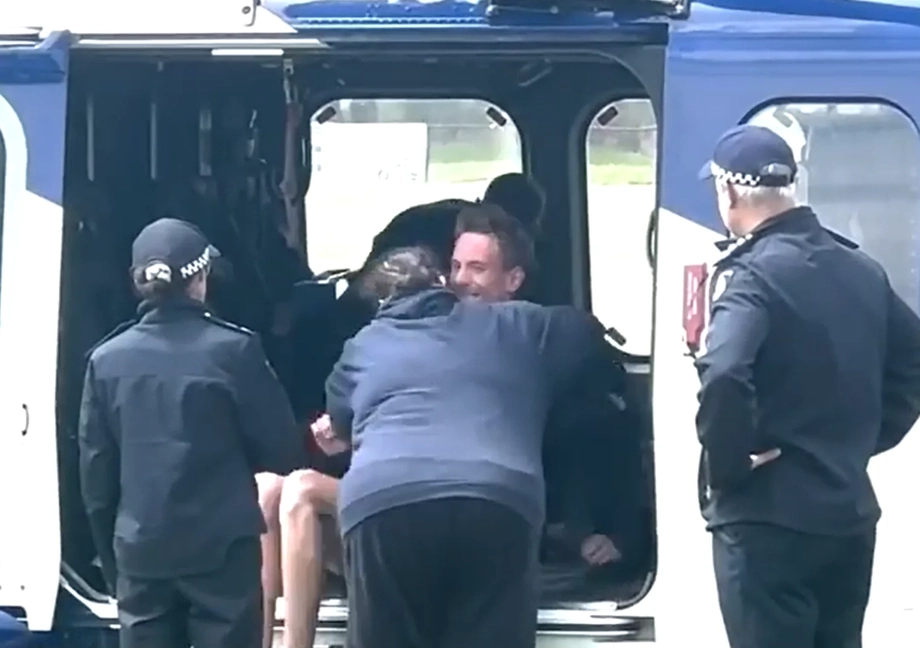
Victoria Police found him on November 12, about two kilometres east of Stoney Creek, after an extensive search through steep, densely wooded country between Cowwarr and Walhalla. Officers examining the tacklebox from the air spotted William lying nearby in a creek bed. He lifted his head as the helicopter hovered above him.
Flight officers winched down to retrieve him, then brought him to the search command post, where his mother, Elizabeth Barkley, was waiting. William was alert and able to celebrate his rescue, but his recovery required hospital treatment for dehydration and an injury to his windpipe.
The Victoria Police statement described him as being in good spirits and, for the most part, in good health when he was recovered. Subsequent hospital updates explained why he still needed close observation, including specialist assessment in Melbourne.
For William, the moment of rescue meant being able to see his mother again after nights when he feared nobody would find him. For the helicopter crew, his movement beneath them turned a difficult search into an emotional rescue.
A short walk became six days missing
William's mother had dropped him off to camp for the weekend with a friend. Police said he was last seen at about 4pm on Friday, November 6, near Stoney Creek Road and T2 Track, between Cowwarr and Walhalla.
He had walked a short distance back towards the dropoff location to collect more camping equipment. When he failed to return, his friend searched the surrounding area but could find no trace of him. William had left his phone, main food supplies and water behind.
Barkley said her son missed a turn on a track and became lost. He later slipped and fell down a cliff, a fall described as roughly the height of two storeys. He suffered scratches to his back as well as the injury that doctors would assess after his rescue.
His mother said he became frightened during the first night, eventually lay down beneath bushes, and started walking again the following day. What began as a brief errand had left him alone in rugged country with very little to sustain him.
- November 6: William was last seen at about 4pm near Stoney Creek Road after leaving to retrieve camping equipment.
- Over the following six days: Police, specialist teams, volunteers and other emergency services searched the surrounding bushland.
- November 12: The police Air Wing spotted a tacklebox and then William near a creek, before retrieving him and reuniting him with his mother.
- November 13: Hospital staff reported that he was stable and arranged further testing and specialist review at The Alfred in Melbourne.
Chips, creek water and two towels
William's only food during the ordeal was a family packet of chicken-flavoured Smith's chips. He rationed it, making the packet last two days, and drank water from the creek beside which he sheltered.
Two towels served as makeshift blankets. He had been wearing shorts and work boots when he disappeared, leaving him with little protection against cold nights, rain and the rough ground. By the time rescuers reached him, he was shirtless, sunburnt and dehydrated.
William described the changing conditions from his hospital bed. Days brought heat and sun exposure, while darkness brought cold, occasional rain and growing uncertainty about whether rescuers could see him.
William, describing the conditions he endured, said:
The nights were pretty cold. A couple of times it was raining. Hot days. I got sunburnt and pretty treacherous surroundings, rocks and sticks, yeah.
Access to the creek gave him water throughout his wait, but he still required treatment for dehydration after being found. The hospital care became particularly important when his blood pressure fell overnight.
A familiar song helped him through the nights
John Denver's Take Me Home, Country Roads became part of William's routine as he waited in the bush. A childhood favourite, the song brought him comfort when he was cold, alone and worried that the search might never reach him.
William said singing helped him feel better, so he continued doing it on subsequent nights. The familiar music gave him something to return to while the daylight faded and his surroundings became harder to see.
William explained how the habit began:
I started doing it one night and it made me feel ace, so I just kept doing it.
He also spoke plainly about how frightened he had been. At times he doubted that he would survive long enough to be found. His account connected the practical difficulties of staying warm and finding food with the strain of waiting alone, without knowing where the search teams were.
By the following morning in hospital, his mother said his musical choices had changed to AC/DC. He was talking, had slept in a comfortable bed and was back beside his family.
Dense forest made the search difficult
More than 100 emergency services personnel took part in the operation, including police, the dog squad, water police, State Emergency Service teams and volunteers trained in bush search and rescue. The wider effort involved hundreds of people, with helicopters, search dogs and police divers among the resources deployed.
Victoria Police thanked community members and volunteers, Ambulance Victoria, Bush Search and Rescue, Australian Search and Rescue K9, Search and Rescue Dogs K9, and Cowwarr Football Netball Club. Uniformed officers and specialist police units also worked across the six days.
The terrain limited what searchers could see. Steep slopes complicated access on the ground, while thick vegetation concealed parts of the forest floor from the air. The helicopter crew's eventual breakthrough came in a section of the Cowwarr area that had not yet been thoroughly searched.
Dave Wylie, the pilot involved in the rescue, explained why William's position in a relatively open area mattered:
A lot of the areas are so thick that you can't actually see the forest floor, so even if someone was there, potentially you could fly right past them.
William was beside the creek where the crew could see through the vegetation. Wylie said they could have flown past without spotting him had he been under thicker cover. From the helicopter, the tacklebox was the small, unusual object that drew attention to the right place.
The moment William lifted his head
Senior Constable Emma Quick, a tactical flight officer aboard the helicopter, said the crew's observer noticed something unusual below. Officers looked more closely and found William lying under towels in the creek bed.
Police described the sequence as spotting the tacklebox first, then zooming in and finding the teenager nearby. The crew initially struggled to believe they had located him after so many days of searching. His head movement gave them the answer they had been hoping for.
Quick described the moment the crew realised William was alive:
I don't think any of us in the aircraft could actually believe that it was him, and then he puts his head up and we were like, 'Oh my gosh, he's alive and we've got him.'
William looked towards the helicopter and raised a fist in celebration. Officers then descended by winch to reach him and bring him out of the creek area. The rescue moved quickly from an aerial sighting to the journey back to the command post.
Quick said the discovery would stay with her forever. Seeing William reunited with his mother was another emotional moment for officers who had spent days trying to find him.
His mother was waiting at the command post
Elizabeth Barkley was at the Cowwarr command post when the search succeeded. Police and rescue personnel had been explaining which areas had already been checked and where they intended to look next.
She said volunteers had worked for days and were becoming exhausted. Police reassured her that their search would continue. While she was being shown the remaining areas to check, the helicopter crew found her son.
Barkley was told William was alive, already in the helicopter and only minutes away. After days of waiting, she was in the place where rescuers would bring him back.
William described their reunion as the "best moment of my life". He said both he and his mother were emotional, and that seeing her happy again was a powerful part of coming home.
Barkley also described the reaction beyond their family. Friends had struggled to sleep during the search, and William's football community had followed events closely. She said his coach at Morwell Football Club cried when she called to say he had been found.
Relief came with some family humour. His mother said he would never go camping again and joked about keeping him in his room. William, speaking from hospital, laughed that she appeared determined to stick to that plan.
Why hospital monitoring continued after the rescue
Latrobe Regional Hospital in Traralgon cared for William after he was brought out of the bush. Although he was talking and in good spirits, dehydration caused his blood pressure to drop, and he was moved to intensive care overnight.
Doctors were also monitoring a small tear in his windpipe, with air trapped around his lungs and neck. The windpipe is the passage that carries air towards the lungs. A tear can allow air to escape into nearby spaces, which helps explain the need for careful assessment even while a patient is awake and able to speak.
Don McRae, chief executive of Latrobe Regional Hospital, said William was stable and would receive further testing and specialist review at The Alfred in Melbourne.
McRae described the next stage of treatment:
"William has been cared for by our team overnight and is in a stable condition," he said.
William said he had enjoyed food and a comfortable night's sleep after his rescue. Doctors subsequently required him to fast while they monitored his injury, temporarily stopping food and drink. Barkley said he was bright and talkative but unhappy about missing coffee and breakfast.
His condition was reported as stable on Friday afternoon. No hospital discharge date was given. Barkley said he wanted to return to football training when well enough, although his recovery could keep him away from the field for several weeks.
Key Points
- William, 17, was rescued on November 12 after six days missing in Gippsland, Victoria.
- He disappeared after leaving a camping area to retrieve equipment near Stoney Creek Road on November 6.
- Police spotted a tacklebox about two kilometres east of Stoney Creek, then found him nearby in a creek bed.
- He survived with a packet of chips, creek water and two towels, and sang Take Me Home, Country Roads for comfort.
- More than 100 emergency services personnel joined the search, supported by volunteers and the community.
- He was reunited with his mother before receiving hospital treatment for dehydration and a windpipe injury.
- William was stable, with specialist assessment arranged at The Alfred in Melbourne.