A voluntary block on accounts opened in your name
Kazakhstan's National Bank is preparing a service that would let citizens block the online opening of bank accounts and issuance of cards in their names through any bank's app. The proposal follows a case involving Almaty resident Zukhra Valieva, whose identity was allegedly used to open four accounts at Nurbank and move about 36 million tenge over six days.
Contents
- A voluntary block on accounts opened in your name
- How Stop Account would work
- Four accounts and six days of transfers
- What Nurbank and the court did
- Alerts, branch visits and bank responsibility
- Other complaints widen the concern
- How the proposal reached regulators
- What changes for bank customers
- Key Points
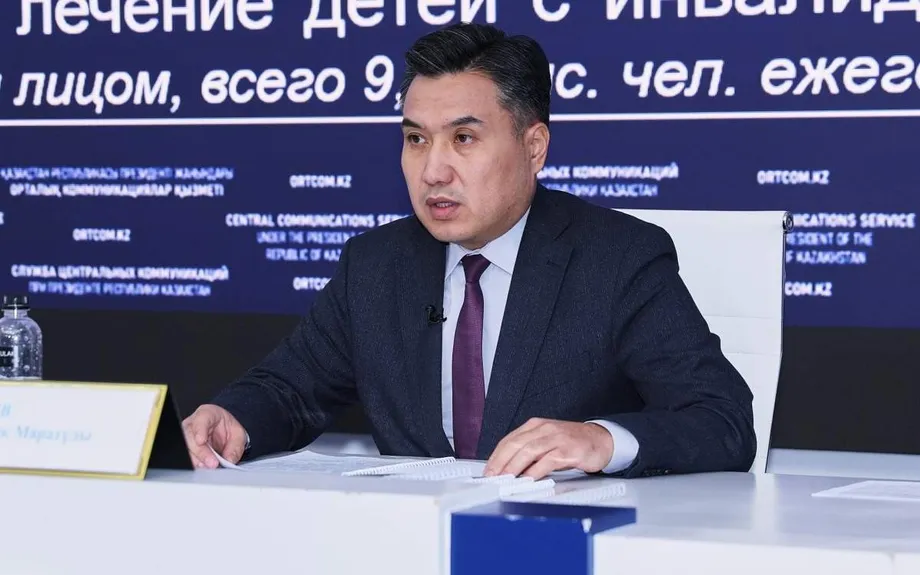
National Bank Deputy Chairman Binur Zhalenov confirmed support for the initiative, called Stop Account, on the sidelines of the XIV Congress of Financiers. His announcement was reported on November 13, 2026. The National Bank and the Agency for Regulation and Development of the Financial Market are working on regulatory amendments and the technology needed to operate it.
The proposal would give individuals a choice to restrict new accounts and cards opened remotely. Kazakhstan is not announcing a blanket ban on opening accounts or issuing cards. The intended protection is a restriction that a person could activate before someone tries to use their identity.
Valieva's case shows the financial consequences that can follow an account opened without its named holder's knowledge. Companies whose money allegedly passed through the accounts have sought compensation from her. The Alatau city court ordered her to repay 3.2 million tenge to one company, while she and her representative were preparing an appeal.
Regulators have not announced a launch date, final operating rules or the procedure for removing a restriction. Personal finance expert Asel Aulbekova, who proposed the initiative, also wants account opening at a branch to remain possible and citizens to receive alerts about attempts to use their identities.
How Stop Account would work
Zhalenov said the planned service would follow the model of Stop Credit, which allows people to voluntarily restrict bank loans and microloans being issued in their names. Stop Account would address a different stage of financial fraud: the creation of accounts and cards that can receive and move stolen money.
Zhalenov, the National Bank deputy chairman overseeing the announcement, described the intended access through banking apps:
Every citizen of the country will be able to use the interface of any banking application to set a ban on opening new accounts or cards.
A loan restriction concerns borrowing. An account restriction concerns the banking channels through which money moves. A person could therefore have reason to use both services: one to prevent debt being created in their name, and the other to prevent new accounts being created under their identity.
The National Bank and the financial market regulator are preparing both amendments and technical infrastructure. For customers, the intended result is a restriction set in one bank's app that protects against remote account or card creation elsewhere in the banking system.
Four accounts and six days of transfers
Valieva said she had no knowledge of the four Nurbank accounts and did not control the money passing through them. Fraudsters allegedly created a fake video using artificial intelligence and the photograph on her identity document, then used it to pass the bank's remote identity checks.
A deepfake is an artificial image, recording or video made to resemble a real person. In this case, the alleged purpose was to make a bank's verification system accept a video as evidence that Valieva was taking part in opening the accounts.
About 36 million tenge passed through the accounts over six days, allegedly after being stolen from several companies. That works out to an average of about 6 million tenge a day. The speed matters because several victims and many transfers can become connected to a person's name before that person learns an account exists.
The Agency for Regulation and Development of the Financial Market found that the identity verification took place without Valieva's actual participation or consent and that Nurbank had failed to verify the customer properly. The finding addressed the bank's process for establishing who was opening the accounts.
What Nurbank and the court did
Nurbank said its internal review partly confirmed Valieva's arguments. Several employees received disciplinary action, and materials were sent to police in Almaty. The bank's review and the regulator's findings placed the account opening process under scrutiny.
Valieva also faced demands from companies whose money reached the accounts. In one case, the Alatau city court ordered her to repay 3.2 million tenge on the basis of unjust enrichment. In simple terms, that is a claim seeking the return of money received without a lawful basis.
The 3.2 million tenge judgment concerned one company's claim, compared with about 36 million tenge that allegedly passed through all four accounts. Valieva and her representative were preparing an appeal after the judgment was described in October coverage.
The case brings together two practical problems. Banks must establish who is opening an account, while a person named as the account holder may later have to respond to claims over money sent there. For Valieva, the dispute continued in court even after the regulator found that she had not participated in the identity check.
Alerts, branch visits and bank responsibility
Aulbekova's proposal goes beyond a button that blocks remote applications. She wants citizens who activate Stop Account to retain the ability to open an account by visiting a bank branch in person. This would preserve access to banking while requiring a different form of identity verification.
She also proposed immediate notifications through government digital services whenever someone attempts to open an account or obtain a card in a person's name. Such an alert would tell the person that their identity was being used, including when an application did not succeed.
Aulbekova's third proposal concerns who bears the financial consequences. She argued that when a bank opens an account without a customer's knowledge because it has checked their identity inadequately, responsibility should fall on the bank rather than the person whose identity was used.
The National Bank's announcement committed support to developing the restriction service. Branch access, mandatory alerts and the proposed allocation of responsibility remain elements of Aulbekova's proposal rather than announced operating rules. Each would affect a different part of a case like Valieva's: preventing an account, detecting an attempt and dealing with losses afterward.
Other complaints widen the concern
Another woman alleged that an account had been opened without her knowledge at Home Credit Bank and that almost 1.8 million tenge passed through it. She also said money was stolen from her deposit, the telephone number linked to her banking was changed and she later faced a lawsuit.
In the Zhetysu region in 2025, authorities investigated a bank employee over the opening of an account for a foreign citizen without that person's physical presence. That case involved the conduct of an employee, while Valieva's case involved an alleged artificial intelligence video used for remote verification.
National Bank Deputy Chairman Akylzhan Baimagambetov, responding to a question about Valieva, said he was unfamiliar with her case and needed more facts before commenting in detail. He cautioned against changing the entire regulatory approach on the basis of one case.
Baimagambetov also said the National Bank was developing its anti fraud center as part of its response to financial crime. His comments focused on continuing to improve defenses as fraudsters adopt new technology. Zhalenov's announcement set out a specific additional tool: allowing individuals to restrict remote account creation themselves.
How the proposal reached regulators
The public discussion moved from individual complaints to a proposed service and then to confirmation that regulators were preparing it. The key dates and developments are:
- 2025: An investigation in the Zhetysu region concerned a bank employee who opened an account for a foreign citizen without the person's physical presence.
- October 2026: Valieva's case became public, including the alleged use of a fake video, the transfers through Nurbank accounts and the court dispute.
- November 11, 2026: Aulbekova's call for Stop Account, government notifications and bank responsibility was reported.
- November 13, 2026: Zhalenov's confirmation of National Bank support and joint work with the financial market regulator was reported.
Aulbekova's social media post drew nearly 1,000 comments, with most expressing support for the proposal. The response showed public interest in having a direct way to restrict the use of personal data for new banking products.
What changes for bank customers
Stop Account would give customers a way to act before an unauthorized account is opened, instead of discovering it after money has passed through it. Its proposed reach across banking apps is central to that goal: a restriction would need to follow the person's identity rather than depend only on which bank they normally use.
The initiative also separates convenience from consent. Remote banking allows people to obtain services without visiting a branch, but the bank still needs to establish that the person whose identity is presented has actually agreed to open the account. The regulator's finding in Valieva's case puts that requirement at the center of the dispute.
For people already facing claims, including Valieva, the immediate issue remains responsibility for transactions made through accounts they say they never opened. The planned service addresses future account creation, while existing disputes continue through bank reviews, police referrals and court proceedings.
Key Points
- Kazakhstan is developing Stop Account, a voluntary restriction on opening accounts and issuing cards online in a person's name.
- The National Bank and the financial market regulator are preparing amendments and technical infrastructure.
- Zukhra Valieva's identity was allegedly used to open four Nurbank accounts through which about 36 million tenge passed in six days.
- The regulator found that her identity was checked without her participation or consent and that the bank's verification was inadequate.
- A court ordered Valieva to repay 3.2 million tenge to one company; she and her representative were preparing an appeal.
- Proposals for government alerts, continued branch access and bank responsibility have not been announced as final service rules.
- No launch date has been announced.