Flood Defences Face a Deadline Before Winter
Kazakhstan has identified 1,242 settlements at risk of flooding as it prepares for spring 2027, with 144 of 424 planned regional prevention measures still unfinished. Deputy Prime Minister Kanat Bozumbayev has ordered priority work completed before winter, putting pressure on regional administrations to strengthen protective structures and clear routes for melting snow.
Contents
- Flood Defences Face a Deadline Before Winter
- What Has Been Built, and What Remains
- Winter Roads Are an Immediate Concern
- Why the Ground Matters as Much as the Snow
- Reservoir Capacity Offers Another Layer of Protection
- Repairs Extend Beyond Settlement Defences
- Rivers Crossing Borders Require Shared Information
- Forecasting Must Connect to Evacuation Plans
- The Main Dates and Responsibilities
- Key Points
A government meeting chaired by Bozumbayev reviewed preparations for both the 2026-2027 winter and the following spring. Authorities reported that 280 engineering measures, or 66% of the regional programme, had been completed. Akmola, North Kazakhstan, East Kazakhstan and Abai remain areas of concern because settlements there are still exposed and some protective projects are unfinished.
The preparations bring together two connected problems: keeping roads, electricity and heating functioning through winter, then managing the water released when accumulated snow melts. Kazhydromet, the national weather service, expects a relatively warm winter, with precipitation above average in western, northern and eastern regions.
More than 40,000 personnel and 15,000 units of equipment have been prepared for potential emergencies. Regional authorities have also established 1,729 warming centres with space for more than 144,000 people.
What Has Been Built, and What Remains
Authorities reported building, repairing or reinforcing 119.4 kilometres of protective dams and embankments during the year covered by the preparations. They also built or restored 156 kilometres of drainage systems and installed or replaced 299 culverts, the passages that carry water beneath roads and similar structures.
Those works address different parts of the same problem. Embankments help keep rising water away from homes, while drainage channels and culverts give runoff a route through or around settlements. A blocked passage can leave water collecting behind a road instead of flowing away.
The 144 unfinished measures account for about one third of the regional programme. Regional governors have been instructed to complete priority work, reinforce protective structures and prepare drainage channels and culverts before winter.
The four regions receiving particular attention in the 2027 preparations overlap with the priority areas identified during preparations for spring 2026. Karaganda was also on that earlier list. The recurring focus on Akmola, North Kazakhstan, East Kazakhstan and Abai shows where authorities have repeatedly directed prevention efforts.
Winter Roads Are an Immediate Concern
Road maintenance services reported that 1,987 snow clearing vehicles were ready as of November 1, alongside stocks of 409,000 cubic metres of materials for preventing ice formation. Bozumbayev warned that delays in clearing snow during heavy snowfall and blizzards can disrupt traffic and leave large numbers of vehicles stranded in congestion.
The Ministry of Transport and regional administrations were instructed to clear roads promptly, install snow fences and position equipment near difficult stretches. Snow fences catch blowing snow before it accumulates on the road, helping maintenance crews keep routes open.
Kazhydromet's expectation of a relatively warm winter still includes risks from snowdrifts and icy roads. Temperatures near freezing can allow snow or rain to melt and then freeze again, while strong winds can move fallen snow across highways.
The Ministry of Energy has been assigned to maintain uninterrupted electricity and heat supplies. The Ministry of Emergency Situations must prepare rescue units and strengthen preventive measures. For households and travellers, the immediate priorities are access to warmth, working utilities and routes that emergency vehicles can use.
Why the Ground Matters as Much as the Snow
Earlier preparations for spring 2026 show why officials are watching more than snowfall totals. At a meeting reported on February 4, 2026, Kazhydromet forecast spring precipitation above normal, while heavy autumn rain had left an ice crust on the ground in several regions.
Bozumbayev, speaking as deputy prime minister at that meeting, described the conditions authorities needed to prepare for:
The beginning of spring is expected to be warm with precipitation. Heavy rains last autumn led to the formation of an ice crust on the ground in several regions, which could complicate the flood situation.
Frozen or ice covered ground can absorb less water. When warmer weather melts snow and rain adds more water, a greater share may travel across the surface toward rivers, roads and homes. Clearing drainage routes before the thaw helps that water move through settlements.
The February 2026 instructions included cleaning canals, ditches, culverts and storm sewers, removing snow from towns and villages, and carrying out river blasting where necessary. Such operations are intended to break ice that could obstruct river flow. Officials were told to complete that season's flood prevention and safety work by March 1.
Reservoir Capacity Offers Another Layer of Protection
The Ministry of Water Resources and Irrigation reported in February 2026 that large reservoirs had more than 14.3 billion cubic metres of available storage, against projected spring inflows of 9.1 billion to 13.9 billion cubic metres. At the upper end of that forecast, the stated available capacity exceeded expected inflows by more than 400 million cubic metres.
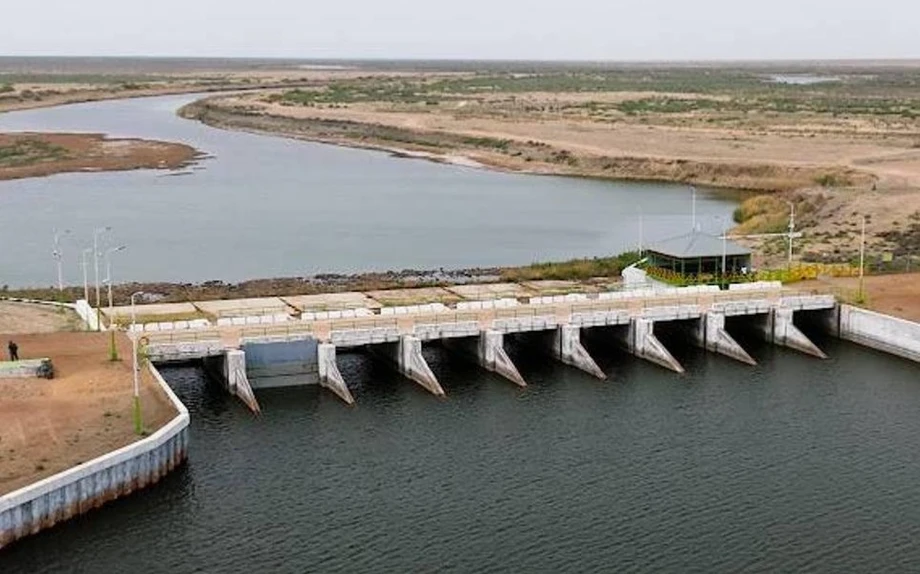
Reservoirs can hold back some incoming water and release it at a controlled rate. Their usefulness during a flood depends on where the water arrives, how much space each reservoir has and how safely releases can pass downstream. The ministry said the highest water levels at that time were in eastern regions.
The February 2026 figures describe preparations for that spring. Updated reservoir capacity and inflow estimates for spring 2027 have not been given in the preparations described here. Kazhydromet has been instructed to produce detailed regional hydrological forecasts by February 2027, assessing how water is likely to move through rivers and catchments.
The Ministry of Water Resources and Irrigation has also been told to strengthen reservoir oversight for the coming season. Kazakhstan had already used early releases as a preparation measure in 2025, beginning in January to create additional storage before the spring thaw.
Repairs Extend Beyond Settlement Defences
Water infrastructure work reported in February 2026 included repairs underway at 39 hydraulic facilities. Completed major repairs covered Charske Reservoir in Abai, Akzhar Reservoir in Shymkent, Sholak Dam in Aktobe and the reconstructed dam at Stepnoye village in Kostanay.
Under the 2025-2027 Roadmap for River Rehabilitation, nearly 167 kilometres of riverbeds in western, central and northern regions had been cleaned and deepened. Approximately 193 kilometres of similar work was planned across six additional regions in 2026, about 26 kilometres more than the length already completed.
Riverbed work and settlement drainage serve related purposes at different scales. A clear ditch can move water away from a street; a river channel must carry much larger flows onward. Reservoir operations, river maintenance and local defences therefore need to be planned together.
The government intensified flood coordination after the spring 2024 disaster, described as Kazakhstan's most severe flooding in 80 years. More than 120,000 people were evacuated, and dozens of settlements were affected. That experience gives practical weight to current instructions on protective works, evacuation space and emergency supplies.
Rivers Crossing Borders Require Shared Information
Kazakhstan's preparations also depend on information from neighbouring countries. Water moving along a shared river can change conditions downstream, making communication about reservoir releases and rising levels part of flood planning.
A joint working group with Russia was established in 2025 to address flooding and elevated water levels, including in the Ural River basin. During the February 2026 preparations, the final forecast for water levels in that basin was expected in early March.
Kazakh officials said Russia had stated that releases from Iriklinskoye Reservoir during the 2026 flood period would not exceed 200 cubic metres per second. That figure describes the rate of discharge, meaning the volume passing downstream each second, rather than the reservoir's total stored water.
Kazakhstan and China also operate a notification and monitoring system for flows along the Irtysh River, supported by exercises and communication checks. The February 2026 instructions called for constant information exchange with neighbouring states, checks on reservoir levels and safe releases in advance where necessary.
Forecasting Must Connect to Evacuation Plans
The Ministry of Artificial Intelligence and Digital Development has been instructed to complete modernisation of the Taskyn flood information system for the 2027 preparations. Its purpose is to improve forecasting so authorities can identify threatened places and prepare a response.
During the February 2026 preparations, officials reviewed flood modelling in the Tasqyn system using Talsim data. Modelling estimates where water may travel under different conditions, helping officials identify vulnerable settlements before flooding reaches them. The instructions for that season required regional scenarios to be developed with the relevant state bodies.
The Ministry of Emergency Situations will organise nationwide command and staff exercises for the coming season. These exercises test how officials coordinate decisions, deploy rescue services and check emergency stockpiles and evacuation shelters.
For spring 2026, the government ordered Koktem-2026 civil protection drills and coordination between emergency and interior authorities on timely evacuation. Preparations also covered food, fuel, medicine and other essential supplies, particularly for settlements at risk of losing road access, along with stocks of construction materials, bags and engineering equipment.
The Main Dates and Responsibilities
Kazakhstan's preparations span several seasons. The February 2026 reservoir figures and March deadline belong to the earlier flood campaign; the latest instructions concern winter 2026-2027 and spring 2027.
- 2024: Severe spring flooding forced the evacuation of more than 120,000 people.
- January 2025: Early releases from key reservoirs began to create space before the spring thaw.
- 2025: Kazakhstan and Russia established a joint working group on flooding and elevated water levels.
- February 4, 2026: Preparations focused on five priority regions, with prevention and safety work due by March 1.
- Before winter 2026-2027: Regional administrations are instructed to finish priority protective works and prepare drainage routes.
- By February 2027: Kazhydromet must prepare detailed regional hydrological forecasts.
Regional governors are responsible for completing prevention measures on time and to the required standard. National ministries have separate assignments covering roads, energy, reservoirs, forecasting and emergency response. Their shared task is to turn construction progress and weather warnings into protection for settlements before water levels rise.
Key Points
- Kazakhstan has identified 1,242 settlements at risk of flooding ahead of spring 2027.
- Authorities have completed 280 of 424 regional engineering measures, leaving 144 unfinished.
- Akmola, North Kazakhstan, East Kazakhstan and Abai remain priority areas in the latest preparations.
- More than 40,000 personnel and 15,000 units of equipment are prepared for potential emergencies.
- Regions have established 1,729 warming centres with capacity for more than 144,000 people.
- Priority protective works are due before winter, with detailed regional water forecasts required by February 2027.