First trade council meeting puts tariff relief and farm sales together
China and the United States discussed lowering tariffs on about $30 billion worth of goods from each country at their first trade council meeting on November 13, 2026, bringing a combined $60 billion trade package back into focus before a planned meeting between Presidents Xi Jinping and Donald Trump in Shenzhen.
Contents
- First trade council meeting puts tariff relief and farm sales together
- What the $60 billion arrangement would cover
- Consumer goods on one side, agricultural goods on the other
- Why the farm purchase commitment is under pressure
- Washington plans to retain substantial tariffs
- How the talks reached this point
- Senior officials raised concerns before the council met
- What Shenzhen could bring into focus
- Key Points
The talks, held by video conference, covered agricultural trade and the implementation of earlier economic agreements, China's Ministry of Commerce said on November 14. No new agreement was announced, and the broader tariff arrangement still awaits completion.
Farm purchases sit at the centre of the negotiation. China has committed to buying $17 billion in American agricultural goods annually through 2028, yet its purchases of US farm products other than soybeans are on course for their lowest level in seven years. Beijing says putting the reciprocal tariff arrangement into effect is a prerequisite for increasing those purchases.
The Ministry of Commerce, the Chinese government department responsible for trade policy, described the exchange in its statement:
The two sides held candid, in-depth and constructive exchanges on implementing the outcomes of previous China-US economic and trade talks, including tariffs, a reciprocal '$30 billion-for-$30 billion' tariff-cut arrangement, agricultural trade and other issues of mutual concern.
The White House said Trump would meet Xi on Thursday during the Asia-Pacific Economic Cooperation forum in Shenzhen. The council meeting gives the two governments a working channel for carrying out commitments, while the leaders face the unresolved connection between tariff relief and agricultural orders.
What the $60 billion arrangement would cover
Washington and Beijing proposed the reciprocal package following a September summit in Washington. Each side would lower import duties on a selected group of goods worth about $30 billion, producing a combined coverage of roughly $60 billion.
The dollar amounts describe the value of goods covered by the arrangement. The financial benefit for importers would depend on the tariff rates applied to individual products and how much trade actually takes place.
A tariff is a tax charged when goods enter a country. The importer pays it to the government, and that expense can affect the price charged to businesses or consumers. Lower duties can make a foreign product cheaper to buy, although final prices also depend on transport, exchange rates and commercial decisions.
During the eighth round of economic and trade consultations, held in New York and Washington from September 20 to 23, the two governments agreed that tariffs on around 90 percent of the products covered by the arrangement would fall to most-favoured-nation rates.
Most-favoured-nation rates are the ordinary tariff rates a country applies to trading partners entitled to that treatment. For the selected products, moving to those rates would reduce the extra tariff burden while leaving ordinary import duties where applicable.
Consumer goods on one side, agricultural goods on the other
The two governments began developing lists of products in September, each covering up to $30 billion in trade. The initiative focuses on goods described as non-sensitive, allowing selected commercial exchanges to proceed while other trade restrictions remain.
Products identified for the American list include microwave ovens, electric irons, Christmas decorations and toys. The Chinese list centres on agricultural products, including corn, sorghum, dairy products, beef and vegetables.
Those choices connect different commercial interests. American importers could gain cheaper access to selected manufactured goods from China. Chinese buyers could face lower costs for selected American crops, meat and dairy products, creating opportunities for US agricultural exporters.
About $17 billion in US agricultural goods that China imported in 2024 falls within the proposed package. That amount is roughly 57 percent of the $30 billion Chinese side of the arrangement, showing how heavily farm trade weighs in the negotiation.
Why the farm purchase commitment is under pressure
China's commitment to buy $17 billion in American farm goods each year through 2028 matches the approximate value it purchased in 2024. Delivering that commitment would give US suppliers a substantial market, particularly when they make decisions about production, storage and shipping.
Customs figures reviewed earlier in November show that Chinese purchases of American agricultural products excluding soybeans are heading for their lowest level in seven years in 2026. The weakness extends across a group of farm products that matters to growers, livestock producers and food exporters.
Soybeans are excluded from that assessment, so the reported trend concerns the rest of the agricultural trade relationship. The annual $17 billion commitment covers farm purchases more broadly. Progress therefore depends on both the mix of products China buys and their combined value.
Beijing has repeatedly tied an increase in agricultural imports to implementation of the reciprocal tariff plan. On November 5, China's Commerce Ministry said the country remained open to expanding imports of US farm products, provided the arrangement covering $30 billion of goods on each side was carried out.
For exporters, that condition makes tariff policy part of the sales process. Lower duties would change the cost faced by Chinese buyers and could help American products compete for orders. Farmers and shippers are still waiting for the agreed framework to translate into purchases.
Washington plans to retain substantial tariffs
The Office of the United States Trade Representative announced on Friday that it and the Treasury Department had held the first official US-China Board of Trade meeting with their Chinese counterparts. In a social media post, the office said: "Today, the Office of the U.S. Trade Representative, alongside the [Treasury Department], held the first official U.S.-China Board of Trade meeting with our Chinese counterparts." It said the Trump Administration looked forward to continuing engagement with China to establish fair and balanced trade.
In a separate statement, the trade representative's office described the administration's effort to establish a US-China board of trade for commerce in non-sensitive products. It identified American farmers, ranchers, fishermen, small businesses, manufacturers and workers as intended beneficiaries.
Washington also said substantial tariffs would remain to counter what it described as China's unfair trading practices and protect American economic interests. Its approach combines selected tariff reductions with continued restrictions across other parts of the relationship.
China's existing trade measures also form part of that wider relationship. Beijing previously extended optical fiber tariffs on certain American products, with duties ranging from 33.3 percent to 78.2 percent and running through April 21, 2028. Those measures concerned a specific trade remedy investigation; the new council discussions focus on negotiated relief for selected goods.
How the talks reached this point
Xi and Trump agreed to establish the trade council at their Beijing summit in May 2026. The mechanism was developed further during their September meeting in Washington and the consultations held that month.
The main stages show how the governments moved from creating a forum to discussing the practical terms of tariff relief:
- October 2025: Xi and Trump reached a trade agreement in Busan, South Korea, whose implementation Washington later raised with Beijing.
- May 2026: The presidents agreed in Beijing to establish a trade council.
- September 20 to 23: The eighth round of economic and trade consultations took place in New York and Washington, including work on reciprocal tariff reductions.
- November 5: China's Commerce Ministry linked expanded US farm imports to implementation of the tariff arrangement.
- November 6: Senior Chinese and American officials held a video call over trade concerns and earlier commitments.
- November 13: The trade council held its first formal meeting by video conference.
- Thursday, November 19: Trump and Xi are expected to meet during the APEC gathering in Shenzhen.
The November council session focused on implementing outcomes from these earlier negotiations. Its immediate task is to turn political understandings into trade terms that importers and exporters can use.
Senior officials raised concerns before the council met
Chinese Vice Premier He Lifeng spoke by video on November 6 with US Treasury Secretary Scott Bessent and US Trade Representative Jamieson Greer. He expressed serious concern about recent American trade restrictions affecting China.
Bessent and Greer stressed the importance of China implementing the agreement reached by the two presidents in Busan in October 2025. Their message placed earlier commitments alongside the newer negotiations over selected tariff reductions.
Beijing's position centres on carrying out the reciprocal tariff arrangement before expanding farm purchases. Washington is pressing for implementation of prior commitments while keeping substantial duties in place. The council gives officials a continuing forum to work through those priorities.
What Shenzhen could bring into focus
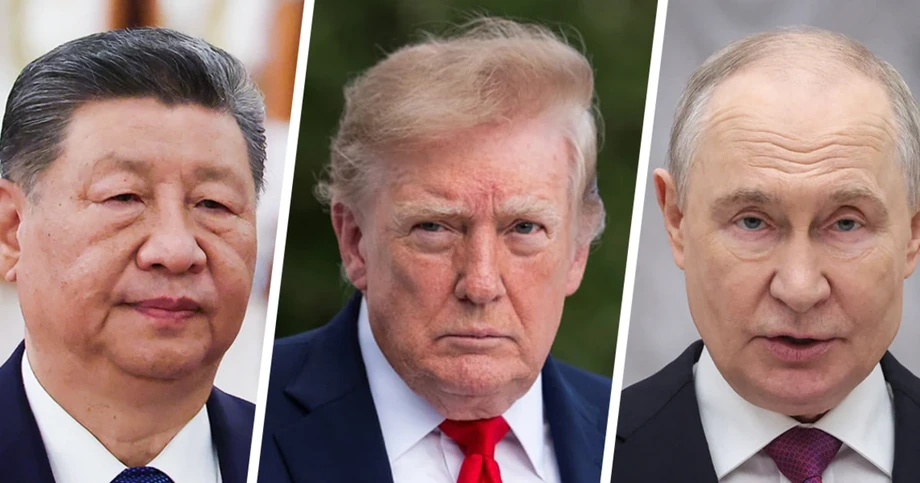
The planned Trump-Xi meeting at APEC is the next stated opportunity for the presidents to address the unfinished package. A first trilateral meeting involving Russian President Vladimir Putin was also planned during the gathering.
The trade discussion has concrete consequences for businesses. US farm exporters need orders and delivery schedules. Chinese agricultural buyers need to calculate landed costs, including duties and freight. American importers of the selected consumer goods need to know which products will receive relief.
China's Commerce Ministry said the two countries would continue communicating through the council, address their respective economic and trade concerns, expand cooperation and reduce outstanding problems. Washington likewise committed to continued dialogue.
The next practical steps concern completion of the product lists, application of the lower tariff rates and agricultural purchasing. Those decisions would give businesses firmer terms for trade than the framework discussed so far.
Key Points
- China and the United States held their first trade council meeting by video on November 13, 2026.
- The proposed reciprocal arrangement covers about $30 billion in goods from each country, or $60 billion combined.
- Tariffs on around 90 percent of covered products are intended to fall to most-favoured-nation rates.
- China has committed to $17 billion in annual US farm purchases through 2028, while purchases excluding soybeans are heading for a seven-year low.
- Beijing links increased agricultural imports to implementation of the tariff arrangement; Washington says substantial tariffs will remain elsewhere.
- Trump and Xi are expected to meet Thursday at the APEC gathering in Shenzhen.