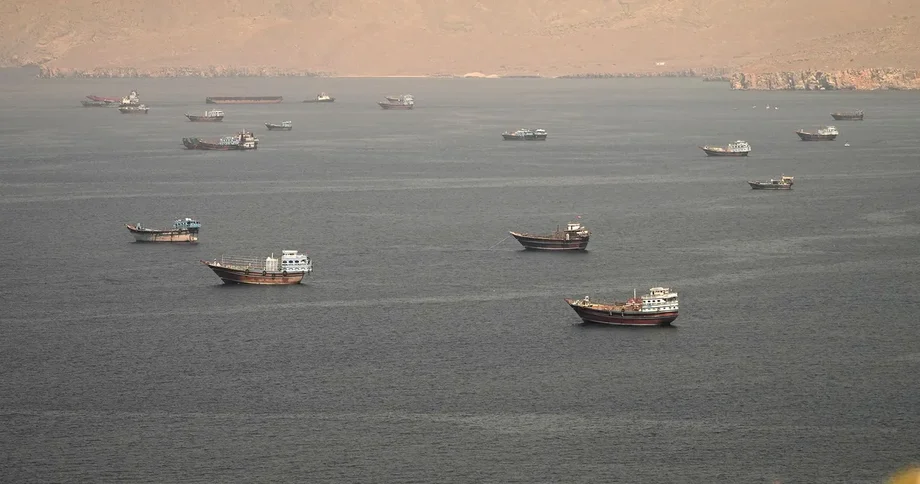
Four countries gain passage under different terms
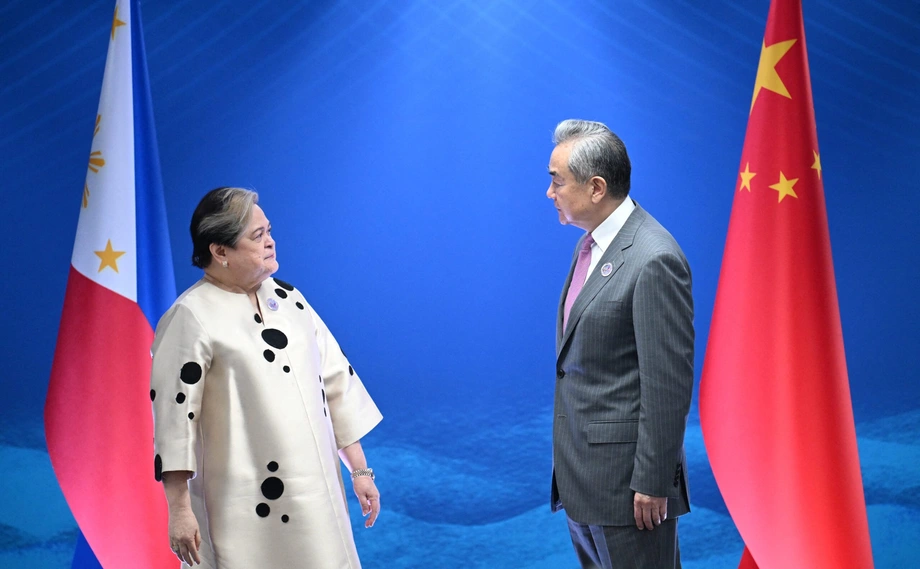
Iran has exempted merchant vessels from India, China, Iraq and Qatar from transit restrictions in the Strait of Hormuz, a senior Iranian lawmaker said on November 3, 2026, while retaining transit fees for Indian and Chinese ships. Qatari vessels can pass without paying charges.
Contents
- Four countries gain passage under different terms
- Medicine and political support drive the exemptions
- Permission still involves fees and clearance
- India has reduced its oil exposure
- Cooking gas remains heavily dependent on Hormuz
- Iranian access and American rules remain separate
- Eight months of disruption preceded the announcement
- Seafarers face a continuing security threat
- Key Points
Hayat-Moghaddam, deputy chairman of the Iranian Parliament's National Security and Foreign Policy Committee, linked the arrangements to specific Iranian interests: obtaining medicines from India and securing political support from China. His announcement comes more than eight months after the conflict involving Iran, the United States and Israel began disrupting the waterway.
The strait lies between Iran and Oman and connects the Persian Gulf with the Gulf of Oman and the Arabian Sea. For India, it currently carries about 30% of crude oil imports, alongside a much larger share of imported cooking gas.
Hayat-Moghaddam described the exemptions and asserted that American forces were also allowing the four countries' ships through:
We have currently exempted India, China, Iraq and Qatar from transit restrictions in the Strait of Hormuz. Ships from these countries pass freely, and the Americans do not intercept them either.
The claim about American conduct had no immediate independent confirmation. Washington had issued no separately verified response to the latest announcement, and Indian authorities had provided no immediate clarification about how their vessels would use the arrangement.
For shipping companies, the practical terms involve several separate decisions: permission to sail, the information required for clearance, any transit charge and the security conditions along the route. Iran is offering selected countries access while continuing to restrict other commercial traffic.
Medicine and political support drive the exemptions
India's exemption is intended to help Iran import pharmaceutical products and medicines, according to Hayat-Moghaddam. The arrangement gives Tehran a reason to preserve shipping links with India even while it limits access for other countries.
China's exemption serves a different purpose. The lawmaker said Iran wants political backing from Beijing during its confrontation with Washington. Access to the same waterway is therefore being used to support both essential trade and diplomatic relationships.
Hayat-Moghaddam explained that Iran had negotiated different treatment according to its interests:
We are conducting business, and each of these exemptions has a distinct reason.
Qatar receives the clearest financial concession: its ships can transit without tolls. Iraq is also included among the four exempt countries, although the lawmaker did not explain its arrangement in comparable detail. The announcement sets out separate terms for individual partners rather than a general reopening of the strait.
Permission still involves fees and clearance
Indian and Chinese vessels remain liable for Iranian transit fees. A transit fee is a charge imposed for travelling through a route, separate from the price of the cargo or the cost of operating the ship.
The European Union said in June that Iran's Islamic Revolutionary Guard Corps Navy was operating a passage system requiring ships to submit identification, cargo information and their destination. Those details allow Iranian authorities to assess vessels seeking to cross the strait.
Shipping operators therefore face both financial and administrative requirements. A vessel carrying energy supplies may need to submit its documents and receive clearance while its operator also arranges any required payment.
Several operational details remain unspecified: the amount of the fees, how they are collected, whether Iraqi vessels pay, and how Iran defines a ship as belonging to an exempt country. Iran also has not published a complete updated list of countries barred from passage. Earlier restrictions targeted vessels associated with the United States and Israel.
India has reduced its oil exposure
India imports nearly 90% of the crude oil it needs. Crude is the raw material that refineries turn into petrol, diesel and other fuels, making dependable deliveries important to transport, industry and everyday commerce.
About 30% of India's current crude imports pass through Hormuz, compared with approximately 70% before the conflict prompted changes in purchasing. That is a decline of 40 percentage points, or roughly 57% relative to the earlier share.
India has increased purchases from Russia, the United States, West Africa and Fujairah in the United Arab Emirates. Fujairah faces the Gulf of Oman, outside the Strait of Hormuz, giving buyers access to shipments that can avoid the passage.
The shift has changed India's exposure to disruption rather than removing its need for imported oil. At the current share, roughly three out of every ten imported barrels still travel through Hormuz. Preferential access can help maintain those deliveries, while transit charges remain part of the shipping bill.
India's turn toward other suppliers has also intersected with American sanctions policy. On October 16, President Donald Trump paused Russia energy sanctions that threatened tariffs of up to 100% on goods from major buyers of Russian oil and gas, including India and China. That suspension eased a trade threat as India relied more heavily on alternative crude supplies.
Cooking gas remains heavily dependent on Hormuz
India's exposure is greater for liquefied petroleum gas, or LPG, than for crude oil. About 90% of its LPG imports transit Hormuz. LPG is widely used as cooking fuel, so disruption to these shipments reaches a different part of daily life from disruption to crude supplies.
Liquefied natural gas, or LNG, is another important cargo. Natural gas is cooled into a liquid so that ships can transport large quantities. More than 50% of India's LNG imports from Qatar and the UAE travel through the strait.
The figures describe different supply streams: the LPG percentage concerns India's imported cooking gas, while the LNG figure concerns imports from Qatar and the UAE. Together, they show why reducing the crude oil share alone leaves substantial dependence on Hormuz.
Fertiliser imports also use the route, linking shipping access to supplies needed by farmers. For Indian buyers, the exemption matters across several products, from fuel for kitchens to materials supporting food production.
Iranian access and American rules remain separate
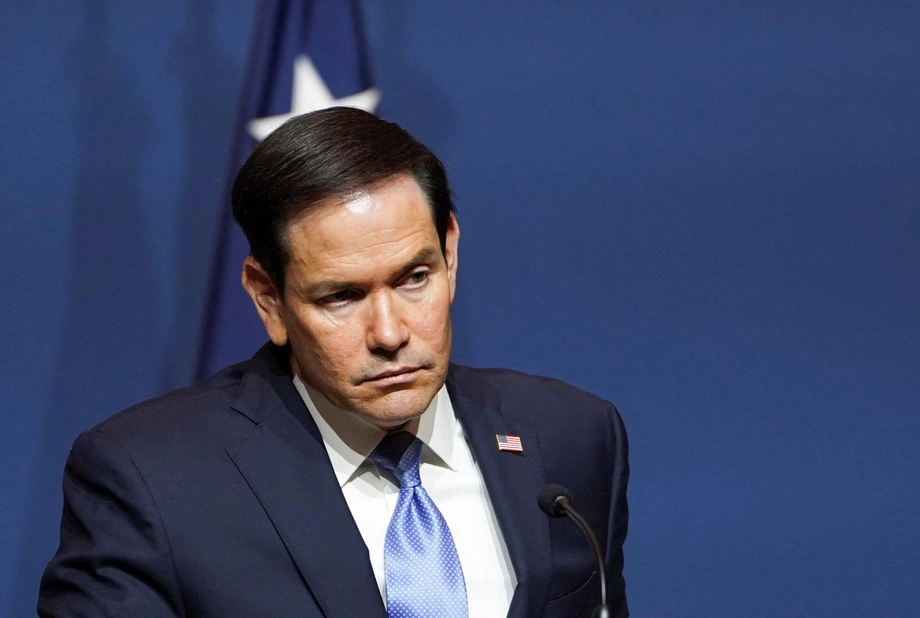
The United States has opposed Iran's transit charges. Its Treasury Department says American individuals and businesses cannot pay Iranian authorities for safe passage through Hormuz. Companies with American involvement therefore face payment restrictions alongside Iran's demands for transit fees.
Washington has also imposed a blockade on Iranian ports. Its stated policy distinguishes vessels entering those ports from ships travelling to other destinations. A ship's destination consequently matters alongside the country with which it is associated.
Hayat-Moghaddam's statement presents Iran's view of how the four exemptions are operating. Shipping companies still have to account for the rules applied by the authorities involved in their voyage, including restrictions governing payments and calls at Iranian ports.
India has repeatedly called for unimpeded energy supplies and freedom of navigation in international waterways. The latest arrangement gives selected vessels a passage option while Iran continues to control access through individual permissions.
Eight months of disruption preceded the announcement
The November exemptions follow a conflict that has repeatedly interrupted shipping and diplomacy. A ceasefire in April was followed by renewed fighting in July, leaving merchant vessels operating amid continuing restrictions.
The principal dates trace how the crisis developed:
- February 28, 2026: The United States and Israel launched strikes on Iran, beginning the current conflict.
- March 2: Iran announced the closure of the Strait of Hormuz, and commercial traffic fell sharply.
- April: A ceasefire was reached.
- June: The European Union described Iranian requirements for vessel identification, cargo and destination information.
- July: Fighting resumed after diplomatic efforts failed to secure a lasting settlement.
- November 3: Hayat-Moghaddam announced exemptions for India, China, Iraq and Qatar.
Some ships have continued to cross under special arrangements, but normal commercial movement had not resumed by November 4. The four exemptions expand the stated access available to selected partners within that restricted system.
Seafarers face a continuing security threat
The International Maritime Organization recorded at least 70 attacks on merchant ships between the start of the conflict in February and August. Those attacks killed 19 seafarers, putting a human cost on the disruption to oil, gas and other trade.
Twenty-four Indians had been killed in the wider conflict, including 15 seafarers. Those 15 account for nearly two thirds of the Indian fatalities. The figure covers Indian deaths in the conflict, while the IMO's total concerns seafarers killed in merchant ship attacks during its stated reporting period.
For crews, permission to cross exists alongside the danger of navigating an active conflict area. Ship operators must consider vessel movements, insurance coverage and crew safety when deciding whether and when to sail.
Hormuz carries almost a quarter of global seaborne oil supplies, with shipments originating in West Asian producers. Disruption there can affect buyers far beyond the four exempt countries by interrupting deliveries and complicating shipping schedules.
Iran's announcement offers selected trading partners a route through the restrictions. Its concrete benefits will depend on vessels obtaining clearance, meeting the applicable payment rules and completing their voyages safely.
Key Points
- Iran says ships from India, China, Iraq and Qatar are exempt from Hormuz transit restrictions.
- Indian and Chinese vessels still face transit fees; Qatari ships can pass without charges.
- Iran links India's exemption to medicine imports and China's to political support.
- Iranian clearance procedures require vessel, cargo and destination information.
- Hormuz carries about 30% of India's crude imports and 90% of its LPG imports.
- The IMO recorded at least 70 merchant ship attacks and 19 seafarer deaths from February through August.