October 16 waiver lifts an immediate trade threat
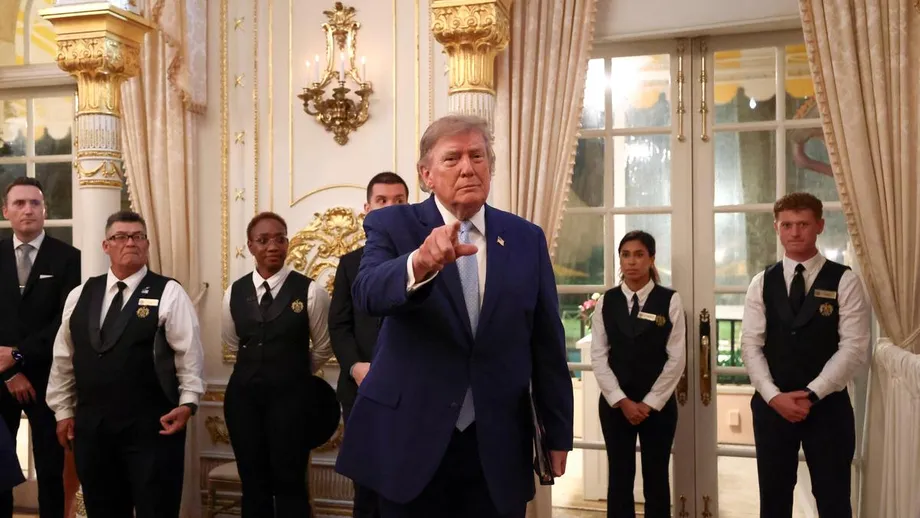
US President Donald Trump issued an executive order on Friday, October 16, 2026, suspending sanctions and tariff provisions that threatened duties of up to 100% on goods from India, China and other major buyers of Russian oil and gas. The decision came ahead of an October 18 deadline under legislation he signed less than a month earlier.
Contents
- October 16 waiver lifts an immediate trade threat
- What the Graham Act would allow
- How the decisions unfolded
- India's oil savings were tied to export risks
- Why replacing Russian crude is difficult
- Russian supplies still face commercial pressure
- The diesel agreement behind the timing
- Fuel prices collide with pressure on Moscow
- Monitoring continues despite the pause
- Key Points
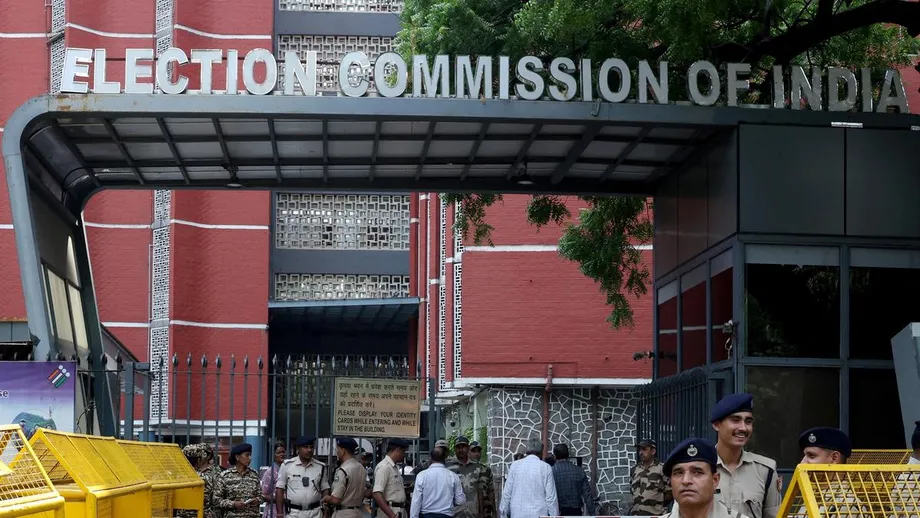
Trump invoked Section 115(a) of the Lindsey O. Graham Sanctioning Russia and Iran Act of 2026, saying he had certified to Congress that the waiver served the US national interest. The five countries identified as potentially exposed to the energy purchase penalties were China, India, Azerbaijan, Hungary and Slovakia.
In the executive order, Trump described the action and the certification required to use the waiver:
I am hereby waiving the application of such sanctions, restrictions, and duties provided for in the Graham Act. I have submitted to Congress a certification that the issuance of such a waiver at this time is in the national interest of the United States.
The suspension gives those countries immediate relief from a potentially large increase in the cost of selling goods to the United States. It also follows a Russian diesel supply agreement announced on October 9, as the administration seeks cheaper fuel before the November 3 congressional midterm elections.
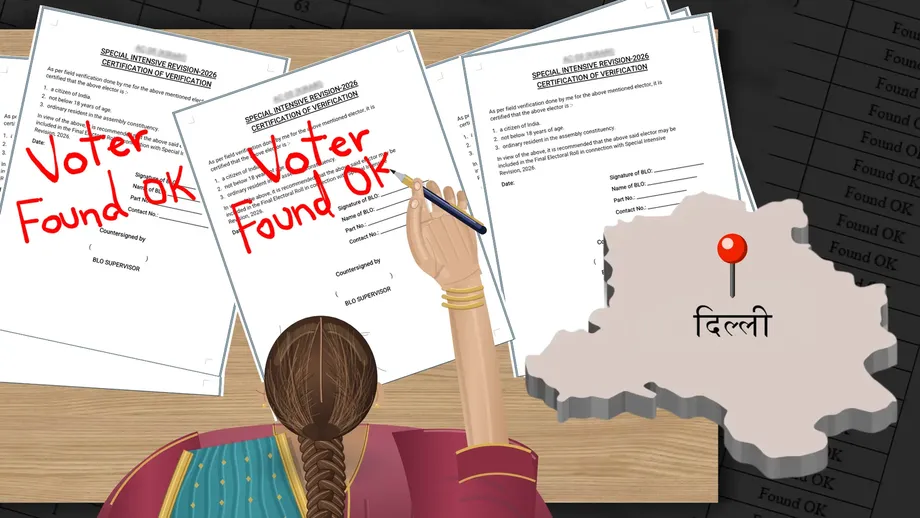
India has particular reason to welcome the decision. Disrupted Middle Eastern supplies have increased its reliance on Russian crude, while its exporters faced the prospect of penalties reaching far beyond the oil business. The waiver has no announced expiry date, and Trump retains the power to restore the suspended measures.
What the Graham Act would allow
Congress passed the Graham Act on September 16, and Trump signed it on September 18. The Senate had approved the legislation in August by 86 votes to 11. Its purpose was to increase economic pressure on Moscow over the war in Ukraine by targeting Russian institutions and the overseas trade that brings Russia revenue.
Section 113 authorizes tariffs of up to 100% on goods from major purchasers of Russian crude oil or natural gas and countries helping Russia evade sanctions. The president has discretion over whether to impose those tariffs, their rate and their timing. The law's passage therefore created a threat to trade rather than automatically applying a uniform 100% duty.
A tariff is a tax collected when goods enter a country. In this case, the threatened duty would apply to goods entering the United States from targeted countries. An Indian company exporting manufactured products could consequently face a trade penalty linked to India's oil purchases, even if that company had no role in buying Russian crude.
The act also provides for sanctions on Russian financial institutions and their international partners. Descriptions of its separate tariff authority on Russia put the ceiling at 500%, with the scope described as Russian exports to the United States or, more narrowly, Russian energy products.
Trump used the act's own waiver mechanism to suspend the measures. His order specifically refers to duties under Sections 112 and 113. The legislation remains in place, leaving the administration able to change course without first securing a new sanctions law.
How the decisions unfolded
The waiver followed a month of legislation, diplomatic discussions and energy negotiations. Several dates explain how quickly the administration moved from approving new pressure on Russia to suspending it.
- August 2026: The Senate approved the sanctions legislation by 86 votes to 11.
- September 16: Congress completed passage of the Graham Act.
- September 18: Trump signed the act into law.
- September 23: Indian External Affairs Minister S. Jaishankar raised India's concerns with US Secretary of State Marco Rubio in New York.
- October 9: Trump announced a Russian diesel supply agreement, and the Treasury Department issued a related general license.
- October 16: Trump issued the national interest waiver ahead of the October 18 implementation deadline.
- November 3: The United States holds congressional midterm elections.
- April 7, 2027: The separate Treasury authorization for Russian diesel purchases is scheduled to expire.
Rubio is also expected to visit India in the days following the waiver. The decision removes an immediate source of friction before that visit, while broader trade negotiations continue.
India's oil savings were tied to export risks
India's exposure involves two large flows of money: what it pays for imported energy and what it earns from selling goods to the United States. Russia supplied 30.3% of India's crude imports in fiscal 2026, worth about $40.8 billion out of a total crude import bill of $134.7 billion, according to the Global Trade Research Initiative.
The United States imported about $104 billion in Indian goods in 2025. Those figures help explain why the earlier tariff threat became a concern well beyond Indian refineries. A policy aimed at reducing Russian oil revenue could also make a broad range of Indian exports more expensive in a major market.
India had already experienced that pressure. Washington previously imposed an additional tariff of 25% tied to Russian crude purchases alongside a reciprocal tariff of 25%, producing a combined figure of 50%. In February 2026, the additional penalty was removed and the reciprocal rate was reduced to 18% under a bilateral trade framework.
A separate US tariff of 10% related to concerns about goods made using forced labour has also been reported on Indian imports. The latest executive order addresses the Graham Act measures; India's exporters still face the wider tariff arrangements governing their products.
Indian Commerce Minister Piyush Goyal has indicated that a draft trade agreement is almost ready. Suspending the Russian energy penalties reduces one immediate obstacle in those negotiations, although no completion date for an interim agreement has been announced.
Why replacing Russian crude is difficult
Jaishankar's discussions with Rubio at the United Nations General Assembly included a practical problem: Indian refineries are largely configured to handle medium sour crude, a type supplied by Russia and Middle Eastern producers. Medium refers to the oil's density, while sour means it contains relatively more sulphur, which refineries remove during processing.
Venezuelan crude is generally heavier, while US crude is generally lighter. Changing suppliers can therefore require blending different oils to produce a mixture suited to a refinery's equipment. A barrel available on the world market is not always an easy replacement for the barrel a plant normally processes.
The Iran war and disruption at the Strait of Hormuz have made that problem more urgent. The route normally carries 40% to 50% of India's oil supplies. Russian purchases increased again after its closure interrupted Middle Eastern shipments.
India's Ministry of External Affairs has framed its response around maintaining supplies for the population. In a statement on the sanctions legislation, the ministry said:
As stated on several earlier occasions, India remains firmly committed to ensuring energy security for its 1.4 billion people. It will continue to do so through diversified sourcing and based on evolving market dynamics.
For Indian refiners, the waiver makes continued Russian purchases easier to plan while alternative supplies remain disrupted. Fuel availability also matters to households, transport operators and factories that depend on the products those refineries make.
Russian supplies still face commercial pressure
Indian refiners have faced tighter Russian supplies even while seeking more crude from Moscow. Purchases began declining after US sanctions targeted Rosneft and Lukoil, with banks, insurers and shipping companies scrutinizing transactions connected to the two producers.
The earlier refinery squeeze showed how those restrictions affected costs. Russian discounts had reached $8 to $12 a barrel against Middle Eastern benchmarks, while some replacement cargoes cost about $5 a barrel above Dubai linked averages. Freight, insurance and payment delays could further reduce the savings from a cheaper purchase price.
Competition from China is now another pressure. Indian refiners expected Russian crude availability to tighten in October and November as exports declined and Chinese buyers competed more aggressively for cargoes. China's demand also increased as the Iran conflict disrupted Middle Eastern supplies.
October figures attributed to energy data provider Kpler put recovering supplies above an average of 2 million barrels a day. Refiners nevertheless have to secure individual cargoes, agree prices and arrange delivery. The waiver eases a legal and trade risk at a time when competition for the physical oil remains strong.
The diesel agreement behind the timing
Trump's October 9 agreement with Russia concerns diesel for US and international markets. The announced immediate supply exceeds 300,000 tonnes, with further shipments expected in November. The broader arrangement has been described as roughly 5 million tonnes over the coming months.
Those figures refer to different stages of the proposed supply: an initial release and a larger volume spread over time. The Treasury Department issued a general license on October 9 allowing global buyers to purchase Russian diesel until April 7, 2027. A general license authorizes a defined category of transactions that would otherwise face sanctions restrictions.
The diesel authorization and the Graham Act waiver operate on different schedules. The former has an April expiry date; the latter continues until the administration changes it. Businesses trading Russian energy must therefore consider which authorization applies to their transaction and when it ends.
Trump has made lower diesel prices a political priority, particularly for farmers, ranchers and truckers. Diesel powers farm machinery and freight vehicles, so higher prices increase the cost of growing food and moving goods. Additional supply could ease that pressure, depending on delivery volumes, timing and wider market conditions.
Fuel prices collide with pressure on Moscow
The November 3 midterm elections place fuel costs near the centre of the administration's domestic concerns. High gasoline and diesel prices affect household budgets directly and feed into the cost of transporting many other purchases. Trump has linked Russian energy supplies and his claimed US control of the Strait of Hormuz to his promise of lower prices.
Ukraine and critics in Washington see a different cost. Russian energy exports generate money for Moscow while its military campaign continues. A bipartisan group of senators had urged the White House to abandon the diesel agreement, arguing that the trade would support Russia's wartime economy.
Ukrainian President Volodymyr Zelensky called the diesel agreement a "weak decision" and "unworthy of our partners." He also accused Moscow of responding to the arrangement with further attacks on Ukraine.
Democrats had previously criticized a Treasury waiver allowing Indian refiners to buy Russian oil for 30 days as "dangerous, self-defeating, and indefensible." That earlier criticism reflects the same policy dispute: whether easing fuel shortages justifies allowing more Russian energy trade while Washington is trying to restrict Moscow's revenue.
Trump has also criticized Ukrainian attacks on Russian refineries, which Washington has blamed for higher global energy prices, and publicly urged Ukraine to find a leader able to reach a peace agreement. The waiver places the administration's immediate concern about energy costs alongside its stated effort to end the war.
Monitoring continues despite the pause
The US Trade Representative must continue watching foreign purchases of Russian crude and natural gas, as well as activity that could help Russia evade sanctions. The executive order requires consultation with the secretaries of state, treasury and energy, along with other senior officials where appropriate.
Those officials must alert Trump to circumstances that might call for further action, including changes to the waivers. Purchases by India, China and the other countries therefore remain part of an active US policy review.
For energy buyers, the immediate benefit is more room to maintain supplies without the threatened Graham Act penalties. For exporters, it is relief from a possible tariff increase of up to 100%. Both groups must still plan around the possibility of another policy change.
The next dated milestones are the November 3 elections and the April 7, 2027 expiry of the diesel license. In the meantime, Russian cargo availability, Chinese demand, Middle Eastern disruption and US trade negotiations will shape how much practical relief the waiver brings.
Key Points
- Trump's October 16 order suspends specified Graham Act sanctions, restrictions and tariffs on national interest grounds.
- India, China, Azerbaijan, Hungary and Slovakia faced potential tariffs of up to 100% linked to Russian energy purchases.
- The waiver has no announced expiry date, and the administration can restore the suspended measures.
- A separate Russian diesel authorization runs until April 7, 2027.
- India gains immediate trade relief while facing disrupted Middle Eastern supplies and competition from China for Russian crude.
- US officials will continue monitoring Russian energy purchases and possible sanctions evasion.