Afghanistan accounts for 25 of 29 wild polio cases worldwide
Afghanistan has recorded 25 cases of wild poliovirus in 2026, already exceeding the 21 reported during all of 2025, as the World Health Organization presses for the return of vaccination teams visiting children at home. The country accounts for about 86% of the 29 wild polio cases recorded worldwide this year, with the remaining four in neighboring Pakistan.
Contents
- Afghanistan accounts for 25 of 29 wild polio cases worldwide
- Why reaching each home matters
- Women vaccinators are central to access
- How the vaccination strategy changed
- The south is driving concern in the east
- Afghanistan and Pakistan share one transmission zone
- Fewer global cases, but an Afghan increase
- What the emergency extension means
- Why the cost of missed children is so high
- Key Points
The WHO Polio Emergency Committee, in its November 13 statement, identified southern Afghanistan as the area of greatest concern. It cited intense transmission, low immunity and vaccination arrangements that leave children unreached, particularly the youngest.
Vaccination campaigns visiting homes have not been conducted in Afghanistan since October 2024. Campaigns instead rely on designated sites, requiring children to be brought to vaccinators. The committee warned that this approach, combined with the limited participation of women health workers, could allow the virus to spread farther within Afghanistan and across its borders.
The appeal puts pressure on the Taliban administration to restore access to homes and enable more women to vaccinate children. WHO's statement did not name the Taliban and attributed the suspension of visits to security concerns. No date for their resumption was announced.
Why reaching each home matters
Afghanistan has continued vaccinating children, but the way it delivers those vaccines has changed. Under the current system, vaccinators work at designated locations rather than going from one household to another. Earlier arrangements included vaccination at mosques.
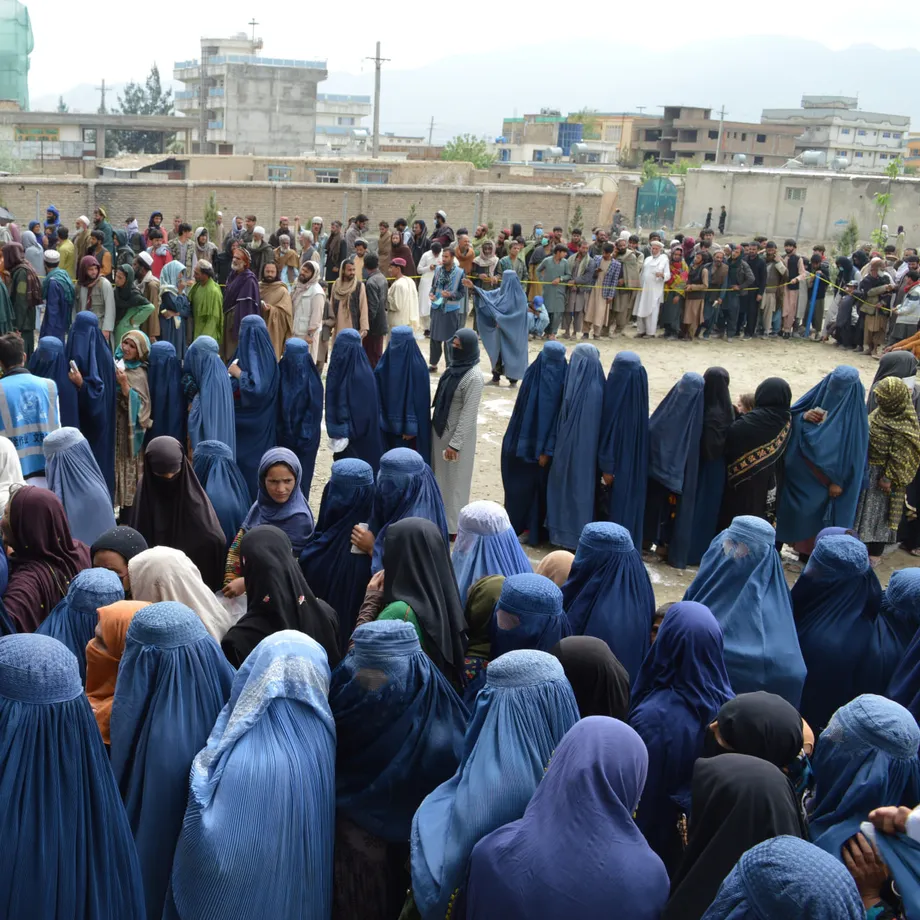
WHO's concern is practical: running a campaign does not mean every child receives a dose. Teams visiting homes can reach children whose families have not brought them to a vaccination site. The committee said campaigns at designated sites often miss children, particularly younger ones.
Afghanistan conducted two nationwide campaigns and five campaigns covering selected regions in 2025. In 2026, it has conducted one nationwide campaign and two covering selected regions, according to the committee. Those repeated rounds provide opportunities to vaccinate children, but access gaps remain.
The committee called on Afghanistan's polio program to find ways to restore vaccination visits nationwide. It also urged governments with ties to the region to use diplomatic channels to support their return, particularly where transmission is most intense.
Women vaccinators are central to access
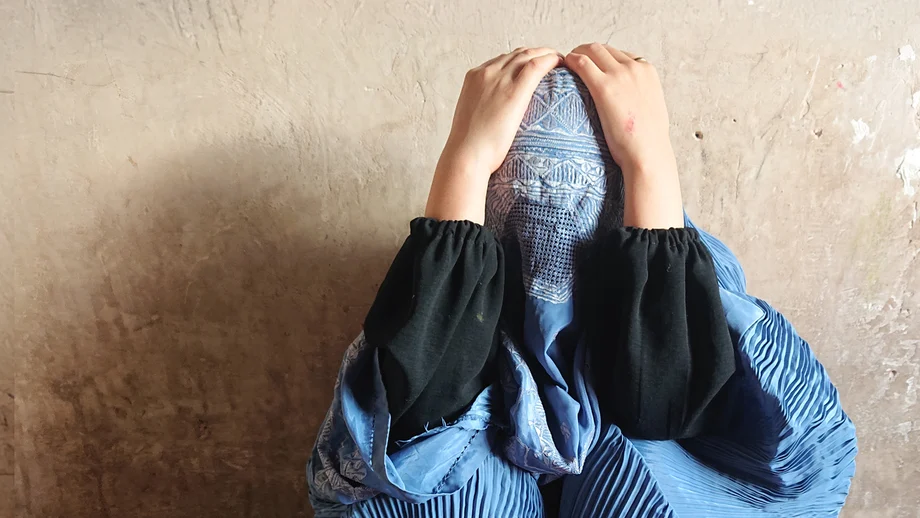
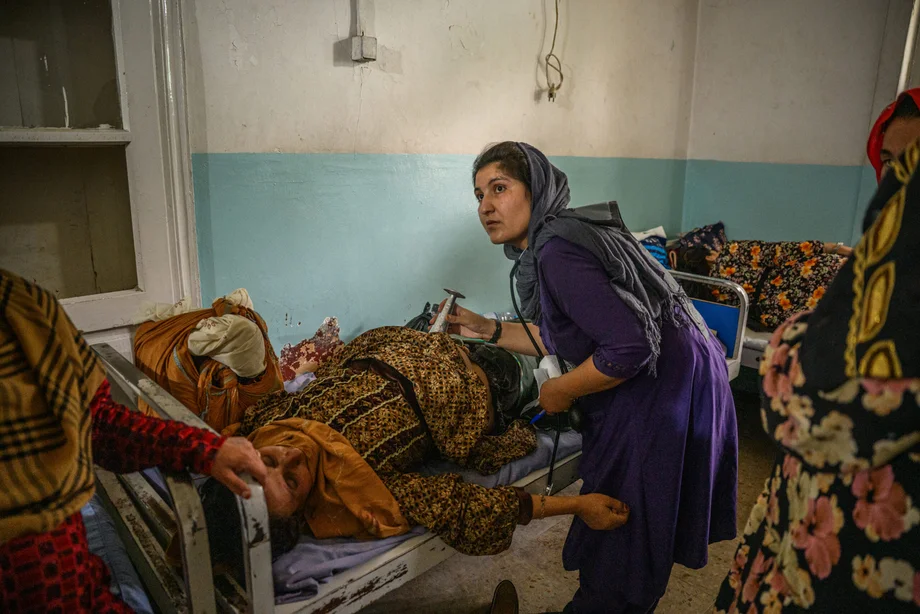
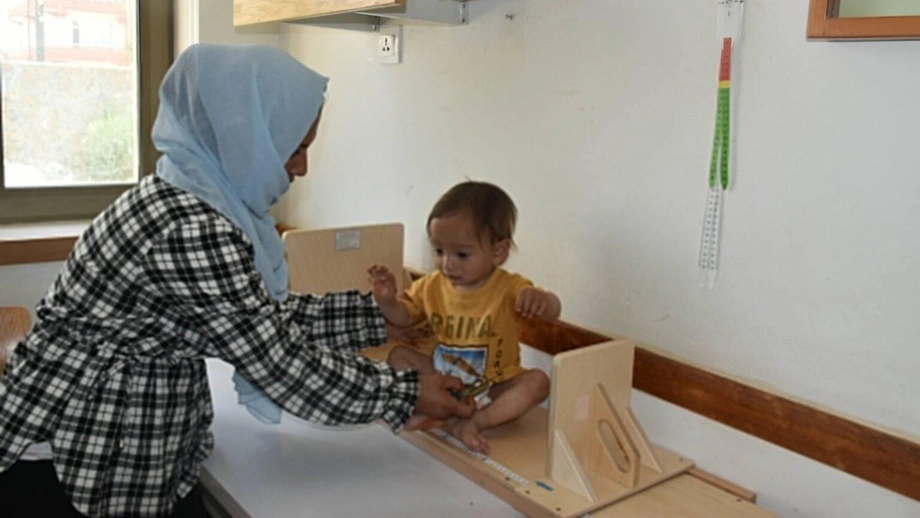
Women remain very underrepresented among vaccination workers, especially in southern Afghanistan, the committee said. In communities where male workers cannot readily enter homes or speak with mothers, women vaccinators can be the people best placed to reach young children.
The Taliban has imposed broad restrictions on women's employment, including work in health and humanitarian aid. Those restrictions form part of the setting in which the vaccination program must recruit and deploy staff.
WHO reported in 2024 that women made up around 20% of participants in Afghanistan's vaccination campaigns. The latest committee statement gives no replacement percentage, but says women's participation remains very low, particularly in the south.
Reopening access to homes and increasing women's participation address connected problems. A team needs permission to reach a household, and it needs workers who can reach the mothers and children inside. The committee identified weaknesses in both parts of that process.
How the vaccination strategy changed
Afghanistan's June 2024 nationwide campaign used vaccination visits to homes for the first time in five years and reached most targeted children, according to WHO's assessment at the time. Kandahar, however, continued using designated sites or mosques, leaving a large pool of children susceptible to infection.
Before a campaign planned for September 2024, United Nations agencies were informed that the Taliban had suspended campaigns. No reason was communicated to those agencies at the time. Other accounts described the suspension as temporary and linked it to security fears and women's participation.
Dr. Hamid Jafari, a WHO official, described the policy discussions in September 2024:
The Global Polio Eradication Initiative is aware of the recent policy discussions on shifting from house-to-house polio vaccination campaigns to site-to-site vaccination in parts of Afghanistan.
The sequence shows how an initial suspension became a prolonged change in delivery:
- June 2024: A nationwide campaign used visits to homes for the first time in five years, although Kandahar used other arrangements.
- September 2024: UN agencies learned of a suspension shortly before a planned campaign.
- October 2024 onward: WHO says vaccination campaigns visiting homes have not been implemented.
- September 30, 2026: WHO's Emergency Committee met to review transmission and vaccination access.
- November 12, 2026: WHO Director-General Tedros Adhanom Ghebreyesus extended the international polio emergency designation.
- November 13, 2026: WHO published the committee's statement.
The south is driving concern in the east
Southern Afghanistan, including Kandahar, Helmand and neighboring provinces, remains the main area of concern because the virus is spreading intensely among people with low immunity. When too few children are protected, the virus has more opportunities to pass from person to person.
Kandahar was already a concern in 2024 because of the number of susceptible children and its reliance on vaccination at sites rather than homes. The province is also the base of Taliban supreme leader Hibatullah Akhundzada, placing a central vaccination challenge in a politically important location.
Eastern Afghanistan has made progress in vaccination coverage following improvements to campaigns at designated sites. Nevertheless, cases and positive environmental samples have increased over the past six months. The committee said detections in the east mostly indicate introductions of the virus from the south.
Environmental surveillance involves testing samples, often from sewage, for poliovirus. It helps health officials find places where the virus is circulating, including where an infected person has not been identified through illness.
Afghanistan has reported 76 environmental samples positive for wild poliovirus in 2026, compared with 94 during all of 2025. The committee's warning focuses on where transmission persists and where detections are increasing, especially the movement from southern to eastern Afghanistan.
Afghanistan and Pakistan share one transmission zone
Afghanistan and Pakistan remain the only countries where wild poliovirus is endemic, meaning its transmission has never been stopped. WHO treats them as a single epidemiological bloc: for stopping polio, their connected populations and travel routes form one area.
Evidence of transmission across their border was documented as recently as the middle of 2026. The committee highlighted routes connecting southern Afghanistan with Pakistan's Quetta area, and southeastern Afghanistan with northwestern Pakistan and southern Khyber Pakhtunkhwa.
Afghans returning from Pakistan, including undocumented migrants, add to the operational demands on vaccination teams. People moving between districts or countries need to be reached even when they are away from the communities where campaigns would normally find them.
The committee called for continued vaccination of people of all ages at border crossings, coordinated campaigns and close cooperation between national and local programs. Pakistan's Anwarul Haq, coordinator at the National Emergency Operation Center for Polio Eradication, warned in 2024 that irregular or unsynchronized campaigns would allow the virus to keep affecting children in both countries.
Pakistan has recorded four wild polio cases in 2026, compared with 31 during all of 2025. Its 128 positive environmental samples this year also show that transmission continues. Southern Khyber Pakhtunkhwa faces security and operational difficulties, while some areas of Karachi continue to report local circulation.
Fewer global cases, but an Afghan increase
WHO's figures show two trends moving in different directions. Across Afghanistan and Pakistan, the 29 wild polio cases recorded so far in 2026 are below the 52 recorded during all of 2025. Within Afghanistan, however, the count has already risen above the previous year's total.
Afghanistan's increase from 21 to 25 cases amounts to four additional cases, or about 19%, before the year is complete. Its share of the combined total has risen from about 40% in 2025, when it accounted for 21 of 52 cases, to about 86% in 2026, with 25 of 29.
The committee described progress as uneven. Improvements in eastern Afghanistan and Pakistan's Peshawar, Quetta and Karachi areas sit alongside continued intense transmission in southern Afghanistan and southern Khyber Pakhtunkhwa.
The eradication program's stated target is to interrupt endemic wild poliovirus transmission in 2026. Achieving that requires sustained vaccination coverage in the places where the virus continues circulating, alongside surveillance capable of finding remaining chains of infection.
What the emergency extension means
WHO's Emergency Committee unanimously recommended extending the temporary measures under the International Health Regulations for another three months. Tedros extended polio's designation as a public health emergency of international concern on November 12.
The designation keeps international travel vaccination requirements in place for Afghanistan, including a requirement for residents to receive a polio vaccine dose before traveling abroad. For families planning a journey, vaccination is therefore also part of travel preparation.
The committee concluded that the international spread of poliovirus remained a public health emergency, while also concluding that it was not a pandemic emergency. Its recommendations focus on preventing further spread through vaccination, surveillance and coordination between countries.
Travel measures operate alongside the effort to reach children at home. WHO called for consistently high immunity on both sides of the Afghanistan-Pakistan border, including among people moving across it.
Why the cost of missed children is so high
Polio mainly affects children younger than five, although anyone who is unvaccinated can become infected. It spreads chiefly when tiny traces of contaminated feces reach another person's mouth, through hands, food or water. The virus first infects the intestines and can then attack the nervous system.
About one in 200 infections leads to paralysis. Severe cases can affect the muscles used for breathing and cause death. Vaccination protects children against these outcomes, making the ability to reach each child central to the eradication effort.
The 29 cases at the center of the Afghanistan-Pakistan warning involve wild poliovirus type 1. WHO also tracks outbreaks caused by circulating vaccine-derived polioviruses. These can emerge when the weakened virus used in oral vaccines circulates for a prolonged period among people with low immunity and changes genetically.
As of September 15, WHO had recorded 155 cases involving circulating vaccine-derived polioviruses across 20 countries in 2026. The response to those outbreaks also depends on timely vaccination that reaches enough children to stop circulation.
Afghanistan's immediate challenge is more specific: restoring access to children missed by campaigns at designated sites, expanding the participation of women vaccinators and reducing transmission in the south before it spreads farther. Progress in the east and across the border depends in part on closing those gaps.
Key Points
- Afghanistan has reported 25 wild polio cases in 2026, compared with 21 during all of 2025.
- The country accounts for 25 of the world's 29 recorded wild polio cases this year; Pakistan accounts for four.
- Vaccination campaigns visiting homes have not operated in Afghanistan since October 2024.
- WHO says campaigns at designated sites miss children, particularly younger ones, while too few women participate as vaccinators.
- Southern Afghanistan remains the greatest concern, with transmission contributing to increased detections in the east.
- WHO is calling for restored vaccination visits, stronger cooperation with Pakistan and continued vaccination at border crossings.
- The international polio emergency designation and associated travel vaccination measures remain in place.