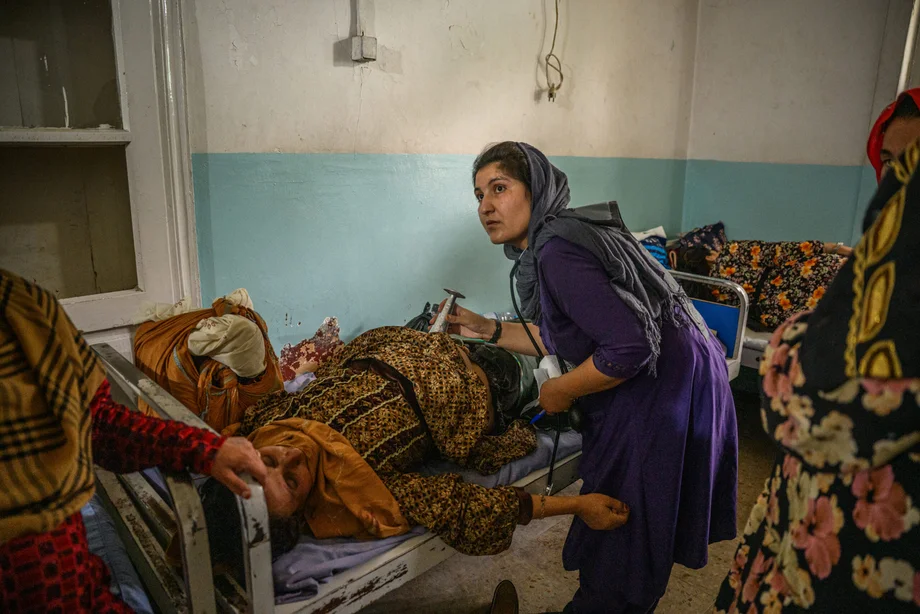
A shortage of midwives meets a new barrier to training
Afghanistan needs an estimated 18,000 additional midwives, according to the United Nations. Taliban instructions stopping women from attending medical training now threaten to close one of the remaining routes into a profession that pregnant women urgently depend on.
Contents
- A shortage of midwives meets a new barrier to training
- What the medical training restrictions affect
- How restrictions accumulated
- Health workers described danger on the journey to work
- Care was deteriorating before the latest ban
- Afghanistan had made substantial gains
- Training a midwife supports more than one patient
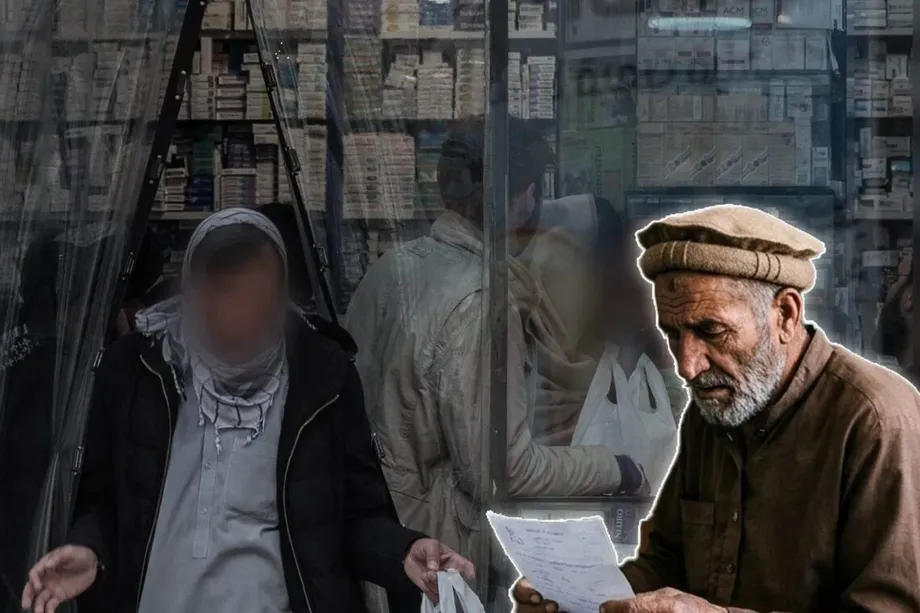
- Money and medicines are part of the same crisis
- Calls for reversal focus on education and treatment
- Key Points
The danger reaches beyond the classroom. In many parts of Afghanistan, women face restrictions on receiving care from male clinicians. Female health workers also face demands to travel with a male relative, making it harder for them to reach hospitals and clinics. Pregnant patients can face similar requirements when seeking treatment.
A woman experiencing a dangerous complication may therefore face two barriers at once: too few female professionals to treat her, and restrictions on access to the male professionals who are available. Blocking the training of nurses and midwives threatens to make that shortage harder to repair.
The World Health Organization estimate cited in coverage of the ban puts maternal mortality at 620 deaths per 100,000 live births. That measure counts deaths associated with pregnancy and childbirth against the number of babies born alive. It describes a country where maternity care was already under severe strain before the latest restrictions.
Research published in 2023 documented how quickly care had deteriorated after the Taliban returned to power in August 2021. Health workers described harassment, unpaid salaries, missing medicines and difficulty reaching work. The training restrictions add a longer lasting threat: fewer women able to replace departing staff or serve communities that already lack skilled help.
What the medical training restrictions affect
Medical institutes offering nursing and midwifery diplomas had remained a route into education and employment after the Taliban excluded women from universities. Institutions received instructions to end classes for women, and students were turned away before a formal public announcement.
The Swedish Committee for Afghanistan, an aid organization that has supported health services and professional training, described the prohibition as a decision announced by the Taliban Ministry of Public Health. It called for its immediate reversal.
Figures accompanying accounts of the restrictions put enrollment at about 35,000 women across roughly 10 public and 150 private institutions offering health diplomas, while estimating that around 17,000 women would be affected. The difference in the populations covered by those figures, the treatment of training run by nongovernmental organizations and the extent of local exceptions remain unclear.
Small groups of women have reportedly continued attending privately run courses in some areas where local Taliban authorities have tolerated them. Such classes offer a limited opening for those students, while the wider network of institutions faces instructions to stop teaching women.
How restrictions accumulated
The medical training ban follows a series of decisions that narrowed access to schooling, employment and public life. Each restriction affects a different stage of becoming a health professional, from completing school to studying a profession and traveling to work.
- August 2021: The Taliban returned to power, followed by disruption to health financing and renewed restrictions on women.
- March 2022: After promising to reopen schools, the Taliban continued to bar girls from secondary education.
- December 2022: Women were excluded from universities, and the Taliban prohibited women from working for nongovernmental and humanitarian organizations.
- June 12, 2023: Researchers published findings documenting worsening conditions for maternal and child health care after the takeover.
- The subsequent medical institute restrictions targeted nursing and midwifery courses that women had continued to attend.
The university exclusion restricted access to medical degrees. Stopping diploma courses reaches another essential part of the workforce: the nurses and midwives who provide care during pregnancy, childbirth and the weeks after birth.
Following the December 2022 employment restrictions, Taliban health officials said the health sector was exempt. The researchers recorded that this assurance was unwritten and its meaning uncertain, leaving health organizations to operate amid changing instructions.
Health workers described danger on the journey to work
Nancy Glass, Rabia Jalalzai, Paul Spiegel and Leonard Rubenstein examined those pressures in their maternal health study, published in the journal Conflict and Health on June 12, 2023. The research was conducted from November 2021 to April 2022, with surveys and interviews collected between February and April 2022.
The team surveyed 131 practicing Afghan health workers, 80% of whom were women, and conducted 10 detailed interviews. Participants were recruited through professional and aid networks using a convenience sample, meaning participation depended on who could be reached and was willing to take part. The findings describe those workers' experiences rather than a national census of health facilities.
Among female health workers, 73.3% said they had not always felt safe traveling to and from work. Among those reporting unsafe travel, 81% cited Taliban harassment when they lacked male accompaniment.
A mahram is a male relative who accompanies a woman under these restrictions. Requiring that escort makes a health worker's attendance depend on another person's availability as well as her own. The researchers also described accounts of workers being beaten for traveling without one.
A clinic needs staff to arrive reliably, including when patients need urgent help. Restrictions on travel can leave a qualified worker unable to reach her patients even when she remains employed and willing to work.
Care was deteriorating before the latest ban
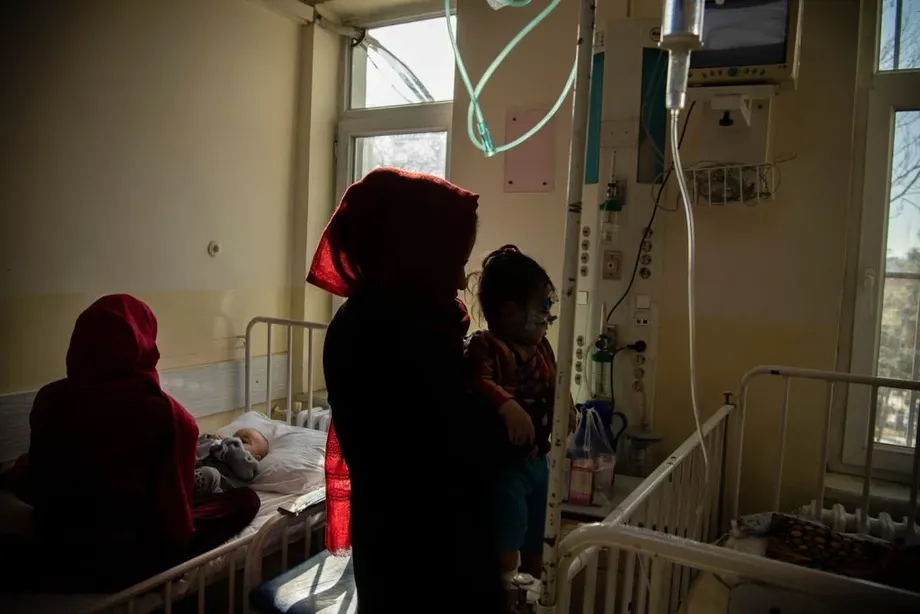
About four in 10 surveyed workers reported reduced availability of maternal and child health services. Some 43.8% described conditions for providing care as worse or much worse than before the Taliban takeover, while 30.2% said changed working conditions harmed their ability to provide quality care.
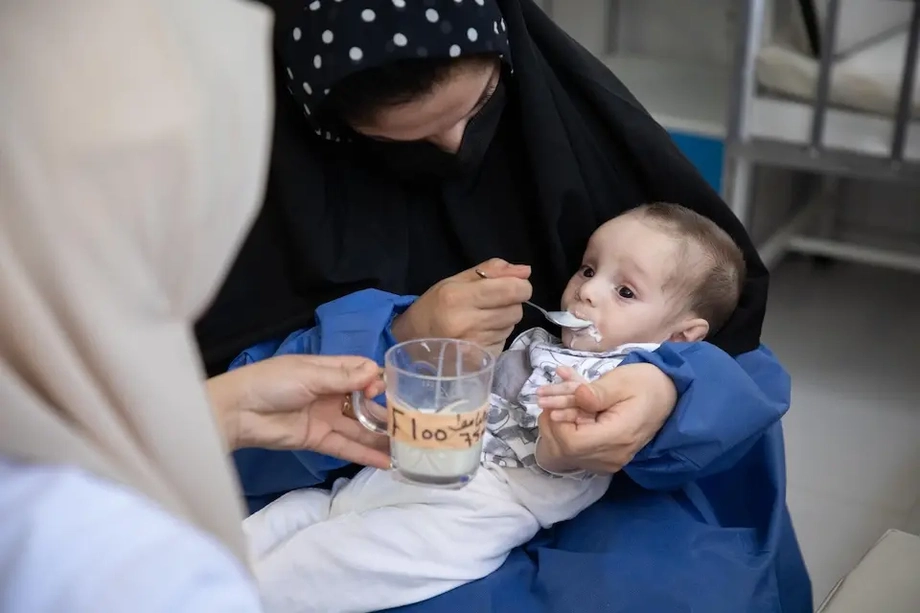
Workers also described growing pressure from illness. In the survey, 26.2% reported increased obstetric and newborn complications, and 57.1% reported increased child malnutrition. Obstetric complications are serious problems during pregnancy or childbirth, including conditions that require rapid treatment.
The interviews put practical detail behind those percentages. Researchers described a facility without a trained midwife and accounts of staff struggling to help patients without essential medicines. A building that remains open can still offer very limited care if the right worker or treatment is missing.
For pregnant women, these problems can accumulate during a single journey: finding transport, securing permission or accompaniment, reaching a facility and discovering whether anyone there can provide the necessary care. Remote communities face particular pressure because hospitals and other services are harder to reach.
Afghanistan had made substantial gains
Afghanistan's earlier health record shows the scale of progress now at risk. The 2023 study cited a fall in maternal mortality from approximately 1,450 deaths per 100,000 live births in 2000 to 638 in 2017, a reduction of about 56%.
Those gains accompanied sustained investment in health services, recruitment and training of midwives, and cooperation between Afghan institutions, international donors and organizations delivering care. More than 2,000 health facilities were functioning before the August 2021 change in government.
The study also cited a decline in infant mortality from 88 deaths per 1,000 live births in 2001 to 45 in 2020. Deaths among children younger than five fell from 125 per 1,000 live births to 58 over the same period.
Access remained unequal. More than a third of women gave birth without a skilled health attendant in 2018, according to evidence cited by the researchers. Rural women faced barriers involving poverty, transport, permission to seek care and inadequate facilities.
The later WHO estimate of 620 maternal deaths per 100,000 live births and the study's figure of 638 for 2017 both describe a high burden, although they refer to different estimates and periods. The latest restrictions arrive in a health system that still needed more trained staff even after years of improvement.
Training a midwife supports more than one patient
The Swedish Committee for Afghanistan said it helped train 450 midwives before the Taliban returned to power in 2021. Its work illustrates the investment required to build a workforce that can serve women through pregnancy and childbirth.
A midwife provides skilled care during pregnancy, supports childbirth, cares for mothers and newborns, and recognizes when a patient needs additional medical help. Maintaining that workforce requires a continuing flow of students into training, supervised practice and employment.
The committee, an organization with experience supporting Afghan health care, described the medical education ban in stark terms:
"Without a new generation of trained female healthcare workers, countless lives will be at risk," the organization warned.
The UN estimate that Afghanistan needs another 18,000 midwives describes a shortage that already exists. Stopping new students from qualifying adds pressure as existing workers leave their jobs, move away or retire. Communities without a midwife have fewer prospects of gaining one, while busy facilities have fewer potential recruits.
Money and medicines are part of the same crisis
Health workers in the 2023 study described financial disruption alongside Taliban restrictions. After the takeover, changes in donor funding, sanctions and banking constraints interrupted the flow of money into a system heavily dependent on outside support.
Although 89.8% of surveyed workers had received some salary since August 2021, 57% said they had received half or less of the pay owed to them. Irregular wages affected workers' ability to support their families and made continued employment harder.
Essential medicines were also becoming scarcer: 46.6% of respondents reported a decline in availability. Interviewees described the distress of trying to care for seriously ill patients without the supplies they needed.
The researchers recorded emergency international support for hospitals and primary care facilities, including funding through United Nations agencies and humanitarian organizations. They also described uncertainty when projects depended on approval and financing from month to month.
Reopening education would allow women to resume training. Reliable salaries, medicines, functioning facilities and safe travel would help turn that training into accessible care. Patients need those parts of the service to work together.
Calls for reversal focus on education and treatment
The Swedish Committee for Afghanistan urged the Taliban to reverse the ban immediately and invest in female medical education. It also called for international support for Afghan women working in health care.
The European Union called for the restrictions to be reversed and for equal access to education and basic health care. Germany's then foreign minister, Annalena Baerbock, condemned the decision and pledged support for Afghan women.
The practical stakes are immediate for students whose courses have stopped and longer lasting for the patients they might have treated. A woman prevented from finishing a nursing or midwifery qualification loses an employment opportunity; a community waiting for skilled staff loses a potential caregiver.
Afghanistan's maternal care crisis now combines an existing shortage with restrictions on who can train, who can travel and who can receive treatment. Restoring the route into medical work would address one central pressure. Keeping women safe on the journey to a clinic, whether as workers or patients, is another.
Key Points
- Taliban restrictions on women's medical training threaten the future supply of nurses and midwives.
- The UN estimates Afghanistan needs an additional 18,000 midwives.
- A cited WHO estimate puts maternal mortality at 620 deaths per 100,000 live births.
- Research published in 2023 documented unsafe travel, harassment, irregular pay and shortages of essential medicines among surveyed health workers.
- Restrictions on male clinicians treating women, alongside requirements for male accompaniment, create further barriers to care.
- Aid organizations and international officials have called for the training restrictions to be reversed.