Funding gaps leave remote communities farther from care
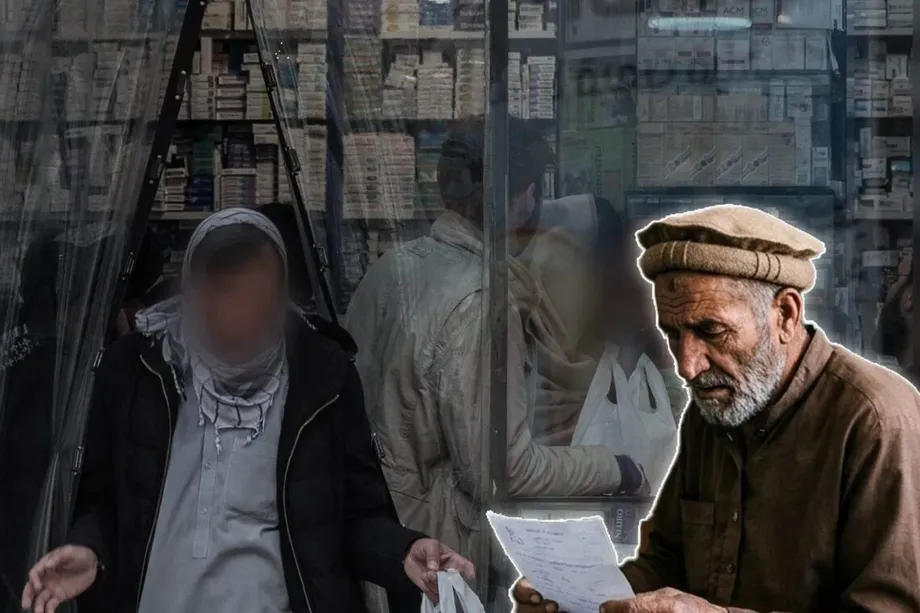
Health facilities across Afghanistan are reducing services or closing because money is running out, the United Nations Office for the Coordination of Humanitarian Affairs (OCHA) warned on November 1, 2026. With only about 33% of a $1.71 billion humanitarian appeal funded, aid agencies face growing pressure to keep medical care within reach of communities already struggling to meet basic needs.
Contents
- Funding gaps leave remote communities farther from care
- What the funding figures mean
- Earlier closures show the scale of lost access
- Why location matters for patients
- Mothers and children face overlapping risks
- Measles figures reveal gaps in protection
- How the warnings developed
- What sustained support would protect
- Key Points
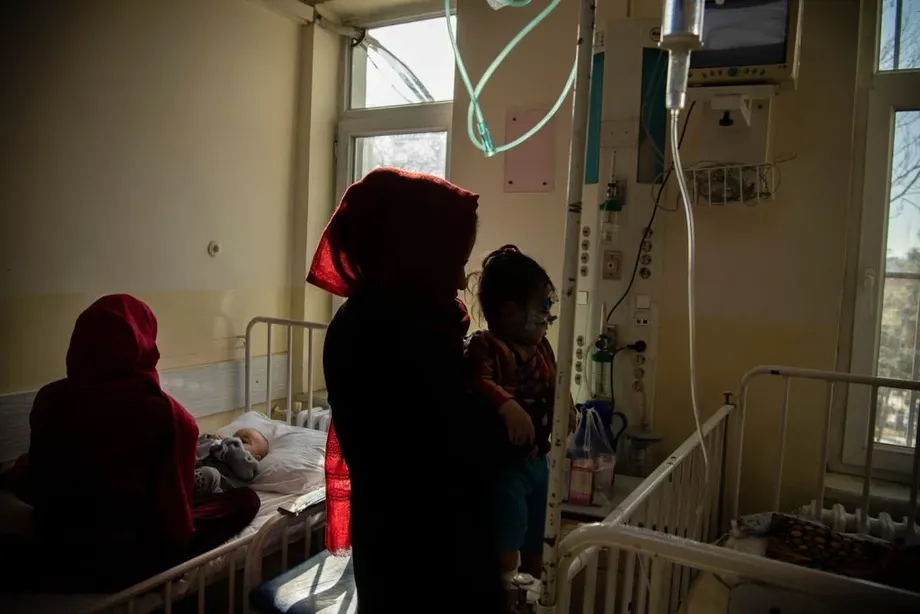
Olga Cherevko, OCHA's representative in Afghanistan, described the consequences during a visit to a hospital in Badakhshan, a northeastern province where reaching treatment can involve long and dangerous travel. She said funding shortages were forcing facilities across the country to cut services or stop operating.
Cherevko explained how those closures affect people living far from a functioning clinic:
"In remote areas of Afghanistan, reaching a healthcare facility can sometimes mean that the journey will turn into a lengthy and dangerous one," she said.
Humanitarian partners are working to provide care in more accessible locations, according to OCHA. Yet those efforts remain insufficient, and the agency says regular, predictable funding is needed to sustain essential services, protect mothers and improve children's health. Emergency treatment, it warned, cannot wait for the next funding round.
The latest warning follows documented closures in 2025, when the World Health Organization (WHO) recorded 167 facilities shutting down across 25 provinces. The continuing financial pressure now sits alongside the closure of nutrition centres and an OCHA warning that more than four million infants and children younger than six will need treatment for acute malnutrition in 2027.
For families, the immediate problem is practical: when nearby services disappear, obtaining care means reaching another facility, often through the same difficult conditions that made a local clinic essential.
What the funding figures mean
The UN estimates that nearly 22 million people in Afghanistan, almost half the population, will need humanitarian assistance in 2026. Its $1.71 billion appeal covers a broad emergency response, including healthcare, food, nutrition support and shelter.
At approximately 33% funding, the appeal has received roughly $564 million, leaving about $1.15 billion unmet. Those amounts are approximate because the reported funding percentage is rounded. Put simply, about one dollar has been secured for every three dollars requested.
OCHA has also described its appeal as aiming to assist 17.5 million vulnerable people. That target is about 4.5 million below the nearly 22 million people estimated to need help. The first figure describes the intended reach of the response; the larger figure describes the scale of humanitarian need.
Healthcare providers therefore face financial pressure within a much wider emergency. Economic hardship, recurring natural disasters, restrictions imposed by the Taliban on women and girls, declining international assistance and the return of Afghans from neighbouring countries are all contributing to demand for support.
Earlier closures show the scale of lost access
WHO's March 2025 statement provides a detailed measure of the earlier damage. By March 4 that year, funding shortages had closed 167 health facilities, cutting off access to lifesaving medical care for 1.6 million people across 25 provinces.
The agency warned that more than 220 additional facilities could close by June 2025, potentially leaving another 1.8 million people without primary healthcare. Primary healthcare is the everyday care people usually seek first, including basic treatment, vaccination and services for mothers and children.
Together, the people already affected and those facing possible loss of access amounted to 3.4 million. WHO also warned that 80% of the essential healthcare services it supported were at risk. Its warning concerned the services receiving WHO support, a specific part of Afghanistan's health system.
The November 2026 warning gives no updated national closure total or outcome for the facilities threatened in 2025. The 167 closures remain a dated count, while the additional closures were a forecast tied to funding available at that time.
Why location matters for patients
Northern, Western and Northeastern Afghanistan were the worst affected regions in WHO's March 2025 assessment. More than a third of health centres there had shut down. Badakhshan, where Cherevko delivered the latest warning, lies in the northeast.
OCHA's account connects the funding problem to distance. A service may continue elsewhere, but a family still needs to reach it. For someone in a remote community, losing the closest facility can turn seeking treatment into a lengthy and dangerous journey.
Humanitarian partners are trying to keep care available in locations people can reach more easily. OCHA says sustained funding is essential to keeping those services close to where people live. That matters particularly when illness or childbirth requires urgent attention.
The effects extend beyond the immediate medical emergency. When local services shrink, routine appointments and preventive care also become harder to obtain. WHO's earlier warning specifically identified missed vaccinations and unsafe childbirth among the consequences of closures.
Mothers and children face overlapping risks
Dr Edwin Ceniza Salvador, WHO Representative and Head of Mission in Afghanistan, described the human cost in the March 2025 statement:
These closures are not just numbers on a report, they represent mothers unable to give birth safely, children missing lifesaving vaccinations, entire communities left without protection from deadly disease outbreaks," said Dr Salvador. "The consequences will be measured in lives lost.
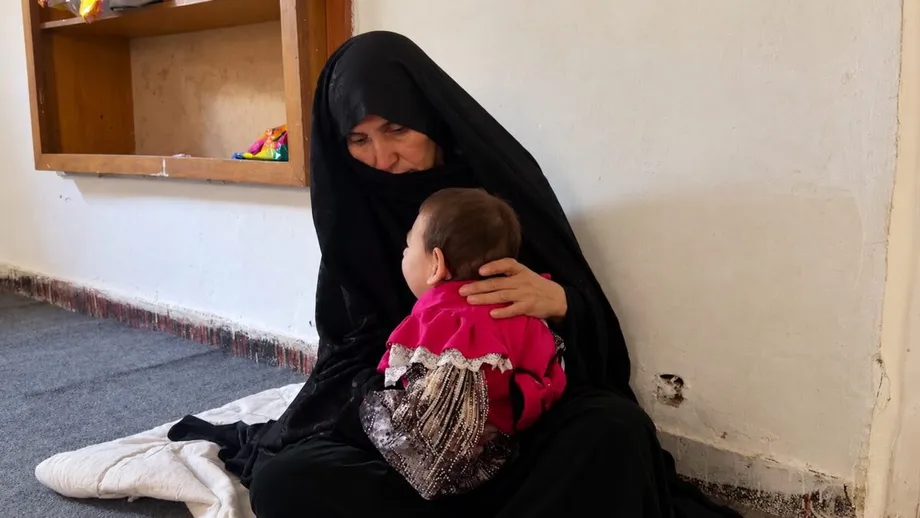
OCHA's November 2026 warning returns to the same priorities: protecting mothers and giving children a healthier start in life. Predictable funding allows providers to maintain services over time, including care needed before an emergency develops.
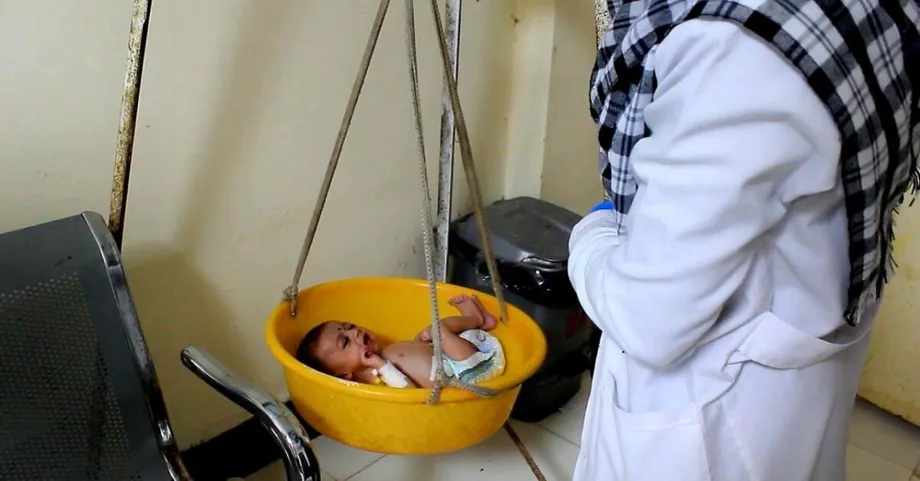
Nutrition services are also contracting. According to OCHA, a third of Afghanistan's nutrition centres have closed because of funding shortages, even as concerns grow about food insecurity and malnutrition.
The agency expects more than four million infants and children younger than six to need treatment for acute malnutrition in 2027. Acute malnutrition means a child has become dangerously thin or developed swelling associated with severe nutritional deprivation. It can leave children weaker and more vulnerable to illness, making access to treatment especially urgent.
For a child who needs both nutritional treatment and medical attention, the loss of either service adds another obstacle. The simultaneous pressure on health facilities and nutrition centres makes maintaining accessible care a central concern.
Measles figures reveal gaps in protection
Afghanistan was already confronting several disease outbreaks when WHO issued its March 2025 warning. The agency listed measles, malaria, dengue, polio and Crimean-Congo haemorrhagic fever among the health emergencies challenging the country.
More than 16,000 suspected measles cases and 111 deaths were reported during the first two months of 2025. WHO identified the national disease surveillance system as the source of those figures.
Vaccination coverage was also low. Citing the Afghanistan Multiple Indicator Cluster Survey for 2022/2023, WHO reported measles vaccine coverage of 51% for the first dose and 37% for the second. The second dose figure was 14 percentage points below the first.
Measles spreads easily, and vaccination helps protect children before they encounter the virus. A second dose gives another opportunity for protection to children who did not develop immunity after the first. Maintaining vaccination services is therefore part of preventing future medical emergencies.
WHO warned that facility closures make controlling outbreaks harder. It also said disruptions to its coordination work were preventing health partners from tracking disease, directing resources and delivering essential services. Keeping clinics open and maintaining disease surveillance are connected parts of the response.
How the warnings developed
The dated figures show an emergency extending across more than one funding cycle. WHO's early closure count, its forecast of further losses and OCHA's latest warning describe successive stages of pressure on services.
- January and February 2025: Afghanistan recorded more than 16,000 suspected measles cases and 111 deaths.
- March 4, 2025: WHO recorded 167 facility closures affecting 1.6 million people across 25 provinces.
- March 17, 2025: WHO warned that more than 220 additional facilities could close by June, putting care for another 1.8 million people at risk.
- November 1, 2026: OCHA warned that funding shortages were continuing to force reductions and shutdowns, with about 33% of the humanitarian appeal funded.
- 2027: OCHA expects more than four million infants and children younger than six to need treatment for acute malnutrition.
WHO's statement, also published by the UN in Afghanistan, warned that reduced donor funding threatened years of work to strengthen healthcare. OCHA's later appeal places the emphasis on continuity: keeping essential care available instead of allowing urgent needs to accumulate between funding rounds.
What sustained support would protect
OCHA is calling for funding that is both sufficient and predictable. The distinction matters for services that must remain available every day. A mother needing urgent childbirth care or a child requiring treatment cannot schedule that need around the arrival of a grant.
WHO said some donors continued to support Afghanistan's health sector in 2025, but assistance had fallen as development aid priorities shifted. Its warning covered both immediate suffering and lasting damage to health infrastructure.
The concrete priorities across the UN warnings are consistent: keep basic medical care within reach, maintain maternal and child health services, preserve vaccination and nutrition treatment, and sustain the ability to detect disease outbreaks. With roughly two thirds of the 2026 appeal still unfunded, agencies are struggling to maintain those services while humanitarian needs remain extensive.
Key Points
- OCHA warned on November 1, 2026, that funding shortages were forcing Afghan health facilities to reduce services or close.
- About 33% of the UN's $1.71 billion humanitarian appeal had been funded, leaving approximately $1.15 billion unmet.
- WHO recorded 167 facility closures affecting 1.6 million people by March 4, 2025.
- Remote communities face long and dangerous journeys when nearby healthcare disappears.
- A third of nutrition centres have closed, according to OCHA, while more than four million young children are expected to need acute malnutrition treatment in 2027.
- The UN agencies say sustained funding is needed to protect urgent care, maternal health, vaccination and nutrition services.