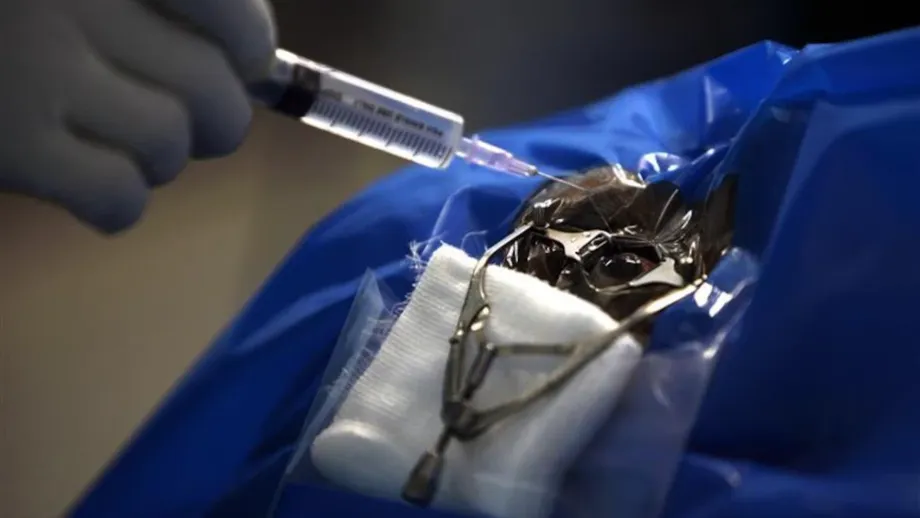
More than 150 operations, then a halt
A charitable programme that enabled more than 150 corneal transplants in Afghanistan has been suspended after doctors received a verbal Taliban order to stop the procedures. Hospitals in Kabul and Jalalabad have halted treatment, leaving patients with injuries from explosions and workplace accidents waiting for surgery that could restore their sight.
Contents
- More than 150 operations, then a halt
- What the hospitals were told
- How a corneal transplant can restore sight
- A programme built on donated tissue and training
- Patients had already been given surgery plans
- The organ trading law and the donation question
- An Islamic ruling permits transplantation under conditions
- Seeking care across the border is also difficult
- Key Points
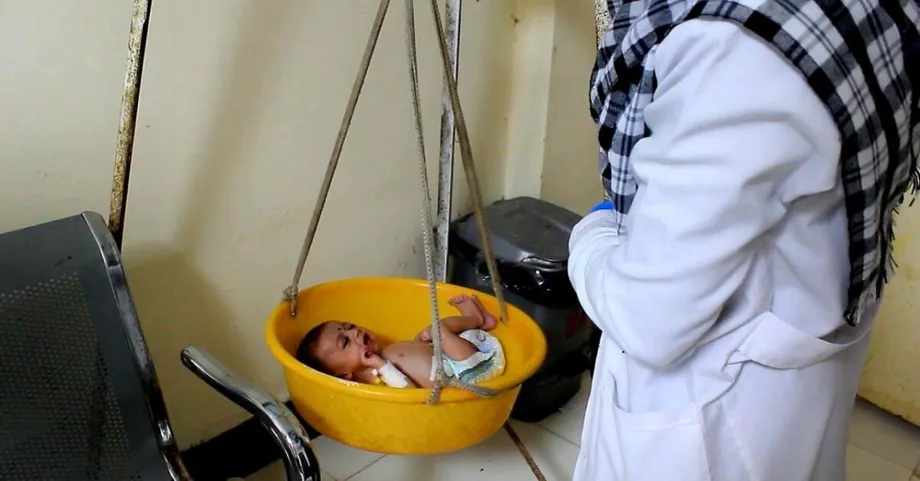
At Noor Eye Hospital in Kabul, Dr Noor Zaman Hashim, who heads the transplant team, said doctors had performed 90 operations in recent months before the suspension. The hospital's waiting list was growing, with young people making up most of those seeking treatment after injuries involving blasts, physical trauma and welding accidents.
The programme used donated corneas and provided treatment free of charge. Its suspension has interrupted both access to donated tissue and an effort to build Afghanistan's capacity to perform the operations: three Afghan ophthalmologists had received training in Peshawar, Pakistan.
Doctors said the instruction was based on religious objections to transplantation. A Taliban law prohibits buying and selling human organs, while the charity says its corneas came through voluntary donation. The central issue for patients is whether authorities will allow donated tissue to be used for medical treatment.
What the hospitals were told
Hashim described an instruction delivered verbally, with consequences serious enough to stop his team from continuing. The programme at Jalalabad Eye Hospital, in eastern Afghanistan, also closed following a Taliban directive.
Hashim, the head of Noor Eye Hospital's transplant team, explained why doctors had complied:
"Nobody has the courage to defy their orders because of the risk of severe punishment," he said.
The identity of the official who authorised the suspension, its precise written basis, whether donated tissue is covered by the organ trading prohibition, and a date for restarting surgery have not been made clear. For patients already registered, the immediate result is an indefinite wait.
How a corneal transplant can restore sight
The cornea is the clear front layer of the eye. Light passes through it before reaching the structures inside that allow a person to see. When injury or disease leaves the cornea badly scarred or damaged, light can no longer pass through properly, and vision may become severely impaired.
A corneal transplant replaces damaged tissue with donated tissue. The operation treats the cornea rather than replacing the whole eye. Whether it can restore a particular patient's sight depends on the condition of the rest of the eye as well as the damage to its front surface.
In Afghanistan, doctors described a strong need among people injured in explosions, accidents and years of conflict. Welding injuries were among the causes on Noor Eye Hospital's waiting list, showing that demand also comes from people hurt while working.
Hashim said the hospital was already operating with shortages of specialists and tissue before the order arrived:
"Decades of violence have devastated Afghanistan's healthcare infrastructure. We neither have sufficient ophthalmologists nor locally available corneas to meet the demand for transplants," he said.
For patients, the charity programme brought together resources that were difficult to obtain locally: donated corneas, trained surgeons and treatment without a bill. The suspension stops that route to care even where a hospital has staff able to perform the procedure.
A programme built on donated tissue and training
The Association of Physicians of Pakistani Descent of North America (APPNA), a charitable organisation based in the United States, supported the expansion into Afghanistan. Its cornea programme has supplied free tissue for transplants in Pakistan since 2017.
Dr Fawad Zaffar, who leads APPNA's cornea programme and heads the Zaffar Meer Foundation in the United States, said around 10,000 people had benefited from the Pakistan programme. More than 150 operations had taken place following the expansion into Afghanistan.
Zaffar described how recently the Afghan work had begun:
"About four months ago, we expanded the programme to Afghanistan, where hundreds of people needed corneal transplants. However, the Taliban's directives have severely disrupted the programme," he said.
Three Afghan ophthalmologists were trained in Peshawar to perform the procedures. That training gave local doctors the skills to use donated tissue in Afghanistan, rather than requiring every patient to seek surgery abroad.
The Pakistan programme's roughly 10,000 beneficiaries reflect work dating to 2017; Afghanistan's more than 150 operations came during a much shorter initial period. The figures show the different stages of the two programmes: an established service in Pakistan and a newly expanded service in Afghanistan that stopped within months.
Patients had already been given surgery plans
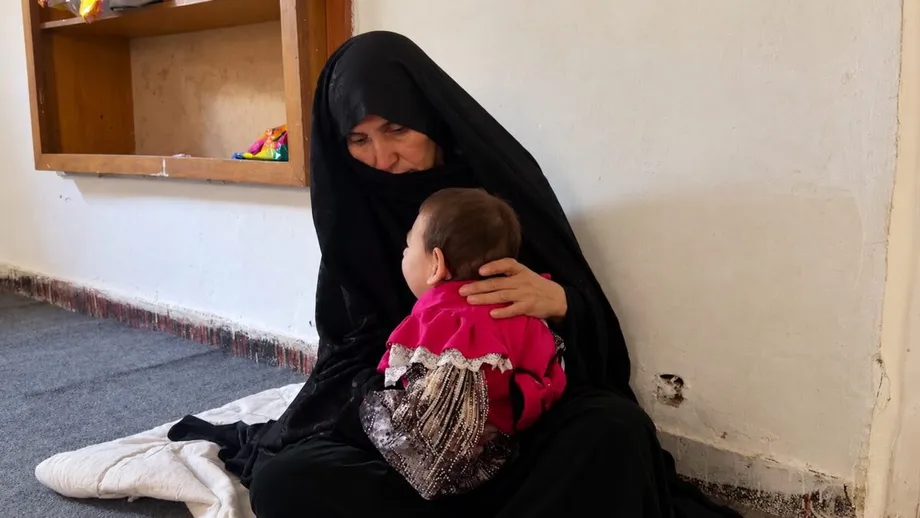
Salamat Khan, a sugarcane juice vendor in Kabul, lost his sight in a gas cylinder explosion in 2023. He learned about the free transplant programme from someone who had benefited from it and approached the hospital hoping that he, too, could receive treatment.
Khan said doctors had planned an operation for September, before he learned that the programme had stopped in August. He described the cancellation:
"I heard about the free programme from someone who had benefited from it and visited the hospital. Doctors told me they would operate on me in September, but I was shocked when they informed me that the programme had been stopped in August," he said.
Khadija Begum, 40, suffered an eye injury in an explosion in Jalalabad. She said she had registered at Jalalabad Eye Hospital two months before describing her situation, and had been told the following month that the programme had closed under a Taliban instruction citing Islamic teachings.
Both patients had moved beyond searching for help: they had registered with hospitals, and Khan had been given a planned month for surgery. The closure interrupted a concrete course of treatment they were expecting to receive.
The main stages described by patients and programme organisers were:
- 2017: APPNA began providing free corneas for transplantation in Pakistan.
- 2023: Khan lost his sight in a gas cylinder explosion.
- About four months before Zaffar's account: APPNA expanded the programme into Afghanistan.
- August, in Khan's account: the Afghan programme stopped.
- September, in Khan's account: his planned operation could no longer go ahead.
The organ trading law and the donation question
Article 18, clause 7 of the Taliban's Law on the Promotion of Virtue prohibits buying and selling human organs. The provision names kidneys, livers and eyes, as well as hair. The Ministry for the Promotion of Virtue and Prevention of Vice had previously announced restrictions on such trade.
Commercial organ transactions and voluntary donation involve different arrangements. In a sale, someone receives payment for an organ or tissue. In the Afghan cornea programme, the tissue was donated and patients received free treatment, according to the organisers.
The background to the trading prohibition includes accounts of poor people selling kidneys for small sums and later experiencing illness or physical disability. Kidney sales had become a concern in Herat, where a private hospital performed transplants. Kidney transplantation was also reported to have stopped under the law.
APPNA's appeal concerns permission to continue a programme supplied through donations. For its patients, the practical question is whether hospitals can resume those operations while a prohibition on organ sales remains in place.
An Islamic ruling permits transplantation under conditions
The International Islamic Fiqh Academy addressed organ transplantation in Resolution No. 26, adopted at its fourth session in Jeddah, Saudi Arabia, held from February 6 to 11, 1988. The resolution expressly includes tissues, cells, blood and the cornea within its discussion of human organs.
The academy's ruling permits certain transplants under specified conditions and identifies preserving sight as a basic bodily function relevant to treatment. It also prohibits buying and selling human organs.
Under its sixth provision, an organ may be transferred from a deceased person when a recipient's life or an essential bodily function depends on it, provided the donor consented before death or the heirs give permission afterward. Where the deceased is unidentified or has no heirs, the resolution requires approval from the Muslim authority.
Another provision permits using a cornea from an eye removed because of disease for transplantation to another person. The resolution prohibits removing both corneas from a living donor because doing so would destroy that person's sight.
The academy left some questions for further examination, including cases where donation would partly impair an essential function in a living donor. Its framework combines permission for certain medical uses with consent requirements, protection of donors and a ban on organ sales.
Seeking care across the border is also difficult
Pakistan was central to the Afghan programme: its hospitals provided the setting for training three Afghan ophthalmologists, and APPNA's existing work there supplied the experience behind the expansion. For Afghan patients, however, reaching treatment in Pakistan was also constrained by a reported closure of the land border between the two countries.
The border closure limited an alternative at the same time that domestic hospitals were stopping operations. Patients who might otherwise have considered travelling by road faced another barrier to obtaining specialist care.
APPNA has urged the Taliban to allow corneal transplants to resume. Doctors say hundreds of people need the procedure, while the hospital accounts describe a growing waiting list. The programme had already brought donated tissue and newly trained surgeons together; permission to operate is now the immediate obstacle facing those registered for treatment.
Key Points
- A verbal Taliban order halted corneal transplant programmes in Kabul and Jalalabad.
- APPNA supported more than 150 operations in Afghanistan, including 90 described by Noor Eye Hospital's transplant team.
- The programme used donated corneas and provided free treatment.
- Three Afghan ophthalmologists received training in Peshawar.
- Patients including Salamat Khan and Khadija Begum remain waiting after their treatment plans were interrupted.
- The Taliban's organ trading prohibition and the use of voluntarily donated tissue are central to the dispute.
- APPNA has called for operations to resume; no restart date has been announced.