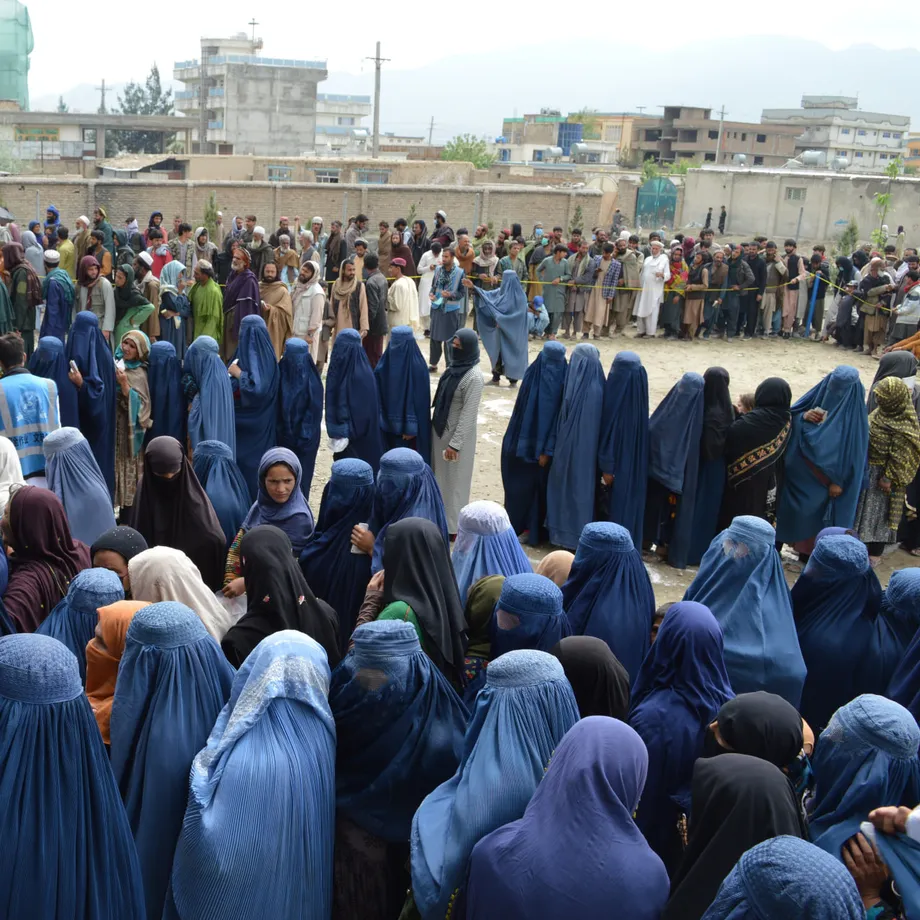
Winter hunger and a growing treatment crisis
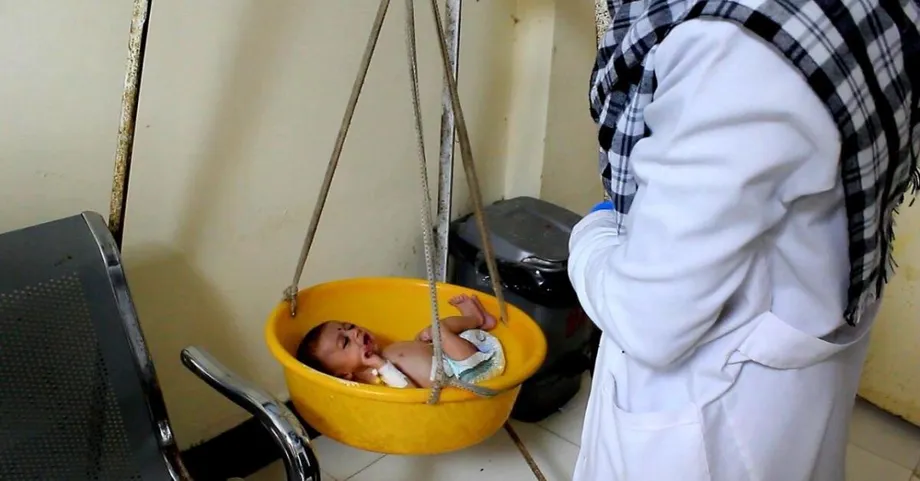
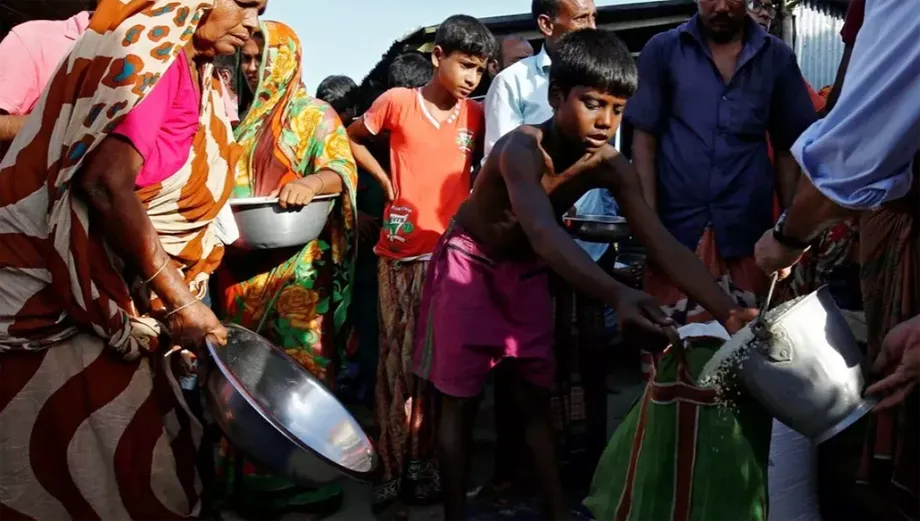
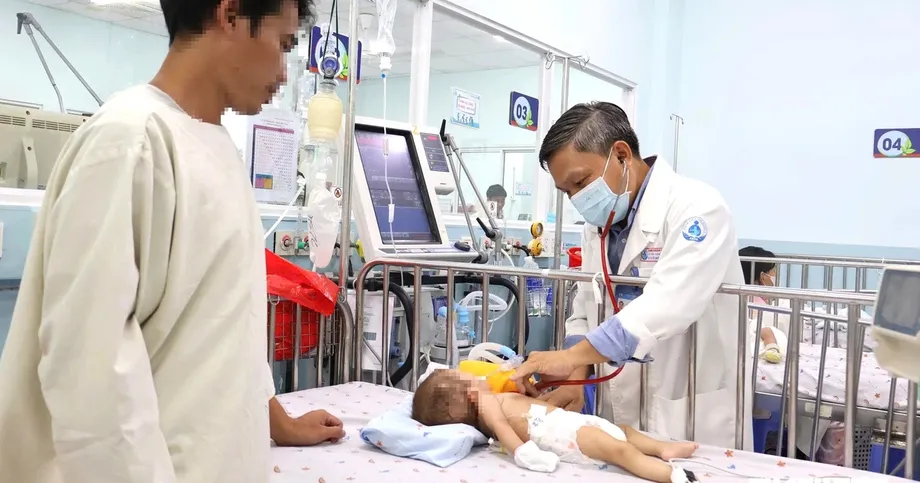
Afghanistan is heading into a winter when 19.2 million people, or 38 percent of the population, are projected to face crisis levels of hunger or worse, while approximately one third of nutrition treatment sites have closed or suspended services. An estimated 4.04 million children aged 6 to 59 months will need treatment for acute malnutrition during 2027.
Contents
- Winter hunger and a growing treatment crisis
- How much worse will hunger become?
- Why a stronger harvest has not protected everyone
- More children face the most dangerous malnutrition
- Two seasonal peaks demand different responses
- Disease and unsafe water deepen the damage
- Returns, border disruptions and restrictions on women
- Funding cuts are shrinking food aid and access
- Finding children early and protecting the next harvest
- Key Points
The Integrated Food Security Phase Classification (IPC), in its Afghanistan food security snapshot published on October 15, 2026, projects that five million people will face Emergency conditions between November 2026 and April 2027. That is an increase from 3.4 million in September and October, despite improved rainfall and a strong cereal harvest.
Afghan families face two connected pressures that peak at different times. Hunger is expected to intensify during winter as farm work and incomes decline. Acute malnutrition is projected to become more severe again between April and July 2027, when disease, poor diets and reduced access to healthcare combine to put children at greater risk.
Humanitarian capacity is shrinking as both threats grow. The World Food Programme (WFP) says current resources allow it to assist two million people a month, down from four million last winter. Its funding requirement is US$540 million through January 2027.
The IPC records the highest acute malnutrition levels measured for an August to October period. UNICEF and Action Against Hunger also describe the projected treatment needs for 2027 as the highest in five years. For families, the consequences extend from finding enough food today to keeping children healthy through the next harvest.
How much worse will hunger become?
The IPC estimates that 15.9 million people faced Crisis conditions or worse in September and October 2026, representing 32 percent of the population. That total includes 12.5 million in Crisis, or Phase 3, and 3.4 million in Emergency, or Phase 4.
Phase 3 means households face serious food shortages or must sacrifice essential assets and spending to meet their food needs. Phase 4 describes more severe shortages, with a greater risk of acute malnutrition, deaths and the loss of livelihoods. Families in these categories need urgent assistance.
The winter projection of 19.2 million represents 3.3 million more people than the September and October estimate. It is also 1.8 million above the 17.4 million projected for the same winter period a year earlier, an increase of about 10 percent.
FAO and WFP say the five million people projected in Phase 4 are double the number forecast for April to September 2026. UNICEF's August update used a figure of 2.9 million for that earlier period. The latest IPC projection puts roughly one person in ten nationwide in Emergency conditions during the coming winter.
Seven areas face the most severe projected classifications: Badakhshan, Badghis, Daykundi, Ghor, Samangan, Sar-e-Pul and rural Ghazni. Across the country, 44 of the 47 geographical units assessed were already classified in Phase 3 during the current analysis period, showing how widely the pressure is spread.
Why a stronger harvest has not protected everyone
Favourable rainfall helped Afghanistan produce a strong cereal harvest in 2026 and supported pasture recovery. Farming households benefited from better growing conditions and seasonal employment. Families without land or dependable jobs had fewer ways to share in those gains.
Food can be available in a market while remaining too expensive for a household to buy. Unemployment, weak purchasing power and rising transport and production costs are keeping nutritious diets out of reach. Winter will further reduce agricultural work, leaving labourers with less income just as travel becomes harder.
Richard Trenchard, FAO's representative in Afghanistan, explained the problem in the agencies' joint October statement:
This year's strong harvest shows what Afghan farmers can achieve. But for a parent with no steady income, nutritious food in the market can still be out of reach for their family.
Farmers also face expensive fertiliser and other supplies alongside low crop prices. Poorer producers may plant less or use fewer inputs, weakening the next harvest. FAO and WFP say anticipated El Niño conditions could bring helpful rainfall, but wetter weather also carries risks of flooding, erosion and crop and livestock disease.
More children face the most dangerous malnutrition
The 2027 treatment forecast includes approximately 1.09 million children with severe acute malnutrition, up 16 percent from 942,000 in 2026. Nearly 2.95 million more are expected to have moderate acute malnutrition, up from 2.74 million. Severe cases account for roughly 27 percent of the projected total.
Acute malnutrition can involve wasting, when a child becomes dangerously thin for their height. Affected children are more vulnerable to illness and developmental delays, and severe cases can be fatal without treatment. The moderate caseload includes 824,000 children classified as being at high risk and about 2.13 million with early moderate acute malnutrition.
UNICEF and Action Against Hunger, which chair and co-chair the Afghanistan Nutrition Cluster, say the number of provinces at Critical malnutrition levels is projected to rise from seven in 2025 to ten in 2026 and fourteen in 2027. Their joint malnutrition warning calls for sustained investment in prevention and treatment.
Nearly 1.27 million pregnant or breastfeeding women are also projected to need treatment in 2027, compared with 1.19 million in 2026. The IPC separately estimates that 3.9 million children aged 6 to 59 months are stunted, meaning their growth has been restricted over time. Repeated episodes of wasting can contribute to this lasting damage.
Pressure is already visible in treatment services. UNICEF and its partners screened 1.3 million children in August and admitted 111,099 for malnutrition treatment, including 58,891 with severe wasting. A further 42,915 children were identified as being at high risk of moderate wasting.
Two seasonal peaks demand different responses
Afghanistan's hunger and nutrition calendars create a difficult sequence for aid agencies. Food shortages are expected to peak during the winter lean season, when household supplies and work opportunities diminish. Malnutrition is projected to worsen again in spring and early summer, even as harvesting and employment help some families obtain more food.
The IPC sets out the following periods for action:
- August to October 2026: Ten provinces face Critical acute malnutrition conditions and eleven face Serious conditions.
- November 2026 to April 2027: Acute food insecurity is projected to affect 19.2 million people at Crisis level or worse, including five million in Emergency.
- April to July 2027: Fourteen provinces are projected to face Critical malnutrition conditions and fifteen Serious conditions, leaving 29 of 34 provinces needing urgent action.
- May to September 2027: Seasonal improvement is expected to reduce Crisis level hunger or worse to 15.3 million people, or 30 percent of the population analysed.
Children can lose nutritional strength after months of inadequate food, while infections can accelerate the decline. The IPC identifies southern provinces and parts of the north and east as particular nutrition hotspots. Its priorities include Uruzgan, Helmand, Nuristan, Sar-e-Pul, Daykundi, Zabul, Kandahar and Baghlan.
Agencies therefore face overlapping deadlines: deliver food and agricultural supplies before winter restricts access, then protect treatment, vaccination and water services ahead of the next seasonal rise in malnutrition.
Disease and unsafe water deepen the damage
Only one in three children aged 6 to 24 months receives the combination of nutritious foods needed for healthy growth, according to UNICEF and Action Against Hunger. Poor diets leave children vulnerable, while repeated illness makes it harder for their bodies to retain and use nutrients.
By August 2026, the IPC records about 3.3 million diarrhoea cases, including 2.6 million cases of acute watery diarrhoea and 721,000 of dysentery. It also lists 26,141 measles cases, 36 polio cases and 493 cholera cases. Vaccination coverage of around 60 percent leaves substantial room for preventable infections to spread.
Water insecurity affects 47 percent of households, while poor water quality affects 38 percent. Diarrhoea can cause rapid losses of fluid and nutrients, creating particular danger for a child who is already poorly nourished. The IPC notes that seasonal increases in acute watery diarrhoea coincide with higher admissions for severe acute malnutrition.
Dr. Tajudeen Oyewale, UNICEF's representative in Afghanistan, called for dependable support across connected services:
What is needed now is sustained, predictable investment to keep nutrition, health and WASH services within reach of the children and families who need them most.
WASH means water, sanitation and hygiene. In practice, the response includes safe drinking water, facilities for sanitation, hygiene measures, vaccination and prompt treatment of illness, alongside adequate food. The IPC recommends concentrating disease prevention in crowded communities, areas receiving returnees and places where diarrhoea outbreaks overlap with malnutrition peaks.
Returns, border disruptions and restrictions on women
More than 1.2 million Afghans returned from Iran and Pakistan during 2026, adding demand for jobs, housing and services in communities already under pressure. Many returnees have little land, few assets and limited income opportunities. Their arrival also increases competition for casual work.
Border closures and disrupted trade with Pakistan and Iran have raised costs and complicated supply routes. FAO and WFP also cite shipping disruptions through the Strait of Hormuz. UNICEF and Action Against Hunger say border disruptions have affected essential nutrition supplies, delaying children's access to treatment commodities.
Floods, earthquakes and drought have added pressure in affected communities. These shocks reach families through damaged homes and assets, interrupted work, higher prices and greater demand on local health services.
Women face additional barriers to earning income and obtaining care. The IPC's assessment draws on Data in Emergencies Monitoring findings showing that rural households headed by women were twice as likely to experience moderate hunger as those headed by men, at 36 percent compared with 18 percent.
Human rights monitoring by the UN Assistance Mission in Afghanistan recorded women being blocked from clinics and markets without a male guardian. Between July and September, the mission documented more than 50 cases involving hijab requirements, at least 443 arbitrary arrests and detentions, and 97 incidents of ill-treatment by virtue and vice inspectors. Restrictions on women's work, movement and education narrow the ways households can earn money and seek help.
Funding cuts are shrinking food aid and access
WFP's Afghanistan emergency update puts its monthly assistance capacity at two million people, half the four million supported last winter. The agency says it needs US$540 million through January 2027 to continue food and nutrition assistance.
Preventive support has already been reduced. WFP says distributions of specialised nutritious food to prevent malnutrition stopped completely in May 2025. Funding shortages also force clinics to turn away thousands of malnourished mothers and children.
The IPC's winter assumptions show how limited planned food assistance has become. Support covering about half of daily calorie needs is expected to reach only one percent of the population. For May to September 2027, the analysis assumes no confirmed humanitarian food assistance; future commitments will determine how much can actually be delivered.
Transport capacity is contracting too. WFP has reduced destinations served by the United Nations Humanitarian Air Service and ended contracts for two aircraft and the only helicopter operated by the UN in Afghanistan. These services carry aid workers to places where terrain, poor roads and insecurity make travel difficult.
The wider humanitarian appeal was also far short of its target. As of August 26, the UN's US$1.71 billion response plan for 2026 had received US$509.3 million, or 29.7 percent. WFP Country Director John Aylieff described the urgency:
We still have a window to act, but it is closing fast.
Finding children early and protecting the next harvest
Afghanistan has community systems that can identify children before their condition becomes severe. The nutrition surveillance bulletin for the second quarter of 2026 describes monitoring at 481 sites across 401 districts.
Trained community health workers collect data quarterly, measuring children's upper arms and checking for swelling. These simple checks help detect acute malnutrition. Forty percent of the workers are women. The system, established in 2023, also collects information twice a year about children's experiences of food insecurity.
Maintaining detection matters most when it leads quickly to care. The IPC recommends protecting treatment in provinces facing Serious and Critical malnutrition, expanding community delivery and keeping essential supplies available. UNICEF's August response reached families through 3,500 health facilities and 15,000 community health posts, while providing nutrition counselling to 189,350 caregivers.
Cobi Rietveld, Action Against Hunger's country director in Afghanistan, described pressure on services in Helmand in the organisation's October nutrition statement:
Real success is measured by how many children we can prevent from becoming severely malnourished in the first place.
FAO and WFP also call for seeds and other agricultural inputs to arrive before planting opportunities are missed, alongside livestock feed and veterinary care. Protecting productive assets helps families retain a source of food and income. Trenchard urges investment in processing and local agricultural businesses so that a good harvest can generate jobs as well as crops.
Key Points
- 19.2 million people are projected to face Crisis levels of hunger or worse between November 2026 and April 2027, including five million in Emergency.
- 4.04 million children aged 6 to 59 months are expected to need acute malnutrition treatment during 2027, including about 1.09 million severe cases.
- Fourteen provinces are projected to face Critical malnutrition conditions in April to July 2027, twice the number recorded in 2025.
- Better harvests are being offset by weak incomes, disease, unsafe water, trade disruption and reduced assistance.
- WFP can currently assist two million people a month, down from four million last winter, and needs US$540 million through January 2027.
- Agencies are calling for food and farming support before winter restricts access, with nutrition and disease prevention services protected ahead of the 2027 peak.