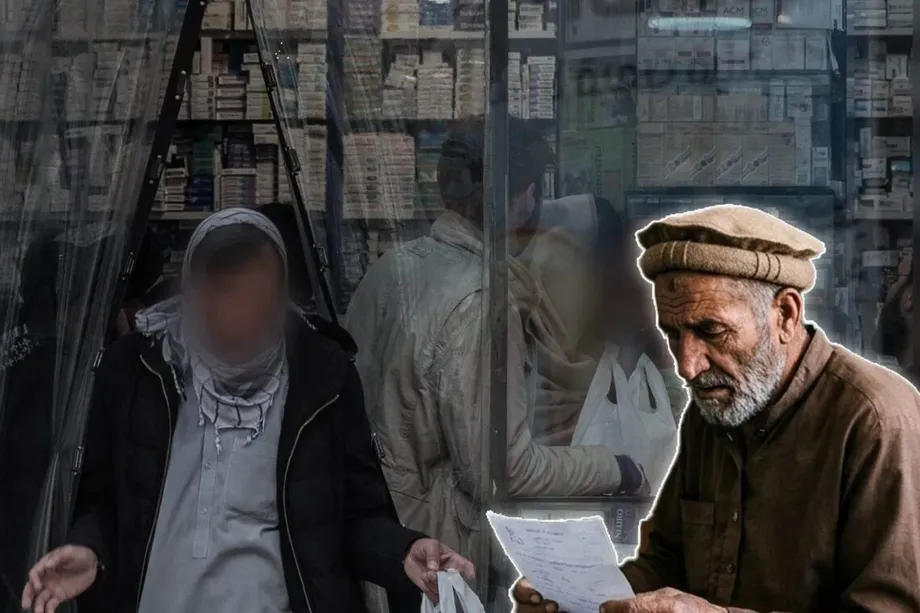
Families face medicines they cannot find or afford
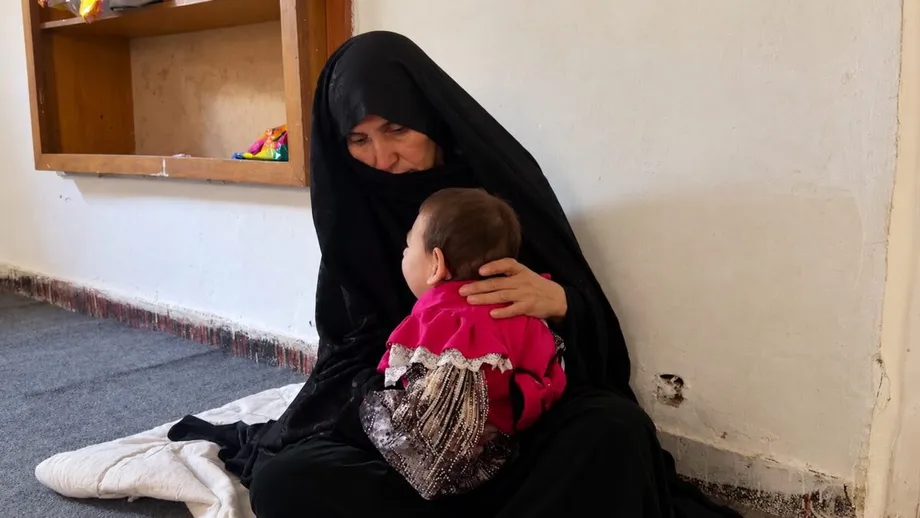
Zarmina, a resident of Afghanistan's Ghazni province, says a medicine for her son that once cost 20 afghanis now costs 180, a ninefold increase. Unable to keep paying for his heart and diabetes medicines, she first reduced his doses and then stopped his treatment altogether.
Contents
- Families face medicines they cannot find or afford
- How border tensions became a medicine crisis
- What the price increases mean for households
- Patients with chronic illnesses lose continuity of care
- Shortages extend from insulin to children's medicines
- Why traders say replacement supplies cost more
- Smuggling adds uncertainty over prices and quality
- India and other suppliers become more important
- Quality controls must reach the pharmacy counter
- Key Points
Her experience reflects complaints from patients, pharmacists and doctors across Ghazni, Kabul, Kandahar, Laghman and Herat following border closures and the Taliban's decision to halt pharmaceutical imports from Pakistan. By May 29, 2026, pharmacists in Kandahar were describing medicines that previously cost 100 to 150 afghanis selling for 300 to 400, alongside shortages of insulin, antibiotics and treatments for heart disease.
Afghanistan entered the disruption with little capacity to replace those supplies quickly. Noorullah Noori, the Taliban's director general for administrative affairs, said more than 70 percent of medicines used in the country came from Pakistan. Taliban authorities also say about 95 percent of medicines are imported, leaving domestic factories responsible for only a small share of demand.
Patients now face several pressures at once: familiar products are disappearing, replacements can cost more, and medicines arriving through unofficial routes raise concerns about storage and quality. Families already struggling with falling incomes must decide which prescriptions they can afford to fill.
How border tensions became a medicine crisis
Abdul Ghani Baradar, the Taliban's deputy leader responsible for economic affairs, announced a complete ban on Pakistani medicine imports and gave Afghan importers three months to settle debts with Pakistani companies and find alternative suppliers. He described the quality of Pakistani medicines as "poor."
The announcement came amid a wider confrontation with Pakistan. By December 6, 2025, the countries' 2,640-kilometer border had been closed for almost two months following escalating tensions and repeated fighting. Peace talks mediated by Turkey and Qatar had failed to resolve the dispute.
Pakistan accused the Taliban of sheltering militant groups, including Tehrik-e-Taliban Pakistan. Kabul rejected the accusation. For Afghan pharmacies and their customers, the resulting interruption affected a supply route that had provided much of the country's medicine.
- During Solar Hijri year 1404, corresponding to 2025–2026, Taliban authorities announced a complete halt to Pakistani medicine imports.
- By December 6, 2025, shortages were being described in Herat, while Afghan businesses were seeking replacement supplies from other countries.
- By May 29, 2026, patients and pharmacists in Kandahar were reporting continued shortages, sharply higher prices and reliance on smuggling routes.
The exact starting date of the complete medicine ban is unclear. Border closures, the import prohibition and subsequent confiscations have together disrupted the market over several months.
What the price increases mean for households
Hassan, a Kabul resident, says a blood pressure medicine he previously bought for 150 afghanis now costs 300. His diabetes medicine rose from 150 to 400 afghanis, while another medicine increased from 180 to 280.
Buying one of each of those three items would now cost 980 afghanis, compared with 480 previously, using the prices Hassan described. That is slightly more than double the earlier total, before consultation fees, transport or any other medicines are included.
Sakina, another Kabul resident, says Pakistani medicines once readily available can now be found in only a few places. Some replacements made in Kandahar have also become more expensive: products previously costing 30 to 50 afghanis now sell for about 180 to 190, she says.
Pharmaceutical importer Abdul Rahman Achakzai gave another example: a pack of quetiapine at a strength of 100 milligrams, a medicine used to treat certain mental health conditions, had risen from 80–100 afghanis to more than 200. He said an Iranian equivalent cost 10 afghanis per pack.
These household and trader accounts show how sharply costs can change for particular products. Prices also vary between pharmacies, making the search for an affordable prescription another burden for patients and relatives.
Patients with chronic illnesses lose continuity of care
Diabetes, heart disease, high blood pressure and asthma often require regular treatment over long periods. A family may manage one expensive purchase but struggle to repeat it every month, especially when several members need medicine.
Rahmatullah, a diabetic patient in Kandahar, described having to choose between medicines prescribed for him because insulin and other supplies had become harder to obtain.
I used to buy insulin cheaply, but now it is difficult to find and much more expensive. Because of financial problems, rising prices and shortages, I sometimes cannot obtain all the medicines prescribed by the doctor. Usually, I only buy the most essential ones.
Munir Ahmad, a doctor in Kandahar, said patients with chronic illnesses were among those most affected. He described affordability and availability as linked barriers to completing treatment.
When medicines are prescribed to patients, many cannot obtain what they need because of high prices and shortages.
Zarmina says doctors recommend a particular Pakistani brand for her son that she has been unable to replace. Samir, another Ghazni resident, says some medicines now available seem to have little effect even when doctors prescribe more of them. Their accounts capture the uncertainty families face when a familiar treatment disappears and a replacement feels unreliable.
Shortages extend from insulin to children's medicines
Patients and pharmacists describe difficulty obtaining Panadol, Brufen, Augmentin, amoxicillin, insulin, blood pressure medicines, intravenous fluids, children's antibiotic syrups, asthma inhalers and heart medicines. The list spans treatments for common symptoms, infections and conditions requiring continuing care.
Children's medicines have become particularly difficult for families with limited cash. Kandahar residents say wealthier households can still pay for treatment, while others cannot afford the medicines prescribed for their children.
Hassan says he searched several parts of Kabul for his mother's medicine before finding it in Bagh-e Bala. A shortage therefore adds costs beyond the pharmacy bill, including travel and time spent checking different shops.
Lina Haidari, an activist based in Herat, described a similar search in December 2025. She said she had been unable to find a dermatological ointment for almost a month and reported shortages of antibiotics, insulin and heart medication.
Taliban Health Minister Jalal Jalali said at that time that there was "no shortage of medicines" in Afghanistan. Patients and traders were describing difficulty obtaining specific products, a problem that continued in the later accounts from Kandahar.
Why traders say replacement supplies cost more
Ahmad Shah Mozamil, a pharmaceutical importer, attributes rising prices chiefly to Taliban policies, higher taxes, substantial customs deposits and the conflict with Pakistan. He said the dollar exchange rate had been relatively stable over the preceding two to three years and was not the main reason for the increases.
Achakzai says importers themselves are paying more and passing those costs along. In his assessment, Pakistani medicines combined relatively low prices with dependable quality, while alternatives from Turkey, the United Arab Emirates and India cost more. He described Iranian alternatives as cheaper but of lower quality.
Those assessments also expose a disagreement over the products being replaced. Baradar cited poor quality when announcing the ban, while importers defended Pakistani medicines as affordable and useful. Patients are left navigating competing claims alongside changing prices.
Esmat, a Laghman resident, says the cost of bringing Indian medicines through the Chabahar route limits imports. He also says supplies from other countries and Afghan manufacturers have not fully replaced Pakistani medicines or met market demand.
Finding a new supplier involves more than choosing a different country. Importers must obtain the required products and quantities, arrange transport and maintain stocks that pharmacies can replenish. Afghanistan's heavy dependence on imports makes interruptions difficult to absorb while those arrangements change.
Smuggling adds uncertainty over prices and quality
Pharmaceutical traders say Pakistani medicines still available in Afghanistan include older stocks and products brought in through smuggling routes. Pharmacy seller Rashid Ahmadi says public health inspectors confiscate Pakistani medicines found in shops. Taliban authorities have also warned that identified smuggled consignments will be burned.
Traders and health sources describe some shipments reaching the market and others being confiscated and destroyed. The risk of losing a consignment adds another cost to an already unstable supply chain.
Esmat says a medicine for jaundice that previously cost 650 afghanis can now sell for 900 to 1,000 at one point and 600 to 700 at another. He attributes the fluctuations to illegal imports and says prices differ between pharmacies.
Health officials warn that smuggled products may be substandard, improperly stored or close to expiry. Storage matters because some medicines can lose effectiveness when exposed to unsuitable temperatures. Insulin, for example, requires careful temperature management during transport and storage.
Haidari also warned about counterfeit and expired medicines appearing in local markets. For a patient, checking a price is much easier than checking whether a medicine contains the correct ingredients or has been kept under suitable conditions.
India and other suppliers become more important
Afghan and Indian companies signed a medicine supply contract worth $100 million in early December 2025. India's Ministry of External Affairs also confirmed a shipment of 73 tons of medicines, vaccines and medical supplies for Kabul to address urgent healthcare needs.
The commercial agreement and aid shipment serve different purposes. A supply contract can support continuing purchases, while donated medical supplies address immediate needs. Sustained availability in pharmacies depends on repeated deliveries of the specific products patients require.
Taliban officials have held talks with India, Iran and Uzbekistan about pharmaceutical supplies. Health and trade ministers also travelled to India and Iran to discuss imports.
An Afghan pharmaceutical entrepreneur said businesses were seeking medicines from India, Turkey and Iran while developing domestic production facilities. He acknowledged that expanding production would take time. With domestic manufacturers meeting only a small share of demand, Afghanistan remains heavily reliant on functioning international supply routes.
Quality controls must reach the pharmacy counter
Abdul Bari Omar, acting head of the Taliban's National Medicines and Food Authority, has said the authority plans to establish a digital system and prepare a new procedure to control sales of substandard medicines. No implementation date was given.
Patients need reliable supplies as well as confidence in what they buy. Residents and pharmacists in Kandahar say practical measures to control prices and address shortages have been insufficient, while traders describe inspections and confiscations that further affect the availability of Pakistani products.
Afghanistan's wider humanitarian crisis leaves little room for households to absorb higher medical bills. Around 23 million people need humanitarian assistance, according to the UN figure cited in December 2025. Unemployment and falling incomes compound the pressure.
For Zarmina and other families already cutting treatment, the immediate issue is concrete: whether the next prescription can be found, trusted and paid for. Replacement imports, domestic production and stronger quality controls matter most when they translate into medicines consistently available at a price patients can afford.
Key Points
- Patients across several Afghan provinces report medicine shortages and sharp price increases following border closures and the ban on Pakistani pharmaceutical imports.
- Taliban officials say Afghanistan imports about 95 percent of its medicines; more than 70 percent previously came from Pakistan.
- Some patients are reducing doses, buying only part of a prescription or stopping treatment because of cost.
- Smuggling, confiscations and concerns about storage, expiry and counterfeit products add uncertainty to the market.
- Afghan businesses have sought alternative suppliers, including through a $100 million agreement with Indian companies.
- Authorities have announced plans for stronger medicine quality controls, without giving an implementation date.