Sindh and Punjab account for 3,680 registrations
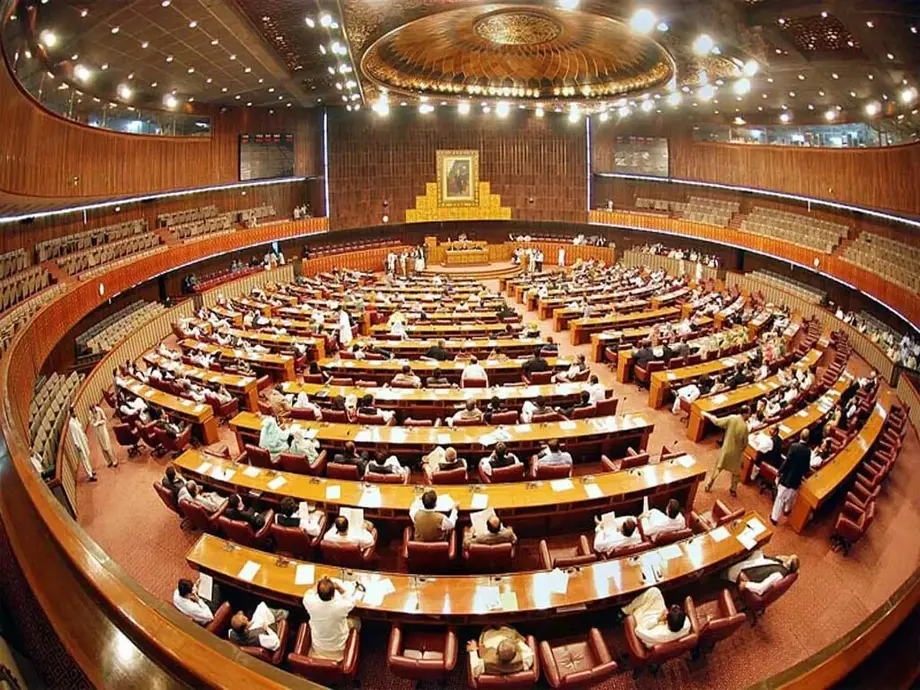
Pakistan registered 3,900 children living with HIV between January 2025 and June 2026, with Sindh and Punjab accounting for 94.4% of the total, according to figures presented to the National Assembly. The registrations amount to an average of just over seven children a day across the 18 months.
Contents
- Sindh and Punjab account for 3,680 registrations
- Where children were registered
- Annual infections tripled while testing expanded
- About one in six estimated patients receives treatment
- Unsafe medical care remains a central concern
- What the government plans next
- Hepatitis adds millions to the demand for care
- Mental healthcare faces a shortage of specialists
- Vaccination figures show progress and unfinished work
- Key Points
Health Minister Mustafa Kamal gave the figures in written parliamentary replies that also showed a large gap between the estimated number of people living with HIV and those receiving treatment. Of an estimated 417,214 people with the virus, 92,148 were registered with the authorities and 67,878 were receiving antiretroviral therapy.
For families, a child's diagnosis begins a continuing need for medicines, medical appointments and dependable access to care. HIV attacks the immune system, which protects the body against infection. Antiretroviral medicines suppress the virus and help people stay healthy, but treatment needs to continue.
The figures arrive alongside evidence of unsafe injection practices in Pakistan and government plans to restrict conventional syringes from January 1, 2027. The parliamentary replies also described substantial needs in hepatitis treatment, mental healthcare and routine childhood vaccination.
The 3,900 figure counts children registered during the stated period. Their dates of infection, ages and individual routes of transmission were not given. Those details matter for directing prevention: a child exposed during medical treatment needs a different protective response from a baby exposed during pregnancy, birth or breastfeeding.
Where children were registered
Sindh recorded 1,915 children, or 49.1% of the national total. Punjab followed with 1,765, or 45.3%. Together, the two provinces accounted for 3,680 registrations, leaving 220 across the other provinces and territories listed in the reply.
The geographical breakdown was:
- Sindh: 1,915 children.
- Punjab: 1,765 children.
- Khyber Pakhtunkhwa: 139 children.
- Balochistan: 46 children.
- Islamabad: 30 children.
- Azad Jammu and Kashmir: four children.
- Gilgit-Baltistan: one child.
Sindh and Punjab therefore carry most of the recorded demand for paediatric HIV services in this group. Children need suitable medicines, monitoring and support as they grow, while their caregivers need a reliable way to obtain treatment without repeated interruptions.
The ministry said a national HIV dashboard recording individual cases was operating, while Punjab's separate system was still being integrated. Bringing those records together is part of maintaining a national picture of diagnoses and care.
Annual infections tripled while testing expanded
WHO and UNAIDS estimates cited in the parliamentary reply put annual new HIV infections at about 48,000 in 2024, compared with 16,000 in 2010. That is an increase of 32,000 infections a year, or 200% over the period.
HIV screening also expanded sharply. The ministry recorded 374,126 screenings in 2025, up from 37,944 in 2020, nearly a tenfold increase. More testing gives health services more opportunities to identify people who need treatment and to offer prevention services to their partners and families.
The two measures describe different parts of the epidemic. Screening figures count testing activity. Annual infection estimates seek to measure how many people acquired HIV during a particular year, including people who have not yet been diagnosed.
The ministry described Pakistan's epidemic as concentrated, with prevalence in the general population below 0.1%. A concentrated epidemic means infection is more common in particular populations or networks than across the population as a whole. The ministry also placed Pakistan among the countries with the fastest growing HIV epidemics in the Eastern Mediterranean Region.
The current national estimate of 417,214 people living with HIV shows why services must extend beyond the patients already known to the health system. Finding infections earlier creates an opportunity to begin treatment before serious illness develops.
About one in six estimated patients receives treatment
The ministry's figures put registered patients at about 22.1% of the estimated population living with HIV. The 67,878 people receiving antiretroviral therapy represent about 16.3% of that estimated population, or roughly one in six.
Among registered patients, about 73.7% were receiving therapy. The difference between the registration and treatment totals was 24,270 people. The replies did not explain the reasons for that gap.
Antiretroviral therapy, often shortened to ART, uses medicines that stop HIV from multiplying effectively. With consistent treatment, the amount of virus in the body can fall to very low levels, protecting health and reducing transmission.
Pakistan's ART network had expanded to 113 centres, including 15 added in Sindh during the year covered by the reply. More treatment locations can reduce the distance patients must travel, although the national totals still show a substantial need to connect diagnosed people with continuing care.
For children, that connection often depends on an adult who can arrange transport, collect medicines and attend appointments. Treatment access therefore reaches beyond the prescription itself to the practical demands placed on a household.
Unsafe medical care remains a central concern
Contaminated syringes, inadequately screened blood and medical equipment that has not been properly sterilised provide routes for HIV transmission. WHO also identifies pregnancy, childbirth and breastfeeding as routes through which a mother living with HIV can transmit the virus to her child.
Pakistan's earlier child HIV outbreak findings included 331 children diagnosed in Taunsa, Punjab, between November 2024 and October 2025. Contaminated needles were considered the probable source in more than half of those cases, while fewer than 5% of the affected children had mothers living with HIV.
The Taunsa hospital investigation documented syringe reuse involving shared medicine vials during filming in late 2025. Investigators recorded ten occasions when syringes were reused to access those containers. On four occasions, medicine from the same potentially contaminated vial was administered to different children.
A vial holding several doses can become a route of exposure if a used syringe introduces contaminated blood. A new sterile needle and syringe are needed whenever medicine is drawn up or administered in circumstances requiring them. Changing only the needle leaves the possibility of contamination inside the syringe.
Punjab's government said validated epidemiological evidence had not conclusively established THQ Taunsa hospital as the outbreak's source. The documented practices nevertheless identify concrete tasks for infection control: preventing equipment reuse, handling shared medicine containers safely and disposing of used equipment correctly.
What the government plans next
The ministry listed screening before surgery, contact tracing, screening at 14 points of entry and a phased move towards syringes designed to prevent reuse among its response measures. Contact tracing means offering assessment and testing to people who may have been exposed through a connection with someone diagnosed with HIV.
Restrictions on conventional syringes with a capacity of up to 10 cubic centimetres, equivalent to 10 millilitres, are due to take effect on January 1, 2027. Syringes designed to prevent reuse can block a dangerous practice at the equipment level, while safe handling of medicines and other instruments remains necessary.
The figures and announced deadlines set out the following sequence:
- 2010: Estimated annual new HIV infections stood at about 16,000.
- 2020: HIV screening totalled 37,944.
- 2024: Estimated annual new infections reached about 48,000.
- 2025: HIV screening reached 374,126.
- January 2025 to June 2026: Authorities registered 3,900 children living with HIV.
- January 1, 2027: Restrictions on conventional syringes up to 10 millilitres are scheduled to begin.
- June 2027: The government's hepatitis programme has a deadline for its screening and treatment targets.
Hospitals and clinics will need equipment supplies, staff training and routine checks to put the syringe policy into daily practice. The Taunsa findings show why changing written procedures must be followed by checks on what happens during treatment.
Hepatitis adds millions to the demand for care
The parliamentary replies put the number of people living with hepatitis C at about nine million and hepatitis B at more than 3.86 million. An initial figure for hepatitis B was 3.086 million; the more detailed figures accompanying the replies used 3.86 million.
Hepatitis means inflammation of the liver. Hepatitis B and C are caused by different viruses, but both can produce lasting infection and serious liver damage. Blood safety and sterile medical equipment are important to preventing their spread, making these services relevant to both hepatitis and HIV prevention.
The ministry cited more than 48,000 deaths related to hepatitis each year and over 88,000 new hepatitis C infections in 2024. Descriptions of Pakistan's global hepatitis C ranking varied between tenth most affected and first for patient numbers; the detailed parliamentary figures also placed it among the 10 countries with the highest hepatitis C death totals.
A federal and provincial programme worth Rs67.77 billion aims to screen 82.5 million people and treat confirmed cases by June 2027. Its longer target is to eliminate hepatitis C as a public health threat by 2030. That means reducing transmission and illness to defined public health targets rather than expecting every infection to disappear.
The planned screening total is more than nine times the estimated nine million people living with hepatitis C. Screening must reach a much wider population because people can live with the infection for years before symptoms prompt them to seek care.
Mental healthcare faces a shortage of specialists
The ministry's detailed figures estimated that 32.4 million people had mental health conditions in 2023, compared with 30 million in 2019. That represents an increase of 2.4 million, or 8%, over four years. An initial summary gave the total as 32.04 million rather than 32.4 million.
Islamabad accounted for about 300,000 people with mental health conditions in 2023. Across Pakistan, the ministry counted 1,050 registered psychiatrists as of January 2026, equivalent to about one psychiatrist for every 245,400 residents.
The ratio uses the population as its denominator, rather than only people with mental health conditions. A psychiatrist is a medical doctor trained to diagnose and treat those conditions, including prescribing medicines when needed.
Provincial counts included 406 psychiatrists in Punjab, 228 in Sindh, 122 in Khyber Pakhtunkhwa and 44 in Balochistan. The ministry said figures for clinical psychologists and other trained mental health professionals were unavailable, leaving a fuller count of the workforce incomplete.
People managing HIV or hepatitis may also need mental health support, particularly when illness, treatment demands or stigma disrupt daily life. Services that can connect physical and mental healthcare reduce the number of separate systems a patient must navigate.
Vaccination figures show progress and unfinished work
The parliamentary replies also described a decline in children missing their first dose of pentavalent vaccine, which protects against five diseases. WHO and UNICEF estimates put that number at 396,000 in 2024, down from 651,000 in 2021, a reduction of 255,000, or about 39%.
A third party survey in 2025 estimated fewer than 160,000 children in that category. The ministry said intensified outreach vaccinated nearly 488,000 children in 2025 and another 147,709 during the portion of 2026 covered by its reply.
Earlier gaps in routine vaccination included an estimate of approximately 419,000 children missing a first routine vaccine dose in 2023. Reaching children who have missed that first contact is a practical priority because it brings them into a schedule of continuing protection.
The ministry also cited the 2018 National Nutrition Survey, its latest official nutrition assessment in the reply. More than 40% of children were stunted, meaning too short for their age, while 18% were wasted, meaning too thin for their height. These figures describe additional needs facing the same health system responsible for safer injections, infection testing and continuing treatment.
Key Points
- Pakistan registered 3,900 children living with HIV between January 2025 and June 2026.
- Sindh and Punjab accounted for 3,680 registrations, or 94.4% of the total.
- Of an estimated 417,214 people living with HIV, 92,148 were registered and 67,878 were receiving treatment.
- Estimated annual new HIV infections rose from 16,000 in 2010 to 48,000 in 2024.
- Restrictions on conventional syringes up to 10 millilitres are scheduled for January 1, 2027.
- A Rs67.77 billion hepatitis programme aims to screen 82.5 million people and treat confirmed cases by June 2027.
- The ministry counted 1,050 registered psychiatrists nationwide against an estimated 32.4 million people with mental health conditions.