
Two child deaths expose gaps in prevention and care
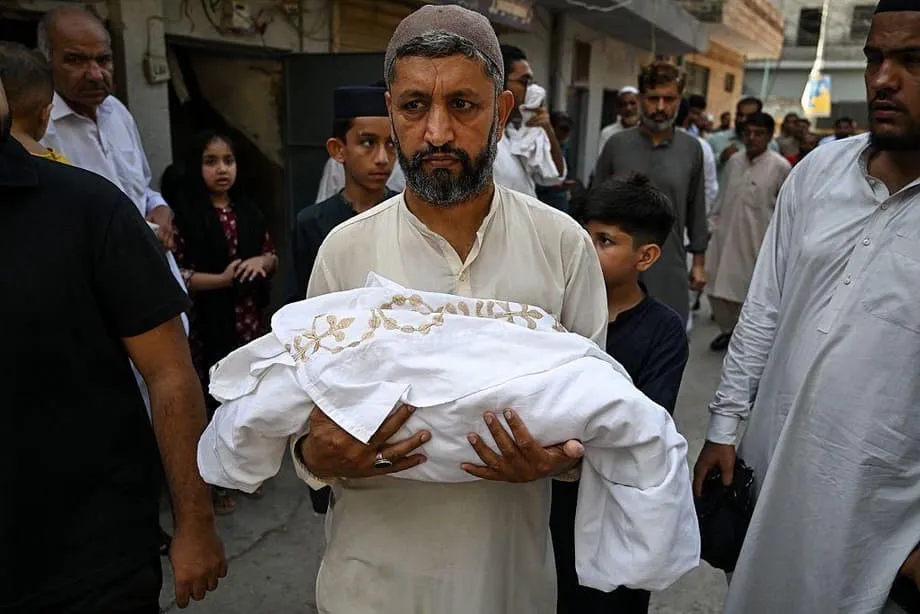
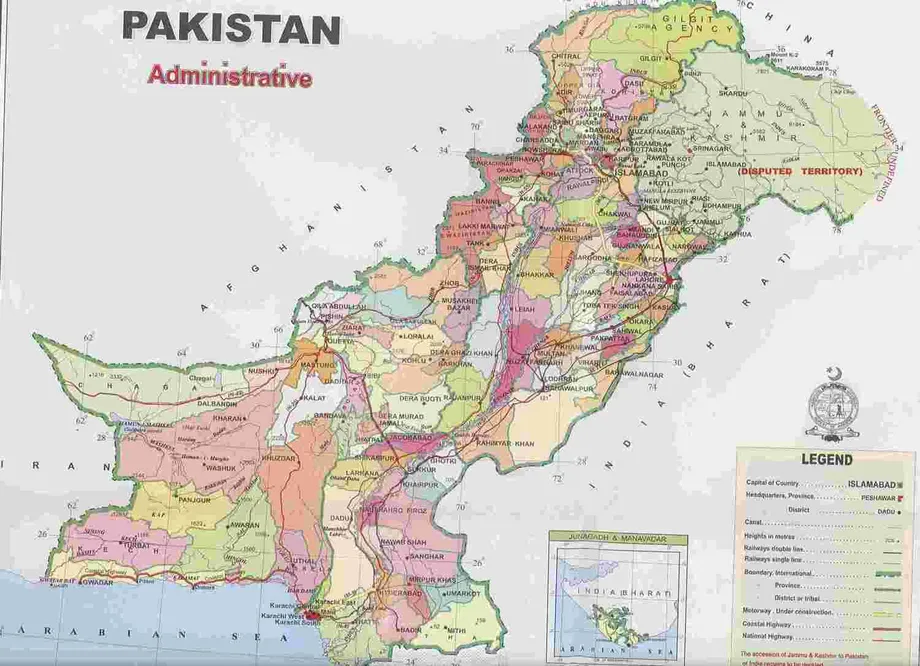
Two children have died of rabies at Indus Hospital in Karachi after dog bites were not followed by anti-rabies vaccination, renewing concern over a preventable health emergency in Pakistan’s Sindh province. Abia, 6, from Hyderabad, and Waqar, 4, from Dadu, are among the latest reported victims. Hospital officials said neither child received the vaccine after being bitten.
Contents
The deaths have pushed the reported rabies toll in Sindh this year to at least 37, according to figures cited by health authorities and medical sources in reports accompanying the cases. Other reports give lower totals from earlier points in the year or count deaths at particular hospitals. The figures are snapshots from different dates and reporting systems, and may not capture people who die before reaching a hospital.
Behind the totals are two separate risks: exposure to a rabid animal, and delays or failures in receiving the full course of post exposure treatment. Doctors say rabies can be prevented after a bite, but once symptoms develop it is almost always fatal. Children, rural residents and families with limited access to transport and health services face particular danger.
The scale of exposure is also large. The Pakistan Medical Association has cited 285,000 dog bite cases in Sindh during 2025, with more than 83,000 reported in the first quarter of 2026. Other reports put the total at 85,891 in the first four months of this year. The different figures may reflect different reporting periods or data sources, but all point to a heavy and continuing burden on communities and hospitals.
Why immediate treatment matters
Rabies is a viral disease that affects the nervous system. It spreads most often when saliva from an infected animal enters the body through a bite or scratch. The virus can take weeks or months to cause symptoms, but after clinical signs such as difficulty swallowing, fear of water or confusion appear, survival is exceptionally rare.
That delay creates a critical window for prevention. A bite or potentially risky scratch should be washed thoroughly with soap and running water for at least 15 minutes, followed by urgent medical assessment. Treatment may include a series of rabies vaccine doses. People with severe exposures, including deep or multiple wounds, may also need rabies immunoglobulin, or RIG, which provides immediate antibodies at the wound while the vaccine response develops.
Vaccination alone may not be enough for a high risk wound if RIG is indicated. The treatment plan also needs to be completed on schedule. A report on an eight year old girl from Sanghar who died earlier this year described incomplete vaccination and delayed or missing immunoglobulin after she visited several hospitals. Doctors said she arrived at Indus Hospital with advanced symptoms, when treatment could no longer stop the disease.
Another reported death involved an eight year old boy who could not reach a designated treatment centre in time. Such cases show why a nominally available service does not guarantee protection: patients need clear instructions, medicines in stock, correct wound assessment and a reliable referral route without avoidable delays.
More cases, and questions about data
Reports from Hyderabad show how quickly demand can grow. The district health officer said nine anti rabies centres treated 2,944 dog bite patients from January through September 2026, compared with 1,805 in the same months of 2025, a rise of about 63 per cent. Officials said the number of cases was higher in every month reported for 2026, with increases during the July to September breeding season.
In Karachi, Indus Hospital reported more than 14,000 dog bite cases between January and September, alongside 28 rabies cases at the hospital during that period. The hospital has also reported managing more than 150,000 dog bite cases since opening its specialised rabies prevention centre in 2008. Those figures describe the workload of one health network, not the complete provincial total.
Dog bite records can reflect both actual exposure and how effectively cases are reported and referred. Sindh’s chief secretary has said increased reporting may partly indicate greater public awareness. Still, rising patient numbers and repeated deaths make it difficult to treat the crisis as a statistical artefact. Public authorities need consistent definitions, timely publication and coordination between hospitals and districts to identify where risks are concentrated and where treatment is failing.
Treatment capacity has expanded, with gaps remaining
The provincial government says it has established or upgraded 278 anti rabies units, activated referral centres and introduced telemedicine support with Indus Hospital. Officials have also reported 138,000 vaccine doses administered and 5,000 RIG doses, while one account said around 45,000 dog bite patients had been treated over eight months. A digital dashboard is intended to track cases, vaccine stocks and treatment schedules.
Health authorities have also taken disciplinary action after a review of five recent rabies deaths. Seven staff members were suspended and explanation notices were issued to seven hospital heads. The review identified serious lapses, including wounds that were not properly examined, vaccine given without required immunoglobulin, and failures to follow treatment protocols. One case involved a child whose head wound was reportedly not examined at Liaquat University Hospital in Hyderabad.
Officials say 278 facilities now comply with World Health Organization standards, compared with 371 centres previously described as non compliant. The differing counts reflect the changing status and classification of facilities, but the figures also underline the need for regular checks. A centre must have trained staff and the right medicines available when a patient arrives, not merely appear on a list.
Indus Hospital has trained hundreds of health professionals, including 160 providers from more than 90 referral centres as master trainers, according to its Rabies Prevention Services team. Its outreach campaign in Karachi and Badin reached nearly 10,000 students and more than 300 teachers with information on wound care and bite prevention. Such work can help families act quickly, though public education cannot compensate for absent treatment or long journeys to care.
Prevention must include dogs and city services
Doctors and public health advocates argue that expanding treatment alone cannot halt transmission. Sindh’s Rabies Control Programme says it has sterilised more than 25,500 dogs and vaccinated more than 36,900 across 20 districts. The World Health Organization recommends vaccinating at least 70 per cent of the dog population in affected areas to interrupt transmission. Available figures do not establish that Sindh is close to that coverage, and officials also lack reliable estimates of the free roaming dog population.
Mass vaccination of dogs reduces the chance that the virus will spread between animals and reach people. Sterilisation can help manage population growth over time, while surveillance helps identify rabies cases and areas of heightened risk. These measures require sustained work across districts. Periodic culling may reduce the visible number of dogs briefly, but where food and breeding opportunities remain, populations can recover.
Waste management is part of the same public health challenge. Open rubbish and discarded food give free roaming dogs a dependable source of food. Municipal services, veterinary teams and health departments therefore have connected responsibilities: managing waste, monitoring animal populations, vaccinating dogs and ensuring that bite victims can reach treatment promptly.
Some doctors have called for selective culling of dangerous animals, while others stress humane management of healthy dogs through vaccination and sterilisation. A coordinated programme can distinguish between an animal suspected of rabies or posing an immediate danger and a healthy animal that can be vaccinated and monitored. Protecting people and treating animals humanely are compatible aims when decisions are guided by public health evidence and consistent local management.
Accountability and access beyond major cities
Geography and household income shape whether a bite becomes a medical emergency. A day labourer may lose wages to travel to a clinic; a rural family may not know which facility has vaccine or RIG in stock. Reports on victims from Dadu, Badin and Sanghar illustrate the distance between exposure and specialist care. The chief secretary says people can call Rescue 1122 for information about the nearest rabies centre, and telemedicine services are intended to support case management.
Authorities have directed district administrations to monitor treatment centres and review performance regularly. Hyderabad officials have ordered checks at all nine anti rabies centres and fortnightly progress meetings. Their guidance says a wound should be washed immediately and patients referred to a centre, with prescribed vaccination completed on schedule. These steps need to be matched by dependable supplies, clear referral arrangements and communication that reaches communities where access is most difficult.
Doctors have also proposed financial compensation for families of people who die and for bite victims, with amounts varying by the severity of injury. Compensation may provide support after a devastating event, but it cannot replace prevention or correct treatment. The central test of public policy is whether a person bitten today can promptly find a facility that assesses the wound and provides every required component of care.
What to Know
- Two children, Abia, 6, and Waqar, 4, died of rabies at Indus Hospital after bites were not followed by vaccination.
- Reported provincial death totals vary by date and source; figures cited with the latest cases put the 2026 toll at at least 37.
- Rabies is almost always fatal after symptoms appear, but prompt wound washing, vaccination and RIG when indicated can prevent disease.
- Hyderabad recorded 2,944 dog bite patients from January through September 2026, about 63 per cent more than in the same period of 2025.
- Sindh reports 278 upgraded or established anti rabies units, while treatment reviews have identified failures in wound assessment and protocol.
- Health experts call for sustained dog vaccination, sterilisation, surveillance, waste management and accessible post exposure care.