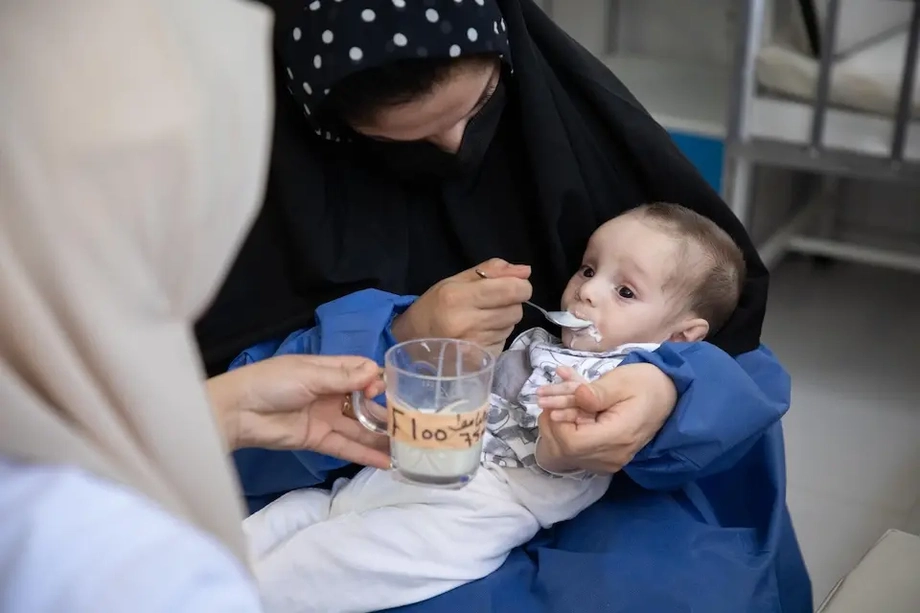
Overcrowded wards reveal a widening crisis
Some hospitals in southern Afghanistan have been treating three or four severely malnourished children for every available bed, UNICEF warned in August 2026. The pressure on wards now sits alongside a national winter projection of 19.2 million people facing acute food insecurity and an estimated four million children needing treatment for acute malnutrition during 2027.
Contents
The United Nations Office for the Coordination of Humanitarian Affairs (OCHA) says conditions in the south are deteriorating as hospital admissions rise, poverty deepens and humanitarian resources decline. Families are struggling to find enough food while health facilities face growing demand for care.
Helmand and Kandahar are among the provinces where treatment services have reported increasing admissions. Médecins Sans Frontières (MSF), the medical humanitarian organisation, said its Helmand treatment centre recorded its highest monthly admissions during the first months of 2026. In June, it reported sharp increases in admissions of severely malnourished children at centres it supports in both provinces.
OCHA identifies several pressures arriving together: hunger, limited household resources, repeated droughts and floods, and a shrinking aid response. Limited employment and high food prices leave families with less money to buy what they need. For children already weakened by inadequate diets or illness, those pressures can turn a shortage of food into a medical emergency.
What the winter figures mean
An October assessment by the Food and Agriculture Organization (FAO) and the World Food Programme (WFP) estimated that 19.2 million people, about 38 percent of Afghanistan's population, could face acute food insecurity between November 2026 and April 2027. Acute food insecurity means people face shortages serious enough to threaten their health or their ability to maintain their livelihoods.
The October 15 Integrated Food Security Phase Classification (IPC) snapshot, detailed in the winter hunger forecast, projected five million people in Emergency conditions during that period. Emergency is Phase 4 on the IPC scale, describing severe food shortages associated with high risks of acute malnutrition, deaths and loss of livelihoods.
The winter total is 3.3 million higher than the 15.9 million people estimated to face Crisis conditions or worse in September and October 2026. It is also 1.8 million above the 17.4 million projected for the comparable winter period a year earlier, an increase of about 10 percent.
Five million people in Emergency conditions would represent roughly one person in ten nationwide. The figures show why crowded southern hospitals are part of a much wider problem: millions of households are heading into winter with food needs already beyond what they can reliably meet.
Why children need more than food alone
Around four million children are projected to suffer acute malnutrition in 2027, including nearly 1.1 million severe cases. The more detailed estimate cited in the October coverage is 4.04 million children aged six to 59 months needing treatment during the year.
Acute malnutrition can appear as wasting, when a child becomes too thin for their height. Too little food, a diet lacking essential nutrients and illness can all contribute. A severely malnourished child may need specialised nutrition treatment, while a child with medical complications may also need hospital care.
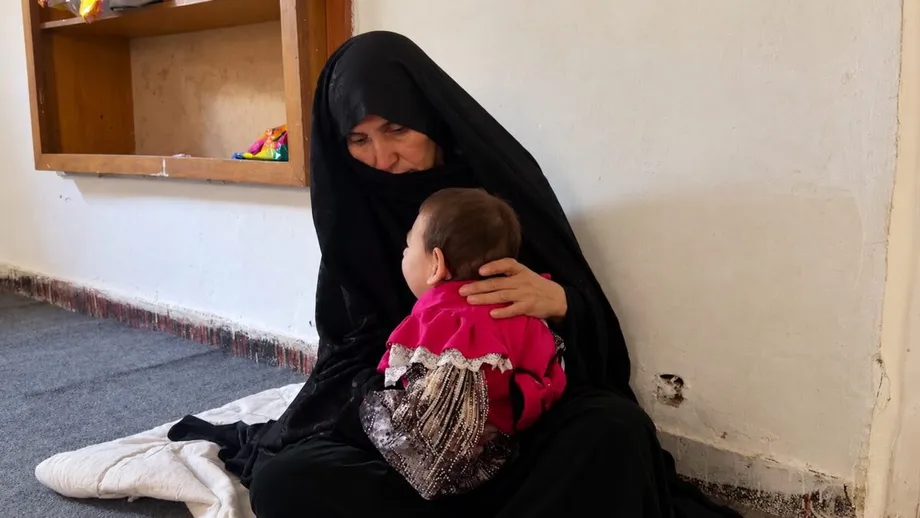
UNICEF's August figures show how heavily the crisis is affecting the youngest children. Children under two accounted for about 83 percent of severe acute malnutrition cases, while infants under six months represented nearly 40 percent of those hospitalised with severe wasting and medical complications.
UNICEF and its partners screened 1.3 million children in August and recorded 111,099 treatment admissions, including 58,891 for severe wasting, as detailed in the August treatment figures. Treatment includes care outside hospitals as well as admission to wards for children needing medical stabilisation.
The seasonal risks extend beyond winter. Hunger is expected to intensify as agricultural work and incomes decline, while acute malnutrition is projected to worsen again between April and July 2027, when disease, poor diets and reduced access to healthcare combine. Families therefore face a need for support that continues after the coldest months end.
Southern hospitals face concentrated demand
UNICEF's account of three or four severely malnourished children per available bed describes the pressure at some southern hospitals. MSF's record admissions in Helmand and rising admissions in Kandahar provide further evidence that treatment services in the region are receiving more children with severe needs.
Nationally, hospital admissions involving severe acute malnutrition and medical complications had increased by around one third by July 2026 compared with the same period in 2025. Those are children requiring care for both malnutrition and accompanying health problems, placing demands on beds, staff and medical supplies.
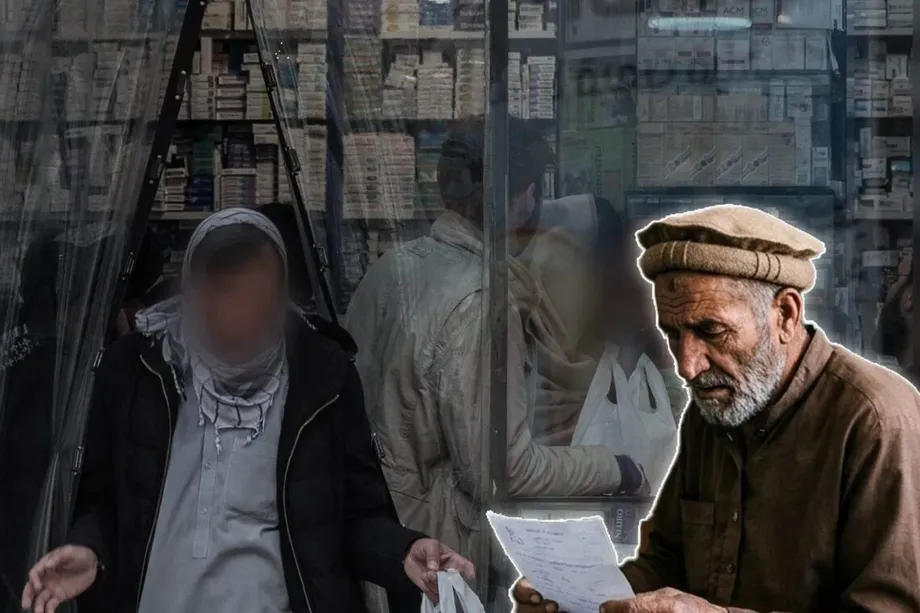
The wider treatment network is also contracting. Approximately one third of nutrition treatment sites had closed or suspended services, according to the October winter assessment coverage. UNICEF's August reporting described substantial shortages of specialised nutrition foods at the same time that admissions involving severe malnutrition and complications were rising.
No total number of overcrowded hospitals in southern Afghanistan was given. The reported bed shortages, rising admissions and loss of treatment sites nevertheless describe a practical problem for families: more children need care while fewer services are operating.
Work, prices and weather squeeze families
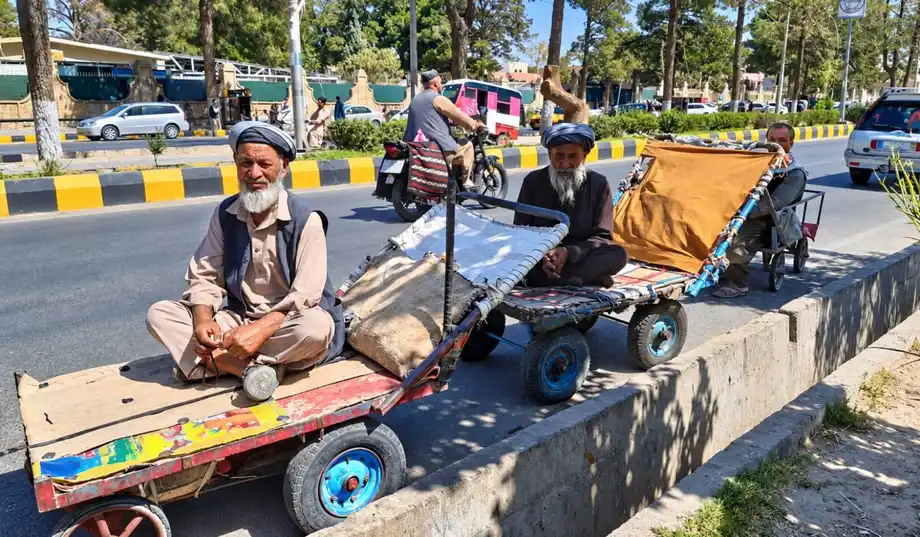
Limited employment and high food prices are central to the worsening household situation. A family can face hunger even when food is available for sale if its income is too small or too uncertain to pay for it. OCHA says poverty and hunger are further straining livelihoods, leaving vulnerable households struggling to meet basic needs.
Droughts and floods add repeated shocks. Drought can reduce water supplies and damage agricultural production, while flooding can destroy crops, property and access routes. Families dependent on farming or seasonal work can lose both food and earnings, increasing their need for assistance.
Afghanistan's latest winter forecast worsened despite improved rainfall and a strong cereal harvest. The simultaneous increase in projected hunger shows the importance of household purchasing power and access to assistance alongside the amount of grain produced. A stronger harvest has not removed the income pressures described by humanitarian agencies.
Humanitarian organisations are calling for emergency food, nutrition treatment and support for livelihoods. Each addresses a different part of the problem: food helps families meet immediate needs, treatment helps children recover, and livelihood assistance helps households rebuild a means of supporting themselves.
Aid capacity is falling as needs rise
WFP says its current resources allow it to assist two million people a month, down from four million during the previous winter. That is a reduction of half in the number it can reach monthly. Its stated funding requirement is US$540 million through January 2027.
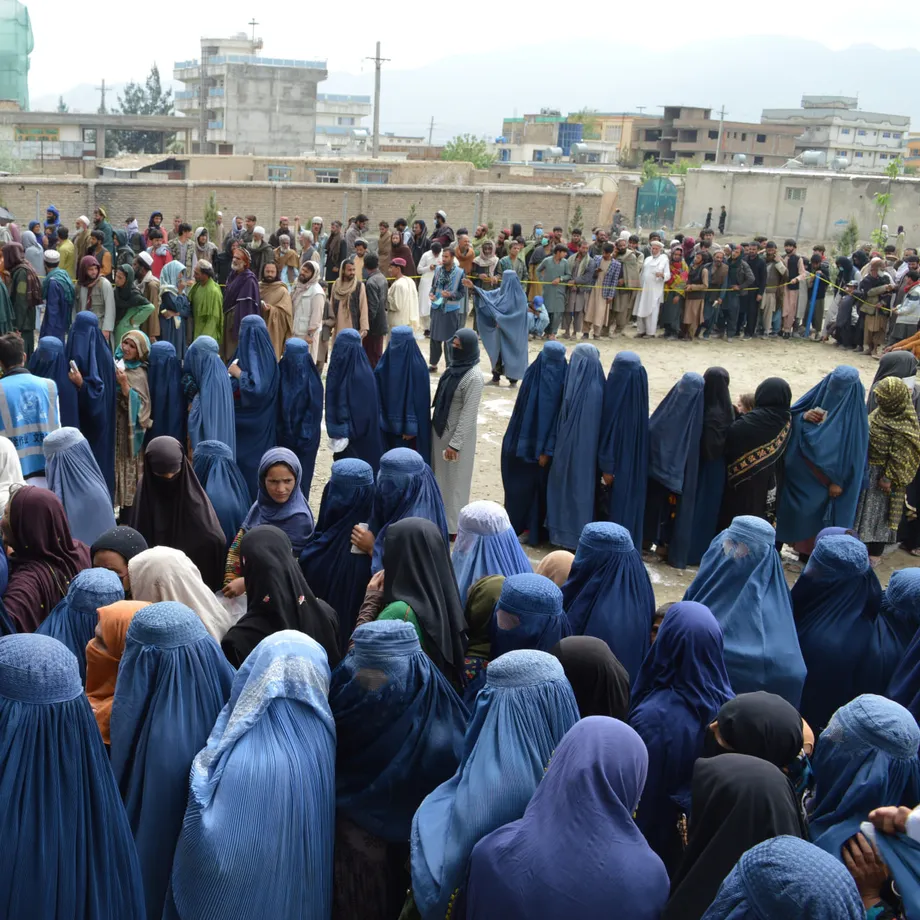
OCHA says reduced funding is limiting the number of people who can receive assistance. The combination of a larger population facing hunger and a smaller aid response leaves families increasingly dependent on resources that are already stretched.
Afghanistan faced a similar funding alarm in June 2023, when OCHA estimated that 15.5 million people were experiencing acute food insecurity, including 2.8 million at Emergency hunger levels. At that time, it also counted 3.2 million children and 840,000 pregnant and nursing mothers suffering from moderate or severe acute malnutrition.
Carl Skau, WFP's deputy executive director, described the organisation's funding needs after visiting Afghanistan in 2023:
WFP urgently needs US$918 million to maintain operations for the coming six months.
Skau said funding shortages meant eight million highly vulnerable people would lose WFP emergency assistance and that rations had been reduced even in areas facing the highest food insecurity. He also identified restrictions on female aid workers and recurring severe weather as obstacles to the response. The US$918 million appeal covered that earlier period; the current US$540 million requirement runs through January 2027.
How the crisis has developed
The sequence of warnings shows repeated pressure on both household food supplies and the services treating malnutrition. The latest projections extend the response period into the middle of 2027.
- June 2023: OCHA estimated that 15.5 million people faced acute food insecurity, while WFP warned that funding shortages would end emergency assistance for eight million highly vulnerable people.
- Early 2026: MSF's Helmand treatment centre recorded its highest monthly admissions.
- June 2026: MSF reported sharply rising admissions of severely malnourished children in Helmand and Kandahar.
- August 2026: UNICEF reported that some southern hospitals were treating three or four severely malnourished children per available bed.
- October 2026: The winter assessment projected 19.2 million people facing acute food insecurity from November 2026 through April 2027.
- April to July 2027: Acute malnutrition is projected to worsen as disease, poor diets and reduced healthcare access combine.
January 2027 is the endpoint of WFP's stated US$540 million funding requirement, while the winter hunger projection runs through April. The projected rise in malnutrition between April and July means treatment needs will continue beyond both dates.
For southern Afghanistan, the immediate priorities are keeping nutrition services functioning, securing specialised treatment supplies and helping families obtain enough food before more children need hospital care. OCHA's warning brings those needs together: pressure on household incomes and pressure on hospital wards are growing at the same time.
Key Points
- OCHA warns that southern Afghanistan faces worsening hunger, overcrowded health facilities and rising severe malnutrition admissions.
- Some southern hospitals treated three or four severely malnourished children per available bed, UNICEF said in August 2026.
- About 19.2 million people are projected to face acute food insecurity from November 2026 through April 2027, including five million in Emergency conditions.
- Around four million children are expected to need acute malnutrition treatment in 2027, including nearly 1.1 million severe cases.
- WFP can currently assist two million people monthly, half the number reached during the previous winter.
- Winter hunger is expected to be followed by worsening acute malnutrition between April and July 2027.