Hunger forecast rises as treatment supplies run short
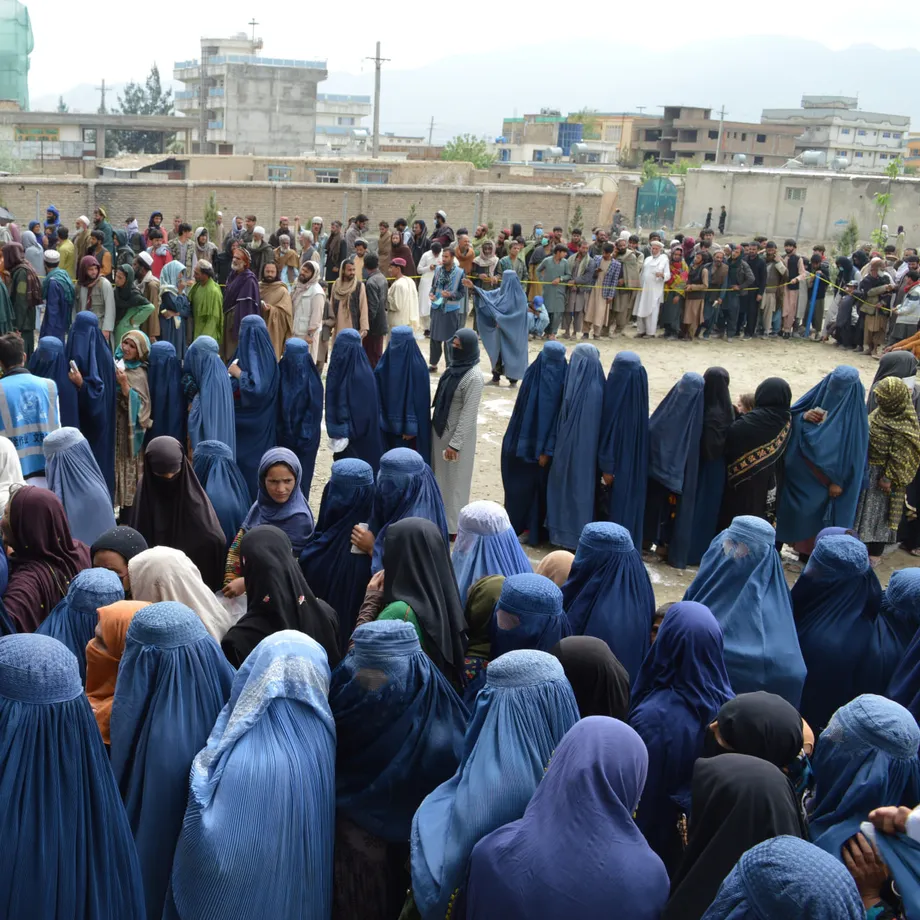
Afghanistan faces a winter in which 19.2 million people are projected to experience acute food insecurity, including about 5 million at emergency levels, while aid agencies lack 210,000 cartons of a specialized food used to treat severely malnourished children.
Contents
- Hunger forecast rises as treatment supplies run short
- Two winters show a worsening food crisis
- Child wasting spreads across most provinces
- Nutrition services face a shortage of essential food
- Funding has barely kept pace with growing needs
- Returning families need food, shelter and documents
- Polio and diarrhea add to the danger
- Health care and safe water remain essential
- Schooling and protection are under pressure too
- Key Points
The forecast covers November 2026 through April 2027. UNICEF's September situation report describes worsening child malnutrition, shortages of treatment supplies and funding gaps that are disrupting health care, clean water and protection services.
The winter projection represents about 38% of the population. Compared with the 15.9 million people facing crisis levels of hunger or worse during August through October, the forecast adds 3.3 million people, an increase of about 21%. The number facing emergency conditions is projected to rise from 3.4 million to 5 million.
UNICEF says better rainfall and agricultural production have failed to offset economic pressures and declining humanitarian assistance. Families can face hunger even when harvests improve if they lack the income to buy food or cannot obtain help when their own supplies run out.
Across Afghanistan, 21.9 million people need humanitarian assistance, including 11.6 million children. Children account for slightly more than half of that total. Their needs extend beyond meals: illness, unsafe drinking water, interrupted schooling and inadequate shelter are adding to the strain on families.
Two winters show a worsening food crisis
The latest forecast follows an already difficult winter. UNICEF's January situation report projected that 17.4 million people would face crisis levels of hunger or worse between November 2025 and March 2026, including 4.7 million in emergency conditions.
The new winter forecast is 1.8 million higher, or about 10%, although it covers six months rather than five. Both assessments use the Integrated Food Security Phase Classification, or IPC, a shared scale used by humanitarian agencies to describe the severity of food shortages.
IPC Phase 3 means a crisis in which households face serious gaps in food consumption or must take damaging steps to meet basic food needs. Phase 4 means an emergency, with more severe food shortages, acute malnutrition and greater risks to life.
- December 16, 2025: An IPC assessment projected 17.4 million people would face crisis levels of hunger or worse during November 2025 through March 2026.
- January 2026: UNICEF estimated that 3.7 million children under five would experience acute malnutrition during the year.
- August through October 2026: An estimated 15.9 million people faced crisis levels of hunger or worse, including 3.4 million in emergency conditions.
- November 2026 through April 2027: The projection rises to 19.2 million people, including about 5 million at emergency levels.
The assessments describe successive periods of hardship. Families entering the coming winter are doing so after months of food insecurity, while the services intended to help them are struggling to maintain coverage.
Child wasting spreads across most provinces
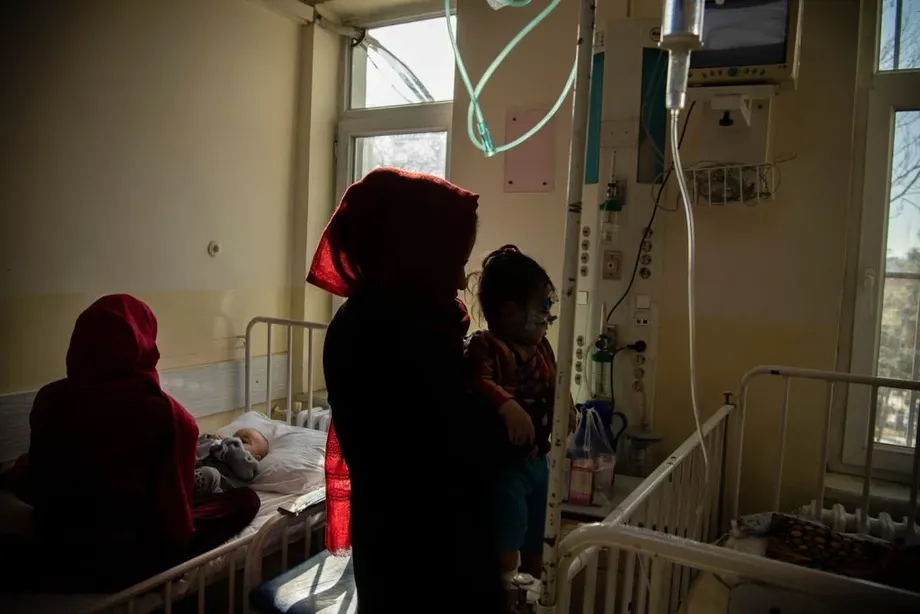
Child wasting increased in 29 of Afghanistan's 34 provinces compared with early 2026. Acute malnutrition rates exceeded 2025 levels in 23 provinces, and wasting reached its highest recorded level for the August through October period.
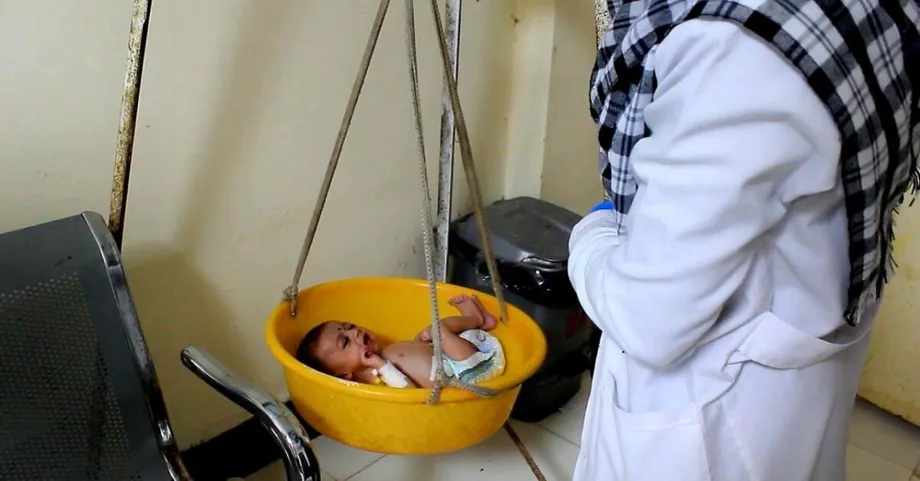
Wasting means a child weighs too little for their height. It can develop when children do not receive enough nutritious food, when illness prevents their bodies from absorbing nutrients, or when both happen together. Severe wasting requires urgent treatment because it can be fatal.
Southern provinces remained in critical condition, while northern areas recorded worsening trends and exceptionally high treatment admissions. Earlier in the year, UNICEF had identified Faryab and Paktika as provinces projected to enter the critical category of the IPC's separate scale for acute malnutrition.
For 2027, an estimated 4.04 million children aged six to 59 months are expected to need treatment for acute malnutrition. UNICEF's January estimate put the number of children under five expected to experience acute malnutrition in 2026 at 3.7 million, alongside 1.2 million pregnant and breastfeeding women.
September's treatment activity shows the pressure on services. UNICEF and its partners screened approximately 1.3 million children and admitted 107,396 for care: 60,608 with severe wasting and 46,788 with moderate wasting assessed as carrying a high risk.
Nutrition services face a shortage of essential food
UNICEF delivered nutrition services through 3,500 health facilities and 15,000 community health posts in September. It also provided nutrition counseling to 196,601 caregivers and multiple micronutrient supplements to about 140,000 pregnant women.
Those services combine treatment with prevention. Counseling helps caregivers make feeding decisions for infants and young children, while micronutrient supplements provide vitamins and minerals needed during pregnancy.
The Nutrition Cluster, which coordinates the work of agencies responding to malnutrition, reported a shortage of 210,000 cartons of ready to use therapeutic food. That gap equals 17% of annual requirements. This specialized food is used to treat severe acute malnutrition.
Supplies of ready to use supplementary food, used to support the treatment of moderate malnutrition, were short by an amount equal to 65% of remaining requirements for 2026. In practical terms, agencies had a larger gap than the quantity covered for the rest of the year.
The Nutrition Cluster had secured $130.1 million but still faced a funding gap of 56%. UNICEF warned that shortages of specialized food threatened continuity of treatment. For a child already admitted to care, reliable supplies are part of completing treatment, rather than simply beginning it.
Funding has barely kept pace with growing needs
UNICEF's humanitarian appeal for Afghanistan sought $949.1 million in 2026. It was 48% funded as of September 30, leaving a gap of about $491 million. In January, the same appeal had been 42% funded.
That is an increase of only six percentage points over eight months. The September figures also show particularly large gaps in services directly connected to hunger and disease: UNICEF's nutrition programs faced a shortfall of 70%, while water, sanitation and hygiene programs faced an 84% gap.
The wider Afghanistan Humanitarian Needs and Response Plan, seeking $1.71 billion, remained 67% unfunded at the end of September. These are separate budgets covering different sets of activities. Together, they show shortages affecting both UNICEF's work and the broader humanitarian response.
The World Food Programme had already described severe limits on its operations during the previous winter. In December 2025, its Afghanistan activities were funded at 12% of target, and it was helping fewer than one million people per month while seeking $468 million to reach six million.
John Aylieff, WFP's country director in Afghanistan, described the consequences for families in that December warning:
Our teams are seeing families skipping meals for days on end and taking extreme measures to survive. Child deaths are rising, and they risk becoming worse in the months ahead.
Jean-Martin Bauer, WFP's director of food security and nutrition analysis, said at the time that the agency had the personnel, trucks, contracts and access needed to respond, but needed immediate funding. The September 2026 figures show financial shortages continuing across essential services.
Returning families need food, shelter and documents
Approximately 1.3 million Afghans returned from Pakistan and Iran between January 1 and October 3, 2026, according to figures from the United Nations refugee and migration agencies cited by UNICEF. They included about 715,400 people returning from Pakistan and 581,600 from Iran.
About 563,460 returns were recorded as deportations, primarily from Iran. That amounts to roughly 43% of the approximately 1.3 million returns during the period.
Returning families faced inadequate shelter, few opportunities to earn money and difficulties accessing health care, education, clean water and protection services. Documentation barriers created further difficulties as they tried to rebuild their lives.
Border crossings such as Torkham, Spin Boldak and Milak have been key entry points during the continuing movements. Communities receiving returning families must accommodate more people through services that were already under pressure.
In September, UNICEF screened 23,408 returning children for wasting and admitted 787 for treatment. For these families, getting a child into care may coincide with finding somewhere to live, securing an income and arranging access to school.
Polio and diarrhea add to the danger
Afghanistan recorded 35 cases of wild poliovirus type 1 through September 30, including 21 in August and September. Cases were detected in 31 districts across 12 provinces. The south accounted for 20 cases and the east for 13.
Environmental surveillance also detected 91 samples containing the virus. Testing wastewater helps health teams identify where poliovirus is circulating, including areas where infections may not yet have produced a diagnosed case.
Among children affected by polio, 36% had received no routine doses of oral polio vaccine, UNICEF said. Vaccination gaps leave children exposed to a virus that can cause permanent paralysis.
Afghanistan also recorded 477 laboratory confirmed cases of acute watery diarrhea with dehydration through September 30. Nangarhar accounted for 406 cases, Kunar for 53 and Badghis for five. Nangarhar alone represented about 85% of the national total.
Contaminated water, poor sanitation and limited awareness of preventive measures complicated disease control. Diarrhea can rapidly dehydrate a child and make malnutrition worse by reducing the body's ability to retain and absorb nutrients.
UNICEF, the World Health Organization and the Health Cluster secured a commitment from the de facto Ministry of Public Health to adopt the Priority Area Multisectoral Intervention approach for cholera prevention and control. Its first technical committee meeting took place in September. The approach brings health care, water, sanitation and community work together in priority areas.
Health care and safe water remain essential
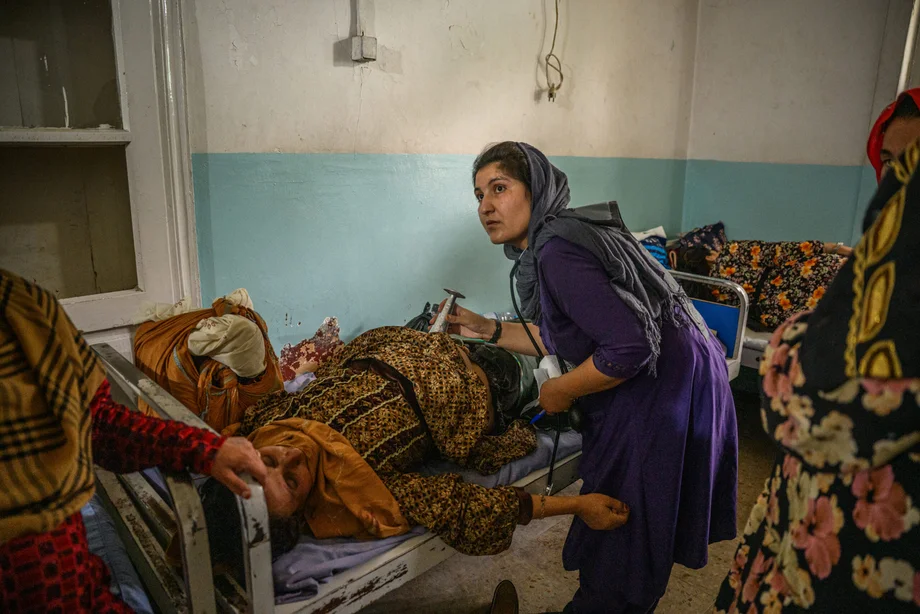
UNICEF supported 2,390 fixed health facilities and 16 mobile facilities across all 34 provinces in September. More than 6.8 million people accessed essential health services, with women and girls accounting for 60%.
The response involved 28,402 health workers, 39% of them women. Emergency health services also reached communities affected by floods, tensions at the borders, returning populations and earlier earthquakes.
UNICEF provided 274,043 people with access to safe drinking water and 121,138 with basic sanitation during September. Another 175,389 people received hygiene promotion and interventions intended to improve everyday practices that reduce infection.
These services address closely connected needs. A child receiving treatment for malnutrition also needs safe water and protection against infection. A family with access to a clinic may still struggle to keep children healthy if its drinking water is contaminated.
The 84% funding gap in UNICEF's water, sanitation and hygiene programs therefore reaches beyond water supply projects. It affects services intended to reduce the disease burden on children, caregivers and health facilities.
Schooling and protection are under pressure too
UNICEF and its partners established 200 temporary learning spaces in Nangarhar province during September, reaching 5,061 children, including 2,351 girls. From January through September, 1,538 temporary learning spaces served 44,138 returning and other vulnerable children, nearly half of them girls.
Returning and displaced children faced shortages of classrooms and qualified teachers. Continued population movements, limited school infrastructure and difficulties reaching remote communities and areas affected by disasters hampered efforts to keep children learning.
UNICEF also reached 212,103 people with integrated child protection services in September. Assistance included psychological and social support, case management, tracing relatives, reuniting families, and preventing and responding to violence based on gender.
The programs prioritized children and families affected by emergencies, displacement and returns. For a child whose family has moved across a border or lost its home, protection and education services address needs that food assistance alone cannot meet.
The winter forecast sets out the scale of expected hunger, while the September response shows the services already under strain. UNICEF's immediate concern is maintaining those services as food needs rise and shortages threaten treatment supplies.
Key Points
- UNICEF projects 19.2 million people will face acute food insecurity from November 2026 through April 2027, including about 5 million at emergency levels.
- Child wasting increased in 29 of Afghanistan's 34 provinces compared with early 2026.
- An estimated 4.04 million children aged six to 59 months are expected to need treatment for acute malnutrition in 2027.
- The nutrition response lacks 210,000 cartons of therapeutic food, equal to 17% of annual requirements.
- UNICEF's $949.1 million appeal was 48% funded at the end of September; the wider humanitarian plan remained 67% unfunded.
- About 1.3 million Afghans returned from Pakistan and Iran between January 1 and October 3, adding pressure on shelter, schools and health services.
- Polio, acute watery diarrhea and gaps in safe water access compound the risks facing children.