Paid treatment, then a closed door
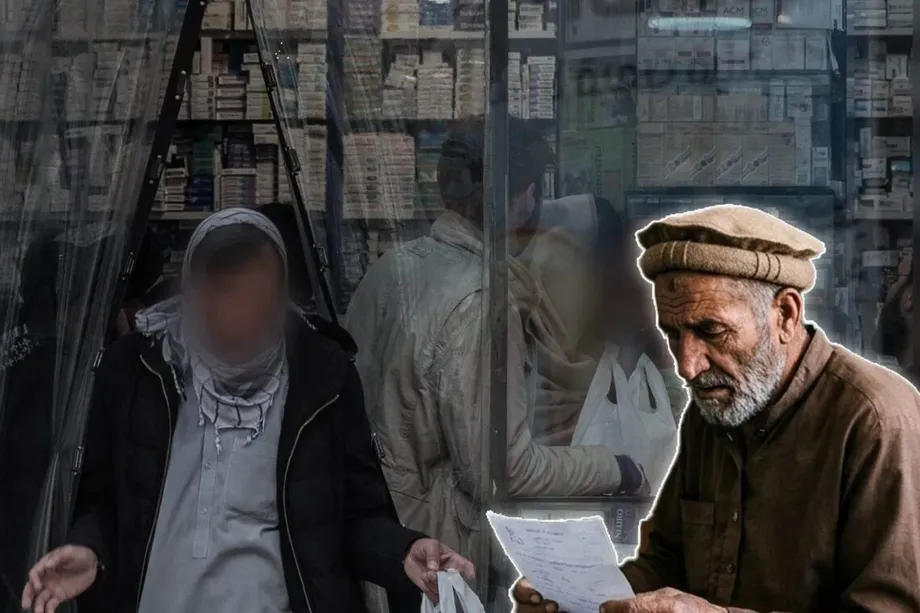
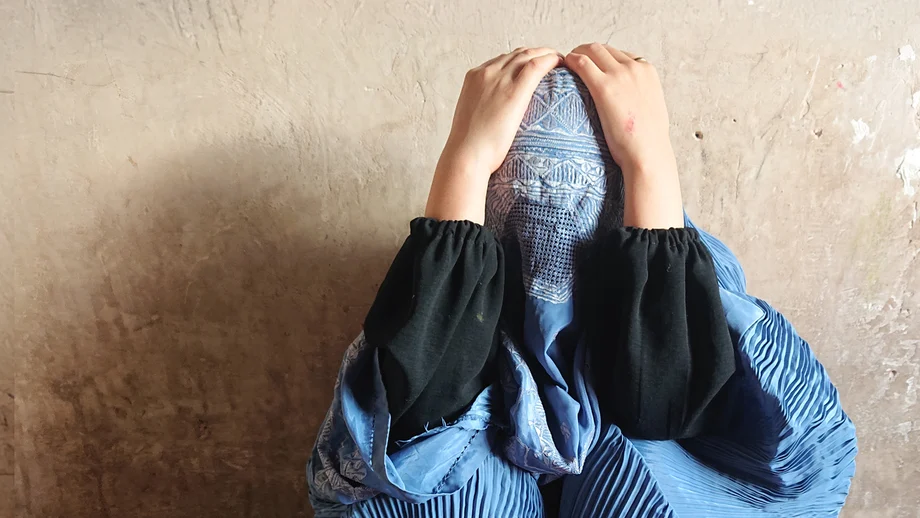
Farida, 37, had already paid for her dental treatment when a clinic in the Bakrabad area of Herat stopped seeing her. Several damaged teeth needed removal and replacement. At her third appointment in July 2026, when implants were supposed to be fitted, staff sent her home. Two days later, they told her that Taliban morality authorities had barred male dentists from treating women.
Contents
- Paid treatment, then a closed door
- A verbal order reaches the treatment room
- Emergency care also faces restrictions
- A guardian may still be insufficient
- The training ban narrows the alternatives
- How the restrictions accumulated
- Women in Nangarhar describe missing staff
- The UN warns of risks to mothers and babies
- Names disappear and clinics keep watch
- Key Points
Three months later, her treatment remained unfinished. Farida had returned from Iran with her family earlier that year and struggled to afford care. Severe pain had finally pushed her to seek help, despite the cost. The interruption left her unable to eat or drink properly.
Her experience reflects restrictions described by patients and doctors across Afghanistan: male practitioners face orders against examining women, while women face shrinking opportunities to train or work as medical professionals. Dental clinics have received warnings of imprisonment, and some doctors arrange for someone to watch for Taliban officials while they treat female patients.
No nationwide restriction on male dentists treating women has been publicly announced. Enforcement described in clinics varies by location, from requirements for a male relative or female assistant to orders stopping treatment altogether. For patients, that means the ability to obtain care can depend on the rules enforced at a particular clinic.
A documented incident in Kandahar shows how those rules operate. Afghanistan Justice's September 2025 decree entry records a verbal order affecting dental clinics in three city districts. Women were reportedly removed because no female dentists were available, leaving them without treatment at those facilities.
A verbal order reaches the treatment room
The Kandahar entry, dated September 24, 2025, identifies districts 2, 4 and 11 as places where officers from the Ministry for the Promotion of Virtue and Prevention of Vice instructed male dentists to stop treating female patients. It records warnings that dentists who disobeyed could be imprisoned.
The database documents the order through local testimony rather than a published national decree. An unnamed head of a dental clinic described officers arriving during the working morning and removing patients:
It was around 10 a.m. when the Vice and Virtue officers arrived. They removed the female patients from the clinic and told us that from now on, male doctors are not allowed to treat women's dental issues.
Farida's later experience in Herat shows a similar interruption at a different stage of care. Her clinic had already examined her, accepted payment and begun a treatment plan. The restriction stopped that plan before completion, leaving a patient who had found a provider and raised the money still unable to receive the care she needed.
Emergency care also faces restrictions
Samim, a surgeon with 15 years of experience at a public hospital in northern Afghanistan, described restrictions extending beyond dentistry. He said doctors were prevented from directly examining female patients even when their condition was critical.
Samim explained the instruction through the Taliban's requirement for a mahram, a husband or close male relative who accompanies a woman:
We are not allowed to directly examine female patients because we are not their mahram. It makes no difference how simple the procedure is or how critical the patient's condition may be.
Other doctors describe conditions under which treatment can proceed, including the presence of a male guardian or having certain procedures carried out by female nurses. These arrangements require patients to find more than an available doctor. They may also need a relative who can accompany them and a female worker who can assist.
The practical result is especially serious when an examination cannot wait. A restriction on touching or examining a patient reaches the basic work of medicine: finding the cause of pain, assessing an injury and deciding what treatment is necessary.
A guardian may still be insufficient
One patient arrived at a male doctor's practice with her father but was still told to wait. The practice had no female staff. She was told another female patient would need to arrive with her own male guardian so that the woman could assist if necessary, because the doctor could not touch a female patient.
That experience contrasts with a public assurance made in February 2026 by Hamdullah Nomani, identified as the Taliban's communications minister. He said male doctors would be considered mahram while treating women. Patients and practitioners subsequently described restrictions that continued to prevent direct examinations.
Family expectations can create another barrier. Rahima, from Kunar province, described an elderly relative travelling hundreds of miles to Kandahar for dental treatment at her son's clinic. The woman's husband considered it shameful for her to visit male dentists in Kunar because they knew him.
The women and medical workers identified as Farida, Samim, Rahima and Nargis are using changed names. Their accounts describe overlapping pressures from clinic rules, official enforcement and family decisions, each capable of delaying or preventing care.
The training ban narrows the alternatives
Women seeking a female practitioner face a shortage that education restrictions threaten to deepen. Human Rights Watch researcher Sahar Fetrat described the December 2024 medical education ban in the organisation's medical training statement. According to that account, Taliban supreme leader Haibatullah Akhundzada issued the order, which was announced at a Ministry of Public Health meeting.
Directors of private medical training institutions were summoned and instructed about the decision. Medical institutes had been one of the remaining routes through which women could continue studying after restrictions on secondary schools and universities.
The consequences extend beyond future doctors. Medical institutes also train nurses, midwives and other health workers. When women cannot enter these professions, clinics lose a route for replacing staff who leave and for expanding services where female practitioners are already scarce.
Doctors also describe hospitals being barred from hiring female staff. Practising female doctors face requirements to have a male guardian, while the Kandahar decree record describes an earlier directive requiring female health workers to wear a specified hijab and travel to and from work with a mahram.
How the restrictions accumulated
The limits on treatment developed alongside successive restrictions on education. The dates show how access to female medical workers is being squeezed at several stages, from school to professional training and employment.
- September 2021: The Taliban stopped girls from attending secondary school beyond sixth grade.
- December 2022: Women were barred from higher education.
- December 2024: Authorities ordered medical institutions to stop educating women. Human Rights Watch described the announcement on December 2; the UN said the directive reportedly took effect on December 3.
- September 24, 2025: Afghanistan Justice dated its entry documenting the verbal restriction on male dentists treating women in three Kandahar districts.
- February 2026: Nomani said male doctors would be considered mahram while treating female patients.
- May 2026: Facilities in Balkh were reportedly ordered to replace female patients' names with "Bibi", including on prescriptions.
- July 2026: Farida began dental treatment in Herat before the clinic stopped seeing her.
The December 2024 decision closed a training route at the same time that restrictions on male practitioners made female staff more necessary. Women already working in healthcare now carry greater responsibility for serving patients, while the next generation faces barriers to entering the profession.
Women in Nangarhar describe missing staff
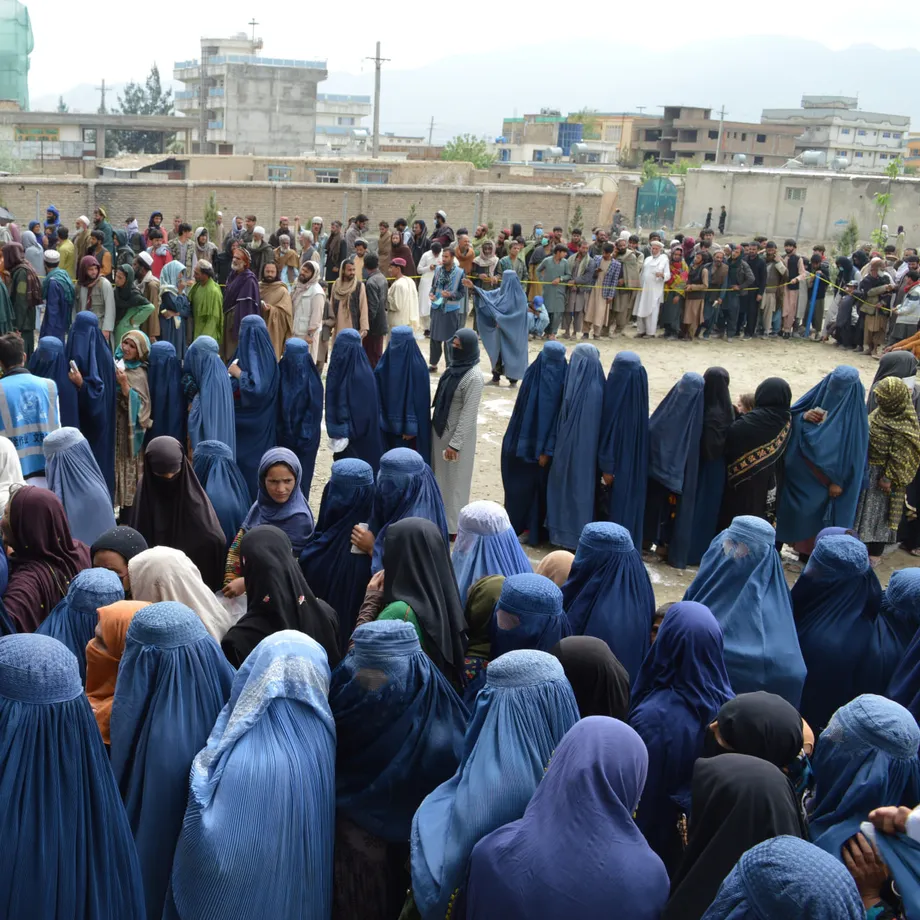
Women in Shinwar district of Nangarhar province describe seeking ultrasound examinations from male doctors because female practitioners are scarce. Some health facilities display female doctors' names on their signs, yet male doctors perform the examinations.
Ultrasound uses sound waves to create pictures inside the body. It can help assess pregnancy or investigate other medical problems. Women in Shinwar said some examinations by men, particularly ultrasound, were difficult for them for cultural and personal reasons. They asked health authorities to make female doctors and other female health workers more accessible.
Their experiences show that male practitioners still provide some services to women in parts of Afghanistan, alongside much stricter enforcement elsewhere. They also show that a sign advertising a female doctor may not match the service a patient receives.
For a woman seeking privacy and a qualified practitioner, the shortage creates an immediate problem. Restrictions on training then stretch that problem into the years ahead, reducing opportunities to increase the number of women able to perform examinations and provide care.
The UN warns of risks to mothers and babies
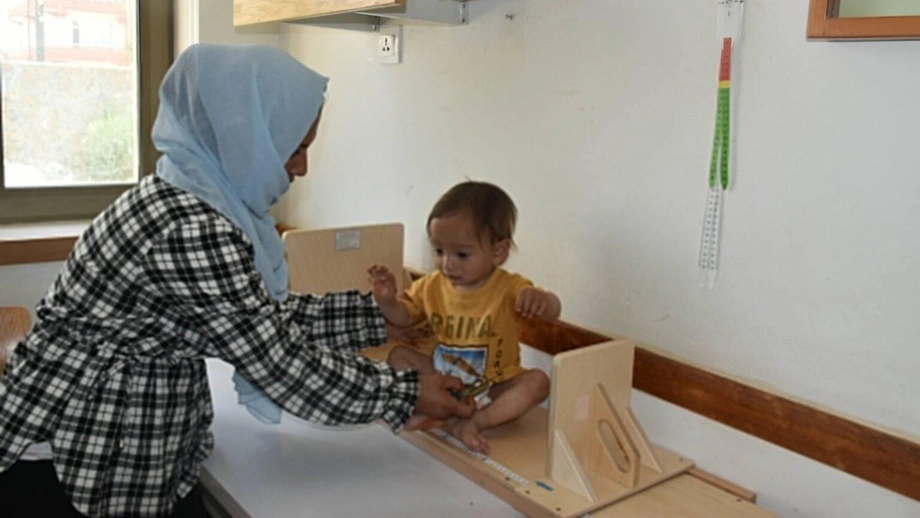
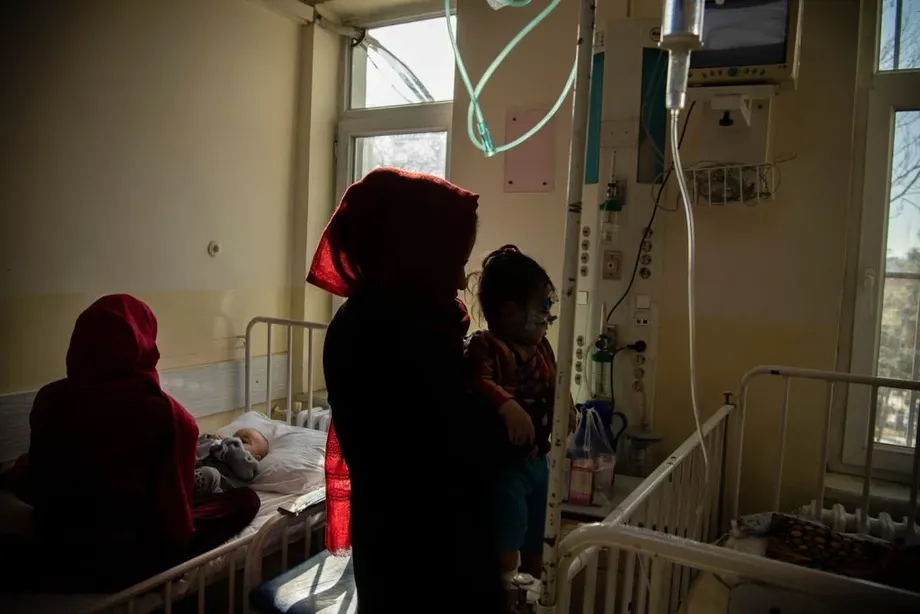
The UN human rights office condemned the medical education ban on December 5, 2024. Its statement on medical education warned that stopping training would threaten the future availability of nurses and midwives in a country already suffering from one of the world's highest maternal mortality rates.
Ravina Shamdasani, spokesperson for the Office of the UN High Commissioner for Human Rights, described the directive's consequences for women and girls:
It is profoundly discriminatory, short-sighted and puts the lives of women and girls at risk in multiple ways.
The UN account said male medical staff were prohibited from treating women unless accompanied by a male relative. The later patient accounts describe places where that condition has become more restrictive, including practices where the presence of a father still did not allow an examination to proceed.
The UN Assistance Mission in Afghanistan also warned that the education directive would damage healthcare and the country's development. Richard Bennett, the independent expert appointed by the UN Human Rights Council to monitor human rights in Afghanistan, called the ban "inexplicable and unjustifiable" and urged its reversal.
Names disappear and clinics keep watch
In Balkh, officials reportedly instructed hospitals, private practices and clinics in May 2026 to call female patients "Bibi" rather than use their names. The instruction extended to prescriptions, taking restrictions into the written records used during treatment.
In Jalalabad, dental clinic assistant Nargis described another adaptation: some doctors arrange for someone outside to watch for Taliban officials while they treat women. Her account places the threat of enforcement inside an ordinary appointment, with staff monitoring who might arrive while a patient receives care.
Women describe choices between seeking treatment that could expose themselves and clinic staff to punishment, turning to female providers without suitable qualifications, or continuing to live with pain and illness. Farida's unfinished dental work gives those choices a concrete form: money paid, treatment begun and basic eating still difficult months later.
The combined restrictions affect both today's appointment and tomorrow's workforce. Orders against male practitioners reduce who can treat women now. Limits on education, recruitment and movement reduce the number of female professionals who could provide an alternative.
Key Points
- Women and doctors describe restrictions on male practitioners treating female patients across several Afghan provinces.
- A September 2025 decree entry records a verbal order affecting dental clinics in three Kandahar districts, including threats of imprisonment.
- Farida, 37, was left with unfinished dental treatment in Herat despite paying in advance.
- Requirements vary by location, and some patients describe being unable to obtain examinations even with a male guardian present.
- The December 2024 ban on women's medical education stopped a remaining route into nursing, midwifery and other health professions.
- Women in Nangarhar report shortages of female practitioners, while the UN has urged reversal of the medical education ban.