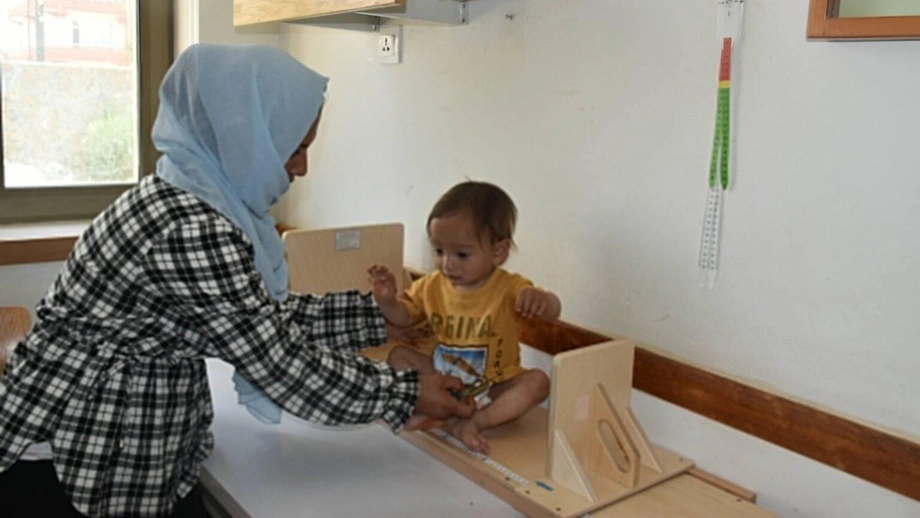
Millions of children need treatment as services shrink
Afghanistan has 3.7 million children suffering from acute malnutrition, UNICEF warned on November 11, 2026, renewing an appeal for sustained funding as drought damages food supplies and treatment services struggle to stay open. The warning follows months of rising hospital admissions, widespread shortages of nutritious food and the closure of more than 100 sites treating children with severe wasting.
Contents
- Millions of children need treatment as services shrink
- What the latest measurements show
- Why babies face the greatest danger
- A hospital recovery shows what treatment requires
- What children eat before they reach hospital
- Drought, floods and returns put families under pressure
- Funding losses are closing the places children depend on
- Supply disruptions explain sharp swings in treatment
- The climate appeal reaches COP31
- Key Points
UNICEF's November announcement also described another 1.65 million children as being in critical condition. In its August assessment, the agency had put the number with life threatening severe acute malnutrition at around 1 million, included within the 3.7 million total. UNICEF's November announcement did not explain how the 1.65 million category relates to those earlier figures.
Daniel Timme, a UNICEF official speaking in a video, linked worsening food insecurity to climate change and its consequences. Drought has dried up water sources and destroyed orchards, weakening families' ability to feed their children and earn a living.
The agency's warning coincided with the COP31 climate summit, where it called for decisions and investment to protect vulnerable communities. Afghanistan contributes little to global greenhouse gas emissions, UNICEF said, yet faces severe damage from a changing climate.
Evidence gathered throughout 2026 shows how the emergency has developed: more children are becoming dangerously thin, babies account for a large share of complicated hospital cases, and funding shortages are reducing access to care just as demand rises.
What the latest measurements show
UNICEF's nutrition bulletin for the third quarter of 2026 recorded acute malnutrition among 12% of assessed children, up from 9.3% in the previous quarter and 11% a year earlier. The quarterly increase was 2.7 percentage points, or about 29% relative to the earlier rate.
Community health workers assessed 19,822 children aged 6 to 59 months at 465 monitoring sites across 401 districts. They measured the circumference of children's upper arms and checked for swelling, signs used to identify acute malnutrition.
Sixteen of Afghanistan's 34 provinces reached the bulletin's critical threshold of 10%, compared with 10 provinces in the first quarter and 11 in the second. Another 16 provinces recorded rates between 5% and just under 10%. Conditions worsened compared with a year earlier in 22 provinces.
Zabul and Daykundi recorded acute malnutrition in about one in four children assessed. Severe acute malnutrition was highest in Zabul and Kandahar, both at 7.3%, followed by Helmand at 6.1%, Daykundi at 5.6% and Nuristan at 5%. UNICEF also identified worsening conditions in Sar-e Pul and Baghlan.
Across the monitoring sites, severe acute malnutrition rose from 2.3% to 2.6% between the second and third quarters, while moderate acute malnutrition increased from 7% to 9.4%. Among children with moderate malnutrition, 26% were considered at high risk of deterioration, compared with 19% in the first quarter.
Save the Children separately said acute malnutrition affected 3.7 million children under five in 2026, a 14% increase over four years. Its August assessment found worsening conditions in two thirds of provinces during the second quarter compared with the same period in 2025.
Why babies face the greatest danger
Dr. Tajudeen Oyewale, UNICEF's representative in Afghanistan, described the pressure on hospitals in his August 25 briefing. Nearly 40% of hospital admissions for severe wasting with medical complications involved babies younger than six months. Children under two accounted for 83% of severe acute malnutrition cases.
Wasting means a child is dangerously thin for their height. It can develop when a child gets too little nutritious food, becomes ill, or experiences both at once. Severe wasting requires urgent treatment because a child's body has very limited reserves to withstand further illness.
Oyewale described the overcrowding in southern Afghanistan:
In parts of southern Afghanistan, some hospitals are now seeing three or four severely malnourished children for every available bed.
More than half a million children had been admitted for high risk moderate wasting or severe wasting since the start of 2026 by the time of his briefing. Admissions involving severe acute malnutrition with medical complications rose from 6,000 in July 2025 to 8,000 in July 2026, an increase of one third.
The later quarterly bulletin showed a similar concentration of risk among the youngest children: those under two accounted for 82% of severe cases and 73% of moderate cases. For families, the practical need is early detection, before a child becomes sick enough to require a hospital bed.
A hospital recovery shows what treatment requires
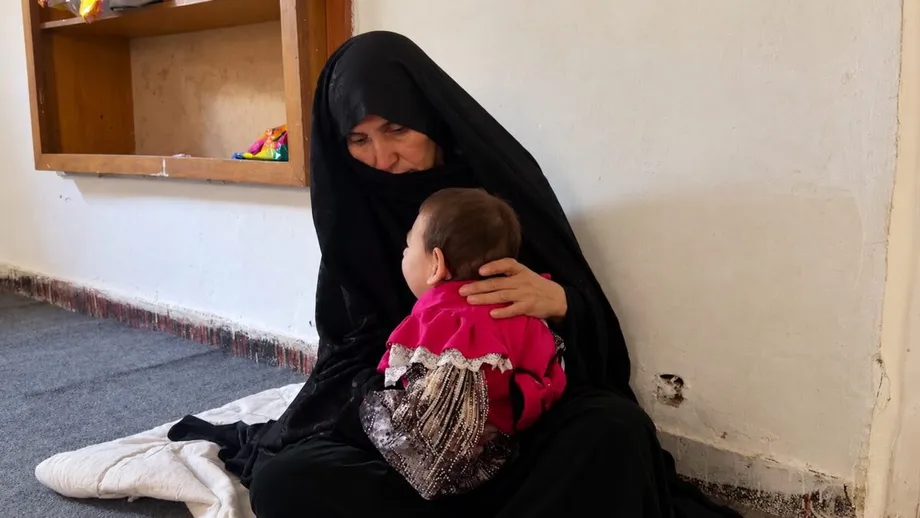
Nine month old Sagida was among the children Oyewale described after visiting Nangarhar Regional Hospital in eastern Afghanistan. She came from a remote village in neighbouring Nuristan that had recently experienced massive flash floods.
A female community health worker trained by UNICEF identified her severe acute malnutrition and referred her to hospital. Sagida weighed just 4 kilograms when she arrived. Oyewale said doctors initially had little hope that she would survive.
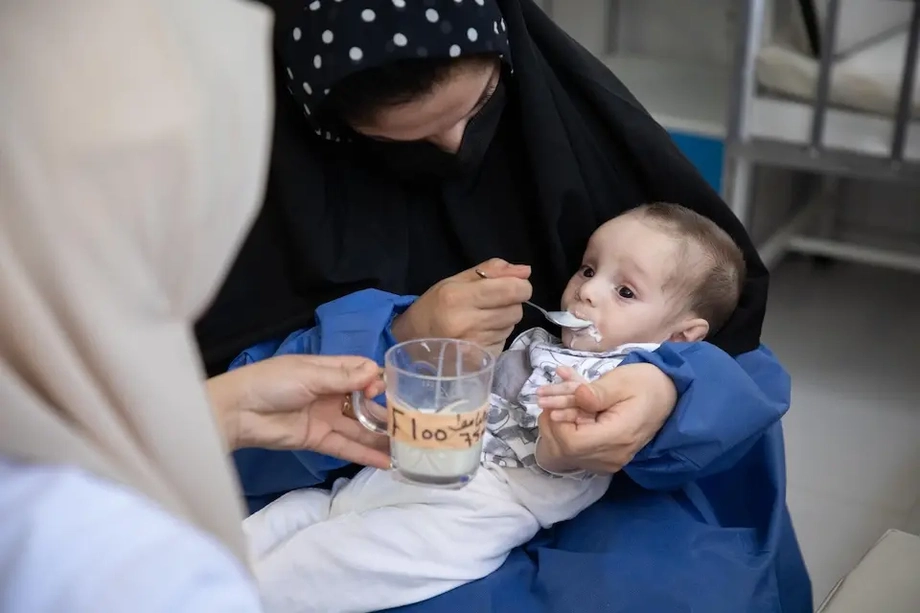
Therapeutic milk helped stabilise her condition. When Oyewale saw her shortly before his August briefing, she remained very frail but was getting stronger. Therapeutic milk is specially prepared nutrition used under medical supervision for children who are too ill or severely malnourished to manage ordinary feeding safely.
Sagida's experience shows the different services a child may need: someone nearby to recognise the danger, a referral to a functioning hospital, trained staff and specialised nutrition supplies. A break at any stage can delay care.
Oyewale also warned that recovery can be followed by relapse when children return to households that still lack nutritious food, clean water or basic healthcare. UNICEF is therefore seeking support for both treatment and the conditions that help children remain healthy after discharge.
What children eat before they reach hospital
UNICEF's report Too Little, Too Late: The Diet Crisis Facing Young Children in Afghanistan examined children's diets across all 34 provinces. Published in July, it found that half of Afghan children were living in severe child food poverty, meaning they ate foods from two or fewer food groups a day.
Families under financial pressure often cut nutritious foods first, then reduce portions or skip meals. A child may still eat something each day while missing the variety of nutrients needed for growth.
From six months, babies need nutritious foods alongside breastmilk. Oyewale said some Afghan children instead receive little more than bread with tea or watered down yoghurt. Those diets leave growing children short of the nourishment they need.
UNICEF's analysis found that children in severely food insecure households could be up to six times more likely to suffer wasting during peak malnutrition periods. Its First Foods Initiative focuses particularly on children aged 6 to 23 months, alongside support for breastfeeding and nutrition during pregnancy.
The third quarter bulletin recorded moderate or severe food insecurity among about 46% of surveyed children, compared with about four in 10 during the same period after the harvest in 2025. The proportion experiencing no food insecurity fell from 19% to 14.6%.
Illness adds to the danger. Nearly 46% of caregivers said their child had experienced watery diarrhoea in the two weeks before the survey. About 71% of surveyed households had safe drinking water, while around one third of caregivers reported washing their hands with soap. Diarrhoea can drain nutrients and fluids from a child who is already struggling to grow.
Drought, floods and returns put families under pressure
Afghanistan has experienced successive years of drought followed by destructive heavy rainfall and flash floods, UNICEF said. Dry conditions reduce water supplies and damage crops and orchards. Floods can then destroy homes, farmland and the routes families use to reach services.
Timme's November appeal connected those environmental pressures directly to children's health and household livelihoods. Losing an orchard can mean losing both food and income, leaving a family less able to buy nutritious meals or pay for travel to a clinic.
Regional instability has also disrupted trade across borders and people's livelihoods. More than six million Afghans have returned from Pakistan and Iran since 2023, as both countries tightened conditions for Afghan refugees and increased deportations. UNICEF said more than half of the returnees were children.
Save the Children described a 12% population increase since September 2023, largely linked to those returns. More families now need jobs, housing and healthcare in communities where services were already stretched.
Ashish Damle, Save the Children's country director in Afghanistan, described the combined pressure from hunger, returns and displacement:
"The international community now faces a choice: Continue responding only after families reach breaking point, or act early enough to protect children's lives, rights and futures," Damle said.
Funding losses are closing the places children depend on
UNICEF's August figures showed that more than 100 sites treating severe wasting had closed compared with 2025 because of resource constraints. Hundreds of other centres supporting children and malnourished pregnant and breastfeeding women had also lost funding.
The wider Nutrition Sector response faced a 57% funding gap. UNICEF's own nutrition programme needed around $180 million for 2026 but was only 22% funded. At that level, about $39.6 million had been covered, leaving approximately $140.4 million unmet.
Save the Children described a broader contraction in healthcare, with about 600 essential facilities closed. Around four million people, half of them children, had relied on those services. The organisation said it had kept 14 clinics operating and was providing healthcare to 10,000 people in mountainous areas of northern Afghanistan.
Humanitarian aid fell from $3.27 billion in 2022 to $1 billion in 2025, a reduction of roughly 69%. By the middle of 2026, $438 million had been secured, leaving a reported funding gap of 74% for the wider humanitarian response.
International donors reduced or redirected assistance after the Taliban returned to power in August 2021. Restrictions on aid operations, including the ban on female humanitarian staff, have complicated delivery to women and children. Further cuts to United States foreign assistance have added pressure.
For a family, a clinic closure can mean a longer journey, interrupted treatment or no nearby place to enrol a newly diagnosed child. UNICEF's November request therefore covered therapeutic food, nutrition and healthcare, safe drinking water, sanitation and support for household livelihoods.
Supply disruptions explain sharp swings in treatment
UNICEF's quarterly bulletin recorded admissions for moderate acute malnutrition falling from 58,519 in January to 11,068 in June. The June figure was about 9% of the average for that month over the previous five years. The agency linked the decline to border closures and difficulties importing and distributing nutrition supplies.
Admissions rebounded to 109,520 in August as supplies improved, nearly ten times the June figure. For children needing care, reliable stocks and functioning distribution routes determine whether treatment can begin and continue.
By August, programmes had reached about 423,000 children with severe acute malnutrition and 215,000 with high risk moderate acute malnutrition. Admissions for severe cases exceeded their monthly averages over the previous five years in seven of the first eight months of 2026.
Despite that demand, programmes had reached 48% of their annual target for treating severe cases by August, compared with 52% at the same point in 2025. UNICEF planned to expand urban nutrition monitoring to Kabul in early 2027, following its expansion into urban sites in Herat and Nangarhar.
The year's main developments show how rising need has coincided with interruptions in care:
- July 2026: UNICEF published its national study of young children's diets; hospital admissions for severe malnutrition with complications reached 8,000 that month.
- August 25: Oyewale detailed overcrowded hospitals, treatment site closures and the funding shortage.
- Third quarter of 2026: Acute malnutrition reached 12% among children assessed at monitoring sites.
- November 11: UNICEF renewed its warning about 3.7 million affected children and sought sustained support during COP31.
- Early 2027: UNICEF planned to add urban monitoring sites in Kabul.
The climate appeal reaches COP31
UNICEF's call at COP31 connected immediate nutrition needs with investment to protect communities from climate damage. Its appeal sought resources to keep children alive now while helping families retain access to water, food and livelihoods.
United Nations Secretary General António Guterres also urged governments to tax major oil companies' windfall profits and direct the money towards countries facing climate losses and damage. He said nine major oil companies were on track to earn $95 billion in profits over three months.
Guterres framed the proposed funding around responsibility for pollution:
"Polluters must pay," he said.
For Afghan children, UNICEF's immediate priorities remain concrete: enough therapeutic food, treatment within reach, safe water and families able to provide nutritious meals. Its warning is that emergency treatment and household support need sustained funding together, because children remain vulnerable when they return to the same shortages that made them ill.
Key Points
- UNICEF warned on November 11 that 3.7 million Afghan children were suffering from acute malnutrition.
- Third quarter monitoring found acute malnutrition in 12% of assessed children, up from 9.3% the previous quarter.
- Sixteen provinces reached the bulletin's critical threshold; about one in four assessed children in Zabul and Daykundi were affected.
- Babies younger than six months accounted for nearly 40% of hospital admissions involving severe wasting with complications in UNICEF's August briefing.
- More than 100 sites treating severe wasting had closed compared with 2025, while UNICEF's $180 million nutrition programme was only 22% funded in August.
- UNICEF is seeking sustained support for treatment, nutritious food, healthcare, safe water, sanitation and vulnerable families' livelihoods.