Digital projects drive spending toward a new threshold
Thailand needs another 203.46 billion baht in actual investment during the final three months of 2026 to reach 1 trillion baht, after spending on projects promoted by the Board of Investment reached 796.54 billion baht from January through September. The BOI says the annual total could pass that threshold, led by digital infrastructure, electronics, machinery purchases and construction.
Contents
- Digital projects drive spending toward a new threshold
- What actual investment measures
- Machinery and construction account for most spending
- Why digital and electronics lead
- Established industries also receive investment
- Thai suppliers seek a larger share
- Data centers face tighter screening
- FastPass and Japan form the next steps
- The dates behind the investment push
- Key Points
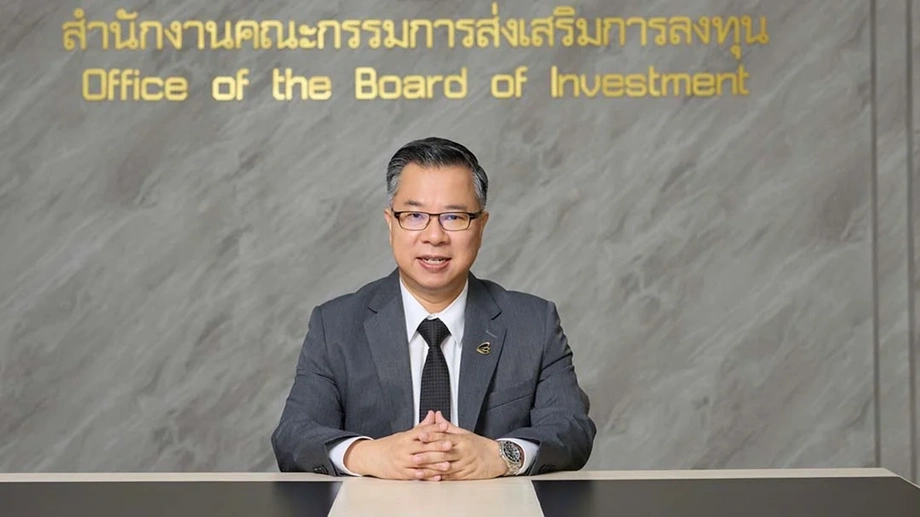
BOI Secretary-General Narit Therdsteerasukdi announced third quarter investment of 260.68 billion baht on November 13, an increase of 28% from a year earlier. Investment over the first nine months rose 27%. The figures track money spent as approved projects move toward construction, equipment installation and operations.
Digital industries attracted 64.18 billion baht during the quarter, more than seven times their level a year earlier. Electronics and electrical appliances followed with 61.17 billion baht, up 20%. Together, they accounted for 125.35 billion baht, or about 48.1% of the quarterly total.
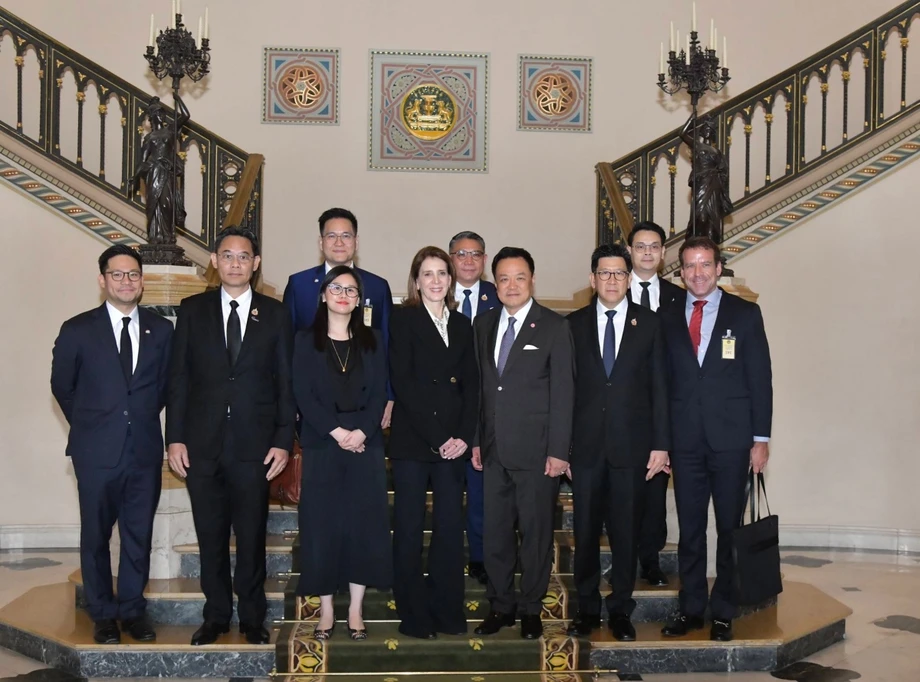
Deputy Prime Minister and Finance Minister Ekniti Nitithanprapas presented the figures to the prime minister on November 13. He described investment as a driver of economic recovery and called for foreign investors to buy more Thai materials and components, develop workers' skills and bring domestic businesses into their supply chains.
The remaining spending needed to reach 1 trillion baht is about 78% of the third quarter total. A full year result at that threshold would be 135 billion baht, or approximately 15.6%, above the 865 billion baht recorded in 2025. Narit's forecast therefore rests on continued implementation of projects already approved, alongside efforts to resolve delays.
What actual investment measures
The BOI figures cover expenditure by projects that have received investment promotion approval. They include construction, machinery, land and other investment items. An application describes what a business proposes to invest; actual expenditure records money being spent as that project takes shape.
Narit said the government had made tracking this spending a priority. Over the past year, the BOI has strengthened systematic monitoring every quarter and coordinated with investors and relevant agencies to address problems that could delay factory construction, equipment installation or the start of operations.
Ekniti also drew attention to spending already taking place rather than applications for investment incentives. The BOI's detailed figures put third quarter growth at 28%; a description of Ekniti's initial briefing gave 2.8%, while the fuller account of his remarks also used 28%.
The monitoring effort follows another attempt to improve Thailand's economic measurements. Officials began a review of factory statistics after identifying electronics producers with output valued at about 800 billion baht that had been missing from an industrial index. That review concerns goods being produced, while the BOI series tracks expenditure on investment projects.
Machinery and construction account for most spending
Machinery investment reached 136.5 billion baht in the third quarter, rising 37% from a year earlier. Construction expenditure increased 39% to 96.279 billion baht. Together, the two categories represented about 89% of the quarter's actual investment, according to the BOI.
Machinery alone accounted for roughly 52% of the total, while construction represented about 37%. Land and other investment items amounted to 27.906 billion baht. For contractors, equipment suppliers and workers, the progress of projects through these stages determines when orders and employment opportunities arrive.
Narit, the BOI secretary-general, described the change in project activity:
Over the past three quarters, we have seen actual investment grow continuously, particularly spending on construction and machinery,
He explained what that spending meant for the projects being monitored:
This shows that many large-scale projects have moved beyond the business planning stage and into actual implementation.
Why digital and electronics lead
The BOI linked the strongest sector results to large projects in digital infrastructure, semiconductors and advanced electronics. Printed circuit boards and equipment associated with artificial intelligence were among the activities drawing investment.
Printed circuit boards, commonly called PCBs, hold and connect the electronic components inside devices. Semiconductors are the chips that process information or control electronic functions. Both are used in equipment supporting data processing, communications and modern manufacturing.
Ekniti highlighted smart electronics, including sensors used around modern vehicles and components for transmitting data through optical connections. His description shows how investment in digital technology can extend into established manufacturing activities such as automotive components.
Samut Prakan offers one example of the range of businesses entering industrial developments. Araya The Eastern Gateway, identified as Thailand's first certified smart industrial estate development, has attracted companies involved in advanced electronics, consumer goods, home improvement, machinery, data centers and medical devices.
A data center is a facility containing computers that store and process information. Such projects create demand for buildings, electrical systems, cooling equipment and computing hardware. The question for Thai suppliers is which parts of those orders they can win as investment expands.
Established industries also receive investment
Agriculture and food processing received 27.072 billion baht in actual investment during the third quarter. Energy and utilities followed with 23.988 billion baht, while automotive manufacturing and parts attracted 18.181 billion baht.
Minerals, metals and materials recorded 15.227 billion baht, and tourism received 11.193 billion baht. These five sectors together accounted for 95.661 billion baht, or about 36.7% of the quarterly total.
Narit said investment was reaching established industries and services as well as newer technology businesses. The sector figures show that food production, vehicles, utilities and tourism remain substantial destinations for spending even as digital projects grow rapidly.
The government's planned Japan investment trip reflects that wider focus. Alongside smart electronics and modern vehicles, the delegation was expected to include representatives from agriculture, processed food, hospitality, retail and other services.
Thai suppliers seek a larger share
Ekniti said investment had generated employment for about 600,000 Thai people since the start of the year. He also called for greater skills transfer and instructed the BOI secretary-general to accelerate discussions with investors about buying from Thai businesses.
Khajornsak Sampanwichean, chief executive of DC Design Solution, described a different experience for some domestic engineering businesses. He said some data center projects backed by Chinese investors brought in foreign contractors, designers and construction materials, leaving Thai engineers with a limited role.
More than 35 data center projects have been cited in the Eastern Economic Corridor. Thai contractors have secured civil construction and external electrical work on projects backed by investors from Western countries, Singapore and Japan, while major computing equipment and advanced cooling systems have largely been imported.
PCB investment presents another supply chain challenge. Manufacturers from Taiwan and China have brought suppliers of materials and production equipment into Thailand alongside their factories. Associated investment in advanced materials has been estimated at 20 billion to 30 billion baht.
Those suppliers produce items such as copper laminates, chemicals used to make circuit patterns and precision machinery. Thai businesses seeking orders from the new factories must compete within production networks whose purchasing relationships often began abroad.
The Federation of Thai Industries estimates that data center and artificial intelligence investment could attract 1.2 trillion to 2 trillion baht. It has urged stronger connections with Thai suppliers so that investment produces more domestic orders and access to technology. That estimate describes potential investment across those activities, while the BOI's 796.54 billion baht figure measures expenditure already recorded across promoted sectors during nine months.
Data centers face tighter screening
The cabinet approved a framework for overseeing data centers on November 10, 2026. It divides projects into seven categories according to electricity demand, ranging from less than 0.5 megawatts to more than 200 megawatts. A megawatt measures power demand, helping authorities assess the scale of electricity infrastructure a project needs.
The framework requires projects using at least 20 megawatts to be located in industrial areas. It also provides for a review of 57 projects that have already received investment promotion approval, including checks on projects holding electricity and water allocations without concrete investment plans.
The BOI's screening covers four areas: energy readiness and security, water management, environmental and planning requirements, and benefits for Thailand. The measures include a target for Thai personnel to represent at least 50% of employment, development of domestic suppliers, connections with smaller businesses and affordable access to cloud computing for startups and educational institutions.
No new data center promotion applications had been filed since stricter screening began in April 2026, according to the BOI information cited in the account of the measures. Businesses were still awaiting detailed operating rules, including numerical minimum requirements for domestic materials and Thai contractors.
Existing projects moving through construction and equipment installation can continue contributing to actual investment while authorities review conditions for future projects. For domestic firms, the practical rules on purchasing, contractor participation and skills development will shape which opportunities become accessible.
FastPass and Japan form the next steps
The BOI plans to use its Thailand FastPass mechanism and work proactively with investors and relevant agencies to accelerate implementation. Narit said more approved projects were approaching factory construction, machinery installation, hiring and the start of operations.
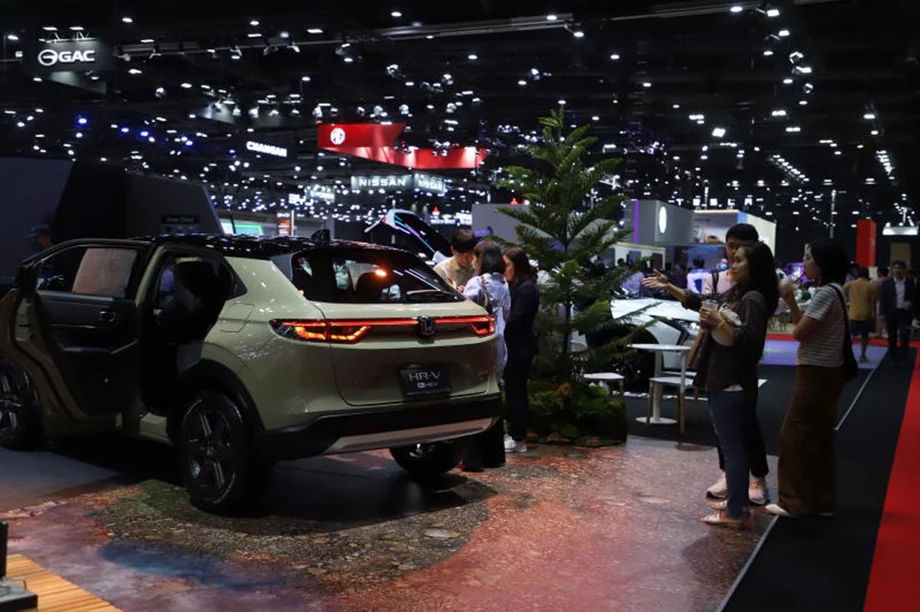
Ekniti planned to lead an investment delegation to Japan in the week following his November 13 briefing. The group was expected to include the Federation of Thai Industries, the Thai Bankers' Association and the Thai Chamber of Commerce.
Representatives from seven sectors were due to participate: modern agriculture, processed food, smart electronics, modern vehicles, hotels and restaurants, wholesale and retail trade, and the creative economy. Wellness businesses were also expected to join.
Ekniti said Japanese automotive investors had requested meetings and expressed interest following changes to Thai excise taxes intended to encourage investment. He presented Thailand as neutral and able to trade with different sides, using the phrase "Trusted Connector" to describe a country trusted to connect trading partners during international tensions.
The dates behind the investment push
The investment figures arrive as Thailand tightens oversight of large digital projects and seeks additional business from Japan. The sequence connects spending already recorded with decisions affecting the next wave of investment:
- April 2026: Stricter screening of data center promotion applications began.
- July through September 2026: BOI promoted projects recorded 260.68 billion baht in actual investment.
- January through September 2026: Cumulative actual investment reached 796.54 billion baht.
- November 10, 2026: The cabinet approved the data center oversight framework.
- November 13, 2026: Narit disclosed the investment results, and Ekniti presented the figures to the prime minister.
- The following week: Ekniti planned an investment roadshow in Japan.
- October through December 2026: Investment during the final quarter will determine whether the annual total exceeds 1 trillion baht.
The final quarter needs more than 203.46 billion baht to take the annual result above that level. For Thai workers and businesses, the accompanying priorities are concrete: jobs, training, construction contracts and orders for locally supplied materials and components.
Key Points
- Actual investment in BOI promoted projects reached 796.54 billion baht in the first nine months of 2026, up 27%.
- Third quarter spending totaled 260.68 billion baht, with digital industries and electronics accounting for about 48.1%.
- Machinery and construction represented about 89% of quarterly investment.
- The BOI expects annual investment could exceed 1 trillion baht, compared with 865 billion baht in 2025.
- The government wants investors to hire and train more Thai workers and buy more from domestic suppliers.
- Data centers face tighter scrutiny of electricity, water, location and benefits for Thailand, alongside a review of 57 approved projects.