Cabinet opens the way for a Manila announcement
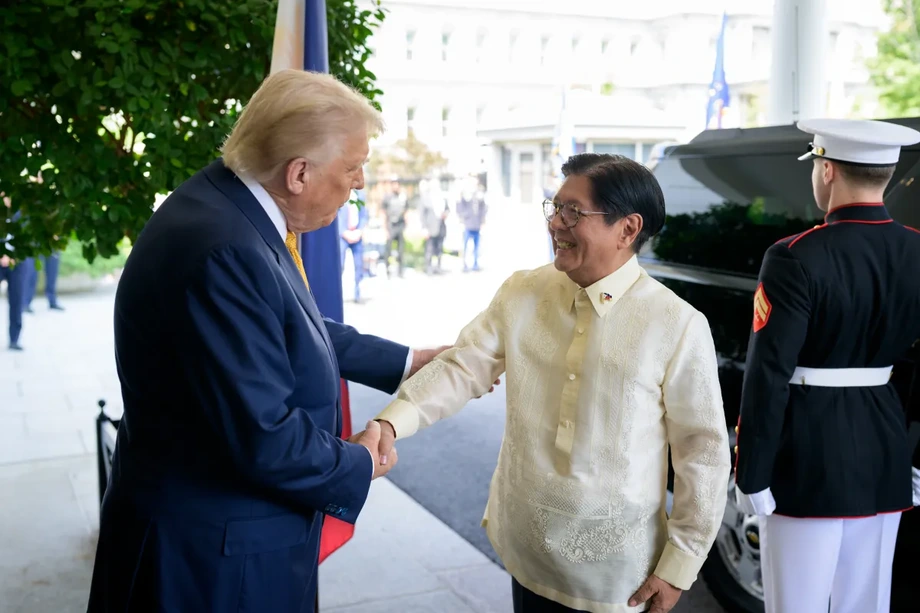
Thailand has authorised Prime Minister Anutin Charnvirakul to announce or sign a joint statement with US President Donald Trump confirming substantial progress toward an Agreement on Reciprocal Trade, while leaving the final agreement, its detailed terms and implementation for later steps.
Contents
- Cabinet opens the way for a Manila announcement
- What Anutin has permission to sign
- The earlier framework already sets out a broad bargain
- Why the tariff figures need careful explanation
- Market access would reach beyond import taxes
- Digital rules, labour protections and major purchases
- How the negotiations reached this stage
- China talks form part of the same diplomatic week
- What businesses can expect next
- Key Points
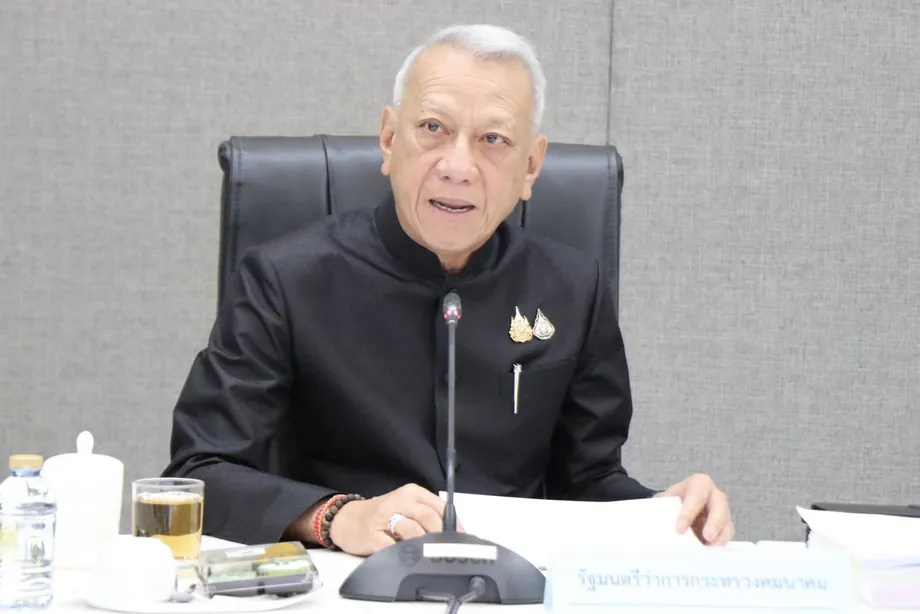
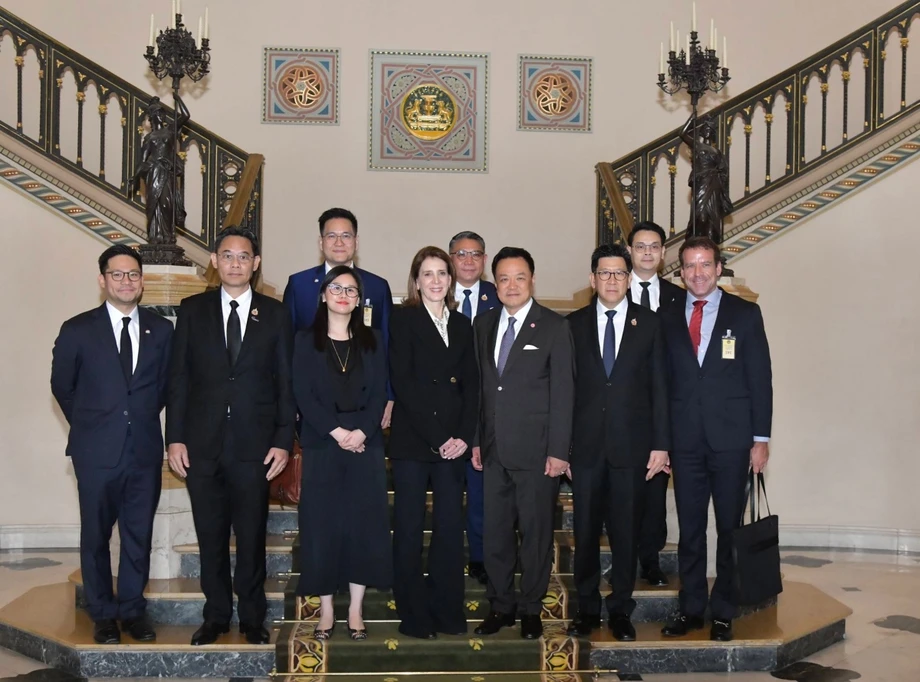
The Cabinet approved the Commerce Ministry's draft on November 10, 2026. The government expects the announcement during Anutin's November 15 to 17 visit to Manila for ASEAN meetings. Deputy Prime Minister and Commerce Minister Suphajee Suthumpun said the precise meeting and announcement still awaited confirmation from the two leaders.
Deputy Prime Minister and Foreign Minister Sihasak Phuangketkeow said on November 11 that the countries had settled the main principles and that he believed both sides were satisfied. Speaking at Government House, he described the negotiations as completed at that level:
The negotiations are finished,
Sihasak also said numerous details remained to be addressed and that the agreement would need parliamentary consideration. His comments describe a political breakthrough followed by further legal work, approval and eventual implementation.
The proposed statement contains no tariff rate and does not disclose the substantive terms agreed. For businesses, the immediate development is therefore a clearer signal about the direction of negotiations, with the rules affecting shipments and investment still moving through the approval process.
What Anutin has permission to sign
Anutin, who also serves as interior minister, may announce the statement, sign it, or do both. The Cabinet also allowed the signatory to make changes that leave its substance intact and protect Thailand's interests without returning for another Cabinet decision.
The draft is intended to confirm that Thailand and the United States have reached a substantial conclusion in negotiations. In everyday language, the governments agree on the central bargain while lawyers and officials complete the text and required procedures.
Thai authorities describe the statement as a political declaration that creates no obligations under international law. On that basis, they classify it outside the treaty and international agreement provisions of Section 178 of Thailand's Constitution.
Cabinet approval was still required because the declaration concerns foreign relations and represents a commitment by the government. Relevant agencies reviewed the draft and raised no objections. The final trade agreement will follow its own approval process, including parliamentary consideration described by Sihasak.
The earlier framework already sets out a broad bargain
The White House's October 2025 joint framework statement provides the clearest published account of the intended trade package. It says Thailand will eliminate tariff barriers on approximately 99 percent of goods, covering US industrial products, food and agricultural goods.
The document says the United States will maintain a 19 percent reciprocal tariff on goods originating in Thailand and identify certain products eligible for a zero percent reciprocal rate. Goods originating in Thailand are products that meet the applicable rules for being treated as Thai goods, rather than products simply shipped through the country.
A tariff is a tax charged when goods enter a country. The importer pays it at the border, and the added expense can affect prices, supplier choices and the amount exporters can charge.
Thailand previously faced a proposed US reciprocal tariff of 36 percent. The framework's 19 percent figure is 17 percentage points lower. On a hypothetical shipment valued at $100, that difference represents $17 in reciprocal tariff charges, before any other duties or costs.
The White House document builds on the 1966 Treaty of Amity and Economic Relations and the 2002 Trade and Investment Framework Agreement. It also said the countries would finish negotiations in the coming weeks. The November 2026 announcement would arrive more than a year after that framework was published.
Why the tariff figures need careful explanation
Anutin said on November 5 that he expected a negotiated tariff of approximately 19 percent. He said existing tariff arrangements would continue until the main agreement was formally signed, while legal teams examined its wording.
The tariff history since the 2025 framework includes further reported changes in US law and policy. A US Supreme Court decision in February 2026 reportedly held, by six votes to three, that the International Emergency Economic Powers Act did not authorise reciprocal tariffs. A temporary 10 percent measure under Section 122 followed, lasting until July 24.
After July 24, the reported Section 301 rate for Thailand was 12.5 percent, with 2,120 product categories exempted, compared with 10 percent for Malaysia and Indonesia. Those figures concern a later tariff arrangement, while Anutin's approximately 19 percent figure describes his expectation for the negotiated agreement. The latest draft statement supplies no updated tariff schedule.
Accounts of the earlier tariff deadline also give different dates: the Cabinet decision narrative cites July 2, 2026, while the legal chronology places the end of the temporary Section 122 measure on July 24. Businesses need the applicable US customs measure and product classification to calculate charges on a particular shipment.
Suphajee said progress on ART could improve Thailand's prospects for favourable treatment under future US tariff measures, particularly Section 301 action concerning excess production capacity. Excess capacity means factories can produce more than markets readily absorb, potentially increasing pressure to sell abroad at low prices.
Market access would reach beyond import taxes
The White House framework sets out changes to regulations as well as tariffs. Such rules are often called non tariff barriers because they affect whether a product can enter a market even when the import tax is low.
Thailand's stated commitments include accepting vehicles manufactured to US federal safety and emissions standards, accepting US Food and Drug Administration certificates and prior marketing authorisations for medical devices and medicines, and issuing import permits for US ethanol used as fuel.
The framework also calls for changes to Thailand's customs reward system associated with breaches and penalties. For agriculture, it includes faster access for meat and poultry certified by the US Food Safety and Inspection Service and requirements grounded in science and risk assessments.
Thai producers could face more competition from US imports if the planned market opening takes effect. Importers could gain access to a wider range of goods, while manufacturers using imported ingredients or equipment could see changes in purchasing options. The effect on individual industries will depend on the final product schedules and rules.
Thailand's early negotiating proposals also included buying more US goods, opening markets under conditions, encouraging Thai investment in the United States and tackling false claims about where products were made. The last issue matters because routing goods through Thailand can become a way to seek tariff treatment reserved for genuinely Thai products.
Digital rules, labour protections and major purchases
The framework reaches into services, technology and investment. Thailand committed to avoid digital services taxes or measures that discriminate against US digital products, support business data transfers across trusted borders and ease restrictions on US ownership in telecommunications.
Other proposed changes include removing requirements to process all domestic retail electronic payments involving debit cards issued in Thailand inside the country, and refraining from film screen quotas. These provisions would affect how foreign businesses operate within Thailand, alongside the rules governing physical goods.
Labour commitments include work on laws protecting freedom of association and collective bargaining, meaning the ability of workers to organise and negotiate together over employment conditions. The framework also addresses forced labour, child labour, environmental enforcement, illegal fishing, wildlife trade, counterfeit goods, copyright piracy and delays in processing patents.
The White House identified planned commercial purchases of US agricultural products worth an estimated $2.6 billion a year and energy products worth $5.4 billion a year. Together, those two categories total $8 billion annually. It separately listed the procurement of 80 US aircraft valued at $18.8 billion.
The document describes those purchases as forthcoming deals between companies. Their delivery schedules and the annual purchasing figures therefore need to be considered separately when assessing the scale of the package.
How the negotiations reached this stage
The talks have lasted about one year and seven months, spanning the governments of Paetongtarn Shinawatra and Anutin. Three commerce ministers have held responsibility during that period: Pichai Naripthaphan, Jatuporn Buruspat and Suphajee.
The main milestones show how an initial response to threatened tariffs became a much broader negotiation:
- April 2, 2025: Trump announced a proposed 36 percent reciprocal tariff on Thai goods.
- April 17 to 23, 2025: Thai negotiators held discussions with the Office of the US Trade Representative in Washington, presenting proposals on imports, market access, product origin and investment.
- August 1, 2025: Thailand's Cabinet endorsed an earlier framework providing for a 19 percent US reciprocal rate.
- October 2025: The White House published the detailed framework covering tariffs, regulation, investment and planned commercial purchases.
- June 2, 2026: Anutin instructed Suphajee to accelerate work on outstanding issues.
- October 6, 2026: Government spokesman Ekkapob Pianpises disclosed that Trump had written to Anutin expressing an expectation that a tariff agreement would be signed soon.
- November 5 to 11, 2026: Anutin described legal review, the Cabinet approved the proposed statement and Sihasak confirmed agreement on the main principles.
Security diplomacy has also accompanied the trade discussions. Trump linked trade progress to ending Thai and Cambodian clashes in July 2025. Anutin said on November 5, 2026, that Thailand had fulfilled commitments to Trump involving military measures, peace efforts and mine clearance.
China talks form part of the same diplomatic week
Anutin's travel takes him from ASEAN meetings in the Philippines to the APEC Economic Leaders' Meeting in China. The government describes its Manila announcement window as November 15 to 17, while the broader ASEAN leaders' meeting schedule has also been listed as November 16 to 18.
Before that travel, Chinese Premier Li Qiang is scheduled to visit Thailand on November 13. Sihasak said Thailand wants Chinese investment in artificial intelligence and electric vehicles, with technology development and training inside Thailand rather than assembly operations alone. Explaining that objective, the foreign minister said:
We want them to develop technology here and transfer knowledge to Thai people,
Tourist safety and cooperation against scams are also on the agenda. Sihasak said Thailand wants clearer communication about risks facing Chinese visitors and closer cooperation in identifying people involved in technology related crime. China is both an important export market and a major source of tourists for Thailand.
Ekkapob said the regional meetings would give Anutin opportunities to meet foreign leaders, investors and business representatives. The secretary general of the Organisation for Economic Co-operation and Development is also expected in Thailand toward the end of November, with discussion topics already being prepared.
What businesses can expect next
Suphajee described a sequence in which lawyers settle the content and wording, the final agreement returns to the Cabinet for approval before signature, and further procedures include parliamentary consideration and public consultation. Detailed terms would become public during that process.
No date has been announced for the final ART signing or its entry into force. Both governments must complete their domestic requirements. The White House framework likewise places those formalities before implementation.
Thailand's government expects the political statement to reduce uncertainty for companies planning production, purchases and investment. The stakes are substantial: the United States accounts for approximately 18 percent of Thai exports, or close to $18 out of every $100 in export value.
A manufacturer deciding where to produce goods needs to know the tariff, the rules governing product origin and the requirements for entering the destination market. A public statement that the central bargain is settled helps planning, while the final legal text supplies the detail needed to price contracts and organise shipments.
The next concrete development is confirmation of the leaders' meeting and announcement. After that, attention shifts to the publication of the agreement's terms and the Thai approval process, where businesses, workers and lawmakers will be able to assess the proposed changes more fully.
Key Points
- Thailand's Cabinet approved a proposed joint trade statement with the United States on November 10, 2026.
- Anutin and Trump are expected to confirm substantial progress during the Manila summit period, subject to confirmation of their meeting.
- The declaration contains no tariff rate and creates no obligations under international law.
- The published 2025 framework envisages Thailand removing tariff barriers on approximately 99 percent of goods and a US reciprocal rate of 19 percent, with selected exemptions.
- Legal review, Cabinet approval of the final agreement, parliamentary consideration and other domestic procedures remain part of the process.
- No date has been announced for the final agreement to be signed or take effect.