Two days of talks focus on moving goods across borders
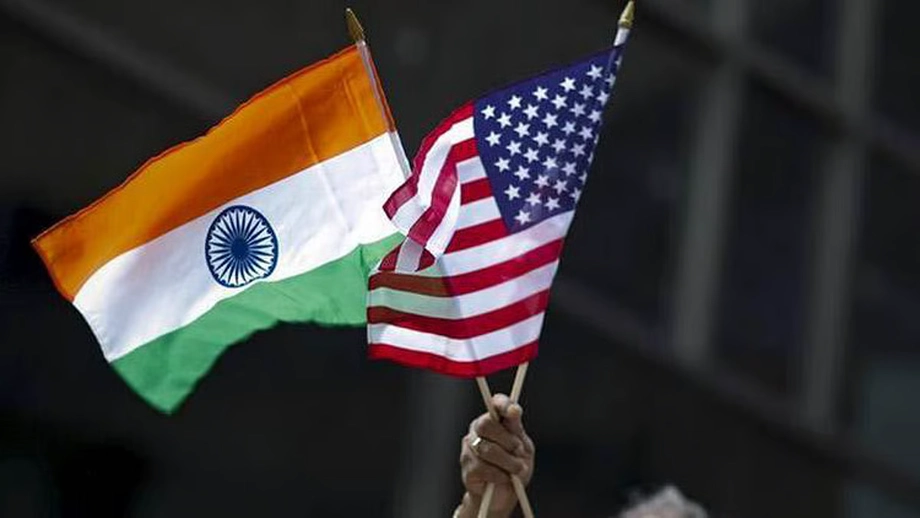
A two-member US delegation held talks with India's Commerce Ministry in New Delhi on November 2 and 3, 2026, focusing on customs procedures, digital customs integration and supply chain security as both governments sought to complete the first part of a proposed Bilateral Trade Agreement (BTA).
Contents
- Two days of talks focus on moving goods across borders
- What the customs discussions covered
- Why tariff terms still matter
- A draft awaits a workable tariff framework
- How the negotiations reached this point
- What the election changes for trade policy
- Farmers and dairy producers remain central
- Jewellery exporters seek predictable terms
- A broader relationship supports continued engagement
- Key Points
Indian government officials said negotiations would continue despite the Democrats winning control of both chambers of the US Congress in the November 3 midterm elections. Their immediate goal remains an interim agreement, an initial package intended to settle some trade issues before a broader pact is completed.
Tariffs and access to India's agricultural and dairy markets remain major obstacles. India is seeking better US tariff terms than competing exporters, including Bangladesh, Vietnam and Cambodia, while Washington's changing tariff arrangements have required further negotiations.
A preliminary draft of the interim agreement is described as almost ready. The remaining work involves both commercial terms, such as how much tax goods face at the border, and the legal framework through which Washington would provide preferential treatment.
What the customs discussions covered
The delegation's discussions covered streamlining customs procedures and removing administrative obstacles that can slow trade even when import taxes are manageable. Customs authorities check shipments, collect duties and enforce rules governing what can enter a country.
Digital customs integration was another subject. In practical terms, this concerns how electronic customs systems and information can work together, helping authorities process trade documents and assess shipments. Supply chain security concerns keeping the movement of goods reliable and protected against disruption or unlawful activity.
For businesses, customs rules affect the journey between dispatching a shipment and delivering it to a buyer. The November discussions addressed that administrative process, while negotiations on tariff levels and market access continued within the broader agreement.
Why tariff terms still matter
India wants its exporters to enter the US market on competitive terms. Its demand for lower tariffs than Bangladesh, Vietnam and Cambodia reflects a basic commercial concern: buyers compare the final price of imported goods, including the taxes charged when they arrive.
A tariff is a tax on an imported product. The importer pays it at the border, and the cost can be shared through higher selling prices or pressure on the price paid to the exporter. Even an exporter with efficient factories can face a disadvantage if competing goods attract a lower duty.
An additional US import duty of 10% took effect on July 24 for India and various other countries, on top of existing most favoured nation rates. Those rates are the standard tariffs applied under the relevant trading arrangements. The additional duty followed a US investigation into forced labour issues under Section 301 of the Trade Act of 1974.
Section 301 gives the United States a process for investigating foreign trade practices and taking action, including imposing tariffs. India is also engaging with Washington over a second Section 301 investigation concerning excess industrial capacity, meaning production capacity greater than demand can absorb.
The tariff discussion therefore involves both the agreement's promised preferences and duties arising from US trade investigations. Concerns about possible sanctions connected with India's purchases of Russian oil add another pressure to the wider negotiations.
A draft awaits a workable tariff framework
India and the United States announced a framework for an interim agreement in a joint statement on February 7, 2026. Subsequent changes to the US tariff system affected the negotiations.
The agreement remained unsigned after the US Supreme Court invalidated the legal basis for the preferential tariff mechanism Washington had offered. India is awaiting a replacement arrangement that would give its exporters competitive access relative to suppliers from other countries.
A preferential tariff framework sets out how selected trading partners receive more favourable import duties. For Indian exporters, the central issue is the treatment their goods would receive when entering the United States.
By November 11, no signing date, replacement tariff schedule or final agricultural and dairy commitments had been announced. US officials were considering India's demand for better tariff terms, while the two governments remained in regular contact over the first phase.
How the negotiations reached this point
Prime Minister Narendra Modi and President Donald Trump launched the BTA negotiations following their meeting in Washington on February 13, 2025. The talks have since moved through a framework announcement, changes in US tariffs and detailed discussions on individual chapters.
The main milestones show how political assurances and technical negotiations have proceeded alongside each other:
- February 13, 2025: Modi and Trump met in Washington, setting the negotiations in motion.
- February 7, 2026: The two governments issued a joint statement outlining a framework for an interim agreement.
- July 24, 2026: An additional US import duty of 10% took effect for India and various other countries.
- October 20, 2026: US Secretary of State Marco Rubio said in Mumbai that the countries were close to an agreement.
- October 26, 2026: Commerce and Industry Minister Piyush Goyal said most discussions had concluded.
- November 2 and 3, 2026: The US delegation discussed customs and trade facilitation in New Delhi.
- November 3, 2026: US midterm elections changed control of both chambers of Congress.
Goyal, speaking during a visit to the Netherlands on October 26, described the remaining negotiations as work on the details:
We have concluded most of the discussions and are fine-tuning the agreement,
Rubio had expressed similar confidence six days earlier. Speaking to reporters in Mumbai, the US secretary of state said:
I think there's a small number of items to wrap up, so I think that will happen shortly,
What the election changes for trade policy
The Democrats' victories in the Senate and House of Representatives have encouraged some Indian exporters who hope Congress will constrain Trump's tariff and immigration agenda. Indian officials, however, expect the technical trade discussions and wider bilateral relationship to continue.
The president retains executive powers after a congressional election. Congress can influence legislation, oversight and the political debate, while tariff measures introduced through executive authority follow a different process.
Kirit Bhansali, chairman of the Gem & Jewellery Export Promotion Council (GJEPC), explained why exporters are watching decisions by the administration as well as changes in Congress:
The tariffs introduced earlier were executive measures and were not enacted through congressional legislation,
Samir Saran, president of the Observer Research Foundation, also expects continuity in US trade and industrial policy. In his assessment, support for domestic manufacturing, resilient supply chains and reducing dependence on China extends across party lines. He said Congress also wants a greater role in discussions shaping tariff policy.
Those shared priorities help explain why a change in congressional control may alter the negotiating environment while leaving substantial US trade demands in place.
Farmers and dairy producers remain central
Access to India's agricultural and dairy markets remains a sticking point alongside tariffs. Market access means the conditions under which foreign products can be sold in a country, including import duties and other entry requirements.
Goyal has said the agreement would protect India's sensitive interests, including those of farmers and other stakeholders. He has also expressed confidence that the public would welcome the agreement once its details were released and that India would gain a strong competitive position.
India's negotiating task combines two demands: securing better treatment for its exporters in the United States and protecting sensitive domestic sectors when considering American requests. Customs improvements address the movement of goods, while these market access decisions determine the commercial terms on which goods can enter.
Saran argues that India's large domestic market gives it bargaining strength and that New Delhi should exercise patience over the terms. The Observer Research Foundation president put that position directly:
We can wait it out till we get the right deal,
Jewellery exporters seek predictable terms
The United States is one of India's leading markets for gems and jewellery, making the negotiations a practical business concern for the sector. Exporters need to price orders, agree delivery arrangements and make commercial commitments while the tariff framework is still being negotiated.
Bhansali has called for sustained engagement between the two governments and an early agreement to give businesses greater certainty. For an exporter, predictable duties make it easier to estimate the cost a buyer will face when a shipment arrives.
The industry's immediate interest is therefore in the terms of the final arrangement and how reliably businesses can plan around them. A completed customs chapter could improve administrative processes, while an agreed tariff framework would help exporters calculate the price of access to the US market.
A broader relationship supports continued engagement
US Ambassador Sergio Gor has placed the trade negotiations within a relationship that also covers technology, pharmaceuticals, defence and space. At the Automotive Component Manufacturers Association's 66th annual session in New Delhi, he described cooperation across information technology, data centres, defence sales and military exercises.
Gor also cited NASA's invitation to the Indian Space Research Organisation to participate in its Moon Base programme as an area of potential cooperation. His remarks, made public in September, presented the trade discussions as part of a much wider set of economic and security ties.
Indian officials have similarly pointed to the economic, political and security interests supporting continued engagement. The immediate work remains concrete: completing the first trade package, settling tariff treatment and resolving sensitive market access demands while customs specialists develop the procedures that would support trade under an agreement.
Key Points
- A two-member US team held customs and trade facilitation talks in New Delhi on November 2 and 3, 2026.
- Discussions covered administrative obstacles, digital customs integration and supply chain security.
- India is seeking better US tariff terms than competitors including Bangladesh, Vietnam and Cambodia.
- An additional US duty of 10% took effect on July 24, on top of existing standard tariffs.
- Agricultural and dairy market access remain major negotiating issues.
- Indian officials expect negotiations to continue after Democrats won both chambers of Congress.
- The preliminary interim draft is almost ready, but a replacement preferential tariff framework and final commitments remain unresolved.