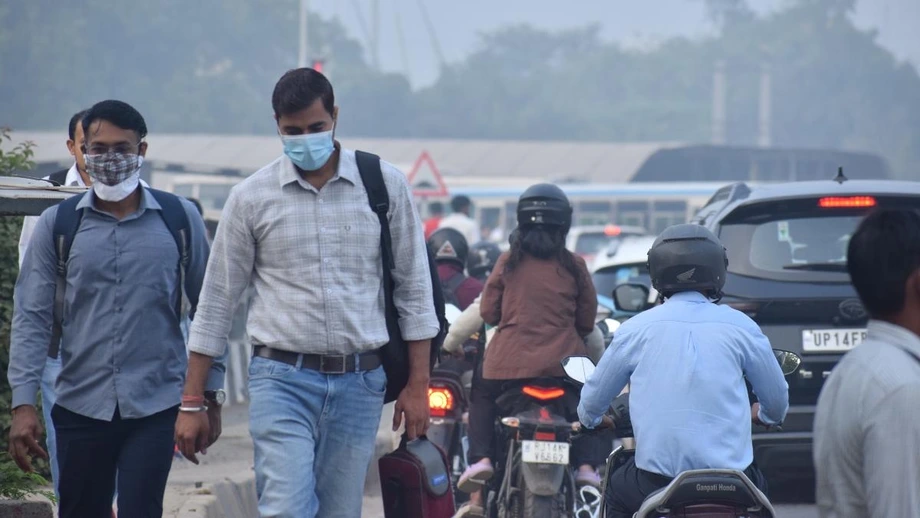
The economic damage extends far beyond hospital bills
Air pollution cost India an estimated $260 billion in 2024, equivalent to roughly 6% of its gross domestic product, through weaker worker output, premature deaths, medical expenses and lost consumer activity. Reducing fine particle pollution by about 20% could avert approximately $85 billion in annual losses by 2030, according to Dalberg Advisors and the Clean Air Fund.
Contents
- The economic damage extends far beyond hospital bills
- Why showing up at work can still mean lost output
- Premature deaths and treatment put pressure on families
- Shoppers staying home leave a $74 billion gap
- Outdoor workers and supply chains face overlapping risks
- What the different economic estimates measure
- Cleaner systems could create more than $200 billion in opportunity
- Pollution also reduces the output of farms
- A timeline from national action to the 2030 target
- The Bottom Line
The largest individual cost was also one of the least visible: employees coming to work while illness reduced their performance. This lost productivity, known as presenteeism, accounted for an estimated $87.2 billion. Premature deaths accounted for another $82 billion, while reduced shopping, tourism and other consumer activity cost about $74 billion.
Dalberg's January 2026 analysis, written by Jagjeet Sareen and Shruti Goyal, puts cleaner air at the centre of an economic argument. Its business case report examines how changes across transport, industry, agriculture, waste, power, construction, road dust and household fuel use could improve health while creating economic opportunities.
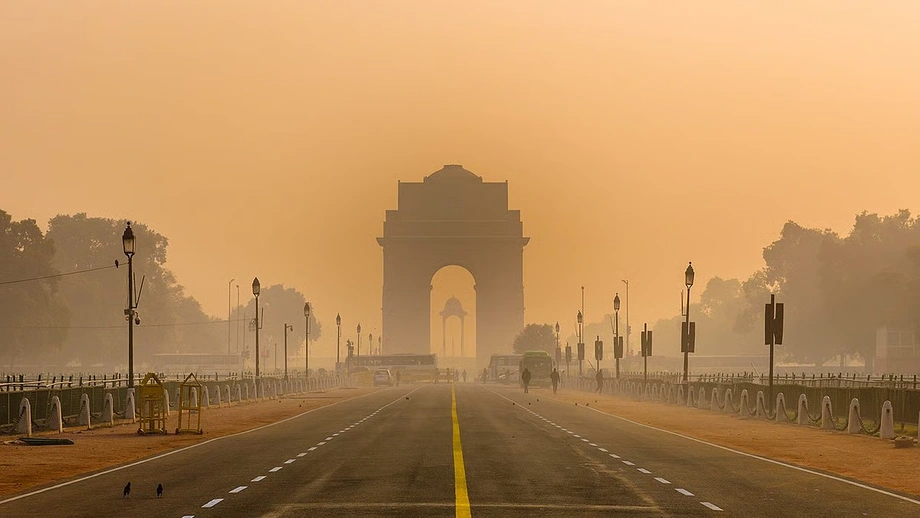
India's average PM2.5 concentration in 2024 was estimated at 50.6 micrograms per cubic metre. PM2.5 means airborne particles measuring 2.5 micrometres or less across, small enough to travel deep into the lungs and enter the bloodstream. Dalberg and the Clean Air Fund say average concentrations remain more than 25% above India's national standard despite improvements under the National Clean Air Programme.
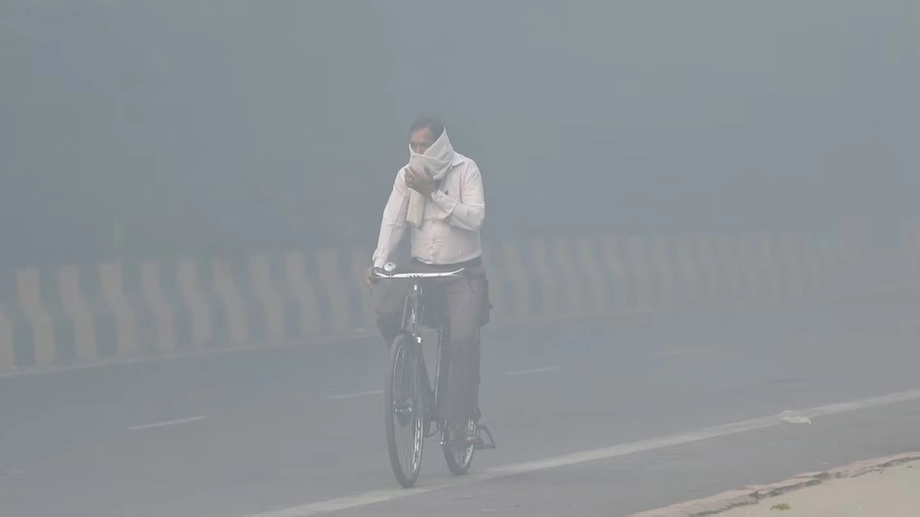
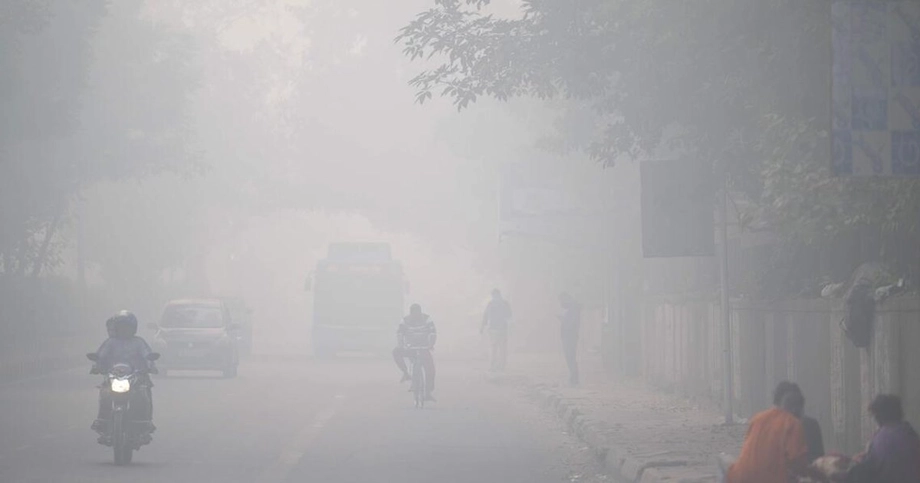
For businesses, the consequences reach from office desks to restaurant tables and building sites. Workers produce less, customers stay home, deliveries face restrictions and families redirect money towards treatment.
Why showing up at work can still mean lost output
Presenteeism occurs when someone works despite a health problem that makes ordinary tasks harder. A person with persistent coughing, breathing difficulties, headaches or fatigue may complete fewer tasks, struggle to concentrate or need longer to make decisions.
Dr Gowri Kulkarni, Director of Doctor Relations and Head of Medical Operations at MediBuddy, described why attendance records can miss this problem:
We tend to notice when an employee takes sick leave, but what about someone who comes to work every day while dealing with a cough, breathing difficulties, headaches or constant fatigue? Their presence does not necessarily mean they can perform at their full potential.
The estimated $87.2 billion lost through presenteeism represents roughly one third of the $260 billion total. Absenteeism, when illness keeps an employee away altogether, added more than $3 billion. The difference helps explain why a company can maintain normal attendance while its output suffers.
Research combining company data with satellite measurements of particulate pollution also finds lower manufacturing productivity, particularly in industries that depend heavily on labour. Firms that cannot easily shield workers from exposure or change how tasks are performed face greater difficulties.
Services face a related problem. Work involving sustained concentration, judgement and customer contact depends on people being well enough to perform consistently. Small reductions in output, repeated across a large workforce, become substantial economic losses.
Premature deaths and treatment put pressure on families
Premature mortality accounted for an estimated $82 billion of the 2024 economic burden. Healthcare spending contributed another $12.3 billion, covering expenses borne by governments, households and private health insurers.
Earlier research estimated that air pollution contributed to 1.67 million deaths in India in 2019, around 18% of all deaths that year. The associated economic losses from premature mortality and illness were estimated at $36.8 billion, including $28.8 billion from early deaths and $8 billion from illness. Those figures cover health effects in 2019, while the broader 2024 estimate includes worker performance and consumer activity.
Households face these costs against a background of rising direct medical spending. India's average expenditure paid directly by patients reached 2,767 rupees per person in 2022–23, up from 2,097 rupees in 2017–18, an increase of about 32%. Repeated consultations, medicines and treatment can put pressure on budgets already stretched by lost earnings.
Anumita Roychowdhury, executive director for research and advocacy at the Centre for Science and Environment, described the pressure on urban households:
If current pollution levels persist, households in metro cities will face rising financial strain through recurring medical expenses.
Health research also points to effects beyond respiratory disease. A 2024 study published in Reproductive BioMedicine Online found an association between pollution exposure and lower sperm quality, including an 8.8% decline in normal sperm in moderately polluted areas and an 11% decline in highly polluted areas compared with less polluted regions. Such findings widen the range of health concerns facing families.
Shoppers staying home leave a $74 billion gap
Reduced consumer spending and tourism activity accounted for an estimated $74 billion in losses in 2024. Pollution changes where people go and what they buy: a restaurant meal, shopping trip or leisure visit can be postponed when going outside means breathing unhealthy air.
Delhi traders described shoppers arriving from the surrounding National Capital Region falling from roughly 300,000–400,000 a day to about 100,000 during a severe pollution spell. Those figures imply a decline of approximately two thirds to three quarters, with consequences for shops, food businesses and transport services.
Retail chains have described similar pressure. Shoppers Stop linked elevated pollution in northern India to flat sales during an October–December quarter, while Lifestyle International flagged weaker customer visits and sales growth in the region. Speciality Restaurants recorded a 20% decline in its North India business compared with a year earlier in the final quarter of 2025.
Home delivery provides some relief. A restaurant chain founder in Gurugram described deliveries rising by roughly 15% during poor air quality, while the increase remained insufficient to replace lost dining visits. Businesses can therefore face both fewer customers on site and greater dependence on delivery operations.
Outdoor workers and supply chains face overlapping risks
Construction workers, delivery riders, street vendors, traffic police and logistics employees spend long periods outside. Their work often gives them little opportunity to move indoors or work remotely, leaving them exposed while earning a living.
Informal workers face an additional financial squeeze. Many lack paid sick leave or employer health insurance, so illness can mean medical bills and an immediate loss of income. Small firms also have fewer reserves to absorb disrupted schedules or invest in protective equipment.
Delhi's freight system shows the scale of potential disruption. Figures for 2025 put daily freight movement at about one million tonnes carried by approximately 193,000 vehicles. Restrictions on older commercial vehicles and truck entry can delay deliveries of food, building materials and consumer goods, increasing costs for transporters and customers.
Construction bans spread through a wider network than the building site itself. Cement, steel, bricks, tiles, paint, glass and electrical suppliers depend on projects continuing. When work stops, daily wage workers lose earnings and suppliers lose orders. Restarting also takes time as contractors bring people and machinery back.
Dr Kulkarni recommended protection across indoor and outdoor workplaces, including ventilation, air purifiers using high efficiency particulate air filters, well fitted N95 or N99 masks for field employees, regular health checks and access to medical advice. Employers need to consider where exposure happens across the working day, including travel and field duties.
What the different economic estimates measure
Dalberg and the Clean Air Fund's 2021 study estimated annual business losses of $95 billion, or 3% of GDP. Their newer work expands the evidence base and places the 2024 burden at about $260 billion, or 6% of GDP. Changes in the assessment's coverage matter when comparing the two figures.
The institutions' official summaries put the annual gains from achieving safe air nationwide at $220 billion; the initial account of the findings gave approximately $260 billion. The $85 billion estimate has a more specific target: annual losses avoided by 2030 through a reduction of about 20% in PM2.5.
A FICCI and EY assessment placed the economic burden at 9%–9.5% of GDP using 2022 figures, alongside a call for pollution policy to focus on health outcomes. The health focused assessment also highlighted an estimated 1.3 billion working days lost each year to pollution related health problems. Its different year and scope help explain why its headline percentage differs from the Dalberg estimate.
Gita Gopinath, former deputy managing director of the International Monetary Fund, brought the economic argument to the World Economic Forum in Davos on January 21, 2026. She described pollution as more consequential for India's economy than tariffs imposed on the country and called for urgent action.
E. Somanathan, a professor at the Indian Statistical Institute in Delhi, estimated potential tariff losses at 0.2%–0.4% of GDP, compared with pollution losses roughly ten times larger. His comparison puts a recurring domestic cost alongside a trade risk that attracts substantial political attention.
Cleaner systems could create more than $200 billion in opportunity
The Clean Air Fund summary identifies more than $200 billion in economic opportunity from targeted interventions across eight areas of the economy. It groups the gains into three stages, showing how spending on cleaner systems can lead to further business activity and health benefits.
- About $80 billion in initial gains would come from public investment and the shift from polluting technologies to cleaner alternatives.
- About $60 billion would follow as private investment expands activities such as compressed biogas production and recycling.
- More than $80 billion would come through stronger worker productivity, increased consumer activity and lower healthcare expenditure.
The official summaries also estimate more than 100 million job transitions or new jobs. That combined category includes people moving into different work as well as newly created positions, making training central to the proposed changes.
Dalberg and the Clean Air Fund identify five requirements for expanding the interventions: attracting private capital, testing solutions in priority regions, building workforce skills, strengthening community participation and investing in digital systems for monitoring, markets and accountability.
The summaries give no detailed implementation timetable for that investment programme. The stated 2030 milestone concerns the potential $85 billion in avoided annual losses from reducing PM2.5 by about 20%.
Pollution also reduces the output of farms
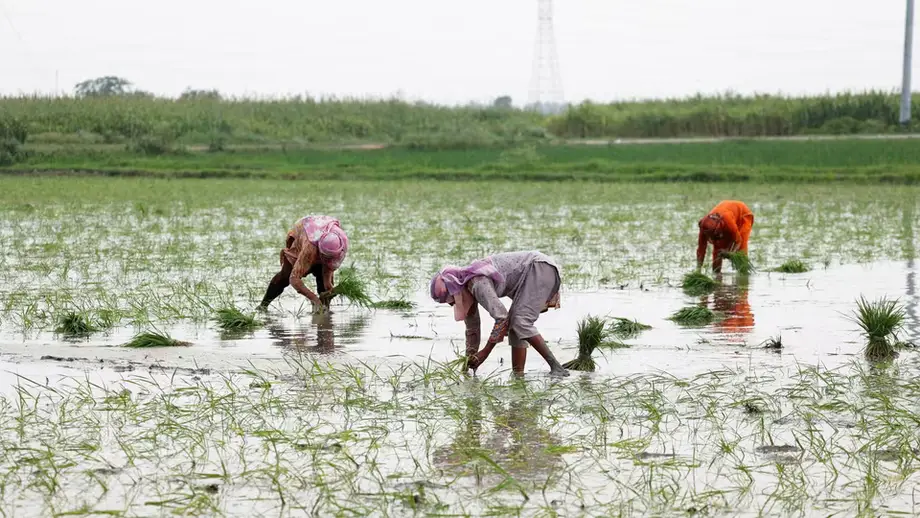
Agricultural research shows another route through which polluted air reduces economic output. A study of nitrogen dioxide from coal power plants examined exposure within a radius of up to 100 kilometres and found annual rice and wheat yield losses exceeding 10% in parts of West Bengal, Madhya Pradesh and Uttar Pradesh.
The researchers compared those losses with approximately six years of average annual yield growth for both crops between 2011 and 2020. For farmers, pollution can therefore offset years of gradual improvement in production, affecting both income and food supply.
Black carbon creates a different risk in the Himalayas. Research identified deposits on the Satopanth and Bhagirath-Kharak glaciers in Uttarakhand from pollution originating in the Indo-Gangetic Plains, valley emissions and wildfires. Dark particles reduce the amount of sunlight that snow reflects, increasing the heat it absorbs and speeding melting.
These agricultural and environmental effects widen the economic case for reducing emissions at their source. Cleaner transport, power generation and fuel use can benefit people far beyond the city or industrial area where emissions begin.
A timeline from national action to the 2030 target
India's policy response combines a national programme, expanding pollution monitoring and emergency restrictions during severe episodes. The key dates show a progression from measuring the problem to assessing the economic returns from cleaner air.
- 2019: India launched the National Clean Air Programme, covering 131 cities and urban agglomerations across 24 states and union territories.
- 2021: Dalberg and the Clean Air Fund estimated annual business losses of $95 billion, equivalent to 3% of GDP.
- Late 2024: The national air quality monitoring network had nearly 1,000 stations across more than 400 towns and cities.
- January 2026: Dalberg published its new economic analysis, while Gopinath raised pollution's economic cost at Davos on January 21.
- 2030: A reduction of about 20% in PM2.5 could avert approximately $85 billion in annual economic losses.
Monitoring coverage remains uneven, especially in smaller cities and rural areas. Reliable measurements help authorities identify pollution sources, track whether interventions work and direct spending towards places with the greatest need.
Regional coordination also matters because polluted air moves across administrative boundaries. World Bank estimates suggest coordinated pollution reduction across South Asia could cost about 45% less than uncoordinated approaches. For India, that supports action across states and sectors rather than relying mainly on restrictions after air quality has already deteriorated.
The Bottom Line
- India's estimated air pollution burden reached $260 billion in 2024, roughly 6% of GDP.
- Reduced performance among employees at work accounted for $87.2 billion, the largest individual cost.
- Premature deaths contributed $82 billion, while reduced consumer activity cost about $74 billion.
- A reduction of about 20% in PM2.5 could avert $85 billion in annual losses by 2030.
- Dalberg and the Clean Air Fund estimate $220 billion in annual gains from safe air nationwide.
- The proposed response spans cleaner transport, industry, farming, waste management, power, construction and household fuel use.