A first patient receives cells engineered in Kathmandu
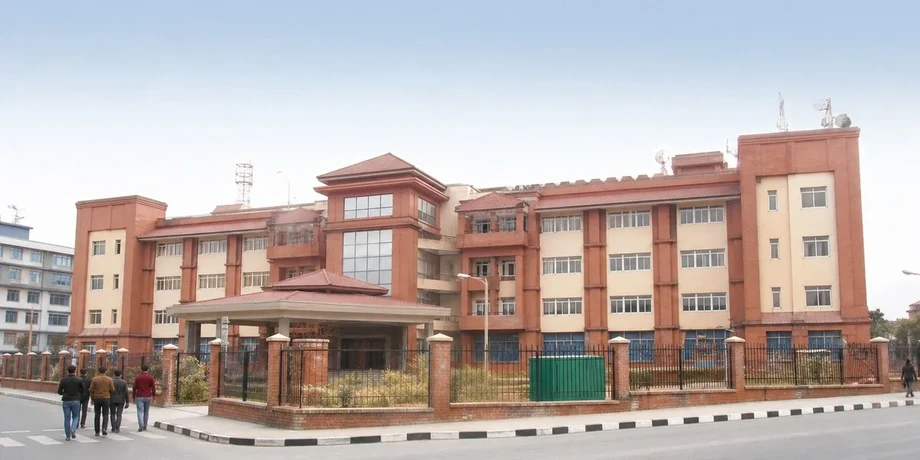
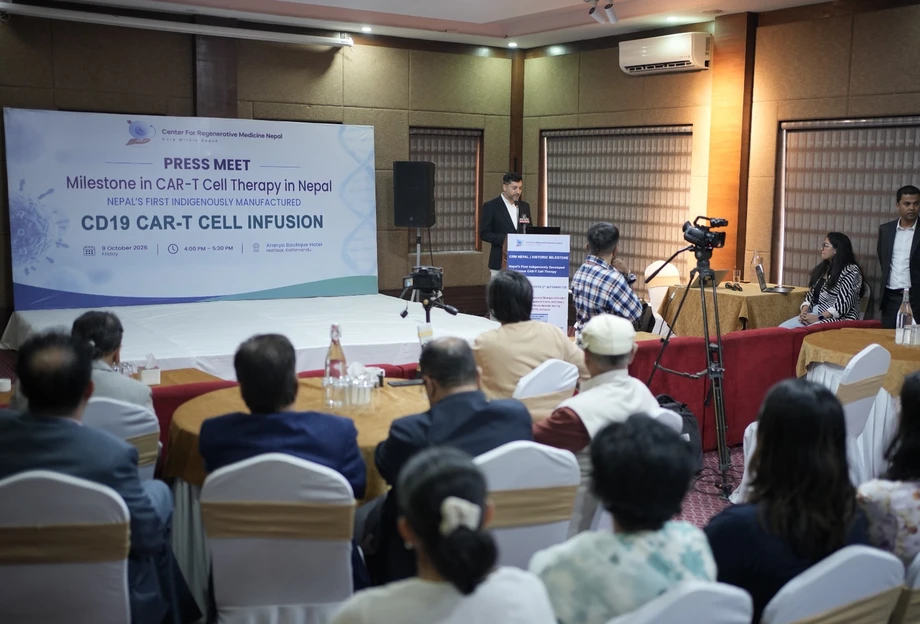
Nepal has begun treating a blood cancer patient with genetically engineered immune cells manufactured in Kathmandu, bringing a treatment previously sought abroad into Tribhuvan University Teaching Hospital (TUTH) in Maharajgunj. The patient has relapsed acute lymphoblastic leukaemia, meaning her cancer returned after earlier treatment.
Contents
- A first patient receives cells engineered in Kathmandu
- Why doctors chose this treatment
- How a patient's cells become a treatment
- What doctors have seen so far
- From research in 2022 to clinical use
- The laboratory and hospital teams behind the programme
- Monitoring remains part of the treatment
- Can treatment in Nepal reduce the cost?
- More patients are waiting
- Key Points
The Centre for Regenerative Medicine Nepal (CRM Nepal) produced the cells using the patient's own blood. Dr Anjan Shrestha, the haemato-oncologist leading the clinical team, said she was stable about two weeks after receiving them. Doctors are now watching whether the treatment brings her cancer into remission and how long any response lasts.
The patient has been described as a woman aged 20 from Dhading, although another published account gives her age as 17. The infusion date was given as Asoj 11 in the Nepali calendar and September 27 in an English account; neither specified the year. Nepal's Department of Drug Administration approved CRM Nepal's CD19 CAR T-cell product for clinical use in March 2026.
Shrestha, who administered the treatment with Dr Prashun Upadhyaya and other colleagues, described the patient's immediate condition and the team's next task:
Her condition is stable, and doctors attending to her are monitoring her response to the treatment.
The development connects several capabilities that Nepal previously lacked together: manufacturing a personalised cell treatment, checking its quality and delivering it through a local cancer team. For patients, the practical change is the possibility of receiving this specialised care without leaving the country. Access currently remains limited to TUTH.
Why doctors chose this treatment
The patient's leukaemia was diagnosed about three years before the infusion. Chemotherapy initially controlled it, but the disease returned and affected her head. Her treatment then included chemotherapy delivered through procedures involving her lower back for about five months.
Her family could not afford the proposed cell treatment. CRM Nepal's chief scientist, Dr Sanjivan Gautam, decided to provide it without charge. Her case therefore brings together the programme's two immediate challenges: treating cancer that has resisted earlier care and making an expensive technology accessible.
Doctors generally consider CAR T-cell therapy for selected blood cancers that return after treatment or fail to respond to it. The first situation is called relapsed disease; the second is called refractory disease. Patients usually receive established treatments, including chemotherapy, before this option is considered.
CRM Nepal's product is intended for B-cell acute lymphoblastic leukaemia and diffuse large B-cell lymphoma. Both involve B cells, a type of immune cell that can become cancerous. Eligibility depends on the cancer and the patient's clinical assessment, rather than simply having a diagnosis of leukaemia or lymphoma.
How a patient's cells become a treatment
CAR T-cell therapy starts with T cells, immune cells that help the body fight threats. A laboratory genetically modifies them so they can recognise a particular target on cancer cells, increases their number and sends them back for infusion into the patient.
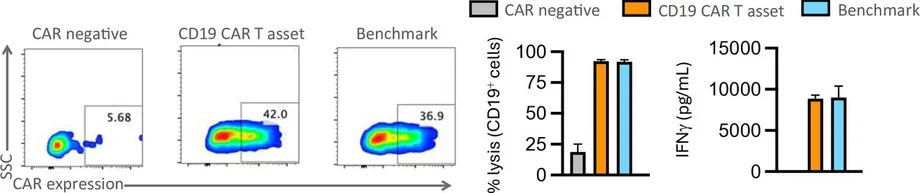
CAR stands for chimeric antigen receptor. In simple terms, it is a specially designed receptor that helps a T cell recognise a target. CRM Nepal's product targets CD19, a protein found on certain blood cancer cells.
The treatment used at TUTH is autologous, meaning it is made from the patient's own cells. Gautam distinguished this from allogeneic cell therapy, which uses cells from a donor. Each autologous preparation must be made for the individual receiving it.
Gautam said manufacturing takes about 14 to 18 days. He described roughly nine days for the production process, with testing potentially requiring another nine days. The resulting preparation is administered as a single dose, after which the modified cells can remain active inside the body.
Those steps explain why expanding treatment requires more than obtaining additional medicine. Each patient needs a coordinated process linking blood collection, laboratory production, quality assessment, hospital care and subsequent monitoring.
What doctors have seen so far
Gautam, a Nepali immunologist based in the United States who led the research, technology transfer and manufacturing initiative, reported that the number of CAR T cells in the patient's blood had increased. He also described encouraging early effects from the treatment.
Shrestha said the patient experienced side effects after the infusion and that the team treated them. He later described preparations for discharge within days, with continued visits required afterward. Doctors also outlined a further year of observation.
Remission means that signs of cancer have fallen substantially or are no longer detectable through the tests doctors use. The team is still assessing whether this patient has reached remission, and the duration of any response will require continued follow-up.
Shrestha warned that cancer can return even three months after CAR T-cell therapy. His immediate priority is to see how the modified cells work in this patient and how long their effects last.
The clinical lead said the programme would continue while the first patient's response was evaluated:
We have been evaluating the initial outcome of the treatment," said Shrestha. "We will also administer the therapy to more patients.
From research in 2022 to clinical use
CRM Nepal's programme began with preclinical research, the work done before a treatment is used in people. Gautam brought together scientific expertise, grant funding and international partners, while the organisation developed a production facility in Tokha, Kathmandu.
The programme's reported milestones show how the work moved from laboratory research to hospital treatment:
- 2022: The initiative began under Gautam's leadership.
- 2022 to 2024: The team conducted preclinical research.
- 2025: The laboratory received approval, staff underwent training and manufacturing preparations advanced.
- March 2026: The Department of Drug Administration approved the locally developed CD19 CAR T-cell product for clinical use.
- September 27, also identified as Asoj 11, with the year unspecified: The first reported patient received the cells at TUTH.
The March approval was followed by work toward clinical implementation with doctors in Nepal. The hospital treatment represents that next stage: taking a locally manufactured preparation into patient care.
The laboratory and hospital teams behind the programme
CRM Nepal's manufacturing and laboratory staff established the local production platform and carried out the work needed to prepare and assess a treatment specific to one patient. Decode Genomics supplied capacity for quality analysis and worked with Gautam to develop local expertise.
Dr Sudhanshu KC, a liver specialist involved in building clinical partnerships, said the team had maintained its quality requirements. He argued that expansion should focus on making production effective and reliable, rather than increasing numbers alone.
The programme also drew on advice from Professor Luca Gattinoni of the Leibniz Institute for Immunotherapy and Professor Leo Hansmann of University Hospital Regensburg on clinical management. Dr Dilip Sharma contributed regulatory expertise, while Vedananda Parajuli coordinated logistics from cell production to infusion.
Geneticist Balaram Gautam coordinated national collaboration and daily operations. Professor Om Kurmi of the University of Lincoln helped guide academic strategy and partnerships, with the aim of connecting advanced treatments to Nepal's health and education systems.
These roles address different parts of the same patient journey. Laboratory staff prepare and assess the cells; logistics staff coordinate their movement; clinicians deliver treatment and manage the patient's condition afterward. Local production depends on all of those functions working together.
Monitoring remains part of the treatment
Dr Shivaji Poudel, a radiation oncologist and former director of BP Koirala Memorial Cancer Hospital in Bharatpur, welcomed the service while stressing the care patients need around it. He said recipients require protective isolation and food prepared and handled under strict hygienic conditions.
Shrestha described earlier patients who travelled abroad for CAR T-cell therapy, returned to Nepal and then developed complications. He said some died after they could not obtain immediate treatment for those complications. That experience helped motivate his wish to provide the therapy locally.
TUTH's role therefore extends beyond administering the cells. The hospital must monitor the patient, recognise problems and provide treatment when needed, while continuing to assess the cancer's response.
Senior cancer specialist Dr Bishnudatta Poudel described the local manufacturing achievement in direct terms:
I am amazed. Producing CAR-T cells in Nepal is a major breakthrough in cancer treatment.
For the first patient, discharge would shift care from a hospital stay to continued clinical visits. Doctors have made clear that observation remains necessary after she goes home.
Can treatment in Nepal reduce the cost?
Shivaji Poudel put the cost of CAR T-cell therapy in India at more than Rs 7 million per patient, or more than Rs 70 lakh. Nepali patients seeking specialised cancer treatment have also travelled to China.
Receiving care in Kathmandu could reduce the burden of arranging treatment abroad and keeping patients connected to their clinical team. A routine price for CRM Nepal's treatment, along with any public subsidy or insurance arrangement, has not been announced.
The first patient's free treatment shows how the team handled one family's inability to pay. CRM Nepal's longer term goal, described by KC, is to reach patients who cannot travel abroad because of financial or practical difficulties.
KC said government support could help make treatment more affordable. He also said the team would be willing to share its experience if the government established a national laboratory. His proposal connects public investment with the infrastructure and expertise already developed through the programme.
Shrestha said local treatment could reduce reliance on India and China for some blood cancers. Whether families can use that option will depend on both the clinical service and the way its costs are funded.
More patients are waiting
Shrestha said more than 50 patients at TUTH need CAR T-cell therapy. That gives an early indication of demand at a single hospital, while the service is still beginning with its first reported recipient.
CRM Nepal operates a centralised manufacturing facility in Kathmandu and plans to supply cells to other cancer centres. Under that approach, production would remain at the laboratory while additional hospitals developed their capacity to deliver treatment.
Shivaji Poudel said other hospitals would also begin providing CAR T-cell therapy. The immediate priorities are to continue monitoring the first patient, treat further eligible patients and build the clinical partnerships needed to reach more centres.
Nepal now has a local route from genetic modification of a patient's immune cells to infusion in a hospital. The next stage will be measured in patients treated, their responses over time and the number of families able to obtain care.
Key Points
- TUTH has treated a blood cancer patient with CAR T cells manufactured by CRM Nepal in Kathmandu.
- The patient is clinically stable, and doctors are assessing remission and the duration of any response.
- The Department of Drug Administration approved the CD19 CAR T-cell product for clinical use in March 2026.
- The treatment uses a patient's own immune cells, modified to recognise a target on certain blood cancer cells.
- CRM Nepal provided the first patient's treatment free of charge; routine pricing has not been announced.
- Shrestha said more than 50 patients at TUTH need the therapy, and CRM Nepal plans to supply other cancer centres.