A fatal collapse 18 hours after childbirth
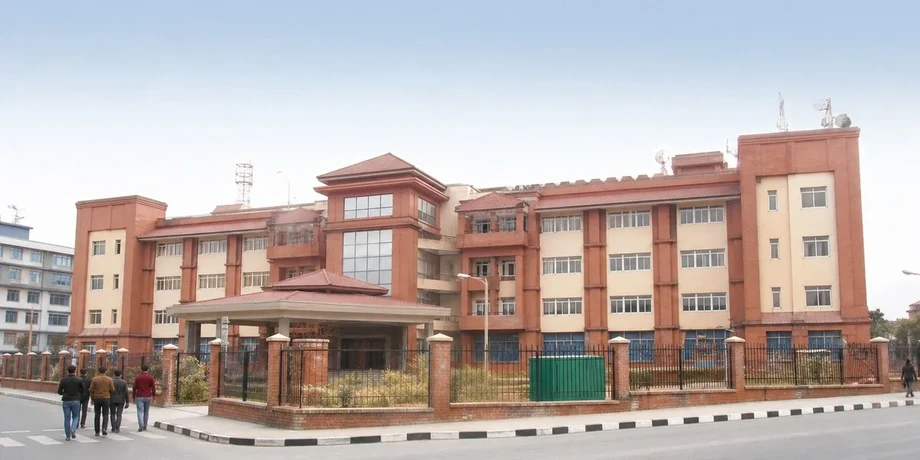
A woman in her early 30s died within minutes of collapsing at Paropakar Maternity and Women's Hospital in Kathmandu, exposing gaps in emergency care at Nepal's national maternity referral centre. The hospital has 10 intensive care beds for mothers but no cardiologist, kidney specialist or critical care specialist, according to its director.
Contents
- A fatal collapse 18 hours after childbirth
- Two clotting emergencies, different outcomes
- What the maternity ICU can provide
- A referral can mean another dangerous journey
- Why some causes of death remain uncertain
- How Nepal began tracing maternal deaths
- More births in facilities, fewer maternal deaths
- The milestones and the next target
- Investment beyond equipment
- Key Points
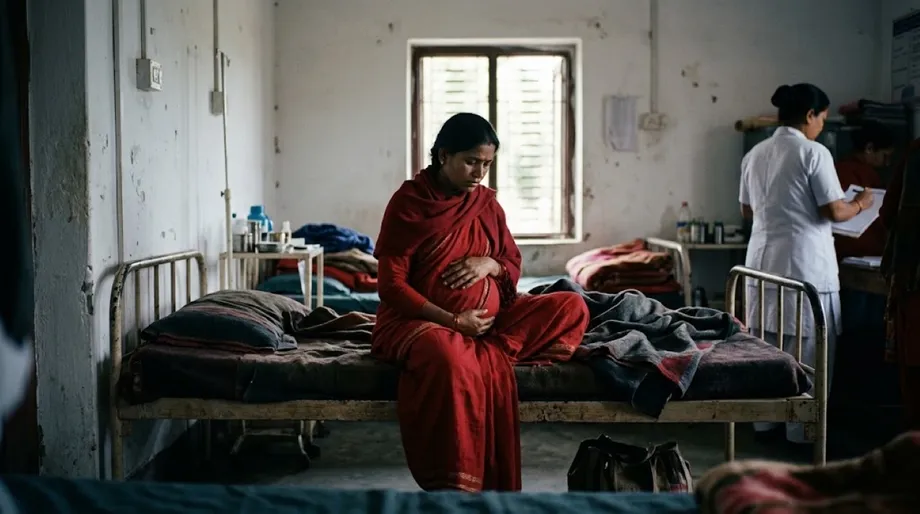
The woman's family had brought her from Dhading, expecting the specialist hospital in Thapathali to provide safe childbirth care. Eighteen hours after giving birth, she was taken by wheelchair from the postoperative ward to the general ward. She collapsed when she stood up to move onto a bed.
Dr Shree Prasad Adhikari, the hospital's director, described how quickly her condition changed:
But when she got up from the wheelchair to lie on the bed, she collapsed and died within minutes, before doctors could assess her condition.
Hospital doctors attributed her death to a pulmonary embolism, a blood clot blocking a vessel in the lungs. Her relatives protested at the hospital, alleging negligence. No findings from an investigation into that allegation were given.
The death captures a difficult stage in Nepal's efforts to make childbirth safer. More women are reaching health facilities, and maternal mortality has fallen sharply. Yet hospitals still struggle to provide the range of specialists, nursing care and emergency treatment needed when a patient suddenly becomes critically ill.
Two clotting emergencies, different outcomes
Another woman at Paropakar developed deep vein thrombosis after childbirth and survived following transfer to Bir Hospital's critical care unit. Adhikari said that emergency occurred on a Sunday evening, several weeks after the fatal collapse.
Deep vein thrombosis means a clot has formed in a deep vein, often in the leg. A pulmonary embolism occurs when a clot blocks blood flow in the lungs, sometimes after travelling from elsewhere in the body. Pregnancy and the period after childbirth increase the risk of blood clots.
Adhikari said his team immediately transferred the surviving patient to Bir Hospital. The two emergencies show the different demands maternity hospitals face: delivering a baby safely is one task, while treating a sudden threat to the mother's lungs, heart or other organs can require another team and a different level of intensive care.
For families, the period after delivery can therefore remain dangerous even when the birth itself appears to have gone well. The woman from Dhading was still in hospital when her condition changed, only 18 hours after childbirth.
What the maternity ICU can provide
Paropakar's maternal intensive care unit is classified as Category B. Doctors describe this as an intermediate level of care for patients needing close monitoring. They say critically ill patients need Category A units, where critical care physicians can monitor and treat them.
The hospital's staffing limits extend beyond its ICU classification. Adhikari said it has no cardiologist to treat heart conditions, no nephrologist to treat kidney problems and no critical care specialist to coordinate treatment for the most seriously ill patients.
Adhikari described the nursing workload and the need to bring in outside help:
Two nurses have to care for 10 patients admitted to the intensive care unit at a time. We have to call specialists from other hospitals when complications arise, and delays in receiving treatment can put patients' lives at risk.
At that staffing level, each nurse is responsible for five patients when all 10 beds are occupied. The hospital refers about a dozen critically ill mothers and nearly three dozen infants elsewhere each month for specialised critical care. Access to a bed at Paropakar can therefore be only the first stage of a patient's emergency treatment.
A referral can mean another dangerous journey
Paropakar's doctors say finding an intensive care bed at another public hospital is often difficult. Even after a bed is secured, the patient must survive the journey there. Most ambulances in Nepal lack the equipment needed to provide advanced life support during transport, according to the doctors.
Advanced life support means being able to sustain essential functions, including breathing and circulation, while a patient is critically ill. A person whose condition worsens during a transfer may need treatment immediately, rather than after reaching the receiving hospital.
Karnali Provincial Hospital in Surkhet faces similar pressures. A woman in her mid-20s died aboard a helicopter while being transferred to Kathmandu after her condition deteriorated following childbirth. Doctors had referred her for further treatment.
Surkhet Hospital receives two to three complicated delivery cases each week. A woman in labour was also airlifted there from Dolpa on a Tuesday described in the account of the recent emergencies. These journeys show how care can involve several stages, from a remote district to a provincial hospital and, for some patients, onward to Kathmandu.
For an unstable mother, each stage requires a receiving team, a suitable bed and transport capable of supporting her condition. A referral system needs all three to work together.
Why some causes of death remain uncertain
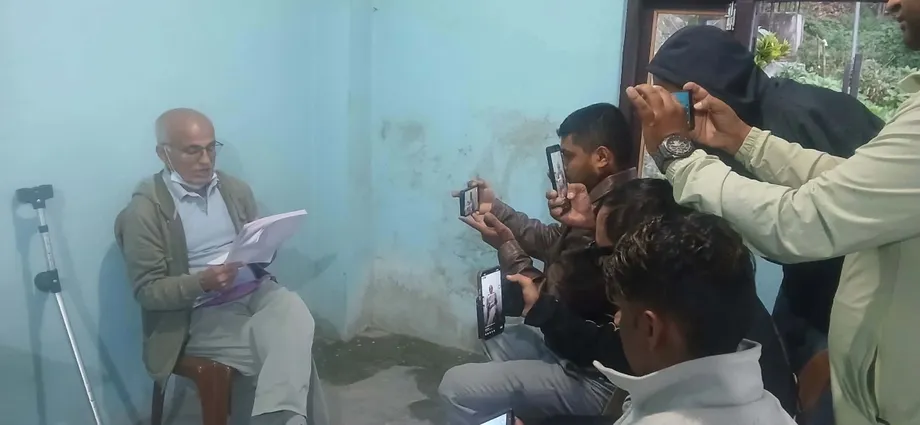
Dr Amit Singh, chief of obstetrics and gynaecology at Surkhet Hospital, said his team sometimes cannot determine the precise cause when a mother or newborn dies. He described the limits facing clinicians:
In many cases, we are unable to establish the actual cause of death. We can only speculate that it might have been one complication or another.
Studies cited in Nepal's maternal health discussion identify severe bleeding after childbirth, high blood pressure disorders, referral delays and mismanagement among major contributors to maternal deaths. Other causes include infections, complications arising from abortions, underlying heart conditions and amniotic fluid embolism, a rare emergency involving a severe reaction associated with amniotic fluid entering the mother's bloodstream.
Pre-eclampsia is a pregnancy related disorder involving high blood pressure and signs that organs may be affected. Eclampsia involves seizures. Severe bleeding, also called postpartum haemorrhage, can rapidly become life threatening. These conditions demand different treatments, which helps explain why maternity expertise alone may be insufficient in a complex emergency.
Singh said a critical care facility could make a major difference. His concern connects the need to save patients immediately with the need to understand deaths accurately, so hospitals can identify where treatment or referral arrangements need to change.
How Nepal began tracing maternal deaths
Nepal launched its first maternal mortality study linked to a national census through the 2021 census, known locally as the 2078 census. The Ministry of Health and Population worked with the Central Bureau of Statistics to identify deaths and investigate their causes.
The study plan called for census workers to ask households whether a woman aged 15 to 49 had died during the previous 12 months. Health workers would then collect detailed information about the circumstances, including whether the death occurred during pregnancy, childbirth or within six weeks after delivery.
The plan included 847 surveyors and follow-up interviews using a verbal autopsy questionnaire. A verbal autopsy gathers information from relatives or caregivers about symptoms and events before a death to help assess its likely cause.
Indramani Pokharel, then a joint secretary at the ministry, said the work aimed to identify maternal deaths and their causes so that safe motherhood services could become better, more accessible and easier to obtain. The study announcement also cited an estimate that maternal deaths accounted for 12 percent of deaths among women of reproductive age.
The Nepal Maternal Mortality Study 2021, published in 2022 by the Ministry of Health and Population and the National Statistics Office, covered all seven provinces. Conducted with the Nepal Health Research Council and health development partners, it found that nearly three in four maternal deaths occurred in health facilities or during transport. It identified weak referral arrangements, limited facility capacity and delays in receiving timely, quality care.
The study used pregnancy-related deaths reported in the 2021 census for the preceding 12 months, followed by verbal autopsies conducted by trained health workers. Of 653 pregnancy-related deaths, 622 were classified as maternal deaths. Using these deaths and 412,935 live births recorded by the census, it estimated a maternal mortality ratio of 151 per 100,000 live births. The ratio ranged from 98 in Bagmati to 207 in Lumbini, with Karnali at 172. Detailed analysis covered 611 maternal deaths because information on 11 was incomplete. Causes were assigned from verbal autopsy information rather than clinical reports, leaving the findings subject to recall and other reporting biases.
Among the deaths analysed, 57 percent occurred in health facilities, 26 percent at home and about 17 percent during journeys to or between facilities. Sixty-one percent occurred after childbirth. Non-obstetric complications accounted for 32 percent of maternal deaths, obstetric haemorrhage for 26 percent and hypertensive disorders for 12 percent. Among women who died during delivery or after childbirth, 76 percent had delivered in health facilities, but only 53 percent had attended all four recommended antenatal visits.
Seventy-four percent of the women had experienced at least one delay in care, and 17 percent had experienced all three types: seeking care, reaching a facility and receiving care. Delays in seeking care affected 57 percent, delays in receiving care 40 percent and delays in reaching a facility 33 percent. Reported problems included delays in identifying risks for timely referral, administrative delays at receiving facilities, transport arrangements, poor communication between facilities, and shortages of equipment, trained staff, blood and medicines.
More births in facilities, fewer maternal deaths
Nepal's expansion of maternity services has brought substantial gains. Free institutional delivery services were introduced at state facilities in 2009, and more than 2,800 birthing centres have opened across the country.
The share of births taking place in health facilities rose from about 18 percent around the introduction of free delivery services to 90.5 percent in 2025. That is an increase of 72.5 percentage points, bringing most births into settings intended to provide skilled care.
The maternal mortality ratio fell from 539 deaths per 100,000 births in 1996 to 239 in 2016. The World Health Organization estimate cited in the recent hospital accounts is 142 maternal deaths per 100,000 live births. WHO also reported a reduction of more than 70 percent since 2000.
A maternal mortality ratio expresses deaths linked to pregnancy or its management for every 100,000 babies born alive. It allows countries and health services to track the risk associated with pregnancy and childbirth, rather than looking only at the total number of deaths.
Nepal's stated Sustainable Development Goal target is 70 maternal deaths per 100,000 live births by 2030. From the cited WHO estimate of 142, reaching 70 would require a reduction of 72 deaths per 100,000 live births, or just over half.
The milestones and the next target
Nepal's progress has unfolded over decades. The key dates bring together the expansion of access, efforts to understand deaths and the remaining national target:
- 1996: The maternal mortality ratio stood at 539 deaths per 100,000 births.
- 2009: The government introduced free institutional delivery services at state health facilities.
- 2016: The maternal mortality ratio was 239 deaths per 100,000 births.
- 2021: Nepal launched a maternal mortality study linked to the national census.
- 2025: The reported share of births occurring in health facilities reached 90.5 percent.
- 2030: Nepal aims to reach 70 maternal deaths per 100,000 live births.
The recent deaths and emergency transfers show where that effort now meets pressure: the ability of hospitals to treat severe complications after women have reached care. For patients referred from districts such as Dhading or Dolpa, the availability of specialised treatment at the next hospital can shape the rest of their journey.
Investment beyond equipment
Dr Pawan Sharma, a maternal health expert, said further reductions in deaths require sustained spending and government commitment. He described why buying machines alone would leave important gaps:
Expensive equipment alone cannot reduce maternal deaths. Quick gains are possible with modest efforts, but further progress requires substantial investment and strong political will.
Paropakar's experience makes the staffing problem concrete. A hospital may have an ICU but still need to call specialists from elsewhere, find another critical care bed and arrange a transfer. Nurses must also have enough capacity to monitor patients whose conditions can change rapidly.
Hospitals with specialists from several medical fields working together can bring maternity care, heart and kidney expertise, and critical care into the same treatment process. For mothers with severe complications, this can reduce dependence on urgent journeys between hospitals.
Nepal has already brought far more women into facilities for childbirth. The next task is to make those facilities capable of responding when routine maternity care becomes an emergency, including after the baby has been born.
Key Points
- A woman from Dhading died at Paropakar Maternity and Women's Hospital 18 hours after giving birth; doctors attributed her death to a pulmonary embolism.
- Another patient with a postpartum blood clot survived after transfer to Bir Hospital.
- Paropakar has a Category B maternal ICU with 10 beds but lacks heart, kidney and critical care specialists.
- The hospital refers about 12 critically ill mothers and nearly 36 infants elsewhere each month.
- The Nepal Maternal Mortality Study 2021, published in 2022, found nearly three in four maternal deaths occurred in facilities or during transport; 74 percent of women experienced at least one delay in care.
- Facility births reached 90.5 percent in 2025, while Nepal's maternal mortality target is 70 deaths per 100,000 live births by 2030.