A National Plan for Workers Crossing Borders
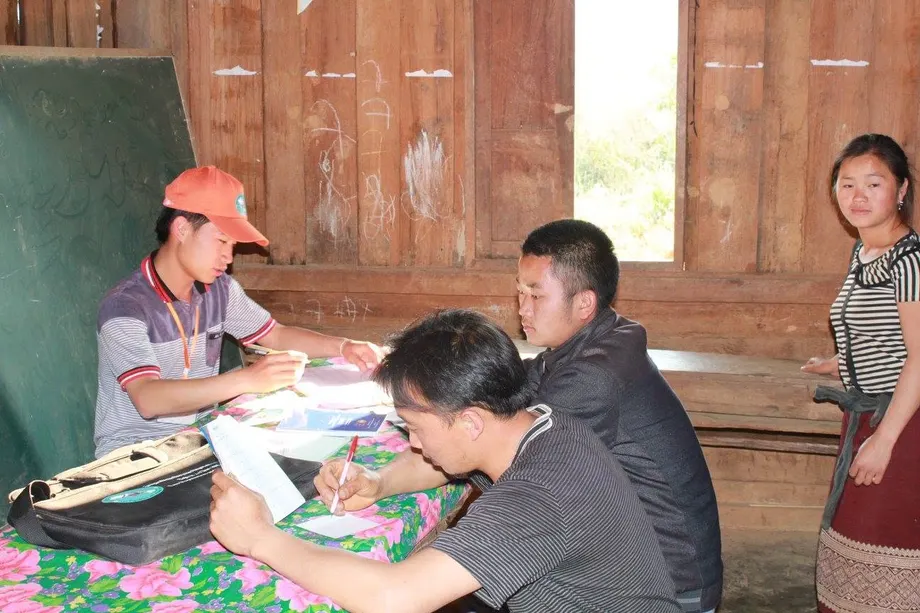
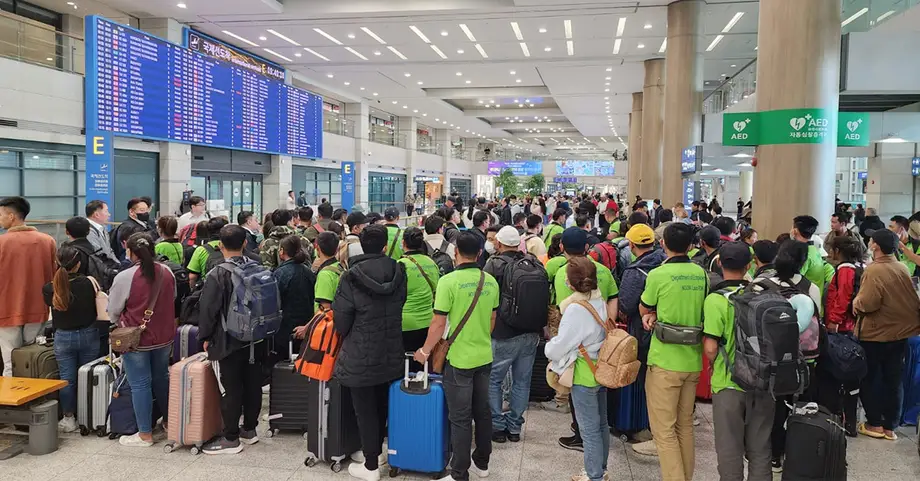
Laos has adopted a migration action plan for 2026–2030 as employment overseas becomes increasingly important to household incomes and the national economy. Thailand recorded at least 306,806 Lao workers across three main permit categories in July 2026, while money sent home by Lao migrants reached an estimated USD 500.7 million in the first seven months of the year.
Contents
- A National Plan for Workers Crossing Borders
- Why So Many Lao Workers Look Overseas
- The Scale of Migration, in Different Measures
- Laos Is Also Receiving More Foreign Residents
- Recruitment Is a Critical Point for Protection
- What Social Protection Means Across a Border
- How the Plan Fits Laos' Development Calendar
- Who Takes Part Will Shape Delivery
- Key Points
The National Action Plan for the Implementation of the Global Compact for Safe, Orderly and Regular Migration was formally adopted on November 10 at the Lao Plaza Hotel in Vientiane. Developed with support from the International Organization for Migration (IOM), it aims to strengthen worker protection, support lawful migration and improve access to decent work and social welfare.
The framework covers people leaving Laos, entering the country or passing through it. Its nine areas of work combine issues shared across government with responsibilities for individual agencies, connecting migration policy with national development priorities.
A United Nations press release described the vision guiding the plan:
"migration should be a choice, and every worker should be able to access decent work and social welfare".
Deputy Minister of Foreign Affairs Anouparb Vongnorkeo and Tanja Pacifico, IOM chief of mission for Laos and Thailand, jointly chaired the adoption ceremony. More than 70 representatives attended, including officials from ministries and public agencies, United Nations bodies, international organisations and other stakeholders.
The adoption gives Laos a national framework for the next five years. For workers, the practical issues are immediate: finding a lawful route to employment, understanding recruitment costs and securing protection when illness, injury or a dispute interrupts their earnings.
Why So Many Lao Workers Look Overseas
Ministry of Labour and Social Welfare data show that 93 percent of registered job seekers in the first nine months of 2026 were looking for employment abroad. Low wages and rising living costs are pushing people to seek better incomes across the border, even as businesses in Laos struggle to recruit workers.
A World Bank study found that Lao workers interviewed in Thailand earned around 2.5 times what they could have earned in Laos. About 89 percent of those interviewed had been unemployed or doing unpaid work before leaving. For someone moving from work without wages into paid employment, migration can change how a household meets its daily expenses.
The figures also show why access to decent employment at home matters to the plan's stated vision. A genuine choice about migration depends partly on whether people can earn enough without leaving their families and communities.
Anouparb linked effective migration management to human resource development and sustainable economic growth. Laos faces two connected needs: protecting citizens who find work abroad and maintaining a workforce for employers at home.
The Scale of Migration, in Different Measures
The 2025 census counted 313,766 Lao citizens living abroad, with more than 40 percent coming from Savannakhet Province. That concentration places a substantial share of the country's overseas population in the migration networks of a single province.
The Ministry of Labour and Social Welfare separately recorded 350,567 Lao nationals working abroad between 2021 and 2025. This figure covers employment over a period of five years, while the census counts citizens living abroad at a particular point. Thailand's July total measures workers in three permit categories in one destination country. Each figure answers a different question about the movement of people.
Laos also reported more than 73,000 undocumented workers overseas in early 2025. People working without the required documents can face difficulties accessing formal employment protections or dealing with authorities when problems arise. Expanding usable, lawful routes to work is therefore central to the new framework.
The estimated USD 500.7 million in remittances during January through July 2026 illustrates the financial importance of migration. Remittances are money migrants send home, often to support relatives and pay household expenses. Protecting the people earning that money is closely connected to the welfare of families remaining in Laos.
Laos Is Also Receiving More Foreign Residents
The 2025 census counted 79,827 foreign residents in Laos, compared with 45,538 in 2015. That is an increase of 34,289 people, or about 75 percent, over a decade. Foreign residents include people with different reasons for living in the country, while incoming workers form part of the wider migration picture.
Workers from Bangladesh, Myanmar and India have arrived in Laos with and without valid documents. Their presence alongside Lao citizens seeking work overseas shows that labour demand is not simply a question of how many people live in a country. Employers need workers in particular places and occupations, while job seekers compare wages and conditions across borders.
In September 2026, Laos suspended new work permits and labour recruitment projects for Bangladeshi nationals until the end of the year. The restriction sits alongside the broader commitment to manage migration through lawful channels.
The action plan's coverage of arrivals, departures and transit matters because protection responsibilities run in several directions. Lao citizens need safeguards in destination countries, while foreign workers in Laos need fair treatment within the country's own employment and administrative systems.
Recruitment Is a Critical Point for Protection
The United Nations' International Migration Review Forum declaration identifies persistent gaps in fair recruitment and decent working conditions. It describes how many migrants remain concentrated in informal employment and poorly paid jobs outside labour law protections, increasing their exposure to exploitation.
Recruitment is the process through which a worker is matched with an employer, sometimes through an agency or broker. Fees charged during that process can leave a worker owing money before receiving a first wage. The declaration calls for continued action to prohibit recruiters and employers from charging recruitment fees or related costs to migrant workers.
The declaration also draws attention to migrant domestic and care workers, most of whom are women. Work carried out in private homes can fall outside ordinary employment protections, making the conditions attached to a job especially important.
For Laos, the plan's commitment to safe and lawful migration intersects directly with these concerns. Access to documents is one part of protection; recruitment costs, employment conditions and access to labour protections also shape whether a job provides a dependable livelihood.
What Social Protection Means Across a Border
Social protection is support that helps people manage risks such as sickness, injury and loss of income. Depending on national rules and a worker's contributions, it can include health coverage, employment injury benefits and pensions. Moving between countries can interrupt access to that support.
The International Migration Review Forum declaration says migrants and their families continue to face legal and practical barriers to coverage. It also identifies a limited number of social security agreements between countries as an obstacle to carrying benefits across borders.
United Nations member states set out their commitment in provision 55 of the declaration:
We resolve to facilitate access to social protection for migrant workers and their families, including by addressing legal and practical barriers to coverage, and consider portability of applicable social security entitlements and earned benefits through bilateral and multilateral arrangements
Portability means allowing eligible workers to retain or claim benefits earned while working in another country. For example, agreements can establish how periods of pension contributions in different countries are recognised. The applicable rules depend on the countries and schemes involved.
The declaration records progress through further ratifications of International Labour Organization Convention No. 102, which sets minimum standards for social security, and through regional arrangements for transferring benefits. Laos' new framework makes access to welfare a national priority, but the announcement did not specify a budget, agency deadlines or individual benefit arrangements under its nine areas of work.
How the Plan Fits Laos' Development Calendar
Anouparb connected the migration framework to the 10th National Socio-Economic Development Plan for 2026–2030. Both cover the same period, giving the government an opportunity to coordinate employment, workforce development and migrant welfare with its wider economic programme.
Laos is scheduled to graduate from the United Nations' Least Developed Country category on November 24, 2026. Its gross national income per person reached USD 2,503 in 2024, compared with a graduation threshold of USD 1,306. The transition places migration policy within a broader effort to sustain development gains.
The main dates connecting the worker figures, policy changes and development timetable are:
- 2021–2025: The labour ministry recorded 350,567 Lao nationals working abroad.
- 2025: The census counted 313,766 Lao citizens abroad and 79,827 foreign residents in Laos.
- September 2026: Laos suspended new work permits and labour recruitment projects for Bangladeshi nationals until the end of 2026.
- November 10, 2026: The migration action plan was adopted in Vientiane.
- November 24, 2026: Laos is scheduled to graduate from the Least Developed Country category.
- 2026–2030: The migration plan and the 10th national development plan cover the same five years.
Who Takes Part Will Shape Delivery
The International Migration Review Forum declaration welcomes national implementation plans developed with meaningful participation by migrants, parliaments, local governments and other stakeholders. Its approach recognises that migration decisions affect several areas of government, from employment and welfare to border administration.
The Vientiane ceremony brought together ministries, public agencies and international organisations. Implementing the framework will require coordination among institutions responsible for the different stages of a worker's journey, including recruitment, employment overseas and return.
Migrant participation also has a practical purpose: workers can identify where recruitment procedures, documentation or access to benefits become difficult. With most registered job seekers looking abroad and foreign residency rising at home, Laos' framework addresses a large and varied population whose needs extend across national borders.
Key Points
- Laos adopted its migration action plan for 2026–2030 in Vientiane on November 10.
- The framework covers migration into, out of and through Laos, with nine areas of work.
- Thailand recorded at least 306,806 Lao workers across three permit categories in July 2026.
- Remittances were estimated at USD 500.7 million in the first seven months of 2026.
- Worker protection priorities include lawful migration, fair recruitment, decent employment and access to social welfare.
- The plan shares its timetable with Laos' 10th national development plan, as the country prepares for graduation from Least Developed Country status on November 24, 2026.