Water systems, public services and regional cooperation lead the plans
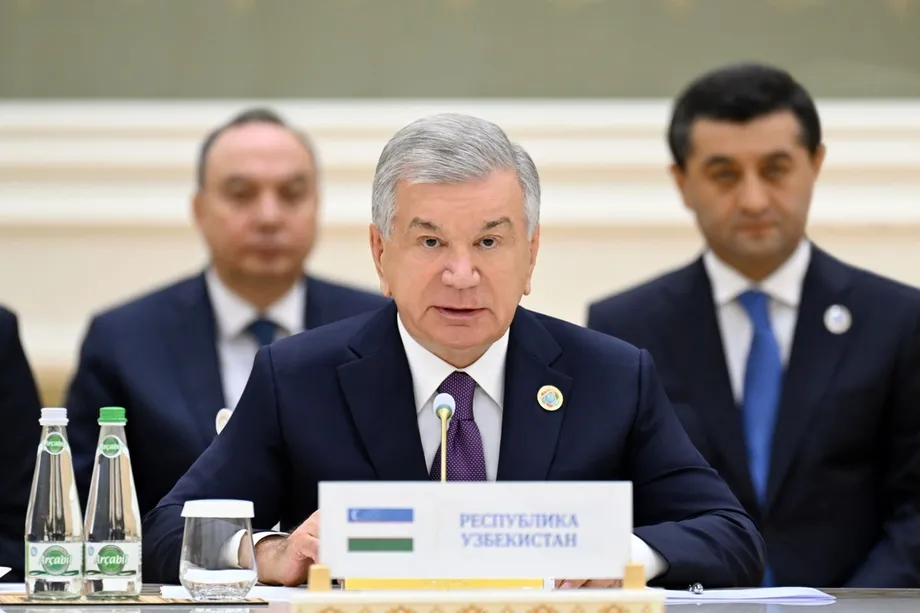
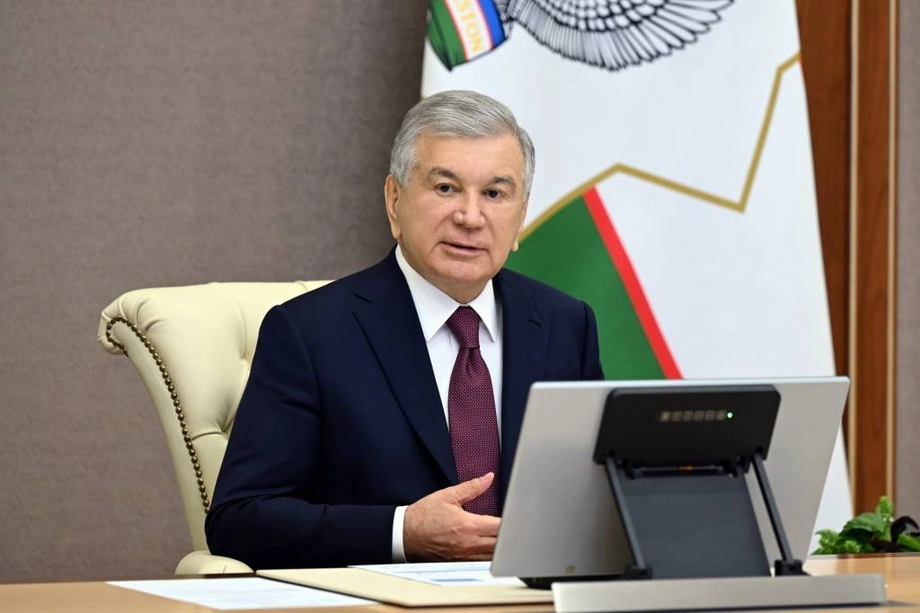
Uzbekistan has prepared 133 projects with an estimated combined cost of $3.3 billion for its 2027 to 2029 chairmanship of the International Fund for Saving the Aral Sea (IFAS). President Shavkat Mirziyoyev reviewed the proposals on November 9, 2026, according to his press service, with plans covering water infrastructure, environmental protection and social and economic development.
Contents
- Water systems, public services and regional cooperation lead the plans
- What the $3.3 billion package covers
- Who is expected to support the financing?
- A digital platform for floods and droughts
- Reforming the fund and working with Afghanistan
- A Tashkent university will support the work
- Shared river data and new degree programs
- From presidential instructions to a monthly schedule
- Key Points
The package brings together construction, digital monitoring, research and regional diplomacy. Proposed measures include rebuilding water management facilities, automating water distribution and measurement, forecasting floods and droughts, and expanding access to drinking water and sanitation.
Mirziyoyev instructed officials to prepare a monthly implementation schedule for 2027 and bring international experts, professors and researchers into the work, including Uzbek specialists living abroad. Ministries, government agencies and regional governors are also expected to participate.
The central task is to connect practical improvements in water services with cooperation across national borders. Uzbekistan plans to support that work through a shared database for the Amu Darya and Syr Darya river basins, changes to the fund's institutions and joint education programs involving Central Asian countries and Afghanistan.
What the $3.3 billion package covers
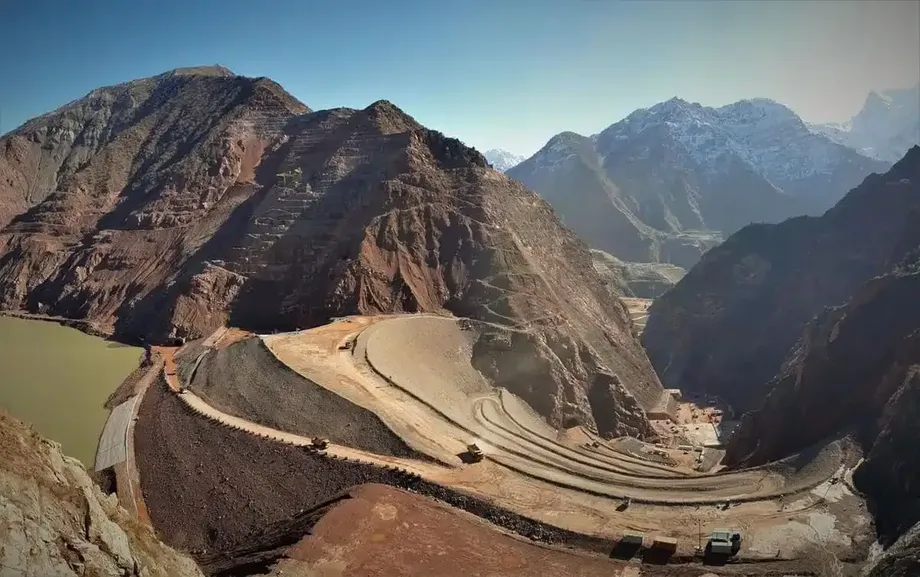
Water management projects will include modernization and reconstruction of existing facilities, alongside automated systems for distributing water, recording its use and monitoring supplies. In simple terms, the plans address both the structures that move water and the information needed to manage it.
Automation would make measurement and distribution part of the same management process. Recording how much water is available and how much is being allocated can help officials make decisions about supplies. The proposed regional forecasting platform would add information about weather and water conditions.
Household services form another part of the package. Uzbekistan plans to increase access to drinking water and sanitation, placing everyday public needs alongside infrastructure and environmental restoration in the chairmanship agenda.
The $3.3 billion estimate covers all 133 projects. The plans therefore span several kinds of investment rather than a single construction program, with research, public services and institutional changes accompanying work on water facilities.
Who is expected to support the financing?
Financing is planned with support from the World Bank, Asian Development Bank, European Bank for Reconstruction and Development, Green Climate Fund, Global Environment Facility and other international organizations.
The presidential presentation identified these organizations as expected partners. Individual financing commitments, the split between loans and grants, project budgets, the number of people expected to benefit and detailed construction deadlines were not disclosed.
The university research program will also seek investment and grants. Grants provide funding without requiring repayment, while loans create repayment obligations. The eventual financing arrangements will help determine how costs are shared between Uzbekistan and its partners.
A digital platform for floods and droughts
Uzbekistan proposes a regional digital platform to monitor hydrometeorological data, forecast floods and droughts, and issue early warnings. Hydrometeorological information combines observations about weather and water, helping authorities understand how conditions are changing.
Flood forecasting concerns the danger of too much water arriving in a place, while drought forecasting concerns a prolonged shortage. Bringing both into a regional platform would give participating authorities a common tool for tracking very different threats to communities and water supplies.
The digital platform and automated water systems have related but different jobs. The platform would support observation, forecasting and warnings. Automated distribution and accounting systems would support the day to day management of water. Together, they connect information about changing conditions with decisions about how water is used.
Climate change and growing water consumption were identified in the presentation as pressures worsening Central Asia's water shortages. The proposed monitoring and forecasting work is intended to help the region respond to those pressures through shared information.
Reforming the fund and working with Afghanistan
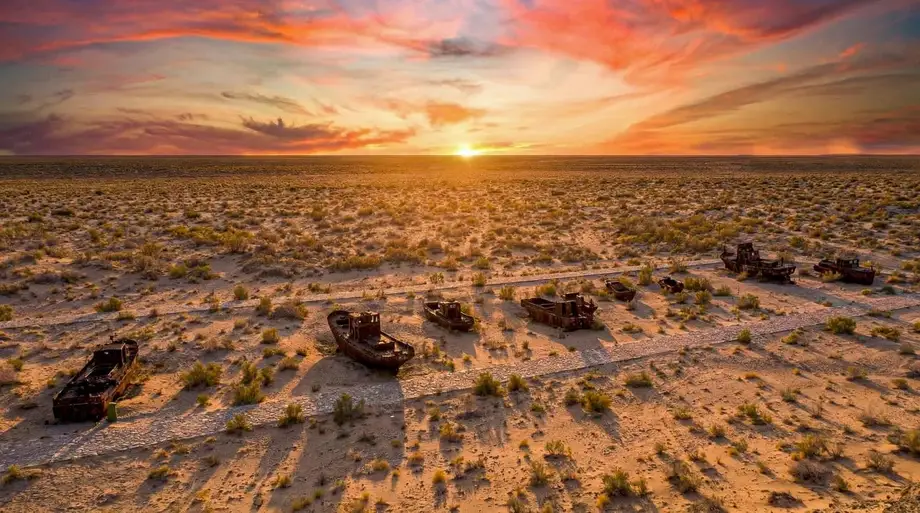
Central Asian countries established IFAS in 1993 to coordinate management of water resources in the Aral Sea basin. A basin is the area of land whose rivers and other waters drain toward a common destination, making it a useful unit for managing water across borders.
Uzbekistan's chairmanship priorities include improving the fund's structure and its treaty and legal framework. Officials also plan to define more precisely the responsibilities of its different bodies, making it clearer which part of the organization is responsible for each task.
Afghanistan is explicitly included in plans for stronger cooperation. Engagement will extend beyond government discussions to education and research, with proposed water management degree programs open to students from Afghanistan as well as Central Asian countries.
Uzbekistan also intends to align the fund's agenda with decisions taken at the Consultative Meetings of the Heads of State of Central Asia. This would connect the fund's practical work with priorities agreed by regional leaders, rather than leaving its activities on a separate track.
A Tashkent university will support the work
The National Research University Tashkent Institute of Irrigation and Agricultural Mechanization Engineers will serve as the scientific and analytical platform for the fund's initiatives. Its role brings research and specialist training into the implementation plans.
The university is expected to transform its activities, accelerate the introduction of artificial intelligence into teaching and research, and expand work on ecological restoration and water conservation. Artificial intelligence refers to computer systems that can identify patterns and assist with tasks such as analyzing information.
Researchers from countries across the region will jointly develop projects to combat desertification, the process through which land becomes more degraded and less productive. The university will also seek investment and grants to support its work.
Mirziyoyev called for international experts, professors and scientists to participate in the projects, including Uzbek specialists working abroad. Their involvement is intended to broaden the expertise available for implementation and research.
Shared river data and new degree programs
A unified database covering the Amu Darya and Syr Darya basins is another planned element of the university's work. Bringing information about the two basins into a common system would support the scientific analysis behind the fund's initiatives.
The database would sit alongside the broader regional monitoring agenda. Its purpose is to provide an organized base of information for research and planning, while the proposed forecasting platform would focus on tracking conditions and warning about floods and droughts.
The university also plans to launch bachelor's and master's degree programs in water management for Central Asia and Afghanistan. These programs would train specialists while creating opportunities for students and researchers from different countries to work on shared water issues.
Education and joint research are part of what officials describe as water diplomacy: cooperation between countries over the management of shared water resources. In this program, that cooperation would take place in classrooms and research projects as well as through ministries and regional meetings.
From presidential instructions to a monthly schedule
Mirziyoyev instructed the responsible authorities to ensure that the planned measures are completed fully, on time and to the required standard. He placed particular attention on implementation rather than leaving the proposals as a broad statement of priorities.
The president described the delivery requirement in direct terms:
It is necessary to ensure the full and timely implementation of the planned measures.
The next planning step is a monthly roadmap for work in 2027. Officials were also instructed to strengthen cooperation between relevant ministries and agencies and neighboring countries, and to involve regional hokims, or governors.
The timetable connects the fund's history with Uzbekistan's coming term:
- 1993: Central Asian countries establish the International Fund for Saving the Aral Sea.
- November 9, 2026: Mirziyoyev reviews the proposed projects and chairmanship priorities.
- 2027: The first year of the chairmanship is to have a monthly implementation roadmap.
- 2027 to 2029: Uzbekistan is scheduled to chair the fund and pursue the planned program.
Key Points
- Uzbekistan has prepared 133 projects with an estimated total cost of $3.3 billion for its 2027 to 2029 IFAS chairmanship.
- Plans cover water infrastructure, automated management, flood and drought warnings, drinking water and sanitation.
- Financing is expected with support from international development banks and environmental funds.
- Institutional reforms and stronger cooperation with Afghanistan are among the chairmanship priorities.
- A Tashkent research university will support shared river data, environmental research and water management degree programs.
- Mirziyoyev has ordered a monthly implementation roadmap for 2027 and participation by ministries, agencies and regional governors.