Two cell technologies planned for five hospitals
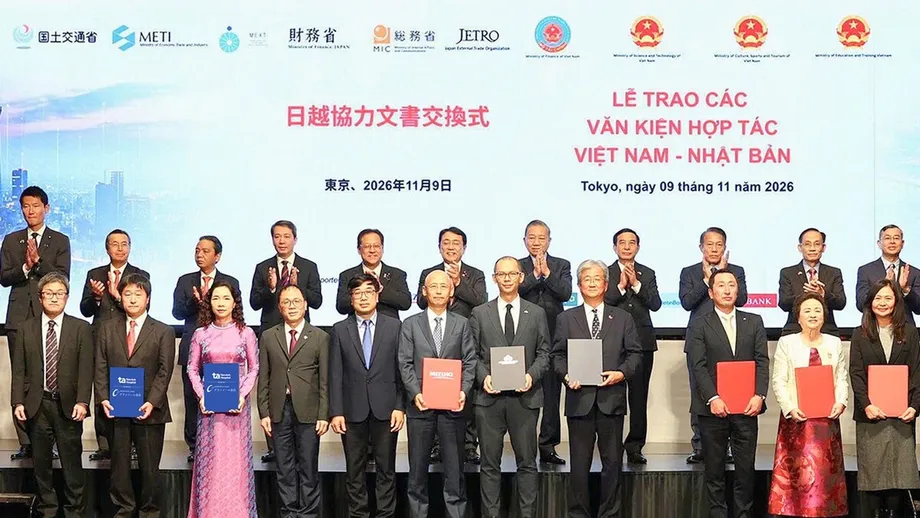
Vietnam's Tam Anh hospital system and Japan's Grandsoul medical group announced on November 9 that they had completed an exclusive transfer of two cell technologies: natural killer immune cells intended for cancer treatment and stem cells taken from a patient's own fat tissue for research and potential applications in chronic disease.
Contents
- Two cell technologies planned for five hospitals
- What the transfer brings to Vietnam
- How the natural killer cell process works
- Where NK cells fit within immunotherapy
- Stem cells from fat tissue have a different purpose
- Living cells require strict laboratory checks
- The milestones behind the announcement
- Cell technology joins a wider cancer investment
- What patients could gain from local access
- Key Points
Tam Anh plans to develop the technologies across five facilities in Hanoi and Ho Chi Minh City. The hospital system says those facilities currently handle more than 10,000 patient visits a day. The partnership covers laboratory methods, staff training, technical procedures and quality management, giving Vietnamese teams the tools to prepare and assess cells locally.
The announcement was made before senior Vietnamese and Japanese leaders during To Lam's November 8–11 visit to Japan. Grandsoul's Nara Immunology Research Institute developed the technologies, which the partners describe as authorised for use in Japan by the Ministry of Health, Labour and Welfare.
For patients, the practical route to treatment runs through Vietnam's requirements for research, clinical trials, permission to perform medical techniques and approval of particular treatment uses. The partners did not announce a routine treatment launch date, prices, insurance arrangements or clinical results for Vietnamese patients receiving the transferred technologies.
Decision 4259/QD-BYT, issued on October 12, 2020, by Vietnam's Ministry of Health, sets out guidance on research involving cells and cell-derived products. It requires research, development and safety and effectiveness assessments to be based on the product's risk classification. Cell processing and production must follow the good manufacturing practice principles in Appendix 1 of Circular 35/2018/TT-BYT, dated November 22, 2018. The guidance states that actual treatment effectiveness can only be established through rigorously designed and appropriately conducted clinical trials.
The guidance directs cell trials to follow requirements corresponding to those for drug trials under Circular 29/2018/TT-BYT of October 29, 2018, drug bioequivalence trials under Circular 10/2020/TT-BYT of June 11, 2020, and recognition of clinical research into new medical techniques and methods under Circular 55/2015/TT-BYT. Before any research phase begins, the protocol must undergo ethics review under Circular 04/2020/TT-BYT. Research institutions must prepare their laboratories, personnel, equipment and documentation, report to the Ministry of Health for assessment of technical conditions, and submit research applications and protocols to the ministry and the National Ethics Council for approval. Research must follow the approved protocol.
For clinical trials of new medical techniques and methods, Article 101 of Decree 96/2023/ND-CP requires trial sites to meet good-practice requirements and have a professional scope appropriate to the technique being tested. Article 103 requires applications for approval of trials, changes and trial results to be submitted to the Ministry of Health. For trial and result applications, the ministry checks validity within five working days and, for valid applications, refers the documents to the National Ethics Council within two working days. The council conducts ethics assessments monthly, and the ministry decides on approval within five working days of receiving the council's approval certificate and accompanying documents. Applicants notified of an invalid application have up to 60 days to complete it before the procedure must restart. Changes covered by point b, clause 3, Article 102 are decided within seven working days of receipt of a valid application.
What the transfer brings to Vietnam
Grandsoul is transferring methods for isolating, growing and preparing cells, together with the knowledge needed to operate those processes. Growing cells, also called culturing them, means maintaining them in controlled laboratory conditions so that their numbers can increase before possible treatment.
Tam Anh chairman Ngo Chi Dung described the partnership as a connection between technology and a network of specialists. He said it could develop into cooperation in research, investment and further technology development between Vietnam and Japan.
The arrangement makes Tam Anh Grandsoul's exclusive partner in Vietnam for these technologies. Japanese specialists assessed the hospital's facilities, laboratories, staff and quality systems before completing the transfer. Tam Anh says the process finished earlier than planned.
How the natural killer cell process works
Natural killer cells, usually shortened to NK cells, are part of the body's immune system. They can recognise and attack certain abnormal cells. The transferred approach aims to use that ability against cancer by preparing a patient's immune cells outside the body and then returning them.
The process starts with a blood collection. Laboratory staff isolate immune cells, select suitable cells and grow them in a specialised environment. They also activate the cells, meaning they prepare them to perform their intended immune functions. Cells that meet the required quality standards can then be considered for infusion back into the patient.
Ta Thanh Van, chairman of the professional council at Tam Anh Hanoi's Centre for Regenerative Medicine and Cell Therapy, described NK therapy as a potential addition to cancer care involving several treatments. Doctors call this a multimodal approach: a treatment plan may combine surgery, chemotherapy, radiation or medicines directed at particular features of a tumour.
The partners identify breast, lung, stomach, bladder, kidney and colorectal cancers among the intended areas of application. Decisions about using the technology would depend on the particular cancer, the patient's condition, clinical evidence and the treatment uses permitted by regulators.
Where NK cells fit within immunotherapy
Pham Xuan Dung, director of the Oncology Centre at Tam Anh in Ho Chi Minh City, said immunotherapy has become an important part of modern cancer treatment. Immunotherapy is a broad term for treatments that help the immune system act against cancer.
Some immunotherapy uses medicines. The transferred NK approach instead involves collecting and preparing living cells. Dung said the effectiveness, safety and scope of each cell technology must be assessed through research data, medical indications and current legal requirements.
His comments place patient selection and evidence at the centre of the proposed service. Tam Anh already offers several cancer treatments, and its specialists describe NK cells as a possible addition to a coordinated plan alongside established options.
Stem cells from fat tissue have a different purpose
The second technology concerns mesenchymal stem cells, or MSCs, obtained from a patient's fat tissue. These cells are being studied for their ability to influence immune responses and take part in tissue repair.
Tam Anh's process uses the patient's own cells, an approach known as autologous treatment. Staff collect tissue, isolate the relevant cells, process and grow them, and assess their suitability for use under an appropriate medical indication.
The research areas described by the partners include cardiovascular disease, stroke, dementia, diabetes, chronic obstructive pulmonary disease and skin rejuvenation. Chronic obstructive pulmonary disease, often called COPD, is a lasting lung condition that makes breathing difficult.
NK and MSC technologies therefore serve different proposed roles within the partnership. The NK programme centres on immune activity against cancer. The MSC programme focuses on immune regulation and tissue repair across several areas of chronic disease research.
Vietnam's estimated burden of chronic illness helps explain the interest. Figures cited in connection with the announcement put the number of people with heart failure at about 1.6 million and those with diabetes at about 8 million. Those estimates describe large populations with diverse medical needs, requiring different approaches to diagnosis and care.
Living cells require strict laboratory checks
Matsuo Yoshinobu, a senior technology specialist at Grandsoul's Nara Immunology Research Institute, identified five requirements for cells prepared for treatment: their biological characteristics, purity, proportion of living cells, function and sterility.
In everyday language, a laboratory needs to check that it has the intended cells, that unwanted material is controlled, that enough cells remain alive, that they perform the required activity and that the preparation meets standards for freedom from microbial contamination.
Matsuo said these requirements depend on four coordinated elements: trained personnel, technical procedures, equipment and quality management. Japanese specialists examined those elements at Tam Anh before approving the transfer from their side.
Matsuo described the partners' priorities for developing regenerative medicine in Vietnam:
We are ready for both sides to jointly develop safe, quality and sustainable regenerative medicine in Vietnam, with treatment effectiveness and patient safety as the top priorities.
Tam Anh says its investment includes specialist staff, laboratory infrastructure and a Centre for Regenerative Medicine and Cell Therapy. Its tissue and umbilical cord blood bank received an operating licence from Vietnam's Ministry of Health in 2019.
The milestones behind the announcement
Tam Anh's cell programme builds on several years of investment in facilities and personnel. The latest announcement completes the technology transfer stage, while the next steps concern research, clinical assessment and implementation under Vietnamese rules.
The main milestones described by the hospital and its partner are:
- 2019: Vietnam's Ministry of Health licenses Tam Anh's tissue and umbilical cord blood bank.
- Before the transfer is completed: Japanese specialists assess Tam Anh's laboratories, equipment, staff, technical processes and quality management.
- November 8–11: To Lam visits Japan, providing the setting for the cooperation announcement.
- November 9: Tam Anh and Grandsoul announce completion of the exclusive technology transfer before senior leaders from both countries.
- Following the transfer: Tam Anh plans development across five facilities in Hanoi and Ho Chi Minh City, linked to research, specialist consultation, clinical evaluation and patient monitoring.
The partnership also includes training and exchanges of practical experience. That gives local teams a continuing role in operating the technology and developing research capacity, rather than relying solely on treatment services overseas.
Cell technology joins a wider cancer investment
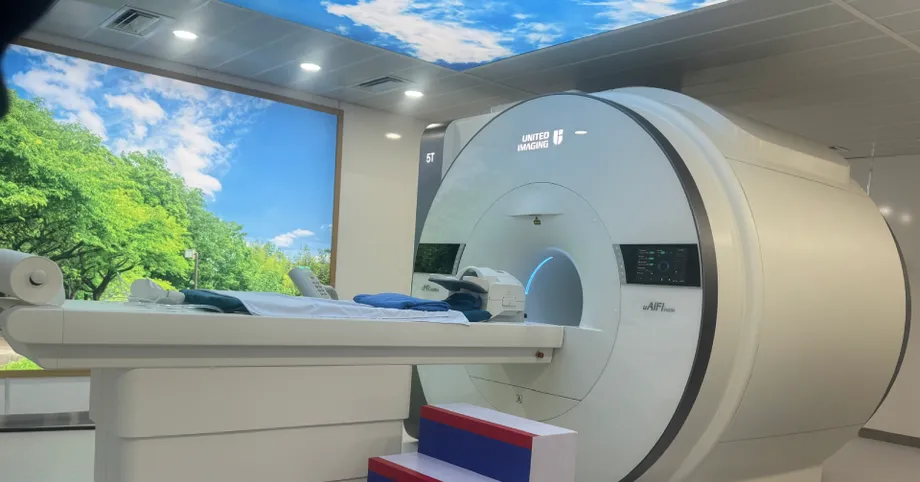
Tam Anh's existing cancer services include CT, MRI and PET/CT imaging, specialised laboratory testing, molecular biology, surgery, chemotherapy, targeted medicines, immunotherapy and radiation treatment. These services help doctors identify a cancer, examine its characteristics and select a treatment plan.
The hospital says it has two Da Vinci Xi surgical robot systems and has performed more than 600 operations using them. It is also developing a proton radiation service using the American MEVION S250-FIT system, valued at nearly VND 2 trillion.
The first proton equipment delivery reached Tam Anh's Phu My Hung construction site in Ho Chi Minh City on October 20, 2026. The hospital targeted clinical operation from the middle of 2027, while manufacturer Mevion identified late 2027 as the earliest expected opening.
Proton therapy and cell therapy involve different treatment processes. Proton therapy directs radiation at a tumour using specialised equipment. Cell therapy involves preparing living cells for use in a patient. Both projects require staff preparation, technical checks and the relevant clinical permissions before services can operate.
What patients could gain from local access
Vietnam records approximately 180,000 new cancer cases and more than 120,000 cancer deaths annually, according to estimates cited with the announcement. That scale of illness gives the proposed expansion of treatment capacity a direct public health context.
Tam Anh hopes local preparation of cell therapies will allow suitable patients to receive care in Vietnam instead of travelling abroad. For families who would otherwise seek treatment overseas, domestic access could reduce travel, accommodation and the time spent away from home.
Ta Thanh Van said patients could access technology meeting Japanese standards in Vietnam at a lower cost. The size of any saving will depend on the treatment offered, the number of procedures required and how care is funded.
Ngo Chi Dung also linked the investment to Vietnamese Party and government resolutions encouraging private investment in strategic technologies. His stated ambition extends to joint research, training and development, with cooperation between Vietnamese and Japanese specialists continuing beyond the completed transfer.
The immediate change is local access to the methods, training and laboratory systems behind two cell technologies. The patient care programme will develop through clinical evaluation, approved treatment uses and continued monitoring of safety and outcomes.
Key Points
- Tam Anh and Japan's Grandsoul announced an exclusive cell technology transfer on November 9.
- The agreement covers NK immune cells for potential cancer applications and MSCs obtained from a patient's fat tissue.
- Development is planned across five Tam Anh facilities in Hanoi and Ho Chi Minh City.
- The transfer includes technical processes, staff training and quality management.
- Clinical implementation must follow Vietnamese requirements for research, trials, technical permissions and treatment indications.
- The hospital aims to reduce the need for suitable patients to travel abroad for cell treatment.