A record boundary and a narrow escape in Wellington
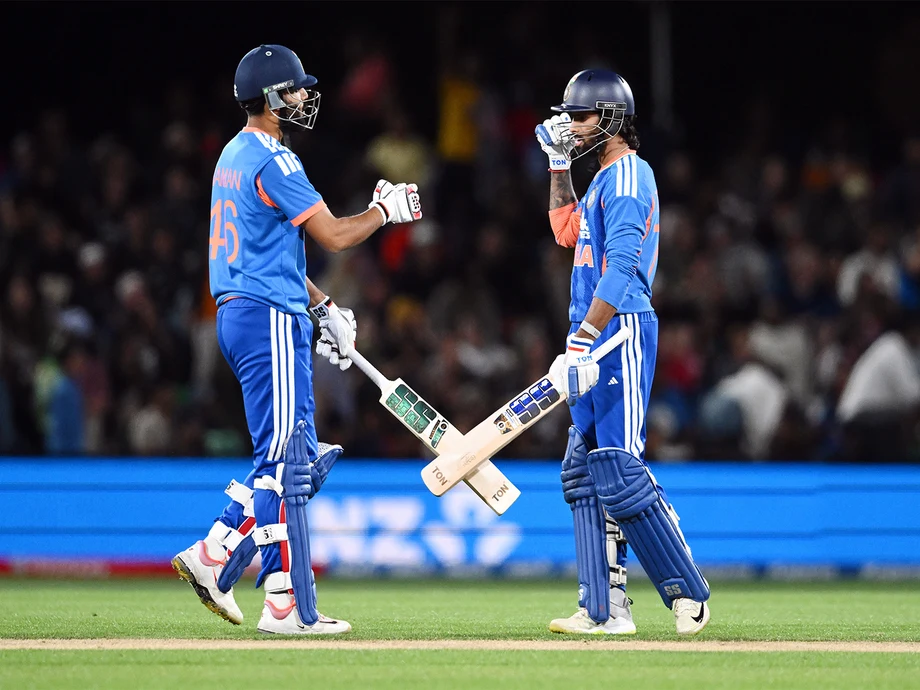
Virat Kohli moved past Ricky Ponting as the leading run scorer against New Zealand in one day international cricket on November 7, 2026, striking a boundary from the second ball he faced at Hnry Stadium in Wellington. His innings lasted just seven balls, but India survived a much longer struggle to win the second ODI by four runs under the Duckworth-Lewis-Stern method.
Contents
- A record boundary and a narrow escape in Wellington
- How Kohli moved beyond Ponting
- Seven centuries underpin the record
- Brar turned pressure into wickets
- Mitchell and Santner kept New Zealand in the game
- Why chasing 135 became so difficult
- How four runs decided an unfinished chase
- Two matches, two milestones, one series lead
- Key Points
Kohli entered the match level with the former Australia captain on 1,971 runs against New Zealand. His opening four took him to 1,975, a figure also given as his total in coverage of the milestone. His completed innings of seven brought the total to 1,978, seven ahead of Ponting and just 22 short of becoming the first batter to reach 2,000 ODI runs against New Zealand.
Jacob Duffy dismissed Kohli, caught by Will Young, in the fourth over. New Zealand then kept taking wickets as India pursued an initial target of 135. When rain ended play after 26 overs, India were 113 for seven, only four runs above the DLS par score.
Gurnoor Brar was named Player of the Match for taking four wickets for 30 runs as India dismissed New Zealand for 134 in 41 overs. Daryl Mitchell made 55 and captain Mitchell Santner contributed 31, but their recovery could not give New Zealand enough protection against another interruption.
India now lead the series of five ODIs 2-0. Kohli supplied the individual landmark, while Brar and the lower middle order helped turn a difficult evening into a second victory.
How Kohli moved beyond Ponting
Kohli had drawn level with Ponting by scoring 74 from 51 balls in the opening ODI at Auckland on November 4. That innings helped India win by five wickets after rain reduced their target to 143 from 32 overs.
Wellington required only one more run for the record to change hands. Kohli reached it with a driven boundary, but Duffy soon interrupted his progress with a delivery that stopped on his cover drive and produced a catch for Young.
The leading totals against New Zealand now place Kohli ahead of five major figures from international cricket:
- Virat Kohli: 1,978 runs.
- Ricky Ponting: 1,971 runs.
- Sachin Tendulkar: 1,750 runs.
- Kumar Sangakkara: 1,568 runs.
- Sanath Jayasuriya: 1,519 runs.
- Jacques Kallis: 1,449 runs.
Kohli reached his total in 38 innings, compared with Ponting's 50. He therefore moved seven runs ahead while using 12 fewer innings. His average against New Zealand stands at 56.51, with a strike rate of 97.87, meaning he has scored almost 98 runs for every 100 balls faced.
Seven centuries underpin the record
Kohli's record against New Zealand rests on much more than the boundary that took him past Ponting. He has seven centuries against them, the most by any batter, alongside 11 half centuries and a highest score of 154 not out.
Those figures give him 18 innings of at least 50, matching Ponting. The Australian reached that number through six centuries and 12 half centuries. Kohli has converted one more of those substantial starts into a hundred.
Auckland had already brought another achievement: Kohli reached 13,000 runs at No. 3, the batting position immediately after the two openers. His 74 also became his 80th ODI half century and came a day before his 38th birthday.
His career figures after Wellington stand at 15,190 ODI runs in 320 matches, with 55 centuries and 80 half centuries. The immediate target is smaller and closer: another 22 runs against New Zealand would take him to 2,000, with three matches left in the series.
Brar turned pressure into wickets
Shubman Gill chose to bowl after rain delayed the start and reduced the contest to 47 overs per side. India used four fast bowlers alongside left arm spinner Axar Patel, making New Zealand work hard for scoring opportunities.
Auqib Nabi removed both openers, Tim Seifert and Will Young, while Anshul Kamboj dismissed Henry Nicholls. New Zealand were 23 for three before Mitchell and Tom Latham began trying to repair the innings.
Brar broke that stand and then dismissed Glenn Phillips in the same over, leaving New Zealand 53 for five. His short deliveries were particularly difficult to control on a surface offering steep and uneven bounce.
Brar finished with four for 30 from ten overs, including two maidens, overs in which no runs were scored. Arshdeep Singh supported the attack with seven overs costing just 16 runs, while Nabi took two for 31 and Axar two for 28.
Kamboj finished with two for 25 from eight overs, bowling Blair Tickner to complete his second wicket and end New Zealand's innings. His two wickets brought India's combined bowling return to the ten New Zealand wickets that fell.
India delivered 176 dot balls, deliveries from which no runs were scored. That sustained pressure helps explain why a relatively small total still took New Zealand 41 overs to compile.
Mitchell and Santner kept New Zealand in the game
Mitchell's 55 from 104 balls was the only half century of the match. Gill dropped him on 21 off Kamboj, allowing New Zealand's most substantial innings to continue.
Santner brought more momentum, scoring 31 from 38 balls and adding 59 with Mitchell for the sixth wicket. Their stand lifted New Zealand from 53 for five to 112, giving the home bowlers something to defend.
Axar eventually removed Mitchell, who advanced down the pitch and was caught at long off. Mitchell had struggled to score freely against the spinner, making ten runs from the 26 balls he faced from him.
Brar dismissed Santner in the next over, and New Zealand lost their last five wickets for 22 runs. Their total of 134 was 51 fewer than the 185 they made in Auckland.
Blair Tickner also suffered a concussion after being struck by a bouncer from Kamboj. Matt Fisher entered the match as his concussion replacement and later took a wicket in India's chase.
Why chasing 135 became so difficult
New Zealand's fast bowlers made the small target feel much larger. Duffy and Kyle Jamieson each finished with three wickets for 35 runs, exploiting the same bounce and movement that had troubled the home batters.
India's response depended heavily on attacking loose deliveries. Boundaries supplied 78 of their 113 runs, about 69 percent of the total. New Zealand's lush outfield made gently placed shots less rewarding because the ball slowed quickly after bouncing.
Rohit Sharma scored 20 of his 23 runs in boundaries. Shreyas Iyer made 30, India's highest score, while KL Rahul remained unbeaten on 26 and provided stability as wickets continued to fall around him.
Fisher removed Axar for 17, and Jamieson dismissed Iyer with a hostile short ball. Naman Dhir added 12 before falling late in the innings. Kamboj's dismissal left India seven wickets down in what became the final over of the match.
Rahul's presence mattered because every wicket affected both India's ability to finish the chase and their position under the rain calculation. India had enough runs when play stopped, but little room to spare.
How four runs decided an unfinished chase
India were originally chasing 135 because New Zealand had scored 134. Rain prevented the chase from reaching its normal conclusion, so the result depended on the Duckworth-Lewis-Stern method, usually shortened to DLS.
DLS adjusts a chase when weather removes playing time. It takes account of the overs available and wickets lost, because a team with more wickets remaining generally has more ability to score quickly.
India's 113 for seven after 26 overs was four above the applicable par score of 109. The scorecard consequently displayed a target of 110 for that stage. During the interruption, a revised target of 133 from 37 overs was set for a planned resumption at 10.55pm local time, but rain returned before play could resume and the match was eventually called off.
The final result was a victory by four runs under DLS. India's margin came from their position against the par score when rain ended play, rather than from completing the original chase of 135.
Seven wickets down made that advantage fragile. Another dismissal would have changed the resources available to India in the calculation, which explains the tension even with a modest original target.
Two matches, two milestones, one series lead
India have won both ODIs despite very different batting contributions from Kohli. His 74 drove the Auckland chase; his seven in Wellington supplied a record but left others to secure the result.
The opening matches have unfolded as follows:
- November 4, Auckland: India bowled New Zealand out for 185 and won by five wickets after a revised target of 143. Kohli scored 74 and reached 13,000 ODI runs at No. 3.
- November 7, Wellington: Kohli passed Ponting with a boundary, Brar took four for 30, and India won by four runs under DLS after reaching 113 for seven.
- After two ODIs: India lead 2-0, with three matches remaining in the series.
For New Zealand, Mitchell and Santner supplied a recovery with the bat, and Duffy and Jamieson brought the chase close to a reversal. Their side still needs a stronger batting platform after being dismissed for 185 and 134 in successive matches.
India, meanwhile, have combined an experienced batting group with decisive contributions from less experienced bowlers. Brar's award in Wellington gave that bowling effort a clear focal point, even on the day Kohli claimed the headline record.
Key Points
- Kohli passed Ponting's 1,971 ODI runs against New Zealand and finished his innings with a total of 1,978.
- His seven centuries against New Zealand are the most by any batter, and he needs 22 runs to reach 2,000.
- Brar took four for 30 and Kamboj two for 25 as New Zealand were dismissed for 134 in 41 overs.
- Mitchell scored 55, while Santner added 31 in a recovery worth 59 runs.
- India were 113 for seven after 26 overs, four above the DLS par score of 109; a revised target of 133 from 37 overs was set, but play never resumed and India won by four runs under DLS.
- India lead the series of five ODIs 2-0.