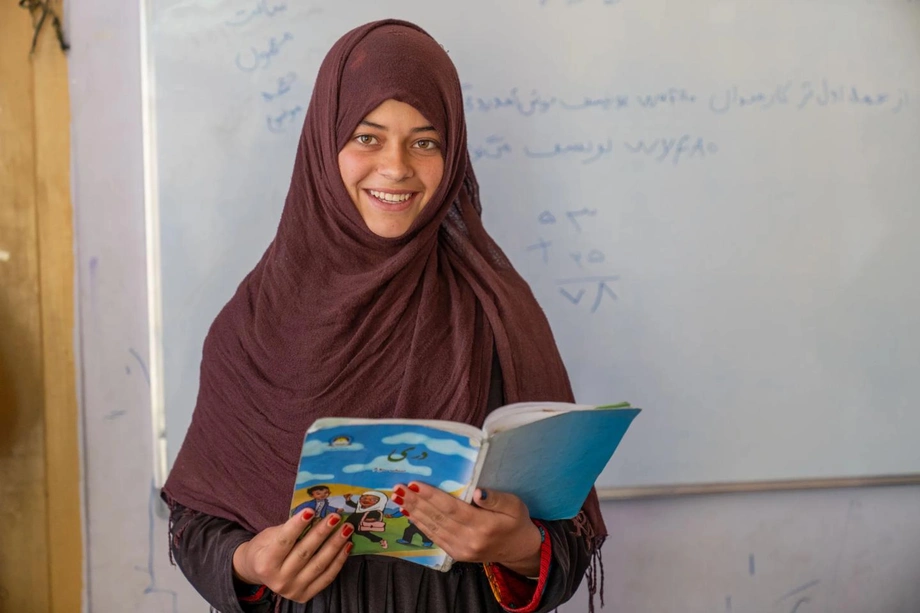
Millions excluded as demand for education grows
Afghanistan's education crisis reaches from children missing primary school to women shut out of universities. On 24 January 2026, UNESCO and UNICEF said 2.2 million adolescent girls were banned from secondary education and 93 per cent of children reaching the end of primary school were still working toward basic reading proficiency.
Contents
- Millions excluded as demand for education grows
- Girls face a closed route beyond grade six
- How the restrictions expanded
- More children need places than schools can provide
- Being in school is only part of the problem
- A crisis that predates the current bans
- Community classes reach children near home
- Restrictions threaten the supply of women professionals
- Defence of the bans draws criticism
- Key Points
The agencies' joint education statement, issued in Kabul on the International Day of Education, described Afghanistan as the only country where secondary and higher education are strictly forbidden to girls and women. Their appeal combined two urgent demands: restore access to classrooms and improve what children learn inside them.
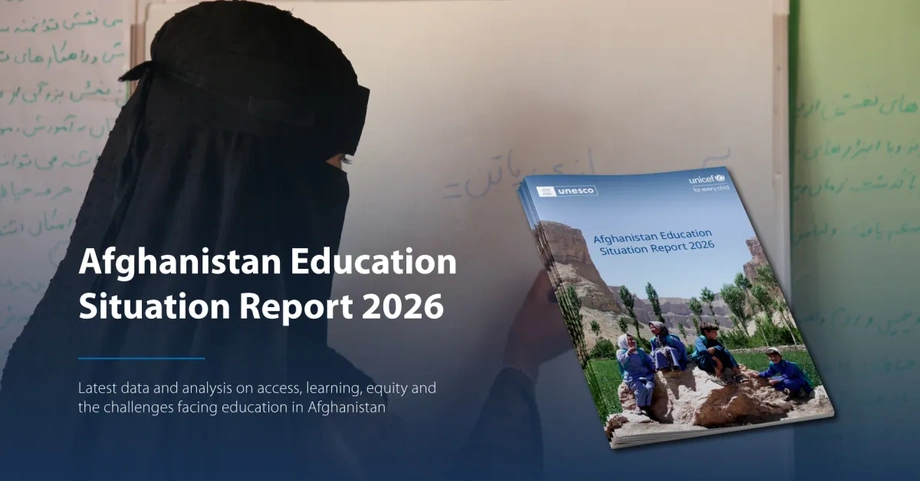
The crisis has been described as leaving 7 million students out of school, although a dated national calculation supporting that total was not given. UNESCO and UNICEF's Afghanistan Education Situation 2026 report provides a more detailed picture: about 53 per cent of children of primary school age are outside formal general education, while population growth and returning families are increasing demand for places.
Afghan families face several barriers at once. Taliban restrictions close the route beyond grade six for girls. Schools also face shortages of capacity, qualified teachers and investment. Children who secure a place may still leave primary education without the reading skills needed for later lessons.
Girls face a closed route beyond grade six
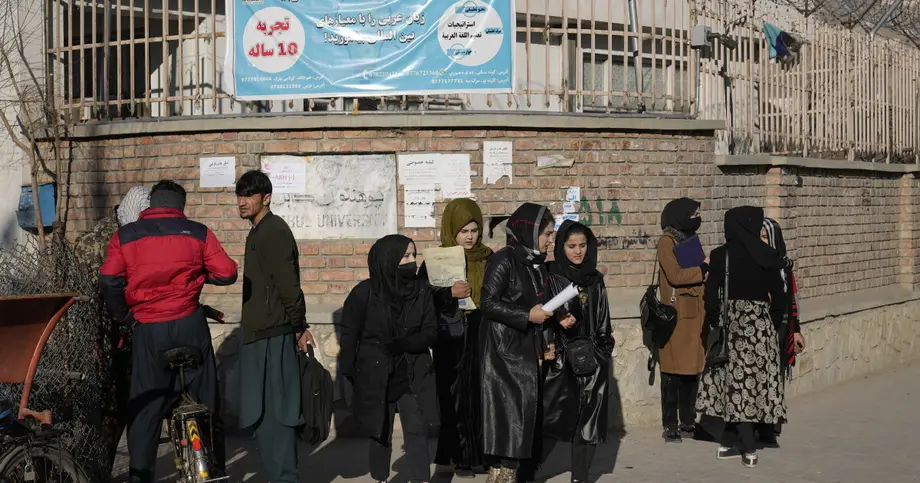
The January statement puts the number of adolescent girls banned from secondary school at 2.2 million; the Afghanistan Education Situation 2026 report gives a figure of more than 2.6 million girls unable to study beyond grade six since August 2021.
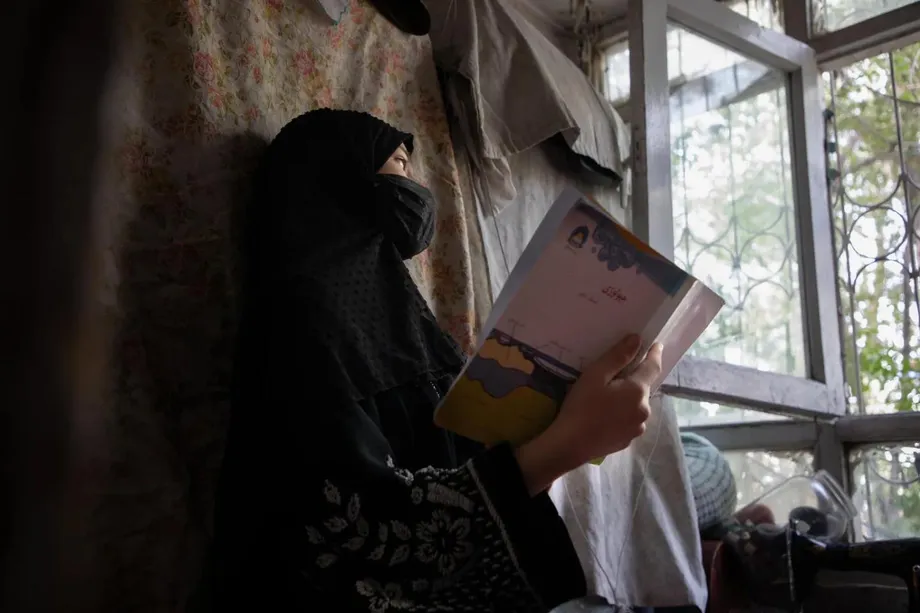
For a girl finishing primary school, the restriction means the usual next step in education is closed. Exclusion from university extends that barrier into adulthood, blocking the formal training needed for many professions.
Soohyun Kim, UNESCO Afghanistan's Officer in Charge, described the national cost of denying girls access to education:
When girls are denied access to education, an entire nation pays the price.
Kim also called for stronger foundational learning and support for women teachers. Foundational learning means the basic reading and number skills that children need before they can manage more demanding subjects. Afghanistan needs both wider access and better teaching to give students a workable route through education.
How the restrictions expanded
The Taliban returned to power on 15 August 2021. Restrictions introduced the following month excluded girls from formal schooling beyond grade six. Subsequent decisions extended exclusion into universities and medical training.
The main developments unfolded over several years:
- September 2021: Girls were barred from formal education beyond grade six.
- March 2022: Plans to reopen secondary schools for girls were withdrawn.
- December 2022: Women were excluded from universities.
- December 2024: Restrictions barred women from medical training institutions, including nursing and midwifery programmes.
- 24 January 2026: UNESCO and UNICEF renewed their call for full, safe and inclusive access to education.
The decisions have affected successive stages of the same educational journey. A girl needs secondary schooling before she can enter university, and professional training before she can qualify for work such as nursing or medicine. Closing several stages makes the loss extend far beyond a single missed school year.
No date for restoring girls' secondary education or women's university access was given in the January appeal.
More children need places than schools can provide
Afghanistan's population aged seven to 18 rose from about 10.4 million in 2019 to 11.5 million in 2024, according to the education situation report. That is an increase of approximately 1.1 million, or nearly 11 per cent, in five years.
Schools therefore need more places simply to keep pace with the number of children. Recurring emergencies, insufficient investment and the return of Afghan migrants from Pakistan and Iran add pressure on buildings, teachers and education services.
The report also recorded more than one million returnees, including over 245,000 children. Returning children add to demand in the communities where their families settle, increasing the need for classrooms, learning materials and teachers.
Public primary enrolment reached about 6.6 million in the period described by the report, approximately 560,000 more than in 2022. That represents growth of roughly 9 per cent from an implied starting figure of about 6.04 million. Yet the agencies said enrolment growth was still failing to keep pace with the expanding population of school age.
Families continue to seek education despite the pressure. Rising enrolment shows that schools are absorbing more pupils, while the large share outside formal primary education shows how much demand remains unmet. Boys also face declining participation, making this a broader access crisis alongside the specific restrictions imposed on girls.
Being in school is only part of the problem
UNESCO and UNICEF's finding that 93 per cent of children at the end of primary school are still working toward basic reading proficiency points to a severe learning problem among children who have reached that stage. Reading is the tool students use to understand instructions, textbooks and written exercises across subjects.
The education situation report also describes a nationwide assessment in which fewer than half of fourth grade students achieved minimum language proficiency. Children struggling with language skills have difficulty following later lessons, even when a classroom place is available.
Preliminary research conducted in 2025 found that students performed better in schools where a larger share of teachers had a university education, especially in language learning. The findings also showed that female teachers had stronger subject knowledge and were associated with better student learning outcomes.
The agencies' response includes school rehabilitation, teacher development and stronger early learning in reading and mathematics. Those priorities connect the condition of the classroom with the quality of the lesson: children need somewhere to learn, a teacher prepared to teach them and materials they can use.
A crisis that predates the current bans
Afghanistan already had a large population outside school before the Taliban returned to power. UNICEF's January 2020 education programme brief cited a 2018 report estimating that 3.7 million children, or 42 per cent of the population of school age, were out of school. Girls accounted for 60 per cent of them.
That share amounted to about 2.22 million girls, calculated from the 3.7 million total. The brief identified a shortage of female teachers, inadequate school sanitation, early marriage and traditional beliefs as barriers to girls' education. It also described difficulties distributing supplies, paying teachers and operating amid conflict and natural disasters.
The same document recorded major gains in access: primary enrolment had grown from one million children in 2002 to 8.5 million in 2015. Completion remained weak, with only 54 per cent of enrolled children finishing primary school, according to a 2015 measure cited in the brief.
UNICEF's programme for 2015 to 2021 aimed to reduce the number outside school from a baseline of 3.7 million in 2017 to 3.2 million by 2021, a planned reduction of 500,000. It also sought higher attendance and retention. Those targets show the scale of the work already required before the later restrictions removed girls' access to further education.
Community classes reach children near home
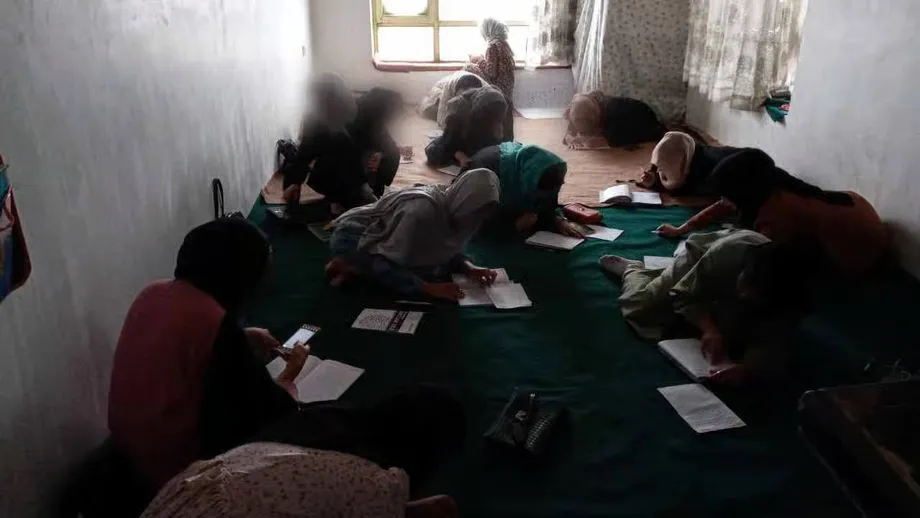
Community education has offered one practical way to reach children far from formal schools. UNICEF's 2020 brief described classes within walking distance of home, taught by teachers trusted by local families. Communities provided space, students and teachers, while UNICEF supplied learning materials and support.
The model included classes covering grades one to three and accelerated learning centres that condensed six years of primary education into three. Accelerated learning gives children who have missed school a chance to catch up without starting alongside much younger beginners.
The education situation report describes approximately 5,300 community classes serving about 162,000 students. Girls made up 64 per cent, equivalent to roughly 104,000 learners. The agencies said community classes, literacy programmes, distance education and private tutoring remain insufficient for the needs of teenage girls, and called for formal education in person to be restored.
A story in the 2020 brief showed how this approach worked before the current restrictions. Basirya, then a student aged 17 in Kandahar, attended grade 10 in the morning and taught girls at an accelerated learning centre in the afternoon. Some of her pupils had missed school because of insecurity, poverty or limited access.
Basirya said she asked girls in her community why they were not attending school:
Some said that their parents did not allow them to go to school, others felt they were too old to enrol.
Her experience illustrates the value of a nearby classroom and a trusted teacher. It also shows the connection between keeping girls in education and having women available to teach the next group of pupils.
Restrictions threaten the supply of women professionals
Dr. Tajudeen Oyewale, UNICEF's representative in Afghanistan, linked education directly to the future provision of essential services. In the January statement, he identified several professions in which women are urgently needed:
Afghanistan urgently needs female teachers, nurses, community health workers, and doctors.
Oyewale warned that restrictions on girls' education threaten future care for women and girls in a setting where women can only be treated by women. The closure of medical training routes affects the supply of nurses and midwives as well as students seeking other health qualifications.
The teacher shortage follows a similar pattern. Girls need access to secondary school and further study to become qualified teachers. UNICEF's earlier programme included the Girls' Access to Teacher Education initiative, which offered scholarships lasting two years to female teaching candidates. The 2025 research on teacher qualifications gives added weight to the need for that educational route.
University enrolment also remains much smaller than before 2021. The education situation report gives about 208,000 students for the period it describes, compared with 189,000 in 2024 and approximately 430,000 in 2020. Although the figure has risen from 2024, it remains about 52 per cent below the 2020 level.
Defence of the bans draws criticism
Islamic preacher Zakir Naik has defended the restrictions as a temporary pause linked to safety concerns and a shortage of female teachers. He said girls could study through class six and claimed that women could still pursue advanced religious studies.
Naik, who said he had spoken to Taliban representatives, argued that delaying education until suitable teachers were available was acceptable:
So if someone delays the education till they have the right teacher, there is no problem at all.
Ziauddin Yousafzai, a Pakistani education activist based in Britain and the father of Nobel Peace Prize laureate Malala Yousafzai, rejected that justification. He described it as:
deeply troubling and disappointing
Yousafzai challenged the description of an indefinite ban as a delay and questioned how the shortage of female teachers would be addressed. UNESCO and UNICEF's January appeal places restoring access alongside investment in qualified teachers, learning materials and schools. The education restrictions affect the very students who would otherwise train to fill those shortages.
Key Points
- UNESCO and UNICEF said on 24 January 2026 that 2.2 million adolescent girls were banned from secondary school.
- About 53 per cent of children of primary school age are outside formal general education, according to the education situation report.
- The population aged seven to 18 grew from about 10.4 million in 2019 to 11.5 million in 2024.
- Some 93 per cent of children reaching the end of primary school are still working toward basic reading proficiency.
- Approximately 5,300 community classes serve 162,000 students, with girls accounting for 64 per cent.
- The UN agencies are calling for restored access, stronger teaching and investment in schools, with no reopening date given for girls' secondary education or women's universities.