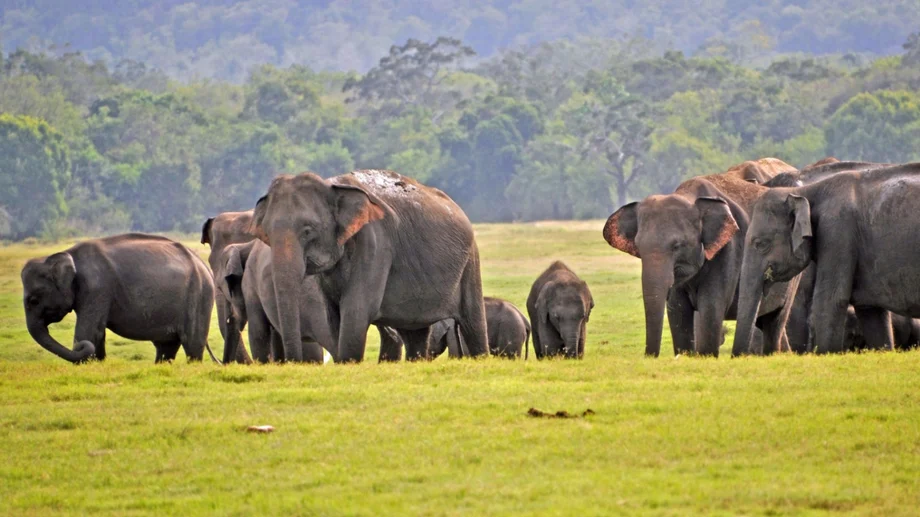
Nearly a third of recorded deaths have no identified cause
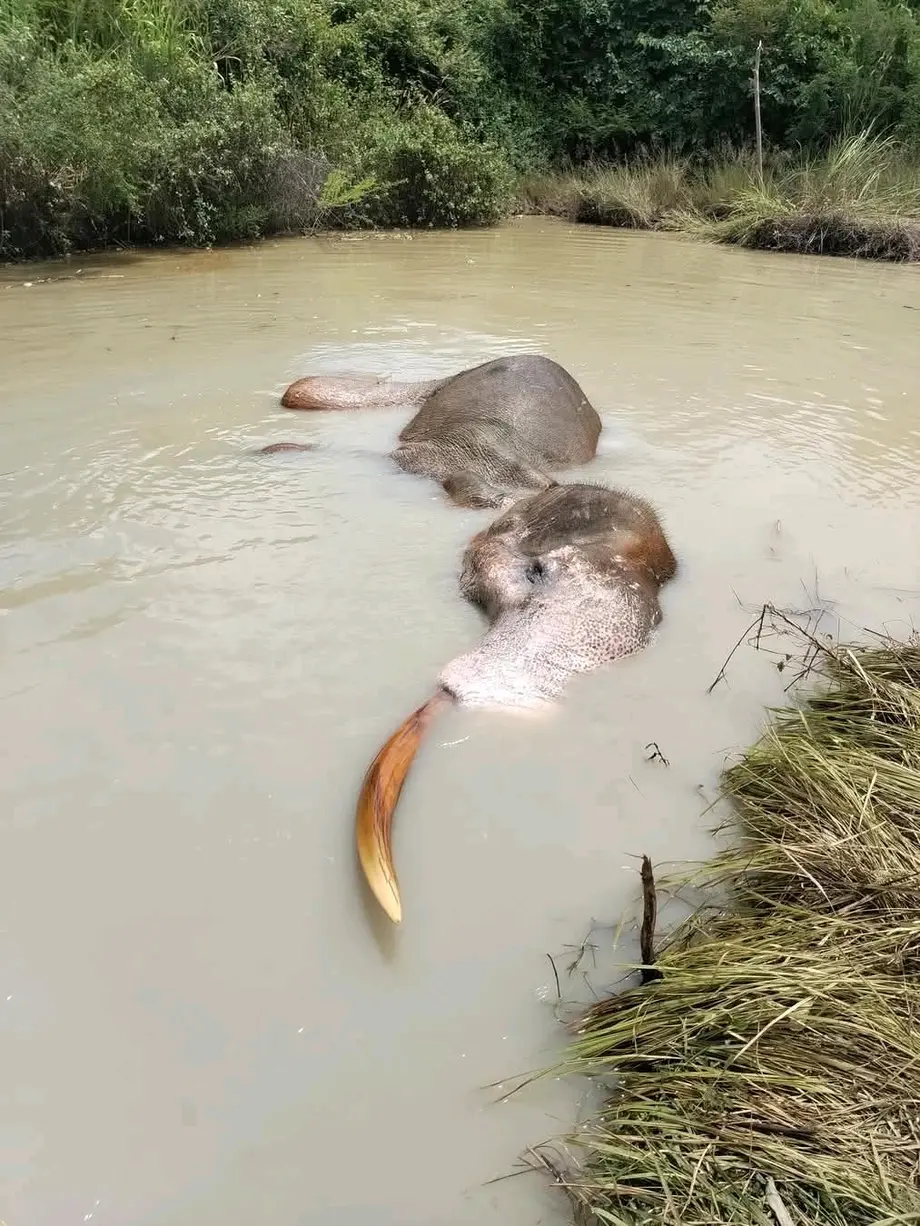
Sri Lanka's Department of Wildlife Conservation recorded 289 wild elephant deaths between January 1 and October 23, 2026, including 42 from gunshot injuries, 34 from electrocution and 34 from explosive devices known as hakka patas. Another 95 deaths, almost one in three, had no identified cause.
Contents
- Nearly a third of recorded deaths have no identified cause
- What the death records show
- Where the losses are concentrated
- A shooting, a protest and a protection operation
- What the military operation involves
- Families bear injuries, lost income and disrupted routines
- More elephants are living alongside people
- Why fence placement matters as much as staffing
- How the current toll compares with earlier years
- Accountability means safer lives on both sides
- Key Points
The Eastern Wildlife Region recorded 60 deaths, followed by Anuradhapura with 57 and Polonnaruwa with 42. Together, those three wildlife regions accounted for 159 deaths, or about 55% of the national total. The Eastern Region also had the highest toll in an earlier count covering January 1 to May 15.
The figures describe a crisis affecting people as well as wildlife. By May 15, the department had recorded 128 elephant deaths and 35 human deaths from elephant attacks. The elephant count subsequently rose by 161 before the October 23 cutoff.
Public anger intensified after the tusker Kawanthissa, shot on October 16, died on October 30. His death came after the statistical cutoff. More than 300 activists rallied in Kandy the following day, demanding an independent investigation and stronger action to protect elephants and communities.
The government's response now includes military support for wildlife officers, searches for illegal firearms and explosive traps, and an operation initially focused on 17 elephants identified as being at risk. Alongside enforcement, the deaths have renewed debate about electric fences, shrinking habitat and whether existing conservation plans are producing safer conditions for rural families.
What the death records show
Gunshots, electrocution and hakka patas together accounted for 110 deaths, about 38% of the reported total. Hakka patas are explosive devices concealed in bait that can detonate when an animal bites them, causing devastating injuries to the mouth and jaw.
The department's other entries included 23 deaths listed as putrefaction, 11 from infected wounds, nine from worm infestation, eight from falls into wells or pits, and seven each from drowning and accidents. Four were attributed to poisoning and three to train accidents.
Two deaths each were entered under natural causes, decomposition and a category labelled English polythene. Three were listed under other causes, while none were recorded under septicaemia, a serious infection involving the bloodstream. Putrefaction and decomposition both describe the breakdown of a body after death; those labels leave the original fatal injury or illness unclear.
The listed cause categories add up to 286, three fewer than the headline total of 289. The regional figures add up to 289. The reason for that accounting gap, and the meaning of the English polythene category, were not explained in the breakdown.
Where the losses are concentrated
Uva recorded 33 elephant deaths, the North Western Wildlife Region 21, the Southern Wildlife Region 19, Vavuniya 18, Central 15 and Trincomalee 14. Puttalam recorded nine and Kilinochchi one.
The concentration in the Eastern Region, Anuradhapura and Polonnaruwa gives authorities a geographical starting point for protection work. The figures cover wildlife administrative regions, so planning must follow those boundaries when matching deaths with patrols, veterinary teams and fence maintenance.
Galgamuwa illustrates the daily pressure behind the national totals. A fence extending 14 kilometres along the Siyambalangamuwa tank, a reservoir in the northwest, protects more than 2,000 families in nearby villages. Keeping that barrier working is a continuing task for wildlife officers and residents, rather than a single construction project.
A shooting, a protest and a protection operation
Kawanthissa's final days drew visitors and Buddhist monks who prayed for the injured tusker. His death brought demands for an investigation into the shooting and scrutiny of whether officials responsible for his protection and treatment had fulfilled their duties.
The sequence shows how the October death count was followed by further injuries, public protests and government action:
- October 16, 2026: Kawanthissa suffered the gunshot injury that later proved fatal.
- October 23: The Department of Wildlife Conservation's count reached 289 elephant deaths.
- October 28: Another prominent tusker, Agbo, was reportedly shot.
- October 30: Kawanthissa died.
- October 31: More than 300 environmentalists and rights activists rallied in Kandy.
- November 1: Opposition leader Sajith Premadasa launched an initiative for a Kawanthissa statue, wildlife research centre and library in Ambanpola.
- November 2: The Defence Ministry says the Hasthi Sena protection operation began in Galgamuwa.
The proposed research centre and library would connect the public response to longer term work on elephant management. Activists supporting the initiative have called for research to inform planning and for farming communities to receive practical information about crop protection and electric fences.
What the military operation involves
Sri Lanka's Ministry of Defence says joint operations in Meekiriyawa and Neeginiyawa in the Kekirawa area led to three arrests, including that of a woman. Officers recovered an illegal cartridge firearm, trap guns, ammunition, lead pellets, deer antlers and knives made from deer antlers. The ministry also reported the detection of explosive traps.
The ministry's Hasthi Sena statement says Defence Secretary Air Vice Marshal Sampath Thuyacontha, who is retired, directed military involvement. An Operations Room at Army Headquarters coordinates the armed services with the Environment Ministry, wildlife authorities and other institutions.
The Army deployed 60 personnel in 10 operational teams under six groups for the initial phase, focused on 17 elephants at risk. Wildlife officers and an Air Force veterinary surgeon participated in the joint field operations.
The ministry says the broader operation is intended to cover about 80% of identified jungles where elephants roam. Its targets include illegal firearms, explosive bait, unauthorised electric fences and snares, using surveillance, intelligence sharing, field searches and legal enforcement.
Families bear injuries, lost income and disrupted routines
Dewagiri Mudiyanselage Thilakaratne Bandara, a wildlife officer near Galgamuwa, knows the danger both through his work and through an attack at home. In December 2025, an elephant entered his backyard to eat mangoes and attacked him. His wife, Rathnayake Mudiyanselage Shirani Rathnayake, was attacked after rushing to help.
Bandara suffered a broken leg and dislocated shoulder. Rathnayake's right leg had to be amputated, and she now uses a wheelchair. Their farming work and household routines changed, while care needs and emotional strain increased.
Bandara described how forest clearing had changed the relationship between the village and nearby elephants:
When we were little, we had to go to a corner of the tank to see elephants. Now, in the nights, the elephants come to see us.
Residents have adjusted school, work and community events around the risk. A nearby school starts at 8am, half an hour after the nationally mandated starting time, to reduce exposure during the early morning. People finish work earlier to return before dark, and weddings and funerals are scheduled with elephant movements in mind.
Neighbours use a WhatsApp group to share sightings and help take injured people to hospital. Fatal encounters continue elsewhere: E.M. Rajeev Saman Bandara, a 42-year-old father of two, was killed by an elephant while grazing cattle in Hingurakgoda.
More elephants are living alongside people
Sri Lanka's latest census estimate puts the wild elephant population at 7,451, an increase of 27% over a decade. An estimated 70% live outside protected areas. Their safety therefore depends heavily on what happens around farms, villages, roads and other land used by people.
Forest cover has fallen from roughly 70% in the 1920s to about 34%, according to World Bank data cited in accounts of the conflict. Farming, settlement and other development have brought people closer to elephant feeding grounds and movement routes.
Ranjan Marasinghe, director general of the Department of Wildlife Conservation, has also identified drought as a source of pressure on food supplies. He explained the connection between weather and crop damage:
During prolonged droughts, elephants are more likely to raid crops as food becomes scarce in their natural habitats.
For farming households, a damaged harvest can mean losing food and the income needed to repay borrowing for seed, fertiliser and equipment. Habitat protection and crop protection meet at this point: both affect how often elephants enter cultivated land and how residents respond.
Why fence placement matters as much as staffing
The Department of Wildlife Conservation has hired around 3,000 staff to maintain electric fences. Devaka Weerakoon, an elephant researcher and coordinator of the National Red List's fauna section, has warned that many fences are poorly located, badly designed or inadequately maintained.
A protective electric fence is intended to discourage an elephant from crossing a boundary. Illegal electrical installations can instead kill animals. The 34 electrocution deaths in the 2026 count make electrical safety a central part of the protection challenge, alongside the practical question of where barriers should stand.
Weerakoon has also questioned proposals to use the Civil Defence Force without suitable training, pointing to earlier difficulties with fence maintenance. His argument is that personnel need guidance suited to the terrain, nearby communities and elephant behaviour. Additional staff must be matched with workable fence locations and regular upkeep.
Sri Lanka already has a National Action Plan for Mitigating Human–Elephant Conflict prepared in 2020 by a presidential task force led by Prithviraj Fernando and Sumith Pilapitiya. The plan recognises that people occupy about 70% of areas inhabited by elephants, making management of shared landscapes a major part of conservation.
How the current toll compares with earlier years
The Department of Wildlife Conservation recorded a record 488 elephant deaths in 2023. Accounts drawing on its records put average annual elephant deaths since 2019 at roughly 370 to 402, with detailed accounts using 402 elephant deaths and 138 human deaths a year.
An analysis of department records counted 245 elephant deaths through July 2025, although the same account's opening gave 238. Comparable January to July totals were 257 in 2022 and 260 in 2023. Using 245, the 2025 figure was 15 below the equivalent 2023 total, about 6% lower.
The 289 deaths recorded through October 23, 2026, cover a different span of months. A useful comparison of changes in the death rate requires matching the same dates across years, particularly because drought and other seasonal pressures influence encounters.
Public concern in 2025 prompted Environment Minister Dammika Patabendi to request a Criminal Investigations Department inquiry into possible organised killings. Elephant researcher and activist Sameera Weerathunga attributed many injuries below the knee to trap guns set for smaller animals such as wild boar and deer. That explanation connects searches for illegal hunting devices with efforts to reduce elephant injuries.
Accountability means safer lives on both sides
The debate following Kawanthissa's death includes demands to investigate his treatment and protection, identify failures of official duty, and publish progress on the 2020 action plan. Proposed measures include fair compensation, better prevention of crop damage and alternative sources of income for affected rural families.
Calls for conservation programmes at district level would bring wildlife officers, local authorities, farmer organisations, researchers and residents into decisions. Villagers contribute knowledge of elephant routes, damaged fences and recurring danger points, while officials bring legal powers, veterinary care and scientific expertise.
The practical measures of success are concrete: fewer human and elephant deaths, less crop damage, protected habitat and faster treatment for injured animals. Those results connect the firearms searches and military patrols with the longer task of making shared landscapes safer.
Key Points
- Sri Lanka recorded 289 wild elephant deaths from January 1 to October 23, 2026; 95 had no identified cause.
- Gunshots killed 42 elephants, while electrocution and explosive bait killed 34 each.
- The Eastern Region, Anuradhapura and Polonnaruwa accounted for 159 deaths, about 55% of the total.
- Kawanthissa died on October 30, after the statistical cutoff, prompting protests and demands for an independent investigation.
- The Defence Ministry says Hasthi Sena initially targets 17 elephants at risk, supported by 60 Army personnel.
- About 70% of the country's estimated 7,451 wild elephants live outside protected areas, making community safety and habitat management central to protection.