Higher Patient Bills Proposed to Ease Pressure on Workers
Japan's Finance Ministry is pushing to make people aged 70 and over pay a standard 30% share of their insured medical bills, expanding a rate that already applies to older people with higher incomes. The proposal would raise payments for many patients who currently contribute 10% or 20%, while seeking to reduce the insurance premiums paid by working generations.
Contents
- Higher Patient Bills Proposed to Ease Pressure on Workers
- What Older Patients Pay Today
- Income Would Become More Important Than Age
- How Current Income Tests Work
- Why Workers Help Pay for Older People's Care
- Outpatient Limits Are Also Under Review
- Coalition Parties Face Choices Before Year End
- Nursing Care and Financial Income Enter the Debate
- Key Points
The latest discussions at the Fiscal System Council, an advisory body to the finance minister, were dated November 4, 2026; another account places the ministry's presentation on November 5. The ministry wants a concrete roadmap for moving toward 30%, with the ability to pay carrying more weight than uniform rules based on age.
The proposal reaches beyond the percentage charged at a clinic or hospital. The ministry also wants to abolish a special limit on outpatient payments for people aged 70 and over and expand the group paying 20% of the cost of nursing care services. These changes would affect both individual visits and the accumulated expense of receiving regular care.
No final income thresholds, implementation date or estimate of the reduction in workers' premiums has been announced. The Liberal Democratic Party and its coalition partner, the Japan Innovation Party, are expected to reach a conclusion on revising patient payments by the end of 2026.
What Older Patients Pay Today
Japan's patient contribution, often called a copayment, is the percentage of an insured medical bill that a person pays directly. The standard rate is 30% for most people below 70, 20% for those aged 70 to 74, and 10% from age 75. Income rules already move some older patients into higher payment categories.
The Tokyo association administering medical insurance for older residents explains the current arrangements in its 2026 system overview. Members pay 10%, 20% or 30%, depending on income and household circumstances. Households exempt from resident tax pay 10% under the current rules.
The separate medical insurance system for older adults generally covers people from age 75. People aged 65 and over with designated disabilities can also qualify. This means the proposal covers patients in different insurance arrangements: those aged 70 to 74 and those enrolled in the system for older adults.
For an insured bill of 10,000 yen, a 10% contribution is 1,000 yen, a 20% contribution is 2,000 yen, and a 30% contribution is 3,000 yen. Moving from 10% to 30% would triple that initial payment. Moving from 20% to 30% would raise it by half. Spending limits can reduce the final amount paid by patients with large medical expenses.
Income Would Become More Important Than Age
The Finance Ministry's approach would broaden the use of 30% payments among older people judged able to afford them. Council members supported reconsidering uniform age categories so that people with sufficient financial resources contribute more toward their treatment.
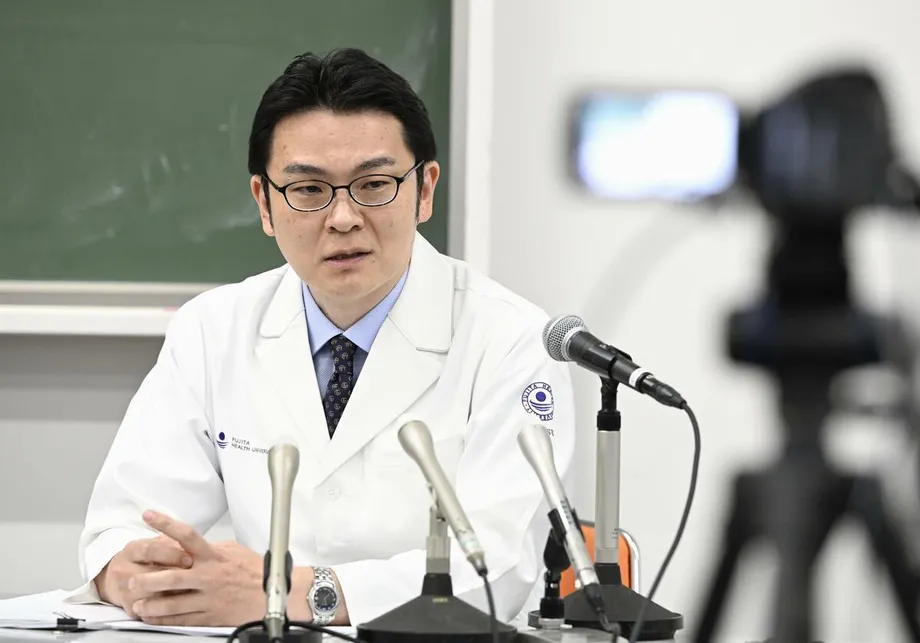
Hiroya Masuda, deputy chair of the council's Fiscal System Subcommittee, explained the purpose after the November 4 meeting. He linked higher patient contributions to keeping the system financially viable and sharing costs more fairly between generations:
It is necessary to improve the sustainability of the medical care system for older people and ensure fairness in the burden shared with working generations.
Masuda also said that protecting access to treatment for people with low incomes was a prerequisite. He described widening the group paying 30% as a major objective for the year:
Expanding the scope of the 30% contribution is a major goal for this year.
The ministry has also urged adoption of the standard 30% rate as soon as possible. Turning that goal into rules requires decisions about which households qualify, how income is measured and what protection remains for patients who need frequent treatment.
How Current Income Tests Work
The Tokyo association's guide shows why a change to the headline percentage would require detailed household rules. Under its published criteria, the 30% category generally applies when an insured member in the household has annual income taxable for resident tax of at least 1.45 million yen, subject to the applicable income assessment rules.
The 20% category uses two tests. An insured household member must have taxable income of at least 280,000 yen but less than 1.45 million yen. Pension earnings plus other total income must also reach 2 million yen for a household with one insured member, or 3.2 million yen for a household with two or more insured members.
People outside those higher payment categories generally pay 10%. Taxable income means the amount used for the resident tax calculation after applicable deductions; it can differ from the total amount a person receives. The guide also uses pension earnings and other income in its additional tests, so those figures serve different purposes.
The association determines payment rates each August 1. Its assessment from August 1, 2026 uses income taxable for resident tax in fiscal 2026. A person's rate therefore follows an annual assessment using defined tax information, rather than changing with every fluctuation in monthly income.
Why Workers Help Pay for Older People's Care
The Finance Ministry's stated aim is to reduce the insurance burden on working generations. The Tokyo association's financing figures show why their payments are central to the debate: after patients have paid their share, about 40% of the remaining medical expenses are funded by support payments from insurance systems covering working people.
Public funds provide about 50%, through the national government, the Tokyo metropolitan government and municipal governments. Premiums paid by members of the older people's system provide about 10%. On that basis, support from working generations is roughly four times the amount supplied by enrolled members' premiums.
The association says medical expenses are increasing as membership grows. Rising costs put pressure on both the premiums paid by older members and the support payments collected from other insurance systems. The ministry wants higher direct contributions from patients who can afford them to relieve some of that pressure.
Workers' eventual savings also depend on how the remaining bill is divided between taxes and insurance contributions. That financing question was central to the earlier copayment debate, which examined a Health Ministry briefing dated November 13, 2025. The ministry identified a risk that expanding an existing higher income category could increase the burden on working people's insurance schemes.
Under the arrangement described in that briefing, benefits for older patients classified as having income comparable to current workers receive no public funding. Bringing more people into that category would leave insurance schemes covering working people financing a larger share of the remaining cost. Patient payment rules and public funding rules therefore both matter to the promised premium relief.
Outpatient Limits Are Also Under Review
The Finance Ministry also proposes abolishing the special outpatient payment limit for people aged 70 and over. Outpatient care means treatment without an overnight hospital stay, including clinic consultations and hospital appointments.
A percentage rate and a spending limit affect bills in different ways. The rate determines the patient's share of each insured expense. A limit restricts how much the patient ultimately pays over the relevant period. Someone receiving treatment repeatedly may reach a limit even when each individual visit costs relatively little.
Removing the special outpatient limit would change protection against accumulated bills, alongside any increase in the percentage charged. Patients managing conditions that require regular appointments would therefore need to consider both parts of the proposal when assessing their future expenses.
Masuda's commitment to preserving access for people with low incomes is particularly relevant here. The design of income protections and spending limits will determine how much of the additional cost falls on patients who need continuing care.
Coalition Parties Face Choices Before Year End
The Liberal Democratic Party and the Japan Innovation Party support reviewing social security costs to ease pressure on working generations. Their positions on older patients' contributions remain different. The Japan Innovation Party supports a standard 30% rate, while caution persists within the Liberal Democratic Party about raising bills for older households.
Within the Ministry of Health, Labour and Welfare, ideas include introducing intermediate rates of 15% and 25%. Such rates would create more steps between the existing 10%, 20% and 30% categories, allowing a more gradual increase as assessed ability to pay rises.
The Finance Ministry continues to press for 30% as the standard direction, together with protection for necessary treatment among people with low incomes. The political choice is therefore about both the destination and how quickly different households would move toward it.
The debate has developed across several dates:
- October 21, 2025: The Liberal Democratic Party and the Japan Innovation Party began formal discussions on social security reform, including older patients' medical payments.
- November 13, 2025: A Health Ministry briefing identified how expanding the existing higher income category could shift financing toward working people's insurance schemes.
- August 1, 2026: The Tokyo association's annual patient payment assessment took effect using fiscal 2026 resident tax information.
- November 2026: The Finance Ministry pressed for wider 30% contributions and a concrete roadmap at the Fiscal System Council.
- By the end of 2026: The coalition parties are expected to conclude their review of patient payment arrangements.
Nursing Care and Financial Income Enter the Debate
The ministry's proposals also extend to nursing care services. It wants to expand the group of users paying a 20% share of service costs, as part of efforts to restrain increases in public spending on care.
A review of the official fees paid to nursing care providers is another issue expected before the end of the year. Those fees determine what providers receive for covered services. Raising users' contributions changes who pays that cost, while changing official fees affects the revenue providers receive.
The Finance Ministry also wants consideration of financial income, including dividends from listed shares, when judging what users can afford. Its argument is that contributions should reflect financial capacity more accurately. This would require policymakers to decide how investment income enters the assessment alongside other income.
For households using both medical treatment and nursing care, the combined effect matters. Higher contributions for appointments and care services could arrive through different sets of rules. The central decisions are who pays more, what protection remains for people with limited means and how the money collected changes the burden on other contributors.
Key Points
- Japan's Finance Ministry proposes moving toward a standard 30% medical contribution for people aged 70 and over with sufficient ability to pay.
- Current standard rates are 20% at ages 70 to 74 and 10% from age 75, with higher rates already applying according to income.
- The ministry also wants to abolish a special outpatient payment limit for people aged 70 and over.
- Working generations fund about 40% of medical expenses remaining after patient payments in the Tokyo older people's system; public funds cover about 50% and members' premiums about 10%.
- The effect on workers' premiums depends on public funding rules as well as higher patient contributions.
- Coalition parties are expected to reach a conclusion by the end of 2026, with access to necessary care for people with low incomes a stated condition.