At 16, nearly one in six girls had depressive symptoms
A study tracking 3,171 adolescents in Tokyo found depressive symptoms in 15.9% of girls at age 16, compared with 8.2% of boys. Loneliness and a desire to be thinner at age 14 accounted for an estimated 34.7% of that gap in the researchers' statistical analysis.
Contents
- At 16, nearly one in six girls had depressive symptoms
- What the Tokyo teenagers reported
- Young people helped decide the research question
- How two experiences accounted for part of the gap
- Why social media enters the picture
- A study in Ehime adds evidence about body image
- National figures show why the issue is urgent
- How the evidence developed
- What researchers want adults to change
- Key Points
The difference was also substantial for suicidal thoughts: 29.8% of girls and 18.1% of boys reported them at 16. The pathways involving loneliness and a desire for thinness accounted for an estimated 46.3% of this difference, bringing attention to pressures that schools, families and communities may be able to change.
The international team included researchers from Japan's National Center of Neurology and Psychiatry (NCNP), the Tokyo Metropolitan Institute of Medical Science, the University of Tokyo and King's College London. Their findings were published in Nature Human Behaviour on September 15, 2026, according to the University of Tokyo's research announcement.
Young people helped choose what the researchers should investigate. In workshops, they described fears of exclusion, the strain of constantly fitting in, comparisons of body shape on smartphones and pressure on girls to be thin. The study then examined loneliness and the desire for thinness using data collected at ages 12, 14 and 16.
The findings put specific numbers behind those experiences. They also shift attention toward the relationships and appearance pressures surrounding teenagers, alongside their individual mental health needs. Boys experienced substantial distress too, with about one in 12 reporting depressive symptoms and nearly one in five reporting suicidal thoughts.
What the Tokyo teenagers reported
The Tokyo Teen Cohort analysis covered 1,487 girls and 1,684 boys born between 2002 and 2004. Following the same participants over time allowed researchers to examine whether experiences at 14 were associated with mental health at 16, while accounting for earlier circumstances.
Girls reported both loneliness and a desire to be thinner more frequently than boys at 14. Loneliness affected 13.2% of girls and 6.0% of boys. A desire for thinness was reported by 41.4% of girls and 11.1% of boys.
Put simply, about four in 10 girls wanted to be thinner, compared with about one in nine boys. The difference was 30.3 percentage points. Girls were also more than twice as likely to report loneliness.
By 16, the difference in depressive symptoms was 7.7 percentage points, while the difference in suicidal thoughts was 11.7 percentage points. Depressive symptoms were almost twice as common among girls. These figures describe questionnaire responses about symptoms and thoughts; clinical assessment is the process used to determine an individual's diagnosis and support needs.
Young people helped decide the research question
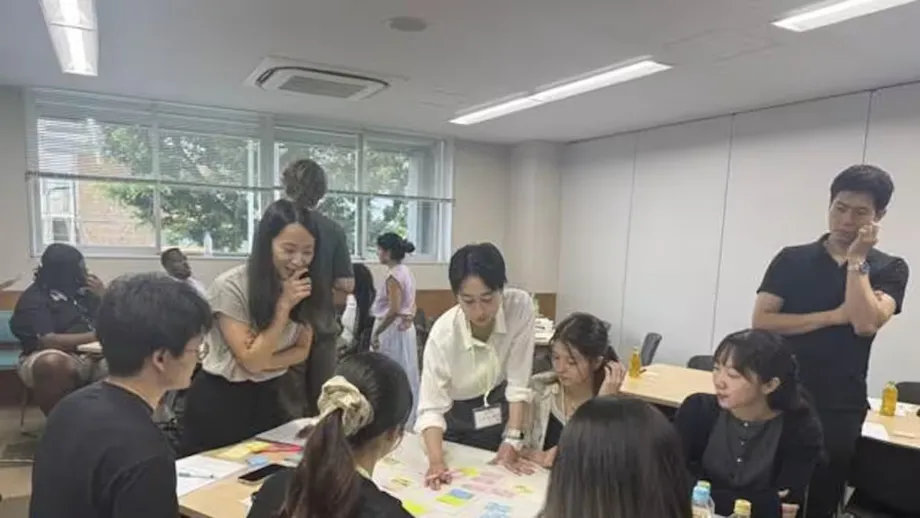
Researchers held discussions with young people between 2022 and 2025 to understand what lay behind their distress. Workshops involving about 20 young people from Japan and Britain helped identify experiences that adults might otherwise overlook.
Participants described being afraid of exclusion from a group, having few friends with whom they could speak honestly and feeling exhausted by the need to adapt to others. Appearance related teasing and comparisons of body shape online also featured in their discussions.
Loneliness and the desire for thinness became the focus because young people considered them important and the cohort data contained measures that researchers could examine. The process connected personal accounts with a statistical investigation rather than leaving the choice of research questions entirely to adults.
Zui Narita, an NCNP researcher who led the study, said that involving young people helped the team focus on what participants themselves considered important. Their accounts also suggested that appearance and belonging can be closely connected: pressure about body shape may sit alongside anxiety about acceptance by friends.
How two experiences accounted for part of the gap
The researchers used a method called causal mediation analysis, applying a statistical approach known as the parametric mediational g-formula. In everyday language, the method estimates how much of a difference between groups may run through particular intermediate experiences, here loneliness and the desire for thinness.
The analysis considered circumstances measured at 12, the two experiences at 14 and mental health outcomes at 16. Adjustments included body size, physical activity, relationships with parents and friends, bullying, internet use, pubertal development and earlier mental health measures. These factors matter because they may influence both a teenager's experiences and later distress.
The estimated contributions of loneliness and the desire for thinness varied across outcomes:
- Depressive symptoms: 34.7% of the difference between girls and boys.
- Current suicidal thoughts: 46.3% of the difference.
- Self harm: 26.7% of the difference.
- Emotional symptoms: 23.5% of the difference.
- Anxiety: 7.7% of the difference.
Those percentages refer to the gap between girls and boys. For example, the 34.7% estimate concerns the difference in depressive symptoms between the groups. The researchers also ran 19 sensitivity analyses, checks that change assumptions or analytical choices, and found results broadly consistent with the main analysis.
The estimates come from an observational study and depend on assumptions about how the measured factors relate to one another. The team identified testing in other regions and populations as a next step, because the cohort mainly represents urban Tokyo.
Why social media enters the picture
Young participants described comparing bodies through smartphones and facing expectations that women should be thin. Their accounts identify concrete ways that online activity can bring appearance pressure into everyday friendships.
Hirofumi Utsumi, representative director of Sukuto, a nonprofit organisation in Omura, Nagasaki Prefecture, connected those experiences to his work providing alternative schooling and places where children can spend time and feel accepted. He described friendship groups in which checking and quickly responding to social media posts becomes a way of confirming membership.
Utsumi said approval attached to appearance can turn a demanding standard into something girls feel they must meet simply to stay included. In his account, wanting to be thin can express an urgent wish to fit in, alongside fear of rejection.
The Tokyo analysis placed internet use among the factors considered in its statistical adjustments. Its central measurements followed loneliness and the desire for thinness at 14 through to mental health at 16. Questions about particular platforms, content and patterns of interaction require research designed around those details.
A study in Ehime adds evidence about body image
Research conducted in September 2020 in Toon, Ehime Prefecture, examined social media and body dissatisfaction among 161 girls aged 12 to 15 at the city's two public junior high schools. Its focus was how girls felt about their bodies.
The body image study, titled Effects of social media on body dissatisfaction in junior high school girls in Japan, classified 44 participants as having body dissatisfaction and 117 as being below the questionnaire threshold. Body dissatisfaction means having negative thoughts or feelings about one's size, shape or weight.
Girls with body dissatisfaction used social media more frequently and more often followed accounts focused on thinness. Following those accounts was associated with an adjusted odds ratio of 3.82 for body dissatisfaction. An odds ratio compares the odds of an outcome between groups; it differs from a direct comparison of the percentage affected.
The estimate had a wide 95% confidence interval, from 1.05 to 13.89, indicating considerable uncertainty about the size of the association. Researchers collected the measures at one point in time and called for studies that follow participants over time to clarify the relationship.
The Ehime findings add a specific detail to the discussion: the content girls follow may matter alongside how frequently they use social media. The Tokyo cohort contributes a different perspective by tracking experiences and later mental health across adolescence.
National figures show why the issue is urgent
NCNP's 2025 research statement, drawing on Ministry of Health, Labour and Welfare statistics, recorded 430 suicide deaths among girls under 20 in 2024 and 370 among boys. It said girls exceeded boys for the first time in that age group.
Ten years earlier, the corresponding figures were 165 girls and 373 boys. The number among girls therefore rose by 265, or about 161%, while the number among boys was almost unchanged. Girls accounted for about 54% of the combined total in 2024, compared with about 31% a decade earlier.
A narrower count covering elementary, junior high and high school students recorded 290 girls and 239 boys in 2024, also the first reversal in that category. Girls again outnumbered boys in 2025. The student figures cover school enrolment, while the larger figures cover everyone under 20.
The NCNP statement accompanied a different paper, The Silent Crisis in Girls' Mental Health, published in Nature Human Behaviour on September 30, 2025. It identified several possible contributors, including pressure to meet traditional expectations of women while also achieving social success, harmful internet use, sexual exploitation online and in person, excessive desire for thinness and earlier puberty.
How the evidence developed
The research brings together several periods: the years when the Tokyo participants grew up, later discussions with young people and the publication of two academic papers. Keeping those dates separate helps explain how the investigation developed.
- 2002 to 2004: The Tokyo participants were born.
- Ages 12, 14 and 16: Participants completed the questionnaires used in the cohort analysis.
- September 2020: Researchers conducted the body image survey in Toon, Ehime Prefecture.
- 2022 to 2025: Discussions with young people helped identify loneliness and the desire for thinness as research priorities.
- September 30, 2025: The Silent Crisis in Girls' Mental Health was published online.
- September 15, 2026: The Tokyo cohort paper on loneliness, thinness and differences in adolescent mental health was published online.
- September 17, 2026: The University of Tokyo issued its research announcement.
The Tokyo percentages describe experiences when those participants were adolescents. The national death statistics and later consultations provide more recent context for why the findings matter to current debates about support for young people.
What researchers want adults to change
Narita called for action on the environments that create appearance pressure and loneliness. His proposed responses included education and media measures to reduce harmful expectations about appearance, alongside stronger connections in schools and communities.
Narita, the NCNP researcher leading the study, described the desire for thinness as something adults can help reduce. In translated remarks, he said:
The desire for thinness comes from an environment created by adults, and it can be reduced. Educational and media measures to reduce harmful pressure about appearance, and efforts to build connections in schools and communities, are needed.
The university announcement also called for young people to participate in developing education, media and policy responses. Their workshop accounts point to practical priorities: reducing appearance related teasing, making friendships safer and creating opportunities to speak honestly without fear of exclusion.
Utsumi focused on adults becoming easier to approach. He urged them to build trust by listening to children until they have finished speaking and giving them more opportunities to feel accepted in everyday life. His proposed response addresses the need for belonging that he sees behind the pursuit of online approval.
The research announcement set no implementation timetable for a specific programme. Its next research priority is to test the findings beyond urban Tokyo, while proposed support centres on two concrete goals: less pressure over appearance and stronger connections with other people.
Key Points
- Among 3,171 Tokyo adolescents, 15.9% of girls and 8.2% of boys reported depressive symptoms at 16.
- Suicidal thoughts were reported by 29.8% of girls and 18.1% of boys.
- Loneliness and a desire for thinness at 14 accounted for an estimated 34.7% of the gap in depressive symptoms and 46.3% of the gap in suicidal thoughts.
- At 14, 41.4% of girls wanted to be thinner, compared with 11.1% of boys.
- Young people helped select the research priorities through discussions about exclusion, friendships and appearance pressure.
- Researchers called for stronger social connections, reduced appearance pressure and further testing in other populations.