A public appeal after years of unwanted attention
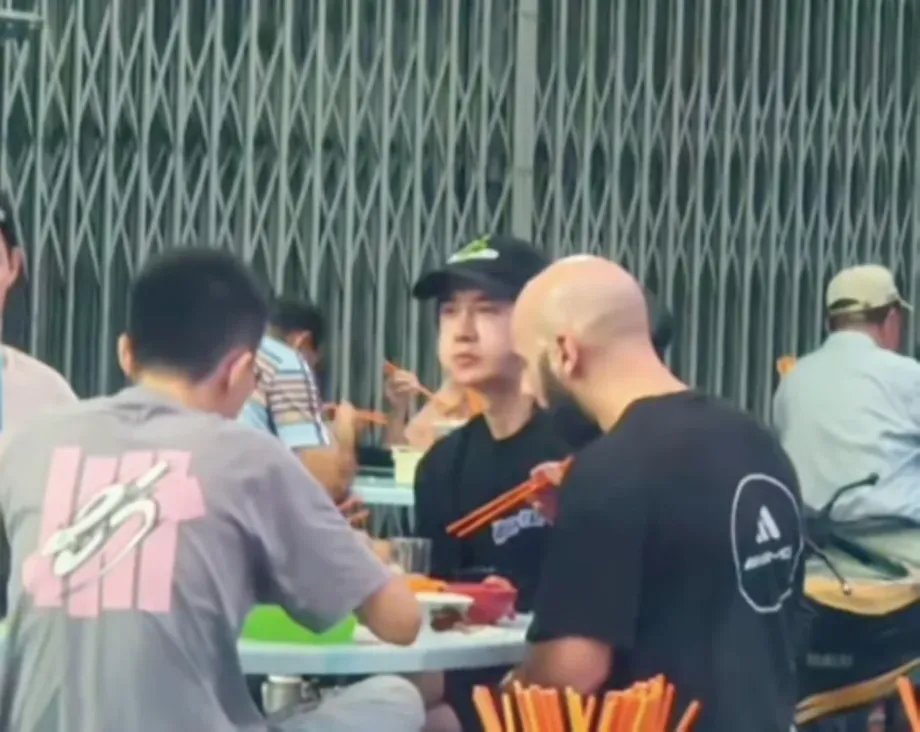
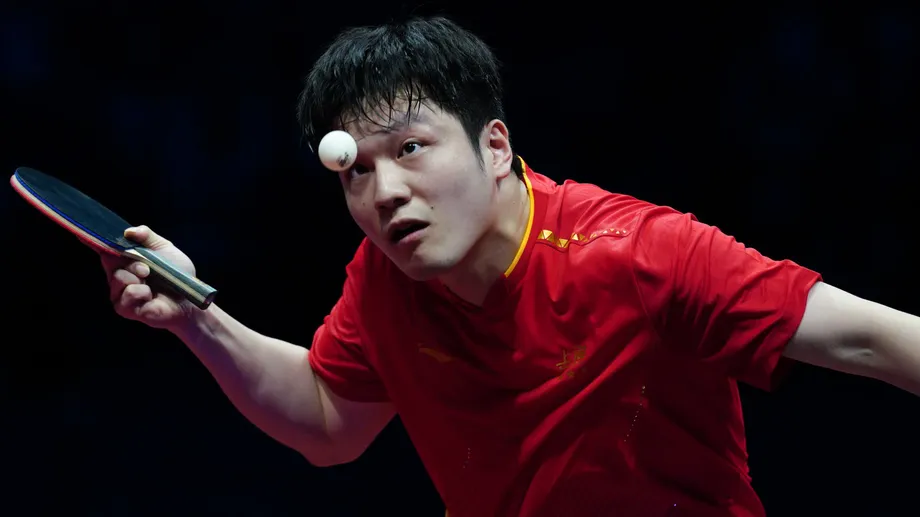
Chinese table tennis star Fan Zhendong spoke out against covert filming on October 21, 2026, drawing a direct line between supporting an athlete and intruding into his private life. His message addressed people who record him while calling out to him, then present the encounter as an expression of affection.
Contents
- A public appeal after years of unwanted attention
- A greeting is different from a camera encounter
- Affection and delayed posting do not answer his objection
- The warnings began well before this post
- The hotel intrusion crossed a physical boundary
- How a leaked identity number reached his family
- Other athletes and coaches face similar pressure
- Sports bodies move toward restrictions
- Privacy protection extends beyond the sporting arena
- Key Points
Fan said neither the identity of the person filming nor their intentions changed the disrespect involved. Publishing footage later, rather than immediately, was also part of the problem he described. His objection concerned the act of recording and circulating private moments, not simply when an audience gets to see them.
The Olympic champion's statement follows a series of complaints stretching back to 2021. They include a hotel room intrusion disclosed in April 2023 and the circulation of his identity number in March 2024, which he said allowed people to find telephone numbers used by his family and subject them to harassment.
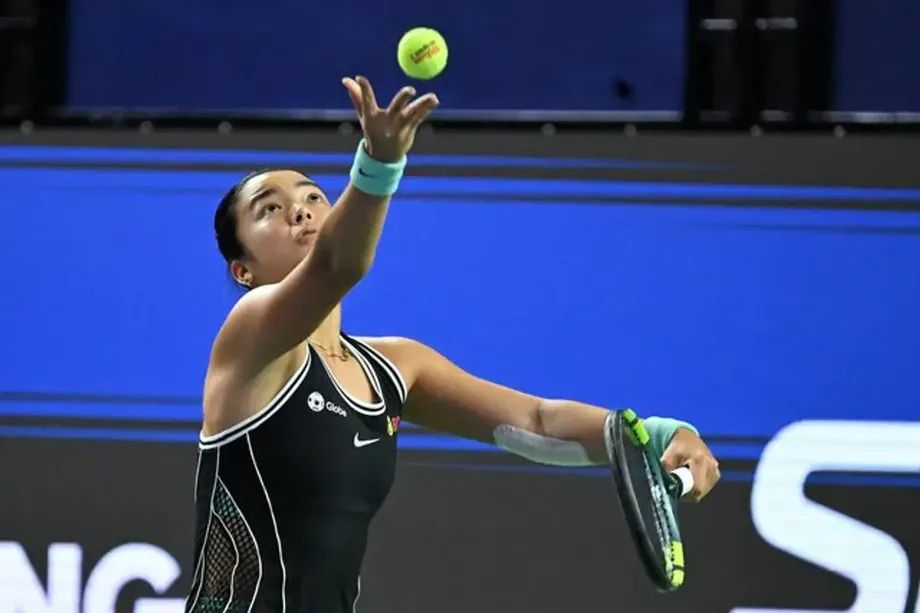
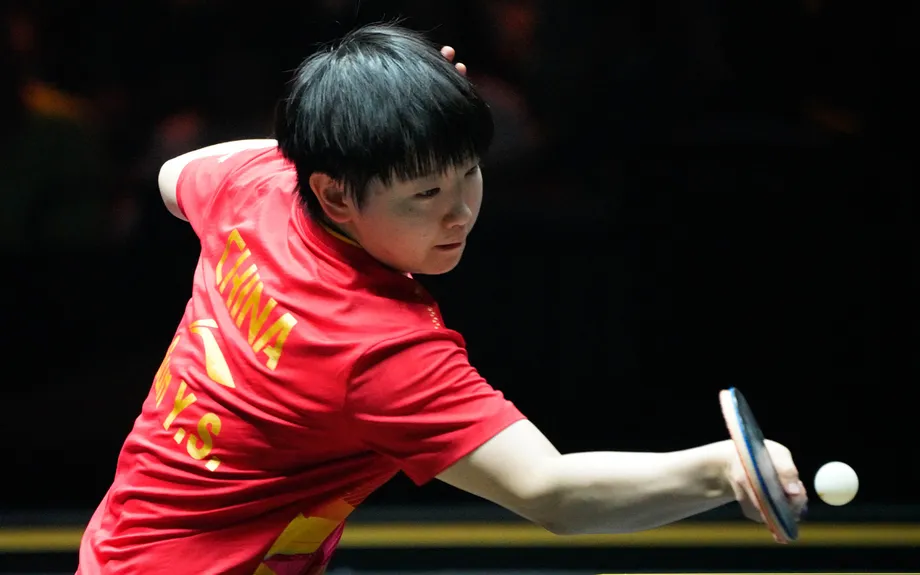
Fan's latest appeal also came a day after fellow table tennis player Sun Yingsha said she would not organise, participate in or encourage any birthday support activities. Together, their statements put attention on a practical problem for prominent athletes: how to welcome sporting support while retaining control over their time, personal information and everyday encounters.
A greeting is different from a camera encounter
Fan, explaining his position in the October 21 social media post, said he was willing to respond to ordinary, friendly approaches:
Rational fans and friendly passers-by do not greet me with their phones raised and cameras recording. Far from resisting their approaches, I have always been happy to respond to them.
People who film while calling out to him create a different situation, he said. He finds it difficult to tell whether they genuinely admire and support him or operate social media accounts seeking to profit from online attention. A conversation that appears personal can also become content for a much larger audience.
Fan's statement addresses that uncertainty directly. He may be approached as a person while simultaneously being recorded as material for publication. His willingness to answer a greeting and his willingness to appear in someone's video are separate choices.
He also rejected the idea that strong personal boundaries amount to coldness. His account describes room for friendly interaction, provided the encounter does not begin with a phone raised and a camera recording.
Affection and delayed posting do not answer his objection
Fan began his post with a classical Chinese appeal to reciprocity: people should avoid doing to others what they would not want done to themselves. He asked readers to consider whether they would welcome being secretly filmed.
His reference to delayed publication addressed a specific defence of intrusive recording. Someone may keep footage private for a time before uploading or sharing it, yet Fan said that delay does not change the invasion he experiences. The personal moment has still been captured and turned into something others can circulate.
Fan also challenged the justification that recording is done out of love. His message put the effect on the person being filmed ahead of the explanation offered by the person holding the camera.
Supportive online comments echoed his demand for distance outside competition. Some criticised the practice of holding phones close to athletes and argued that admiration should focus on sporting performances rather than access to private routines.
The warnings began well before this post
Fan has repeatedly asked supporters to avoid tracking his movements and importing aggressive celebrity fan practices into sport. The chronology shows how those appeals developed from objections to following and filming into complaints involving physical access and personal data.
- October 17, 2021: Fan opposed obtaining private itinerary information through special means, following him on flights and arranging photography of his personal movements.
- During 2022: He urged supporters to respect coaches and teammates, avoid fan disputes and reject behaviour that turns sporting support into hostile camps. On November 15, he again described his discomfort with being pursued and secretly filmed.
- April 6, 2023: A statement disclosed that a woman had followed him, obtained access to his hotel room and entered while he was away. He reported the matter to police.
- March 25, 2024: Fan said his identity number had been maliciously circulated online and used to locate telephone numbers registered in his name.
- October 20 and 21, 2026: Sun rejected organised birthday support activities, followed by Fan's renewed objection to covert filming.
The repeated appeals concern different forms of unwanted access. Private travel details can help someone locate an athlete; a hotel key allows entry into a room; an identity number can expose contact information. Each episode brought the intrusion closer to Fan's daily life.
The hotel intrusion crossed a physical boundary
Fan's April 2023 statement described a woman following him for several days while he was preparing for a World Table Tennis tournament in Xinxiang, Henan province. According to the statement, she identified his hotel room and obtained a room card through the reception desk.
The statement said she entered his room multiple times while he was out that morning, with cleaning staff and surveillance footage providing evidence. Fan reported the intrusion to police and said the incident had caused him serious distress.
He then stopped all forms of personal contact, including accepting letters, to protect his safety. The consequence extended beyond the person accused of entering the room: an activity that might otherwise have been a welcome exchange with supporters became something he felt unable to continue.
The hotel episode also placed responsibility beyond the conduct of a fan. Fan's account described access being obtained through reception, making the handling of room information and keys part of the safety problem.
How a leaked identity number reached his family
Fan's March 25, 2024 complaint concerned personal information rather than physical pursuit. He said people had circulated his identity number online and used it to find telephone numbers registered under his name.
Several of those numbers were used by family members, he explained. Harassing calls and insults therefore reached relatives as well as exposing his own information. Fan said the experience caused his family considerable psychological harm.
An identity number is a sensitive identifier used to connect a person with official records and services. In the incident Fan described, access to that number became a route to further personal information. The intrusion spread from an online disclosure to direct contact with people around him.
Fan, warning those responsible in his March 2024 post, said he would take continued violations to police:
If they continue to cross the red line, I will gather evidence and report it to police when I get home.
He also said that the internet was subject to the law and that fan culture offered no protection from legal responsibility. His response combined a public demand to stop with a stated intention to preserve evidence.
Other athletes and coaches face similar pressure
Sun Yingsha's October 20 statement addressed organised birthday support rather than filming. Her refusal to organise, attend or encourage those activities set a limit on what supporters should undertake in her name.
Wang Chuqin has also urged supporters to resist behaviour resembling that of paparazzi after someone closely followed and filmed him at an airport in an October incident. Airports feature repeatedly in complaints about pursuit because athletes moving between competitions can become targets for recording and attempts at contact.
Coaches have faced pressure over sporting decisions as well. At the World Table Tennis China Smash, a group confronted national team coach Wang Hao in a venue corridor, demanded answers about player selection and insulted him. Wang called police for assistance.
Police subsequently announced administrative detention for three people, including a person aged 16, over serious defamation and insults, and reprimanded 17 others for less serious misconduct. Administrative detention is a police punishment for a public order violation, distinct from a prison sentence imposed after a criminal conviction.
The incidents show several ways sporting attention can turn intrusive: recording an athlete during travel, arranging activities an athlete does not want, or confronting a coach over who plays. The immediate effects fall on different people, but all involve supporters claiming access beyond watching a match.
Sports bodies move toward restrictions
The Chinese Table Tennis Association has announced plans for a stadium entry ban list aimed at people responsible for extreme fan behaviour. Its response followed the confrontation involving Wang Hao and broader concerns about insults, rumours, harassment and personal attacks against athletes and coaches.
The association also said it would work with relevant authorities to address misconduct under laws and regulations. A stadium ban would restrict access to competition venues, while police and online authorities have responsibilities covering conduct beyond the arena. The announced plan did not specify an implementation date or detailed criteria for entry bans.
Concern within Chinese sport predates the latest incidents. In September 2021, the Chinese Olympic Committee called for stopping the spread of disruptive fan culture into sport and urged athletes not to organise or participate in fan communities or initiate related discussions.
During a national team training camp in February 2024, Liu Guoliang, then identified as chairman of the Chinese Table Tennis Association, warned players about harmful idolisation and called for joint resistance to it.
Yang Yang, China's first Winter Olympic champion and a member of both the International Olympic Committee and the Chinese People's Political Consultative Conference, also urged stronger regulation of online platforms and action against cyberbullying during the 2024 national political meetings. She linked excessive scrutiny and pressure to athletes' mental health and their ability to concentrate on training and competition.
Privacy protection extends beyond the sporting arena
China's Civil Code recognises a person's right to privacy and protects the peace of private life, private spaces and private information against intrusion. The Public Security Administration Punishments Law also provides for penalties for conduct involving spying on or secretly filming another person's privacy. The circumstances of an incident determine how those protections apply.
Fan's complaints bring together several practical concerns covered by privacy protection: access to a hotel room, exposure of identifying information, unwanted telephone contact and recording of personal activities. Competition makes an athlete visible to the public, while these incidents concern control over life away from the table.
The organised fan culture often called fan quan originated in entertainment. Groups may pool time, money and skills to promote a favourite figure. In sport, hostile versions of that behaviour have included coordinated online attacks, rivalry between groups supporting different athletes and pressure directed at coaches.
Fan's October 21 message returns the discussion to a straightforward personal request. He welcomes friendly greetings, but wants people to stop making private encounters into recorded content. He closed with an appeal to mutual respect:
Those who respect others will always be respected in return.
Key Points
- Fan Zhendong opposed covert filming on October 21, 2026, including footage published or circulated later.
- He said he welcomes friendly greetings but struggles to distinguish genuine supporters from people recording for online traffic.
- His earlier complaints included a hotel room intrusion disclosed in April 2023 and exposure of his identity number in March 2024.
- Sun Yingsha rejected organised birthday support activities the day before Fan's latest statement.
- The Chinese Table Tennis Association has announced plans for stadium entry bans following extreme fan misconduct.
- Privacy concerns extend beyond venues to hotels, travel, personal information and contact with athletes' families.