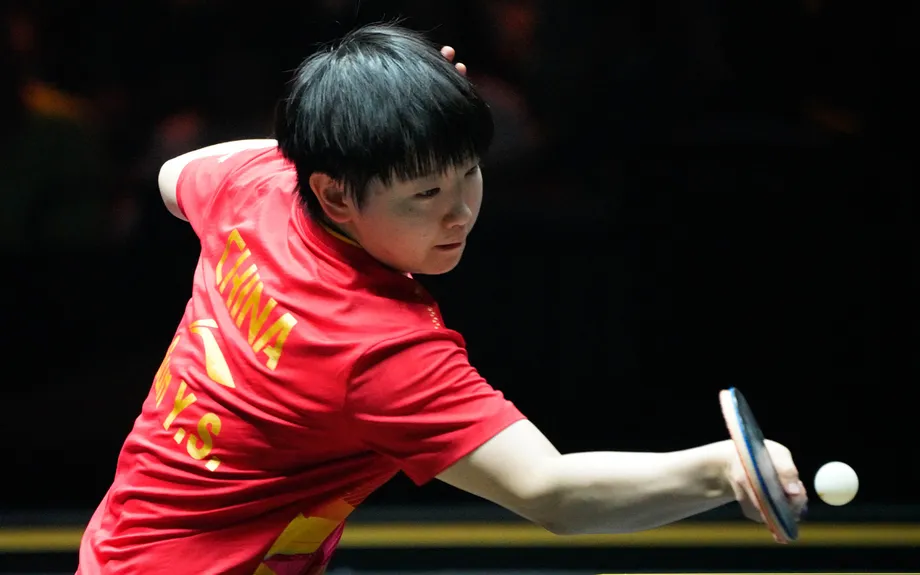
A birthday request with five clear limits
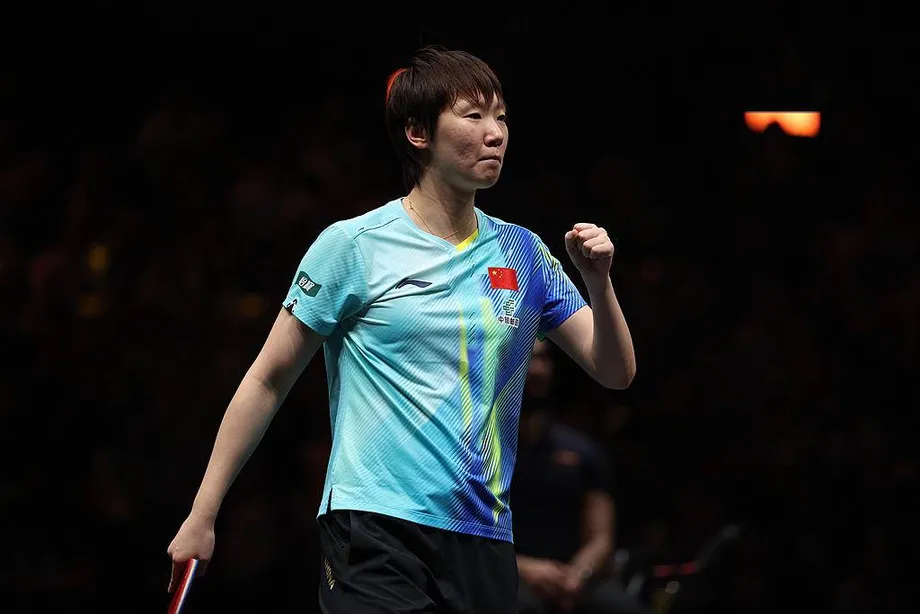
Sun Yingsha has asked supporters not to organise or promote birthday celebrations in her name, setting a firm boundary before she turns 26 on November 4, 2026. Her October 19 statement followed an early exit from the WTT China Smash in Beijing, where she said she had competed after suffering a fever the previous night.
Contents
- A birthday request with five clear limits
- What Sun asked supporters to stop
- A defeat after a night of fever
- A close finish and a narrow rankings contest
- A torch relay alongside a young player
- Fans respond, and Hebei Television joins in
- Why sports authorities are addressing fan behaviour
- The dates and the wider stakes
- Key Points
The Chinese table tennis star's message covered five points: she would not organise, participate in, authorise or encourage birthday support activities, and she asked others not to organise or publicise them using her name. She thanked fans for their encouragement while making training and match performance her priorities.
Sun explained her position in a post on her personal Weibo account:
I would rather put my energy into training, play every match well, and repay everyone's support through my performances on court.
Birthday support campaigns can involve much more than greetings. Supporters may collect money, buy advertising space on large public screens or coordinate promotional activities around an athlete. Sun's request addressed that organised activity directly, including events that might suggest she had approved them.
Her appeal drew supportive responses, including from broadcaster Hebei Television in her home province, alongside criticism from some fans who considered it too restrictive. The debate comes as China's sports authorities seek to curb disruptive fan behaviour while expanding participation in sport.
For Sun, the immediate message was personal and practical: she wanted to spend her energy preparing to compete. For supporters planning celebrations, it meant reconsidering activities they had intended as expressions of affection.
What Sun asked supporters to stop
Sun began her statement by acknowledging the birthday wishes she receives every year and thanking people for their continued support. She then explained what she would decline, rather than leaving organisers to interpret a general request for restraint.
Sun, a leading member of China's national table tennis team, wrote:
Therefore, I will not organise, participate in, authorise or encourage any birthday support activities. Please do not organise or promote related support activities in my name.
The reference to authorisation matters for anyone arranging an event around a famous athlete. Organisers can attract attention by associating an activity with that person's name, even when the athlete is absent. Sun expressly withheld that permission.
Her closing words also offered a place for the relationship with supporters to continue: at competition. She asked people to live their own lives well and said she would see them at the venue. Her statement gave no exceptions for particular birthday campaigns.
A defeat after a night of fever
Sun's appeal came 12 days after her October 7 defeat at Beijing's Shougang Park. Thailand's Orawan Paranang, ranked 101st at the time, beat her in the second round of the WTT China Smash women's singles competition, leaving Sun outside the last 16.
Sun won the opening game 11-8 before losing the next three 4-11, 10-12 and 10-12. The final two games were especially close: table tennis games normally end at 11 points, but a player must lead by two, so a score of 10-10 extends play.
Sun said after the match that she had been running a fever the night before and was in poor physical condition after travelling to Beijing following the Asian Games. She subsequently withdrew from the Asian Championships to rest.
Her birthday statement did not set a date for her next competitive appearance. It placed the emphasis on preparation after an illness interrupted her tournament schedule, with her next results still to come.
A close finish and a narrow rankings contest
Sun's fourth game against Paranang included a moment that attracted attention beyond the result. Having opened a 4-0 lead, she later alerted the umpire to a net contact during a rally. After checking, the umpire changed the displayed score from 10-6 to 9-7.
Sun ultimately lost that game 10-12. Her intervention mattered because it came at a stage when two points could decide whether she stayed in the match. She called the umpire's attention to the incident despite the adjustment reducing her advantage.
The defeat also took place during a tight contest at the top of the women's rankings. Sun had returned to world No. 1 on October 5 with 7,575 points, only 10 ahead of Wang Manyu. Wang moved above her in the October 13 update, putting Sun second.
A 10 point gap was roughly 0.13 percent of Sun's total. That small margin helps explain how quickly their positions could change. Rankings reflect points accumulated through tournament results, while the Beijing match captured her performance on a particular day when she said she was unwell.
Earlier results gave a broader picture of her season. In July, Sun won her sixth career Grand Smash singles title in the United States. Her victory at the Macau Champions tournament in September brought her sixth singles title of the season.
A torch relay alongside a young player
On October 16, between the rankings change and her birthday statement, Sun appeared at the opening ceremony of the 17th Hebei Provincial Games at Tangshan New Sports Centre. She served as the sixth torchbearer, paired with Wang Xinyuan, an 11-year-old youth table tennis champion from Hebei.
Sun lowered the torch toward Wang's eye level and adjusted her pace to walk alongside the child. After the handover, she also moved in small steps to bring their positions back into the illuminated area where the torchbearers were standing.
She wore a mask throughout the ceremony and had arrived early for rehearsal to practise the route and positioning. The appearance connected an established national team player with a young competitor from her home province.
Three days later, her Weibo message redirected attention toward training. Together, the appearances showed two different forms of public engagement: taking part in a provincial sporting event and declining celebrations centred on her birthday.
Fans respond, and Hebei Television joins in
Hebei Television responded to Sun's statement on October 19 by publishing a video and encouraging supporters to respect her wishes. Its accompanying message echoed her appeal to live well and meet at competition.
The broadcaster also replied positively to comments from fans accepting the request. Some supporters cancelled plans involving large advertising screens and fundraising, choosing to follow her performances more quietly.
Other fans objected. They argued that organised support helps build an athlete's following and commercial value, and viewed the appeal as an excessive restriction on what supporters could do. Their reaction exposed a disagreement over who should decide the form that public support takes.
Sun's position was explicit about activities using her name. Supporters may value the sense of community created by a birthday campaign, but the athlete whose identity anchors it has asked them to stop. Respecting that request became the practical test facing organisers.
Why sports authorities are addressing fan behaviour
China's General Administration of Sport issued its 15th Five Year Plan for building a strong sporting nation on July 22, 2026. The official notice, numbered 体发字〔2026〕1号, states that the State Council approved the plan before its distribution.
The plan explicitly calls for action against fan circle culture and athletes becoming internet celebrities:
Strengthen efforts to address disorder in sports 'fan circles', prevent competitive sport from becoming dominated by 'fan circle' culture and athletes from becoming 'internet celebrities', strengthen the management of organised support and popularity-ranking campaigns targeting athletes, and improve cross-departmental coordination mechanisms for 'fan circle' governance.
In a July 22 explanation, the administration's policy and regulation department described measures to promote civil behaviour at competitions, develop spectator conduct guidelines and address disorder associated with sports fan groups. The department said this was the first time a sports plan had been included among national special plans.
The Chinese expression often translated as fan circle culture describes highly organised fandom. In sport, the concern centres on conduct such as hostile rivalries, intrusive attention and coordinated activity that pulls focus away from competition.
An incident at Shougang Park illustrated the pressure surrounding the national team. On October 6, more than 100 people surrounded men's team head coach Wang Hao in a venue passageway. The crowd included people shouting abuse, and police were called.
Other Chinese table tennis players have also asked supporters to change their behaviour. Wang Chuqin expressed opposition to birthday support activities during the World Team Table Tennis Championships in London in May 2026. Fan Zhendong had previously opposed fundraising campaigns and organised voting intended to boost popularity rankings.
The dates and the wider stakes
Sun's request sits within a short sequence of competition, recovery and public appearances. The main dates show how closely those events followed one another:
- July 22: The General Administration of Sport issued its national sports plan with State Council approval.
- October 5: Sun returned to world No. 1 with 7,575 points, 10 ahead of Wang Manyu.
- October 6: Wang Hao was surrounded at Shougang Park, prompting a police response.
- October 7: Sun lost to Orawan Paranang at the WTT China Smash and described her fever.
- October 13: Wang Manyu moved above Sun in the world rankings.
- October 16: Sun took part in the Hebei Provincial Games torch relay in Tangshan.
- October 19: Sun asked fans to stop birthday support activities in her name.
- November 4: Sun turns 26.
The national sports plan also sets goals beyond elite results. By 2030, authorities aim for about 40 percent of the population to exercise regularly and for the sports industry to exceed 7 trillion yuan in total scale. Those ambitions put spectator behaviour within a larger effort to grow both participation and the business of sport.
For athletes and organisers, attracting audiences brings a responsibility to keep competitions orderly. For Sun's supporters, the immediate decision is more specific: whether to spend money and organise publicity around her birthday after she has expressly asked them not to.
Sun has offered her own preferred way to repay their interest, through training and performances. Her November 4 birthday is now approaching with a clear request that celebrations in her name give way to attention on the court.
Key Points
- Sun Yingsha asked fans on October 19 not to organise or promote birthday support activities using her name.
- She turns 26 on November 4 and said she wants to focus on training and match performance.
- Her appeal followed an October 7 defeat in Beijing after she experienced a fever.
- Some supporters cancelled advertising and fundraising plans, while others criticised her request.
- Hebei Television encouraged fans to respect her wishes.
- China's national sports plan explicitly calls for preventing competitive sport from becoming dominated by fan circle culture and athletes from becoming internet celebrities.