Tax cuts and electricity support cushion a sharp price rise
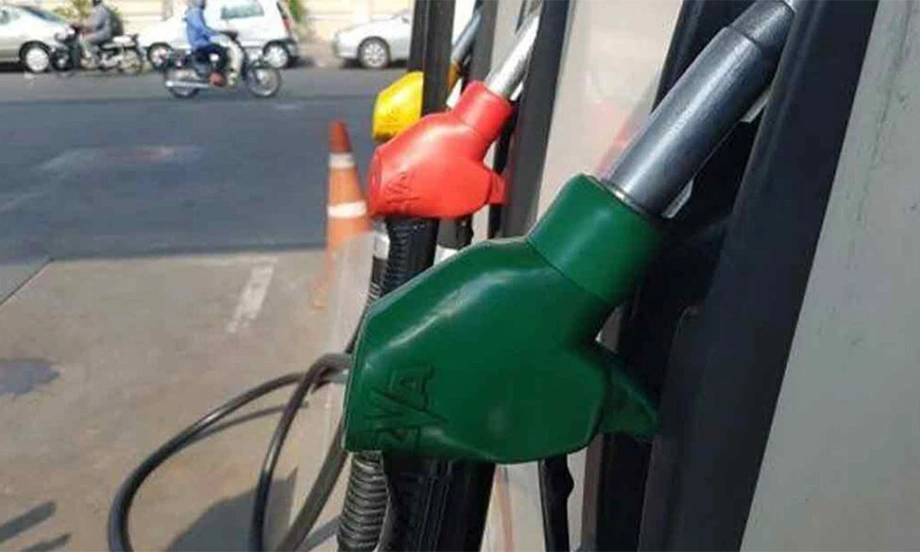
Cambodia has committed more than $600 million to limiting fuel and electricity costs, Prime Minister Hun Manet said on November 5, 2026, as imported energy prices continued to put pressure on household budgets and businesses. Ministry of Commerce figures put regular gasoline at 5,050 riels per litre, up 31% from February, and diesel at 5,650 riels, up 46.7%.
Contents
- Tax cuts and electricity support cushion a sharp price rise
- What the $600 million figure includes
- How fuel taxes and price reductions work
- Diesel has risen faster than gasoline
- From October support to the November announcement
- Why higher fuel costs reach the food bill
- Relief in a province recovering from floods
- Tax relief also targets alternatives to fuel
- A continuing commitment with a budget cost
- Key Points
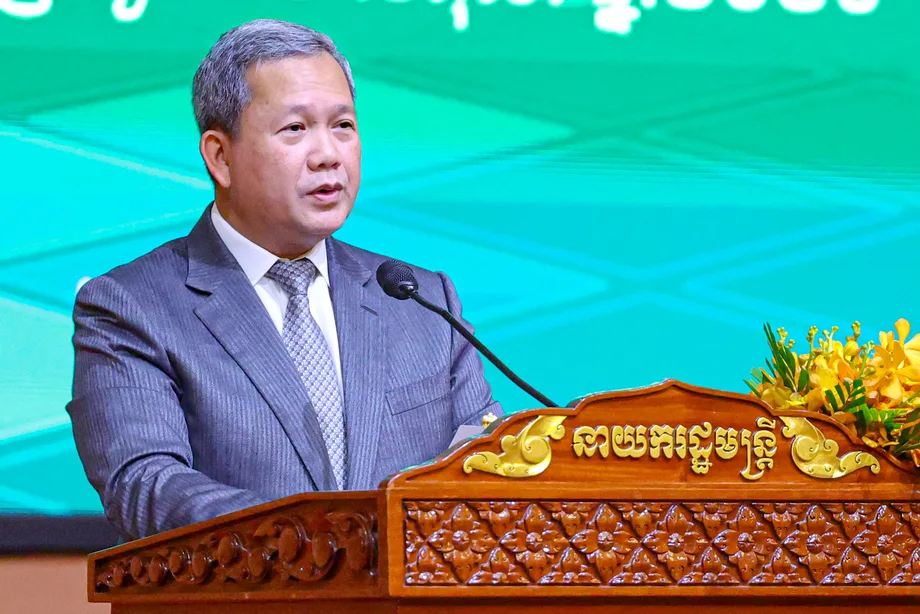
Hun Manet announced the figure while distributing rice seeds and food to households affected by flooding in Pursat province. He said the government would maintain support while world fuel prices remained high, linking the increase in energy costs to conflicts in the Middle East.
The assistance combines electricity subsidies with taxes the government has chosen to reduce or forgo. Hun Manet described roughly $500 million to $600 million in fuel tax support and about $70 million spent by Electricite du Cambodge, the state electricity utility known as EDC, to contain electricity prices.
Speaking during an address broadcast on state television, Hun Manet described the combined effort:
To date, we have subsidized more than 600 million dollars to curb rising fuel costs and stabilize electricity prices.
The figures show both the size of the intervention and the pressure still reaching consumers. Cambodia depends entirely on imported petroleum and diesel, leaving its fuel market exposed when international prices rise. Tax relief can reduce the amount charged at the pump, but consumers are still paying substantially more than in February.
What the $600 million figure includes
The government's energy support reaches consumers through two main routes. For fuel, authorities have reduced taxes collected from importers. For electricity, EDC has absorbed costs through support intended to hold down tariffs, the rates customers pay for power.
A tax reduction helps by removing part of the charge built into the final selling price. It also means the government collects less revenue. Electricity support works differently: money is used to contain the price charged to customers even when supplying power becomes more expensive.
Hun Manet's breakdown put fuel support at between $500 million and $600 million, alongside approximately $70 million for electricity. Those amounts explain why the combined figure exceeds $600 million. The headline total includes both revenue forgone through tax relief and support for electricity, rather than a single payment distributed directly to households.
The prime minister gave no end date for the assistance, instead tying its continuation to high global fuel prices. That leaves the eventual cost dependent on how long the pressure lasts and how much support the government maintains.
How fuel taxes and price reductions work
Cambodia's measures include a reduction of $0.065 per litre in fuel prices. A further reduction of $0.01 per litre applies when international gasoline prices exceed $90 per barrel and diesel prices exceed $100 per barrel, under the conditions described alongside the announcement.
For a purchase of 20 litres, the basic reduction amounts to $1.30. The additional reduction would save another $0.20 when applicable. Those savings can accumulate for people who buy fuel frequently, including drivers and businesses that move goods.
The detailed tax changes include cutting import duties on gasoline and diesel to zero. The special tax on gasoline was reduced from 30% to 15%, while the special tax on diesel fell from 4% to zero. A special tax is a separate charge added to particular products, in this case fuel.
The exact gasoline value added tax rate needs clarification. The description of the measures says VAT on both fuels was reduced to zero, but also lists gasoline VAT falling from 10% to 4%, with diesel VAT falling from 10% to zero. No explanation was given for the two gasoline rates. VAT is a tax charged on the value of a sale and forms another part of the price consumers pay.
Diesel has risen faster than gasoline
The Ministry of Commerce figures put regular gasoline at 5,050 riels per litre, or about $1.24, for November 1 to 11. Diesel was listed at 5,650 riels per litre over the same period.
Diesel therefore cost 600 riels more per litre than regular gasoline, a gap of about 11.9% measured against the gasoline price. Its increase since February was also steeper: 46.7%, compared with 31% for gasoline, a difference of 15.7 percentage points.
For someone buying 20 litres, those November prices mean a bill of 101,000 riels for regular gasoline or 113,000 riels for diesel. The 12,000 riel difference illustrates why the type of fuel a vehicle or machine uses matters to its running cost.
An earlier October 7 price reading put gasoline at 5,150 riels per litre and diesel at 5,650 riels. By the November pricing period, gasoline had fallen by 100 riels, about 1.9%, while diesel was unchanged. That offered a small easing for gasoline buyers, although both fuels remained well above their February levels.
From October support to the November announcement
Hun Manet had put energy support at nearly $500 million in an October 7 announcement. By November 5, he was describing a combined commitment of more than $600 million, with the same broad approach of tax reductions and electricity assistance.
The main dates trace how the policy and prices developed:
- February: The comparison point used by the Ministry of Commerce to measure the subsequent rise in fuel prices.
- October 7: Hun Manet said energy subsidies had reached nearly $500 million. Regular gasoline was listed at 5,150 riels per litre and diesel at 5,650 riels.
- November 1 to 11: The listed retail prices were 5,050 riels per litre for regular gasoline and 5,650 riels for diesel.
- November 5, 2026: Hun Manet announced support exceeding $600 million during the relief distribution in Pursat.
The November announcement extended the prime minister's commitment to continue assistance while international prices remained high. It came as the government was also helping flood affected households with immediate food needs and rice seeds for farming.
Why higher fuel costs reach the food bill
Thong Mengdavid, deputy director of the China-ASEAN Studies Center at the Cambodia University of Technology and Science, described the tax measures as a fiscal cushion. In plain terms, the government is using its budget and tax system to absorb some of an outside price shock.
He explained how energy costs spread through the economy:
Fuel price hikes escalate transportation and production costs, driving up inflation and eroding purchasing power, particularly for food and agricultural products. This ultimately slows down broader economic activity.
A higher fuel bill can affect several stages of getting food to a customer. Producers face operating costs, goods must be transported, and retailers need to cover the expense of receiving supplies. When those costs rise, businesses face pressure to charge more or accept smaller earnings.
Mengdavid identified households with low and middle incomes, informal workers, and small and medium businesses as particularly exposed. These groups have less money in reserve to absorb higher living and operating costs. For a household already spending much of its income on essentials, even a modest increase can reduce what remains for other needs.
Relief in a province recovering from floods
Pursat was the setting for an announcement about a national energy problem, but the event also addressed a local emergency. Hun Manet was distributing rice seeds and relief supplies to people recently affected by severe flooding.
Food assistance helps households meet immediate needs, while rice seeds support a return to cultivation. Energy prices affect a different part of the same household budget, including travel and the costs built into goods that families buy.
For flood affected households, these pressures can arrive together. The event brought immediate disaster assistance and the wider promise of continued energy relief into the same setting. The government did not announce a separate fuel subsidy specifically for Pursat residents.
Tax relief also targets alternatives to fuel
The government's measures extend beyond gasoline, diesel and electricity bills. Hun Manet said authorities had also reduced import duties or taxes on electric vehicles, plug-in hybrid vehicles, electric stoves and equipment powered by solar energy.
A plug-in hybrid combines a fuel engine with a battery that can be charged from an electricity supply. Electric vehicles rely on batteries for driving, while electric stoves use electricity for cooking. Lower taxes can reduce the purchase cost of these products, giving consumers more options when choosing a vehicle, appliance or power supply.
The announcement gave no figures for how much those products would fall in price or how many people had bought them under the reduced taxes. The immediate assistance remains the relief applied to existing fuel purchases and electricity bills; changing vehicles or equipment requires a separate purchase.
Cambodia's dependence on imported petroleum and diesel remains central to the pressure. Its domestic offshore oil reserves remain unexploited, leaving international supplies and prices as the basis for the fuel used in the country.
A continuing commitment with a budget cost
Hun Manet's pledge gives consumers and businesses an assurance that assistance will continue while global prices remain high. It also commits public resources for an uncertain period: lower fuel taxes reduce revenue, and electricity support carries a cost for the state utility.
The central challenge is visible in the November figures. More than $600 million in support has helped contain costs, yet regular gasoline is still 31% above its February level and diesel is 46.7% higher. Continued relief can soften that pressure, while the size of the remaining increase explains why transport, production and household spending remain under strain.
Key Points
- Hun Manet said Cambodia's fuel and electricity support exceeded $600 million by November 5, 2026.
- The breakdown included $500 million to $600 million in fuel tax support and about $70 million for electricity.
- Regular gasoline was listed at 5,050 riels per litre for November 1 to 11, while diesel was 5,650 riels.
- Gasoline prices were 31% above February levels, and diesel prices were 46.7% higher.
- Support includes fuel tax reductions, electricity subsidies and lower taxes on selected electric vehicles and equipment.
- The prime minister pledged to maintain assistance while global fuel prices remain high, without setting an end date.