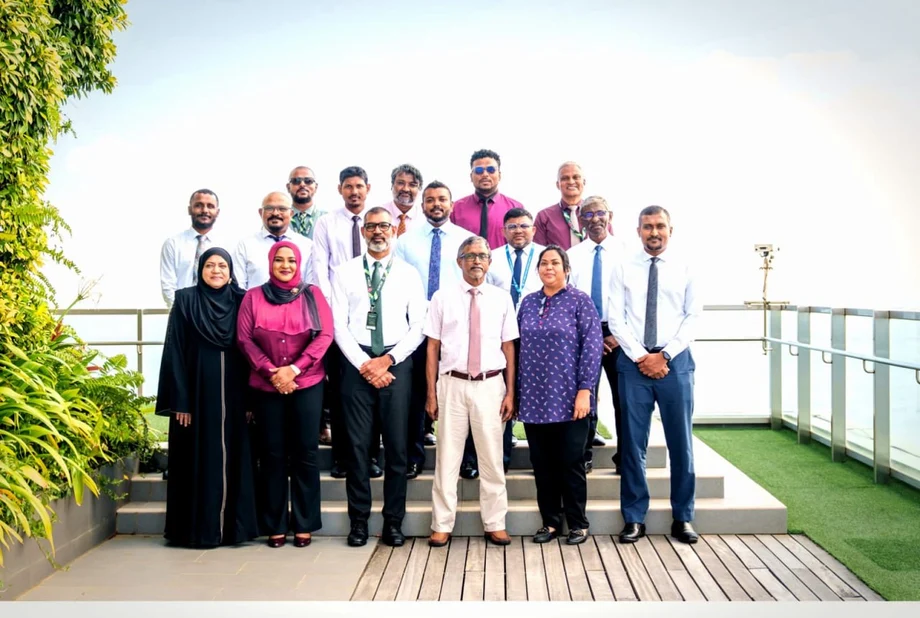
One board takes charge of 12 health institutions
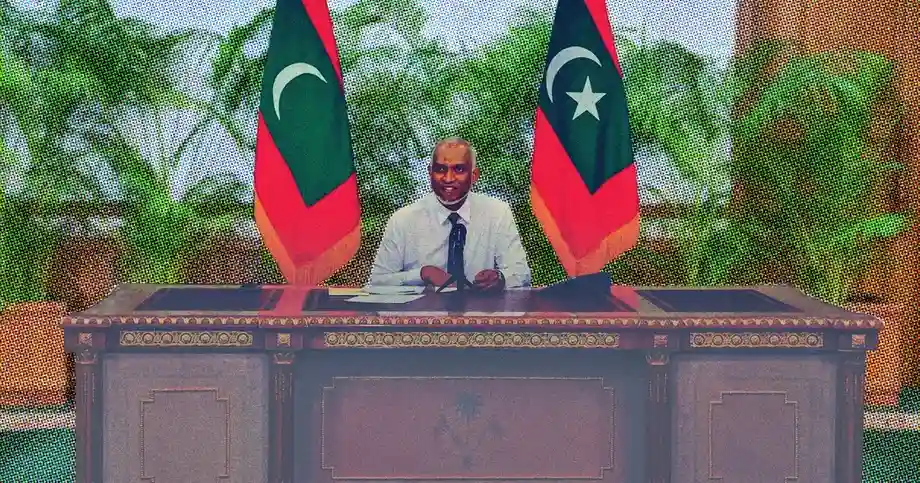
President Dr Mohamed Muizzu established the Maldives Tertiary Hospitals Group on November 2, 2026, replacing six governing bodies with a single board overseeing 12 health institutions. Dharumavantha Hospital will serve as the operational centre, and its chief executive, Abdul Razzaq Haleem, will oversee management across the network.
Contents
- One board takes charge of 12 health institutions
- Which governing bodies have been dissolved?
- How the new management structure works
- Hospitals and specialist services in the network
- Who sits on the governing board?
- From an October proposal to a November decision
- Sharing doctors and resources without adding staff
- What the plan means for care closer to home
- Medicine shortages and unfinished facilities remain immediate concerns
- Key Points
The decision moves hospital governance beyond the capital, bringing regional hospitals into the same structure as major facilities in Male'. It also places the Maldivian Blood Service and its Thalassaemia and Other Haemoglobinopathies Centre under the new board, extending its responsibilities beyond hospital administration.
The President's Office set out the changes in its November 2 announcement, reference 2026-649. The group will be affiliated with the Ministry of Health, Family and Welfare, while its governing board will operate under presidential directives and remain accountable to the President.
Muizzu had outlined the restructuring on the Nation Chat programme, saying it would improve care, strengthen management and reduce expenditure. His plan combines central oversight with the sharing of resources and medical expertise among hospitals that previously operated under different governing arrangements.
Which governing bodies have been dissolved?
The decision dissolves the governing bodies of the Male' City Group of Hospitals, Kulhudhuffushi Regional Hospital, Ungoofaaru Regional Hospital, Gan Regional Hospital, Dr Abdul Samad Memorial Hospital and Addu Equatorial Hospital. An 18 member governing board now takes responsibility for the wider group.
The immediate institutional change is to who governs these facilities. Hospitals and services named in the announcement come under a common authority, replacing the previous arrangement of a capital hospital group alongside separate regional governing bodies.
Muizzu said the intention was to remove overlapping functions and make better use of existing staff and resources. Decisions about the network will now sit within one governing structure, with the stated aim of making cooperation between institutions easier.
How the new management structure works
The President's Office describes the arrangement as a hybrid centralised administrative model. In simple terms, it brings institutions under common governance while retaining the individual hospitals and services that make up the network.
Three responsibilities are identified in the announcement. The governing board oversees administration. The Principal Secretary to the President for Tertiary Health Services coordinates the board and the operations of institutions under it. Abdul Razzaq Haleem, the Dharumavantha Hospital CEO, oversees management across the facilities.
Mohamed Tholal holds the principal secretary role. His coordination responsibilities place the President's Office directly within the group's operating structure, alongside its affiliation with the health ministry.
Dharumavantha Hospital's designation as the central operational hub gives the network a named management base. Muizzu's wider objective is to combine that shared direction with cooperation between hospitals, particularly in using doctors' technical skills and available resources.
Hospitals and specialist services in the network
The governing board's official remit covers the following 12 institutions. The list includes hospitals already providing advanced care and facilities being developed to provide services at that level:
- Dharumavantha Hospital.
- Indira Gandhi Memorial Hospital (IGMH).
- Hulhumale' Hospital.
- Vil imale' Hospital.
- Maldivian Blood Service.
- Thalassaemia and Other Haemoglobinopathies Centre, administered under the Maldivian Blood Service.
- Kulhudhuffushi Regional Hospital.
- Addu Equatorial Hospital.
- Ungoofaaru Regional Hospital.
- Dr Abdul Samad Memorial Hospital.
- Gan Regional Hospital.
- Fuvahmulah Hospital.
Tertiary care means advanced medical treatment that usually requires specialist doctors, equipment or facilities beyond those available at a local health centre. The government's plan brings both existing tertiary hospitals and hospitals being upgraded to that level into one framework.
Ten of the 12 listed institutions are hospitals. The other two are the blood service and the specialist centre it administers. Their inclusion gives the board responsibility for services important to patients with blood disorders, as well as the broader work of the hospital network.
Who sits on the governing board?
Dr Abdul Azeez Yoosuf, a health sector professional with long service, chairs the board. Hussain Haleem, an information technology professional, is vice chairperson. Their appointments place health and technology experience at the head of the new governing structure.
Dharumavantha Hospital is represented by CEO Abdul Razzaq Haleem and deputy CEO Dr Ibrahim Yasir Ahmed, a health sector specialist. Other members include primary healthcare specialist Nayaz Ahmed, public healthcare specialist Dr Maryam Jennifer and nursing specialist Fathimath Afiya Waheed.
Moosa Kaleem Qasim, a senior staff member at Hulhumale' Hospital, also joins the board. Vilimale' Hospital has two representatives: deputy CEO Mohamed Mabrook and senior staff member Alim Shakeel.
Iz Thasleema represents the Ministry of Health, Family and Welfare, while Adam Badrullah represents the Ministry of Finance and Public Enterprises. These seats bring both the ministry responsible for health services and the ministry responsible for public finances into the board's work.
Regional representatives are Kulhudhuffushi Regional Hospital CEO Nazima Ali; Addu Equatorial Hospital CEO Dr Ahmed Adheel Naseer; Ungoofaaru Regional Hospital deputy CEO Hussain Asif; Dr Abdul Samad Memorial Hospital CEO Ahmed Ashraf; Gan Regional Hospital CEO Abdul Hannaan Abdul Raheem; and Fuvahmulah Hospital senior administrative staff member Fathuhullah Naseem.
The membership combines hospital managers, clinical and public health specialists, a nursing specialist, technology experience and ministry representatives. Several regional managers will therefore participate in the common board after the dissolution of their hospitals' separate governing bodies.
From an October proposal to a November decision
Muizzu's explanation on Nation Chat preceded the formal establishment of the group. His earlier timetable allowed three to four months, starting in November, to bring hospitals under consolidated management.
The sequence separates the creation of the governing body from the broader work of bringing institutions into a shared management system:
- By October 29, 2026: Muizzu had outlined the restructuring on Nation Chat, including a replacement board and a wider national hospital group.
- November 2026: The starting month Muizzu identified for a consolidation process lasting three to four months.
- November 2, 2026: The President established the Maldives Tertiary Hospitals Group, dissolved six governing bodies and named the new board and its institutions.
The November 2 decision supplies the leadership and institutional structure for that process. The consolidation period described by Muizzu concerns the wider task of bringing the hospitals together under the new system.
Sharing doctors and resources without adding staff
Muizzu said the restructuring would not involve hiring additional staff. His stated approach is to improve services through better use of the people, expertise and resources already available across the institutions.
Doctors' specialist skills are central to that plan. Muizzu said the new arrangement would make it easier for one hospital to benefit from the technical services of doctors at another. Shared management is intended to help institutions cooperate rather than manage their resources entirely separately.
The President also wants policies that make fuller use of doctors trained at government expense. That connects spending on medical education with the practical task of ensuring those doctors' skills reach patients through the public health system.
Lower expenditure is another stated goal. Muizzu linked savings to removing duplicated functions and strengthening management. For patients, the promised benefit is better access to care from the resources already funded; for hospital managers, the change creates a common structure through which those resources can be coordinated.
What the plan means for care closer to home
The hospital group forms part of a wider government effort to develop tertiary hospitals around the country and improve atoll hospitals and island health centres. Muizzu said the aim was to let residents obtain necessary treatment closer to home.
The regional hospitals included in the group give that objective a practical connection to the new governance arrangement. Facilities outside the capital will share the same board and management framework as major hospitals in Male', while their managers hold seats on the governing board.
Muizzu also outlined plans to enable foreign specialists to work in the Maldives and to make greater use of locally trained doctors. Both measures are intended to expand the medical expertise available within the country and reduce the need for patients to seek treatment abroad.
Families would benefit most directly when the treatment they need becomes available at a hospital they can reach more easily. Achieving that requires the management changes to work alongside the government's promised development of facilities and medical services.
Medicine shortages and unfinished facilities remain immediate concerns
Public concerns about stalled work at island health centres and shortages of medicines accompany the restructuring. Those problems affect everyday access to care, including whether a local facility can function properly and whether patients can obtain prescribed treatment.
Muizzu said health sector development was a leading government policy and that the forthcoming budget would include measures to strengthen services. The hospital group's establishment gives the administration a new structure for a substantial part of that effort.
The announcement did not specify a savings target, detailed arrangements for sharing specialists, a precise completion date for consolidation, or dates for resolving the medicine and construction concerns. Muizzu's three to four month timetable from November is the stated window for bringing the hospitals under consolidated management.
The concrete change is now in place at governing level: one board, a presidential coordination role and a central operational hub at Dharumavantha Hospital. The next stage is the practical work of connecting institutions so that shared management translates into the better treatment and easier access Muizzu has promised.
Key Points
- The Maldives Tertiary Hospitals Group was established on November 2, 2026.
- Six governing bodies were dissolved, including the Male' City Group of Hospitals and five regional hospital bodies.
- An 18 member board chaired by Dr Abdul Azeez Yoosuf oversees 12 institutions.
- The group is affiliated with the health ministry and accountable to the President.
- Dharumavantha Hospital is the operational hub, with CEO Abdul Razzaq Haleem overseeing management across the network.
- Muizzu proposed consolidation over three to four months starting in November, using existing staff and resources.
- The government's stated goals are better care, lower expenditure, greater sharing of expertise and less need for treatment abroad.