A two-kilometer link promises a much shorter trip
A new P2.2 billion expressway connection between Quirino Highway in Quezon City and the NLEX Mindanao Toll Plaza in Valenzuela City is expected to reduce a journey of about 40 minutes to roughly five minutes. President Ferdinand Marcos Jr. announced that passage through the two-kilometer NLEX-C5 Northlink Segment 8.2 Section 1A would be free until the end of 2026.
Contents
- A two-kilometer link promises a much shorter trip
- What the free passage announcement covers
- Where drivers can go from Quirino Highway
- How much time could motorists save?
- How the construction schedule changed
- A small part of a P24 billion corridor
- Who is responsible for the road?
- A nearby subway station is also planned
- Key Points
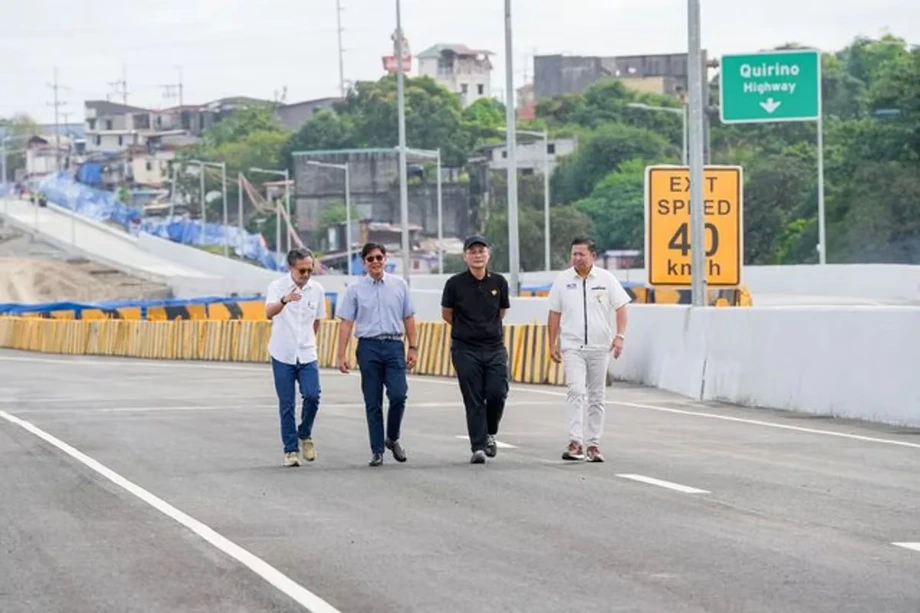
The elevated road connects Barangay Talipapa in Quezon City with Barangay Ugong in Valenzuela. It is intended to give motorists a more direct route between local roads and the expressway network, with around 11,000 vehicles expected to use it daily.
The government pushed for an opening ahead of Undas, when many Filipinos travel to cemeteries and their home provinces to remember deceased relatives around November 1 and 2. For drivers heading out of Metro Manila, the connection offers another way to reach NLEX without spending as much time on congested streets.
The opening was reported as October 29, although the year was not specified. NLEX's March 15, 2026 construction update had placed completion in June and the start of operations in September, following an earlier target of the first quarter of 2026. Those dates leave the precise opening chronology unresolved.
The immediate benefit is nevertheless specific: a short connection that removes a lengthy detour. The Department of Transportation's estimate of a reduction from 40 minutes to five minutes amounts to 35 minutes saved on the journey between the two endpoints.
What the free passage announcement covers
Marcos announced the toll exemption for the newly opened Section 1A, with the stated deadline running through the end of 2026. Transportation Secretary Vince Dizon said the president had thanked NLEX Corporation for allowing motorists to use the connection without immediately collecting tolls.
The deadline carries a wording inconsistency. The announcement identifies the end of 2026, while a shorter quotation attributed to Marcos describes free passage until the end of the year. Motorists planning later trips will need a dated operating advisory to confirm the applicable deadline.
The free passage announcement concerns this two-kilometer section. Drivers continuing onto NLEX, the NLEX Connector or SCTEX should still budget for tolls on those roads. Their total journey cost will depend on the route they take beyond the new connection.
Section 1A is intended to accommodate all vehicle classes and operate 24 hours a day. That makes the connection relevant to private cars, buses and freight vehicles, including drivers whose journeys begin before dawn or continue late at night.
Where drivers can go from Quirino Highway
Quirino Highway motorists gain a direct route to the NLEX Mindanao Toll Plaza. From there, drivers heading north can join the NLEX mainline toward Central Luzon and continue to the Subic-Clark-Tarlac Expressway, or SCTEX, for onward travel.
Travelers heading toward Manila can access the NLEX Connector, with routes serving the University Belt and nearby areas. The new connection therefore has a purpose beyond trips between Quezon City and Valenzuela: it brings neighborhoods around Quirino Highway closer to several expressway routes.
The route also provides an alternative to EDSA for some journeys. Its usefulness will depend on a driver's starting point and destination, but the new access allows more trips to move between local streets and expressways without following the same congested approaches.
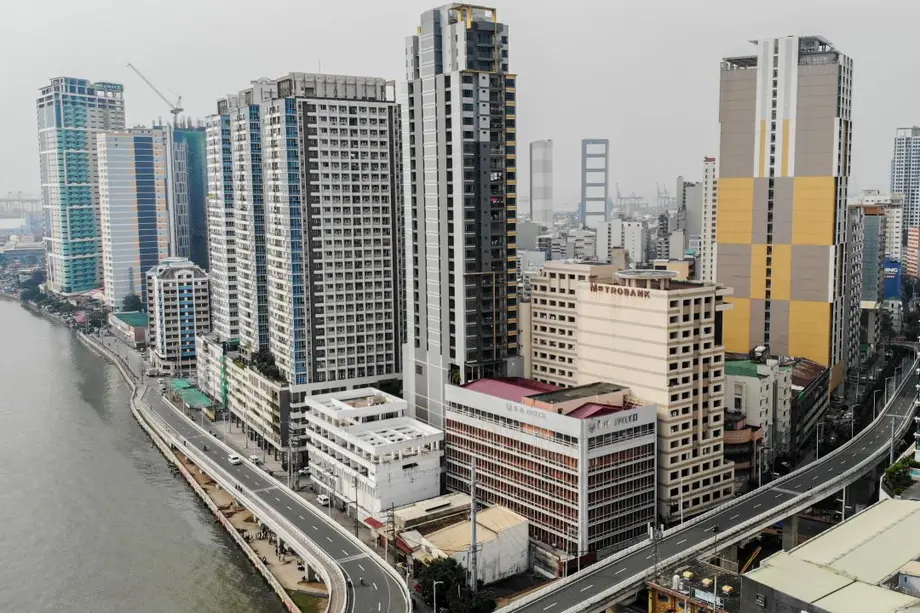
NLEX expects the section to ease pressure on Mindanao Avenue and Quirino Highway. The elevated alignment passes over Mindanao Avenue and the Tullahan River, creating a separate path for vehicles traveling between its endpoints.
How much time could motorists save?
The Department of Transportation estimates that the new connection can bring the journey down to roughly five minutes from about 40 minutes. Using those figures, the reduction is 87.5 percent for that particular stretch.
A driver making the journey twice in a day could save about 70 minutes if both trips match that estimate. That is a calculation from the department's figures, with actual travel times depending on traffic, access roads and conditions at the toll plaza.
The expected 11,000 vehicles a day is a projection of use, rather than a published count of traffic after opening. Distributing that figure evenly across 24 hours would mean about 458 vehicles an hour, although demand will vary through the day.
Commuters stand to gain time previously spent on longer local routes. Businesses moving goods may also benefit from a shorter approach to the expressway, particularly when deliveries require repeated journeys between northern Metro Manila and destinations farther north.
Metro Pacific Tollways Corporation president Jose Ma. Lim described the expected benefit when construction began. He said the project would:
cut travel time, making daily commutes and logistics operations more efficient.
How the construction schedule changed
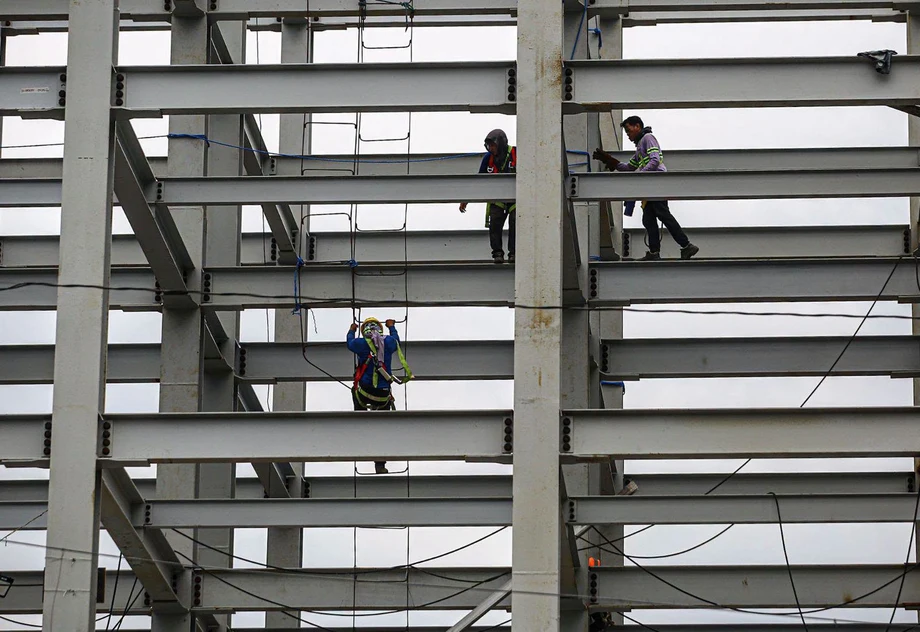
NLEX Corporation began construction in March 2025, with China Road and Bridge Corporation as contractor. The initial expectation was to finish Section 1A in the first quarter of 2026.
By March 15, 2026, the company said construction was 60 percent complete. NLEX President and General Manager Luis S. Reñon then gave a revised target of June for construction completion, with operations expected to start in September.
The main milestones show how the schedule developed:
- March 2025: Construction began on the P2.2 billion Section 1A.
- First quarter of 2026: The initial completion target.
- March 15, 2026: Construction was reported at 60 percent, with completion targeted for June and operations for September.
- October 29, year unspecified: The reported opening date ahead of Undas.
- End of 2026: The stated deadline for free passage.
The distinction between finishing construction and starting operations matters for motorists. A road can reach physical completion before it begins carrying traffic, which is why the March update set out separate targets for those stages.
A small part of a P24 billion corridor
Section 1A belongs to the planned 11.3-kilometer NLEX-C5 Northlink Segment 8.2, which is intended to connect Mindanao Avenue to C5/C.P. Garcia Avenue near Katipunan Avenue in Quezon City. The broader project was priced at P24 billion when construction of the first section began.
The opened two-kilometer stretch accounts for about 18 percent of the planned corridor's length. Its P2.2 billion cost is about 9 percent of the stated budget for the whole project. Different sections can require different spending on land, structures and access.
The full corridor is intended to improve travel through eastern Metro Manila and strengthen connections between northern and southern Luzon. For now, the concrete change is the link between Quirino Highway and the existing NLEX access point.
NLEX was discussing a further extension from Mindanao Avenue to Congressional Avenue in March 2026. Reñon said the company planned to request the next portion from the Department of Public Works and Highways.
Reñon expected that extension to cost more than Section 1A because of right-of-way costs. Right of way means securing the land and legal access needed for a road. In a densely built city, buying property and addressing affected buildings can account for a large part of a project's expense.
Who is responsible for the road?
The NLEX-C5 Northlink is a public-private partnership. The Toll Regulatory Board is the government grantor, while NLEX Corporation, a subsidiary of Metro Pacific Tollways Corporation, is the private concessionaire.
In practical terms, the arrangement gives the private company a role in delivering and operating the road under an agreement with the government. The board's grantor role and NLEX's concession identify the public and private parties responsible for the project.
Transportation Secretary Dizon and Public Works and Highways Secretary Giovanni Lopez joined Marcos at the opening. Valenzuela Mayor Wes Gatchalian and District 1 Representative Kenneth Gatchalian also attended and welcomed the connection between the neighboring cities.
Their involvement reflects the road's two immediate functions: serving local journeys across the Quezon City and Valenzuela boundary, and feeding vehicles into a network used for travel and trade across Luzon.
A nearby subway station is also planned
Marcos said the government was working on a nearby subway station as part of efforts to improve the transport network. The station's name, opening date and exact connection to the new road were not given.
The road and the subway would serve different travel needs. Section 1A provides access for vehicles using the expressway, while a subway station would give passengers a rail option in the surrounding area. Their practical value together will depend on where station entrances, local roads and passenger connections are located.
For residents and businesses, the immediate development is the new expressway access. The larger Northlink corridor and the nearby rail project represent further work beyond the section now announced as open.
Key Points
- The P2.2 billion Section 1A connects Quirino Highway in Quezon City with the NLEX Mindanao Toll Plaza in Valenzuela.
- Marcos announced free passage through the end of 2026, although shorter wording also referred to the end of the year.
- The Department of Transportation estimates a journey of five minutes instead of about 40 minutes.
- The section is intended to operate around the clock, accommodate all vehicle classes and serve approximately 11,000 vehicles daily.
- The road provides access to the NLEX mainline, NLEX Connector and onward routes through SCTEX.
- Section 1A is part of the planned 11.3-kilometer Northlink corridor, priced at P24 billion.