Nine days of heavy travel begin October 27
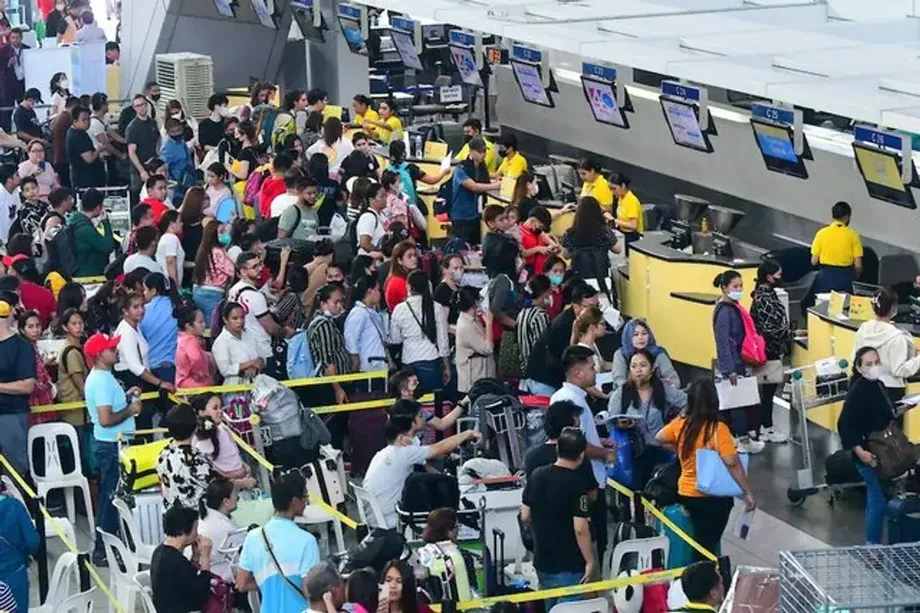
Ninoy Aquino International Airport expects about 1.25 million passengers from October 27 to November 4, 2026, with October 30 forecast to be the busiest day at roughly 149,000 travelers. Airport operator New NAIA Infra Corp. (NNIC) is preparing additional police patrols, screening staff, transport services and passenger assistance for the Undas holiday rush.
Contents
- Nine days of heavy travel begin October 27
- When will the busiest operations take place?
- More security at entrances and screening points
- Immigration prepares extra officers and rapid response teams
- What the 78 immigration e-gates change
- Road traffic, terminal transfers and baggage need coordination
- Where passengers can get help
- What travelers should prepare before departure
- Key Points
The forecast is about 1% higher than the 1.24 million passengers recorded during the same period in 2025, according to NNIC. That amounts to roughly 10,000 additional passengers across nine days. Undas, the Philippine observance around All Saints' Day and All Souls' Day, brings heavy travel as families return to their hometowns and visit cemeteries.
October 30 will carry a larger share of the pressure. The forecast of 149,000 travelers is about 10,000 above the daily average of roughly 139,000 implied by the holiday total. For passengers, the challenge will extend beyond boarding a flight to reaching the terminal, clearing checks and finding the correct gate.
NNIC will run a command center at Terminal 2 around the clock, coordinating airport personnel with airlines, ground handlers, transport providers and government agencies. Its preparations cover terminal entrances, immigration counters, baggage handling and aircraft parking, where congestion can affect several parts of a journey.
The Civil Aviation Authority of the Philippines (CAAP) is also preparing for a broader airport rush, forecasting 4 million passengers this year compared with 3.7 million in 2025. That increase of 300,000, or about 8%, points to pressure beyond Manila as travelers move through other airports.
When will the busiest operations take place?
NNIC's preparations cover the full October 27 to November 4 travel period. The Bureau of Immigration and CAAP plan additional personnel deployments from October 30 to November 3, beginning on the day NAIA expects its highest passenger volume.
The main dates for travelers are:
- October 27: The nine day NAIA holiday travel period begins.
- October 30: NAIA expects its busiest day, with about 149,000 passengers. Additional immigration and CAAP deployments begin.
- November 1 and 2: All Saints' Day and All Souls' Day fall within the travel period.
- November 3: The announced additional personnel deployment period ends.
- November 4: The final day covered by NNIC's passenger forecast.
Passengers leaving outside October 30 should still allow time for queues. NNIC plans to adjust staffing, counters and transport services around arrival and departure peaks throughout the holiday period.
More security at entrances and screening points
Police patrols will increase at terminal entrances, curbside areas and parking facilities. NNIC also plans to deploy K-9 units and tighten access controls, adding security coverage where passengers and vehicles gather before entering the terminals.
Additional screening personnel and checkpoints will operate during peak hours. CAAP has also announced stricter baggage checks, more general and security personnel, and help desks as part of its preparations.
Screening is one of several checks passengers must complete before boarding. Having travel documents ready and following baggage restrictions can reduce avoidable delays when a traveler reaches the front of a queue.
The agencies involved include the Department of Transportation, Manila International Airport Authority, Office for Transportation Security, Philippine National Police-Aviation Security Group, Bureau of Immigration, Bureau of Customs and Bureau of Quarantine. Their responsibilities range from airport security to checking travelers and goods entering the country.
CAAP Public Information Officer Bea Bernardo said the agencies were coordinating under the Department of Transportation's Oplan Biyaheng Ayos. The preparations bring together staff responsible for different stages of a trip, so a problem at one checkpoint can be addressed alongside its effects elsewhere in the airport.
Immigration prepares extra officers and rapid response teams
The Bureau of Immigration will keep rapid response teams on standby at each terminal, according to spokesperson Anisha Hadji Hassan. These teams can provide additional officers when queues grow or when automated immigration gates at NAIA experience downtime.
Hassan said the bureau was restricting vacation leave approvals during the busiest deployment period to keep officers available. She explained the staffing arrangements:
For the maximum availability of our officers, we are currently implementing a leave ban. From Oct. 30 to Nov. 3, we are limiting the approval of vacation leaves so that if additional personnel are needed, we will have officers available for deployment.
Immigration, customs and quarantine counters will be adjusted according to passenger volume, with additional counters opened when needed. These checks serve different purposes: immigration checks a person's permission to enter or leave, customs checks goods, and quarantine authorities handle relevant health requirements.
Technical teams will also be ready to respond to equipment failures. Keeping both technical staff and additional officers available gives the airport ways to respond when a processing system stops working during a busy period.
What the 78 immigration e-gates change
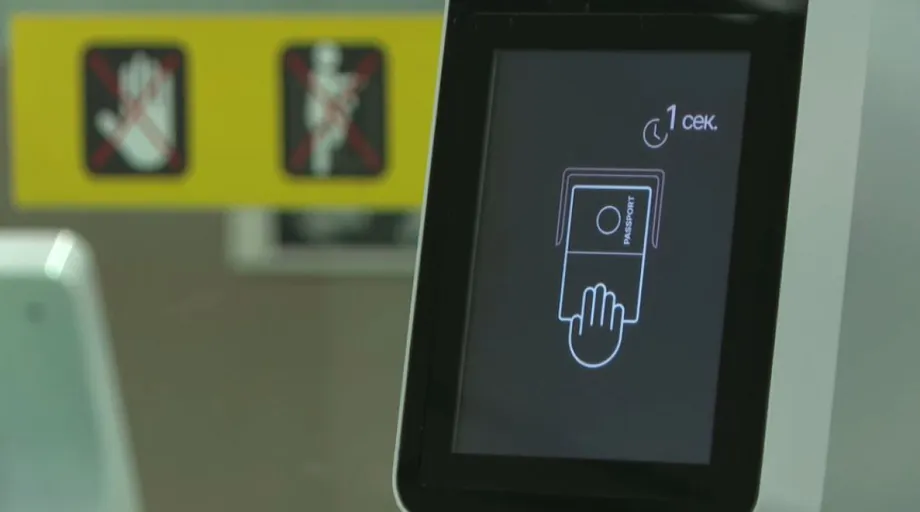
NAIA enters the holiday period with 78 completed automated immigration e-gates at Terminals 1 and 3. NNIC says eligible passengers can complete immigration processing through the gates in about 20 seconds, subject to Bureau of Immigration screening requirements.
An e-gate automates part of the immigration check for travelers who qualify to use it. Eligibility and any further screening remain subject to immigration rules. The announced processing time applies to the gate transaction; travelers must still allow time for any queue and the other steps before boarding.
Hassan recommended e-gates for frequent travelers, saying their use would allow immigration officers to "focus on passengers who are potentially vulnerable or threats." Passengers should follow immigration staff instructions about which lane to use.
NNIC also identified upgraded flight information displays, improved terminal access and waiting areas, and additional passenger facilities among the changes supporting holiday operations. New restaurants, dining areas and lounges have opened across the terminals, giving passengers more places to wait once they have completed the necessary checks.
Road traffic, terminal transfers and baggage need coordination
NNIC will coordinate with road authorities and deploy traffic marshals to manage heavier vehicle traffic around the airport. Taxi and shuttle services will be adjusted during peak periods, while shuttles between terminals will be scheduled around passenger demand and flight arrival and departure peaks.
Passengers should verify their assigned terminal before leaving home. A journey to the wrong terminal adds another transfer at a time when access roads and shuttle services may already be busy.
Additional porters and baggage carts will be available to help travelers move their luggage. Airport teams will monitor congestion at terminal entrances, check-in counters and boarding gates, as well as baggage handling and aircraft movements.
On the airside, the restricted area where aircraft operate, staff will coordinate parking arrangements for additional and unscheduled flights. An aircraft stand is the designated space where a plane parks for boarding, unloading or servicing. Limited stand availability can delay the handling of arriving and departing aircraft.
NNIC will work with airlines and ground handlers, the teams that service aircraft and handle baggage, to address bottlenecks and flight disruptions. Medical, firefighting, safety, engineering and technical teams will remain on duty throughout the travel period.
Where passengers can get help
Public Assistance Desks will operate around the clock in the arrival and departure areas of Terminals 1, 2 and 3. Their services will include directions, travel information, medical assistance and other passenger support.
The Terminal 2 command center will coordinate responses to operational concerns and disruptions. Assistance desks provide a direct place for travelers to ask for help inside their own terminal, including when they need directions or information about a problem affecting their journey.
NNIC also reminded passengers to use authorized airport transport services and report illegal solicitors to airport personnel or police. Travelers needing assistance can approach the desks instead of relying on unsolicited offers.
What travelers should prepare before departure
NNIC advises passengers to arrive at least three hours before an international flight and two hours before a domestic flight. Travelers should allow extra time for road congestion and security screening when deciding when to leave home.
Passengers should check their flight status and terminal assignment, use online check-in when available, prepare travel documents and review their airline's baggage restrictions. Hassan also urged travelers to monitor airport agency advisories in advance. Immigration waiting times are available through the bureau's website and Facebook page.
International travelers required to register through eTravel should complete the process within 72 hours before their scheduled arrival or departure. Registration is free through the official eTravel platform or the eGovPH app. Preparing it before reaching the airport leaves one fewer task to complete while moving through the terminal.
NNIC has announced the types of additional staffing and services planned, but has not specified how many extra officers, checkpoints or shuttle trips will be deployed. Passengers should use current flight and airport advisories for updates affecting their departure.
Key Points
- NAIA expects about 1.25 million passengers from October 27 to November 4, 2026, compared with 1.24 million during the same period in 2025.
- October 30 is forecast to be the busiest day, with roughly 149,000 travelers.
- A command center at Terminal 2 and assistance desks at Terminals 1, 2 and 3 will operate around the clock.
- Additional immigration and CAAP personnel deployments are planned from October 30 to November 3.
- Terminals 1 and 3 have 78 completed immigration e-gates, with processing of about 20 seconds for eligible passengers.
- Passengers are advised to arrive three hours before international flights and two hours before domestic flights.
- Required eTravel registration is free and should be completed within 72 hours before scheduled arrival or departure.