More than 2,100 diagnoses and a warning about delayed care
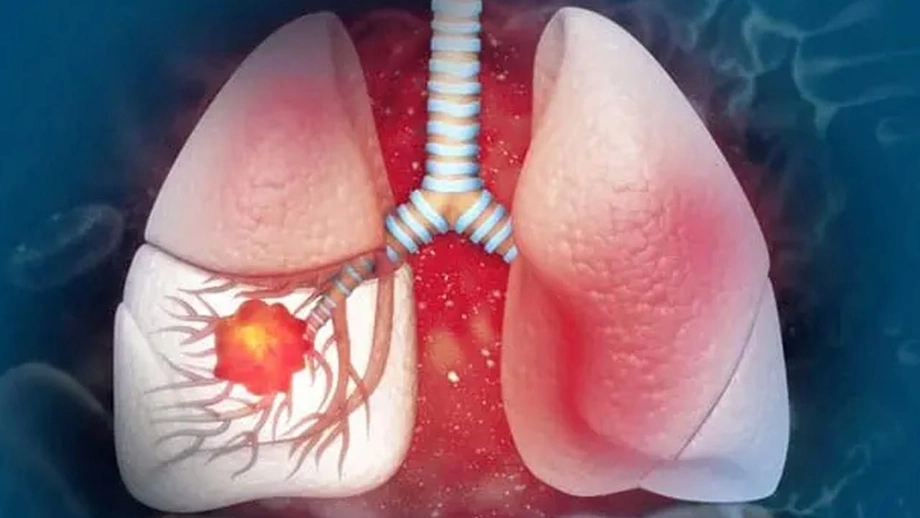
Sri Lanka recorded 2,142 lung cancer cases in 2023, including 1,521 among men and 621 among women, according to National Cancer Registry figures cited by the National Cancer Control Programme. Doctors are warning that many patients reach hospital only after the disease has advanced, reducing the opportunity for treatment at an earlier stage.
Contents
- More than 2,100 diagnoses and a warning about delayed care
- What the 2023 figures show
- How the increase was measured
- Why the stage at diagnosis matters
- Smoking is the largest preventable risk
- Women and people who never smoked also face risk
- Polluted air can reach people at home and outside
- Other exposures deserve attention during medical assessment
- Key Points
Consultant Thoracic Surgeon Dr. Saman Iddagoda, of the National Hospital for Respiratory Diseases in Welisara, said most lung cancer patients treated at the hospital are diagnosed at Stage III or Stage IV. His analysis of hospital and national programme data also found that recorded cases among both men and women increased by approximately 50% between 2010 and 2020.
The figures bring together two pressing concerns: a rise in recorded cases over a decade and delayed diagnosis among patients reaching a major respiratory hospital. Consultant Community Physician Dr. Hasarali Fernando, of the National Cancer Control Programme, said early detection can improve the chances of successful treatment and recovery.
Smoking remains the leading preventable risk identified by the doctors. Their warning also extends to people who have never smoked, particularly women, with exposure to other people's tobacco smoke, polluted air and smoke trapped inside homes among the risks they described.
What the 2023 figures show
The National Cancer Registry figures cited by health officials put Sri Lanka's total number of cancer patients in 2023 at 39,658. More than 18,000 were men and approximately 21,500 were women. Lung cancer accounted for about 5.4% of the total, calculated from the 2,142 lung cancer cases.
Men made up approximately 71% of lung cancer diagnoses and women about 29%. The male total was roughly 2.4 times the female total. These figures describe the distribution of recorded patients; an individual's risk also depends on factors such as age and exposure to tobacco smoke or other harmful substances.
Fernando placed lung cancer third among cancers affecting Sri Lankan men, after oral cancer and prostate cancer. Iddagoda said it is also becoming one of the ten most common cancers affecting women, making the disease a concern across both groups.
One percentage needs clarification. Fernando described lung cancer as accounting for approximately 12% of cancers among men, while 1,521 cases divided by the stated total of more than 18,000 male cancer patients gives a share below 8.5%. The basis for the 12% figure was not specified.
How the increase was measured
Iddagoda's estimate of an increase of approximately 50% draws on lung cancer data from Welisara Chest Hospital and the National Cancer Control Programme covering 2010 to 2020. He said the rise was evident among both men and women.
A 50% increase means about one and a half times the starting number. For example, a starting total of 100 would become 150. The baseline case counts for the decade were not given, so the percentage is the main measure provided for that period.
The key dates describe different parts of the picture:
- 2010: The starting year for the hospital and national programme analysis.
- 2020: The final year of the analysis showing an increase of approximately 50%.
- 2023: The registry year associated with the 2,142 lung cancer cases.
- November 4, 2026: Iddagoda and Fernando discussed lung cancer trends and risks at a Health Promotion Bureau media briefing.
The National Cancer Control Programme's cancer incidence index lists incidence and mortality publications for 2020, 2021 and 2022, annual incidence publications from 2006 through 2019, and a childhood cancer registry. The 2023 totals cited by officials concern a later year than the publications listed there.
Why the stage at diagnosis matters
Welisara's experience points to a serious problem in when patients reach specialist care. Iddagoda said the majority of lung cancer patients treated there are diagnosed at Stage III or Stage IV. He also said his analysis identified lung cancer as responsible for the highest number of cancer deaths in Sri Lanka.
A cancer's stage describes how far it has spread. In general, Stage III lung cancer has spread within the chest, often involving nearby structures or lymph nodes. Stage IV means it has spread farther, such as to another organ or the other lung. Lymph nodes are small structures that form part of the body's immune system.
Treatment choices depend partly on that spread, along with the type of cancer and the patient's health. Fernando said lung cancer can be treated successfully when detected early. The practical message is to seek medical advice when symptoms arise, giving doctors an opportunity to investigate sooner.
Iddagoda's description concerns patients treated at Welisara. A national percentage of patients diagnosed at each stage was not given. His account nevertheless identifies delayed presentation as a major concern at a hospital central to the analysis of the country's lung cancer trend.
Smoking is the largest preventable risk
Fernando estimated that around 90% of lung cancers are associated with smoking; another account of her remarks gave a range of 80% to 90%. She identified avoiding smoking and helping smokers quit as important ways to reduce the disease burden.
Tobacco smoke contains substances that can damage the genetic instructions inside cells. When that damage affects the controls governing cell growth, cells can begin multiplying abnormally and form a cancer. The risk develops through exposure, which is why preventing smoking and stopping continued exposure matter.
Fernando also identified secondhand smoke as a risk. This is smoke breathed in from other people's smoking. A person can therefore encounter tobacco smoke at home, at work or in another shared space without smoking a cigarette themselves.
Keeping shared indoor spaces free of tobacco smoke addresses that exposure directly. For someone who smokes, seeking help to stop also benefits the people around them. The doctors' prevention message connects an individual habit with the air breathed by an entire household.
Women and people who never smoked also face risk
Iddagoda said lung cancer cases are increasing among people who do not smoke, particularly women. The 621 diagnoses among women in 2023 make up almost three in every ten recorded lung cancer cases that year.
The doctors identified several routes of exposure beyond smoking: tobacco smoke from others, outdoor pollution, household smoke and certain hazardous substances. Some chronic respiratory conditions were also listed as factors that can increase risk.
A person who has never smoked still needs medical attention for concerning symptoms. Smoking history is useful information for a doctor, alongside household conditions, work exposures and existing respiratory illness. Fernando's warning places people who do not smoke within the same call for awareness and early assessment.
Polluted air can reach people at home and outside
Fernando linked outdoor air pollution to fumes from vehicles and industrial activity. Inside homes, she highlighted smoke produced by cooking with firewood or kerosene, particularly where ventilation is poor.
Ventilation means allowing fresh air to enter and polluted air to leave. When cooking smoke accumulates inside a room, people nearby continue breathing it. The concern therefore involves both the fuel being burned and how readily the resulting smoke can escape.
The doctors recommended maintaining clean, well ventilated surroundings as part of reducing exposure. For households using firewood or kerosene, the concrete issue they identified is smoke collecting in the living environment, where cooks and other family members may spend long periods.
Tobacco prevention and cleaner household air address different sources of exposure. Both appear in the doctors' explanation of why lung cancer prevention must reach beyond people who smoke.
Other exposures deserve attention during medical assessment
Fernando also identified radon, asbestos and silica as lung cancer risks. Radon is a radioactive gas that can arise from soil and some building materials. Radioactive substances release energy that can damage living cells.
Asbestos refers to mineral fibres historically used in building and other materials. Silica is found in materials such as stone and sand, and can become a breathing hazard when work generates fine dust. Fernando highlighted occupational exposure to these substances, making a person's work history relevant to a medical assessment.
Some longstanding respiratory conditions were another risk factor she named. A patient describing breathing concerns can help a clinician by explaining existing lung disease, smoking exposure, household smoke and work involving hazardous dust or fibres.
Early medical advice and exposure reduction are the two practical priorities running through the doctors' warnings. Sri Lanka's recorded burden exceeds 2,100 cases in a year, while Welisara's experience shows many patients arriving with advanced disease. Earlier assessment offers a chance to address illness before it reaches that point.
Key Points
- Sri Lanka recorded 2,142 lung cancer cases in 2023: 1,521 among men and 621 among women.
- Lung cancer represented about 5.4% of the 39,658 cancer patients recorded that year.
- An analysis of Welisara and national programme data found cases rose approximately 50% between 2010 and 2020.
- Iddagoda said most lung cancer patients treated at Welisara are diagnosed at Stage III or Stage IV.
- Smoking is the leading preventable risk identified by Fernando, while people who never smoke also face risk.
- Other risks include secondhand smoke, household and outdoor air pollution, radon, asbestos and silica.
- Doctors urged avoiding smoking, reducing harmful smoke exposure and seeking medical advice early when symptoms arise.