A 41 Field Checklist at the Center of the Allegations
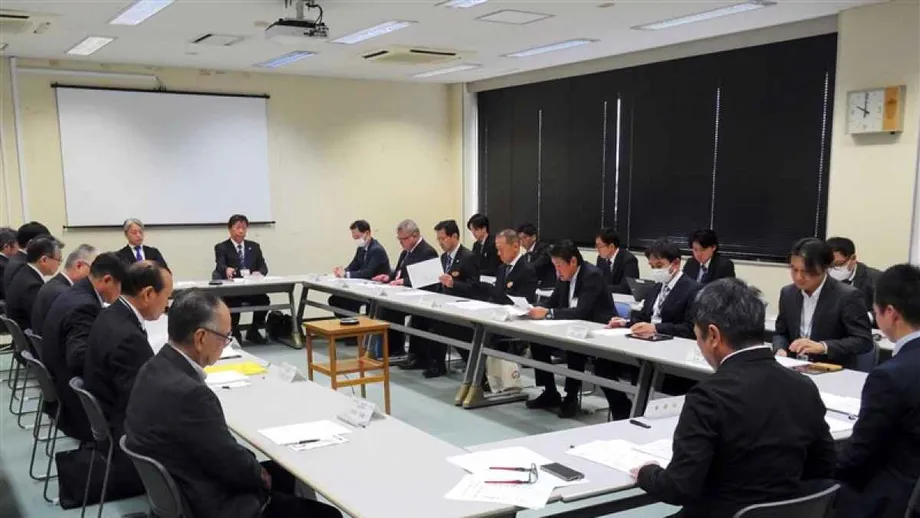
A Japanese military intelligence unit based at Camp Asaka in the Tokyo metropolitan area secretly collected personal information about civilians using a checklist that covered political beliefs, sexual preferences and financial circumstances, according to former members and other people familiar with its work.
Contents
The Field Intelligence Unit of Japan's Ground Self-Defense Force reportedly compiled the information while contacting foreign residents and Japanese researchers for knowledge about countries in Africa and Southeast Asia. Former members said personnel concealed their military identities or affiliations during those contacts.
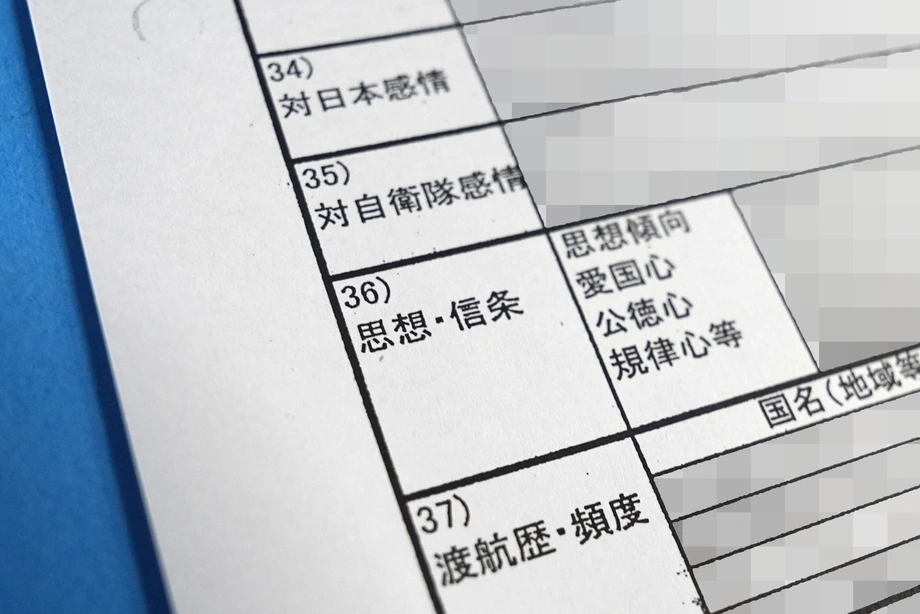
A report described by former members contained 41 fields, including physical characteristics, home addresses, telephone numbers and workplaces. The allegations raise two connected legal concerns: how a government body obtained sensitive information, and how it kept the resulting records.
Defense Minister Shinjiro Koizumi has said that no inappropriate activity had been confirmed. He has not acknowledged the existence of the reports. The accounts leave unresolved when the collection began, how many people were profiled, whether it continues and how widely the records circulated within the Self-Defense Forces.
How Ordinary Contacts Became Potential Informants
Unit personnel were assigned particular countries or regions, including parts of Africa and Southeast Asia, according to former members. They approached people living in Japan who came from those countries, including restaurant owners, as well as Japanese researchers.
Those contacts could provide information about conditions abroad. A restaurant owner might know about developments in their country of origin, while a researcher might have detailed knowledge of its politics or security situation. The unit's stated work involved gathering information and building networks that could support overseas deployments.
Former members said the unit also collected personal details about the people it approached. Within the unit, understanding a person's beliefs and principles was presented as necessary for assessing whether that person could become an informant, someone who supplies information to an intelligence organisation.
The reported practice therefore joined two activities in the same encounter: learning about another country and assessing the person providing that knowledge. The civilians described in the accounts included both foreign residents and Japanese nationals, making the alleged collection a matter affecting people living inside Japan.
What the Personal Reports Contained
The forms were described as Basic Source Data reports, with the accounts using the labels "Individual BSD" and "Personal Basic Source Data." Their 41 checklist fields extended from ordinary contact details to much more private subjects.
Addresses, telephone numbers and workplaces can help an organisation identify and reach a contact. Political beliefs, ideology, sexual preferences and financial circumstances describe intimate parts of a person's life. Together, these categories could give intelligence personnel a detailed picture of someone they hoped to recruit.
Former members said many fields were left blank in practice. The checklist's scope was therefore broader than the information entered in every individual record. The accounts describe a standard form with space for sensitive information, alongside varying levels of completion.
One person familiar with the practice said the checklist drew on investigation items used by a United States military unit. No particular American unit was identified. The account describes an influence on the form's design, while responsibility for collecting and holding the information lay with the Japanese unit described by former members.
Why Japan Created the Unit
The Ground Self-Defense Force established the intelligence unit in 2007 after Japanese forces encountered difficulties gathering information about local security conditions during their deployment to Iraq. That deployment ran from 2003 to 2009.
The unit was intended to gather intelligence and build local networks for overseas operations. It reportedly had around 50 personnel and was headed by a lieutenant colonel. Its relatively small size helps explain the use of individual country assignments, with personnel developing contacts connected to particular places.
The sequence places the unit's creation within an existing overseas mission:
- 2003: The Self-Defense Forces' deployment to Iraq began.
- 2007: The Ground Self-Defense Force established the intelligence unit following difficulties obtaining local security information.
- 2009: The Iraq deployment ended.
The allegations concern how that mission to understand conditions abroad was carried out through contacts at home. Former members describe a practice organised around assigned countries, a common reporting form and a group responsible for holding the records.
Why the Method of Collection Matters
Japan's Act on the Protection of Personal Information prohibits administrative bodies from acquiring personal information through deception or other wrongful means. The central concern is the allegation that military personnel gathered private information while withholding their identities or affiliations.
For a civilian, knowing who is asking can affect the decision to answer. A conversation about conditions in another country may take on a different meaning when the person asking is gathering information for a military intelligence unit and assessing a possible informant.
The reported inclusion of beliefs and sexual preferences adds to the privacy concern because these subjects reach beyond the practical details needed to contact someone. A record combining identity, employment, finances and private views could reveal far more about a person than any single entry.
The personal information protection law also governs requests by people seeking access to information held about themselves. It does not allow an administrative body to withhold that information on the ground of protecting the applicant's own privacy. Disclosure can, however, be refused when there is reasonable cause to believe it could harm national security. An agency can also refuse to confirm or deny whether records exist when answering that question alone would reveal protected information.
The legal issue remains an allegation of possible improper acquisition. Resolving it would require establishing what personnel said to civilians, what information they obtained, how they obtained it and what rules governed their actions. The defense minister's public response has so far been that inappropriate activity has not been confirmed.
Who Held the Records?
A group within the intelligence unit known as "source control" reportedly stored the personal reports. Former members and other people familiar with the practice said the reports were not handled as official documents.
That account raises a second legal concern involving Japan's public records management law, which requires proper management of administrative records. The question extends beyond whether the information should have been collected to how a government organisation recorded and retained material produced through its work.
The Public Records Management Act, Act No. 66 of 2009, defines administrative documents as records created or obtained by administrative agency employees in the course of their duties, held by the agency for organisational use. Article 4 requires employees, except in minor matters, to create documents that allow decision-making processes and the results of the agency's work to be reasonably traced or verified.
Articles 5 to 8 cover classification, the setting of retention periods, preservation, document registers, and transfer or disposal when retention periods expire. Historically important records must be transferred to the National Archives or other designated archives. Article 8 requires prior consultation with and consent from the prime minister before an administrative agency such as the Defense Ministry disposes of records after their retention periods expire. If consent is withheld, a new retention period must be set.
Article 9 requires annual reports to the prime minister on administrative document management, while Article 10 requires agencies to establish and publish document management rules. Article 15 separately requires archives holding specified historical public records containing personal information to take measures to prevent that information from leaking.
Document handling matters because it affects the ability to trace decisions. A record showing who created a profile, when it was updated and who received it can help establish responsibility for the collection and use of personal information.
The reported storage arrangement also brings the unit's internal organisation into focus. Personnel gathered information, entered it into a shared type of form and passed reports into the custody of a designated group. Establishing how that process was authorised would be central to examining both the privacy concerns and the treatment of government records.
What the Defense Minister Has Said
Defense Minister Shinjiro Koizumi was asked about the reports at press conferences. His response addressed whether the ministry had confirmed misconduct, without acknowledging that the personal reports existed.
Koizumi, who heads Japan's Ministry of Defense, said:
We have not confirmed any inappropriate activities.
The ministry also refused to confirm or deny whether it held records about Koichi Kodama, a Tokyo Bar Association attorney. On July 31, Kodama requested disclosure of personal information about himself contained in Individual BSD reports or equivalent records. The ministry issued a nondisclosure notice on September 25, rather than stating that the records did not exist.
The notice said that revealing whether the requested administrative documents existed could allow the Self-Defense Forces' intelligence-gathering capability to be inferred, impede the effective performance of their duties and, ultimately, risk harming Japan's security. The ministry used the personal information protection law's provision allowing an agency to refuse to confirm or deny the existence of records.
Kodama said he had requested the information because he thought a report about him might exist. He had expected the ministry to answer that no records existed and was surprised by its refusal to confirm or deny their existence.
Former Ground Self-Defense Force officials and former unit members said the reported activities were factual and that they had understood them to be illegal or legally questionable.
Former members describe systematic collection supported by a standard checklist. Koizumi's statement presents the ministry's position that inappropriate conduct has not been confirmed. The central issue for accountability is whether the ministry can establish the facts behind those descriptions through the unit's instructions, records and handling procedures.
For the civilians concerned, the practical stakes are personal: whether information about their private lives was recorded, who could access it and how it was used. For the Ground Self-Defense Force, the allegations put its methods of recruiting sources alongside its duties under privacy and public records law.
Key Points
- Former members say the Field Intelligence Unit at Camp Asaka secretly compiled personal profiles of civilians.
- A 41 field checklist covered contact details, beliefs, sexual preferences and financial circumstances, although many entries were reportedly blank.
- Contacts included foreign residents operating restaurants in Japan and Japanese researchers with knowledge of countries abroad.
- The unit was established in 2007 after information gathering difficulties during the Iraq deployment.
- The allegations raise possible concerns under personal information protection and public records management laws.
- Defense Minister Shinjiro Koizumi says no inappropriate activity has been confirmed and has not acknowledged the reports' existence.
- The ministry refused to confirm or deny whether it held records about attorney Koichi Kodama, citing risks to intelligence-gathering capability and national security.