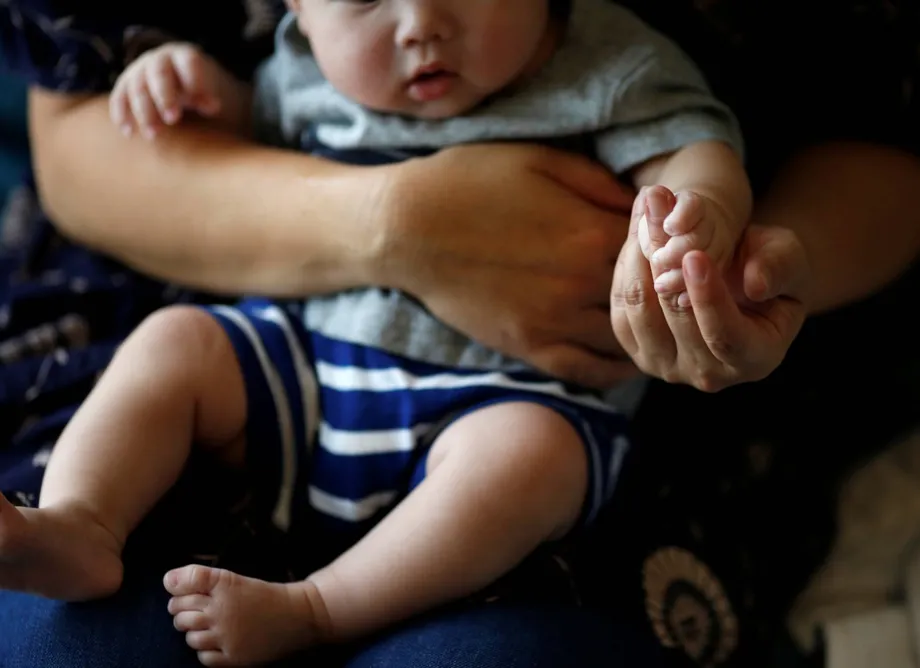
Family hopes shrink as household bills rise
Just 28.2% of Japanese parents raising one young child say they want a second, according to a Meiji Yasuda Life Insurance survey released on October 19. The share has fallen for six consecutive years, reaching its lowest level since the insurer began the survey in 2018.
Contents
- Family hopes shrink as household bills rise
- A decline of more than half since 2020
- Future income matters as much as today's bills
- How parents are adjusting their spending
- Childcare and working hours shape the decision
- A separate plan would change childbirth payments
- Hospitals want higher payments, with funding still at issue
- Birth figures show the scale of the challenge
- Key Points
The latest finding comes from 468 respondents with one child, drawn from an online survey of 1,100 men and women with children aged six or younger. Conducted September 1 to 7, it captures a difficult choice for families already paying for food, childcare and the daily needs of a young child.
Among respondents who wanted another child but found it difficult, or did not want another, 54.5% cited anxiety about future income. Nearly eight in 10 respondents said rising prices were making childrearing costs burdensome. Close to three in 10 cited living or education expenses as reasons for holding back.
Kazutaka Maeda, a senior economist at the Meiji Yasuda Research Institute, said many parents still hoped for two children but struggled to make that possible financially. He described the distance between their hopes and their circumstances:
There is a stark gap between aspirations and reality,
Almost 70% said they might reconsider having another child if economic conditions improved. That gives the findings a practical importance: higher earnings, manageable expenses and working arrangements that leave time for parenting could affect decisions inside individual households.
The government is preparing a separate change to reduce the cost of giving birth. Its proposed insurance payments to hospitals would address the delivery bill, while the survey points to concerns that continue throughout childhood.
A decline of more than half since 2020
Meiji Yasuda Life recorded its highest share of parents wanting a second child in 2020, at 56.9%. The latest 28.2% is 28.7 percentage points lower, equivalent to a decline of about 50.4%. Put simply, the share has fallen to slightly less than half its peak.
A previous survey release dated September 30 recorded 33%, down three percentage points from its preceding survey. That release also covered 1,100 parents with children aged six or younger. Its findings provide another measure of the decline, although the latest question about a second child was answered specifically by the 468 respondents who had one child.
The main survey milestones are:
- 2018: Meiji Yasuda Life began tracking the trend.
- 2020: The share wanting a second child reached its peak of 56.9%.
- September 1 to 7: The latest online survey collected responses from 1,100 parents.
- October 19: The insurer released the latest finding of 28.2%, following six consecutive annual declines.
The size of the relevant group matters. The 28.2% figure describes parents with one young child who answered this survey. Their decisions are particularly relevant to whether families grow from one child to two, a different question from whether adults want to become parents at all.
Future income matters as much as today's bills
Financial uncertainty was the leading reason in the latest findings for hesitating over a second child. Parents are weighing whether they can keep paying for a larger family as children grow, alongside the expenses already arriving each month.
The earlier September 30 release showed several pressures operating together. Age was cited by 50% as a barrier, concern about future income by 46%, and the cost of living by 35%. The latest survey put future income concerns at 54.5%, making the ability to sustain family spending a central issue.
Meiji Yasuda Life estimated average monthly childrearing expenses in the latest findings at about 43,000 yen, a record high. Food, nursery schooling and extracurricular activities were among the costs weighing on parents. The earlier release gave a monthly average of 41,162 yen, slightly below its own preceding year's figure.
At 43,000 yen a month, the annual equivalent is about 516,000 yen. That calculation helps explain why families may look beyond the hospital bill when considering another baby: regular spending continues month after month.
How parents are adjusting their spending
Parents described reducing leisure spending and travel to save money. Those choices show how the pressure reaches family life before a decision about another child is made. Money that might once have paid for an outing or holiday is being kept for essential expenses or future needs.
Inflation was described as running at about 2%. Inflation measures how quickly prices rise. A slower rate can make increases easier to manage, but families still need enough income to pay the prices already being charged. For parents whose earnings have not kept pace with food and childcare costs, even moderate further increases can tighten a budget.
Higher combined household income and more stable prices were among the changes parents said would ease their concerns. The earlier survey release gave more detail: 36% pointed to an increase in their own income, while 31% cited higher earnings for their spouse.
Those responses connect the second child decision to both parents' employment. A household may need more income while also needing someone available for nursery collection, illness and daily care. The survey's findings on working arrangements show why families may find it difficult to solve one problem without worsening the other.
Childcare and working hours shape the decision
Flexible work was another condition parents associated with being more open to a second child. In the earlier release, 22% wanted greater flexibility in their own job and 19% wanted it for their partner. About 70% said improved financial or working conditions could lead them to reconsider.
Maeda recommended wider access to remote work and shorter working hours. He also suggested arranging for siblings to attend the same childcare facility. For a parent managing two children, separate nursery locations can mean additional journeys and a more difficult schedule before and after work.
His recommendations also included better access to babysitters and stronger support networks so parents feel less isolated. Wage growth and government measures against rising prices were part of the same response: families need both enough money and enough practical help.
Employers and childcare providers therefore have roles alongside the government. A parent may be able to afford another child but struggle to fit care around fixed working hours. Another may have reliable childcare but remain anxious about earnings. The findings suggest that support needs to reach both parts of that calculation.
A separate plan would change childbirth payments
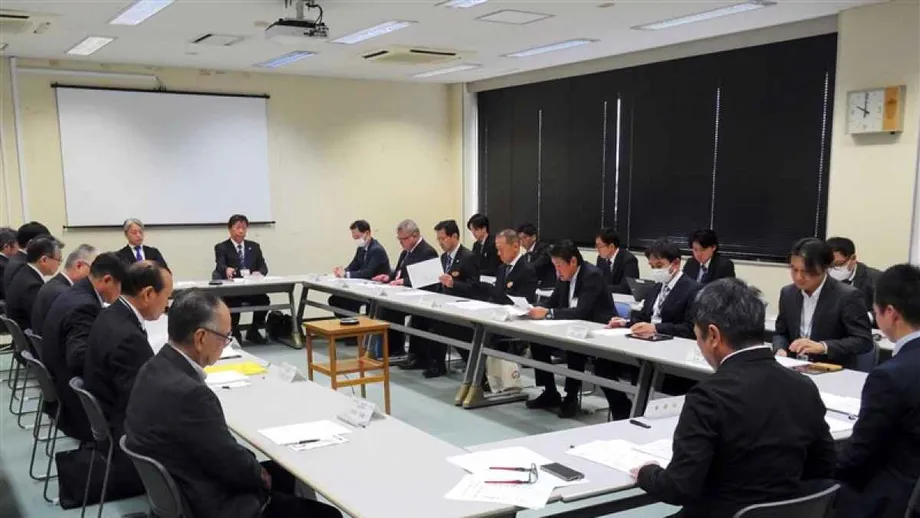
Japan's Ministry of Health, Labor and Welfare is discussing a new system under which public health insurance would pay hospitals directly for routine childbirth. The government is targeting introduction in the second half of fiscal 2027, from October 2027 through March 2028. A revised health insurance law requires implementation by June 2028.
Routine childbirth without complications currently falls outside ordinary health insurance coverage. Families receive a lump sum childbirth benefit of 500,000 yen, but delivery charges can exceed that amount, especially in major cities, leaving a balance for the family to pay.
The proposed system would have insurance pay a government set amount directly to the hospital for routine delivery. The intended payment would exceed the current 500,000 yen benefit. The exact payment and detailed arrangements have not yet been decided.
The government also plans cash benefits for pregnant women and further relief for people having cesarean sections. Cesarean deliveries already receive insurance coverage, with patients typically responsible for 30% of medical charges. The planned additional support would reduce that burden.
Delivery costs and childrearing expenses enter family budgets at different times. Removing a hospital bill would help at birth. The survey's roughly 516,000 yen annual equivalent for childrearing expenses shows why parents are also looking for support that lasts beyond delivery.
Hospitals want higher payments, with funding still at issue
The Japan Association of Obstetricians and Gynecologists says about 40% of obstetric clinics operate at a loss. It has called for a base childbirth payment of at least 750,000 yen, arguing for a level that helps sustain maternity services.
A payment of 750,000 yen would be 250,000 yen, or 50%, above the current lump sum benefit. Health ministry officials are cautious about the scale of an increase because larger payments would require more funding from the insurance system.
In fiscal 2023, lump sum childbirth benefits totaled 372 billion yen for about 770,000 births. Increasing the payment per delivery could put pressure on health insurance premiums, creating another household cost to consider alongside the intended relief for parents giving birth.
The policy therefore involves two connected needs: making childbirth affordable for families and keeping maternity providers financially able to deliver care. The payment decision will determine how much support reaches hospitals and how much funding the insurance system must provide.
Birth figures show the scale of the challenge
The childbirth reform discussion comes against annual births of 671,236 and a total fertility rate of 1.14, both described as record lows. The fertility rate estimates how many children a woman would have over her lifetime if the birth rates observed at each age continued.
A separate survey by the National Institute of Population and Social Security Research found that couples' average hoped for family size had fallen to 1.95 children. Childrearing and education expenses were the most frequently cited reasons for hesitating to have children.
The institute also found that 33.0% of single men and 32.4% of single women wanted no children. Those shares had risen by 9.8 and 8.8 percentage points respectively from the preceding survey. Japan therefore faces changing preferences among adults without children as well as financial and practical constraints among existing parents.
For families already raising one young child, the Meiji Yasuda Life findings identify a specific pressure point. Many remain open to another child under better conditions, yet fewer than three in 10 currently say they want one. The planned childbirth reform addresses one expense; earnings, education costs, childcare access and working hours remain part of the decision that follows.
Key Points
- Only 28.2% of surveyed parents with one young child wanted a second, the lowest share since tracking began in 2018.
- The share fell from 56.9% in 2020, a decline of about half.
- Future income concerns were cited by 54.5% of parents who were hesitant or did not want another child.
- Average monthly childrearing expenses reached about 43,000 yen, while nearly eight in 10 felt pressure from rising prices.
- Almost 70% said better economic conditions could lead them to reconsider.
- Japan aims to introduce direct insurance payments for routine childbirth in the second half of fiscal 2027, ahead of a June 2028 legal deadline.