A small increase against a much larger population decline
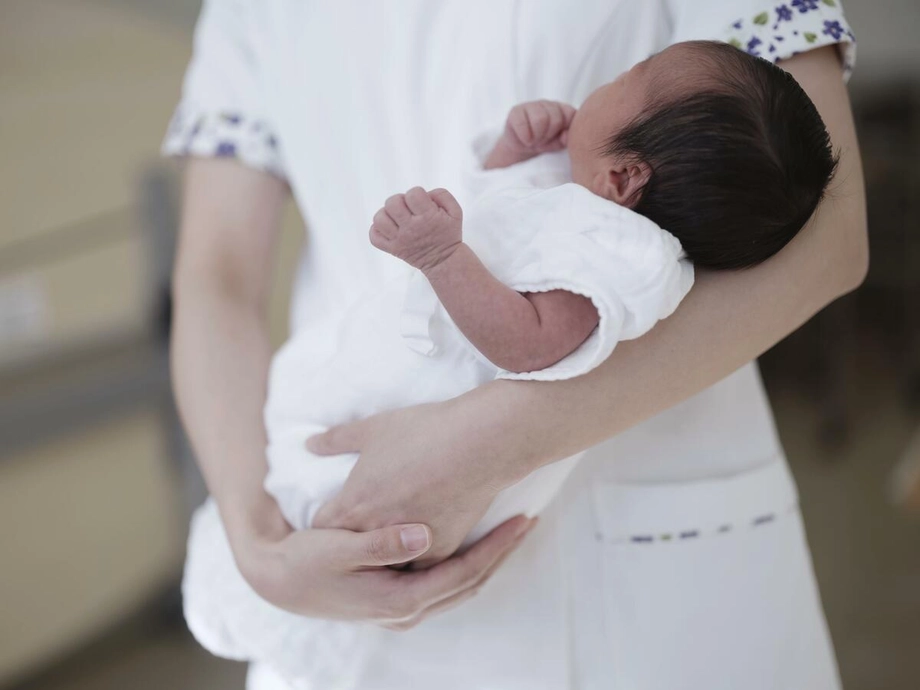
Japan recorded 320,458 births to Japanese nationals living in the country between January and June 2026, an increase of 0.4 percent from the same period in 2025. The Ministry of Health, Labor and Welfare released the preliminary figures on November 4, marking the first increase for the first half of a year since 2015.
Contents
- A small increase against a much larger population decline
- What the two birth counts measure
- How Japan reached this point
- Why marriages matter to the latest increase
- Birth totals and fertility tell different stories
- What the government is trying to change
- Why the age balance matters for daily life
- Key Points
The gain offers a small improvement after years of falling births. Its scale, however, leaves Japan close to the pace of 2025, when annual births to Japanese nationals fell to a record low of 671,236. Based on the rounded growth rate, the latest increase amounts to roughly 1,300 additional babies over six months.
A broader preliminary count, including births to foreign nationals, recorded 342,068 newborns in the first half of 2026, up 0.8 percent. During those same six months, Japan registered 778,982 deaths. Deaths therefore exceeded births by 436,914, showing how a modest rise in newborns can occur while the country continues to lose population.
More marriages in 2024 and 2025 may have helped support the increase in births. The government has also expanded financial assistance and parental leave benefits as it tries to make raising children more affordable and easier to combine with employment.
For families, employers and public services, the central issue is whether this small gain continues. Annual births are still expected to remain near the previous year's low, while the number of older residents and the demands on pensions and healthcare remain high.
What the two birth counts measure
The figure of 320,458 covers babies born in Japan to Japanese nationals. The broader figure of 342,068 includes births to foreign nationals. Their different coverage explains why the totals and their growth rates differ.
The ministry's May 2026 statistical release, published on July 24, covers January to May rather than the full first half. Its tables recorded 282,222 births, up 0.4 percent from the same period a year earlier, and 664,510 deaths, down 7.8 percent.
The release explains that the broad preliminary statistics count statistical forms prepared from notifications, rather than only events occurring within the reporting period. They include Japanese and foreign nationals in Japan, Japanese nationals abroad and events that occurred in previous years. The monthly provisional statistics cover Japanese nationals in Japan; minor revisions to those monthly figures produce the final annual statistics.
The broader tally is 21,610 higher than the count for Japanese nationals. Keeping those categories separate matters when comparing the latest figures with earlier years: a change in the number of births to Japanese nationals and a change in all births describe related, but different, parts of the population.
The deaths figure belongs alongside the broader birth count when calculating the gap between births and deaths. Subtracting 342,068 births from 778,982 deaths produces the reported natural decrease of 436,914. In simple terms, Japan recorded about 2.3 deaths for every birth during the first six months.
Natural decrease means the population lost through deaths exceeding births. Migration is another part of population change, because people also enter and leave the country. The birth and death figures describe the balance between new lives and deaths, while a full population total also takes movement across borders into account.
How Japan reached this point
Annual births have generally declined since reaching about 2.09 million in 1973, despite occasional increases and government efforts to encourage family formation. The 2025 total of 671,236 was roughly one third of that earlier level, a fall of about 68 percent.
The decline has also moved faster than a major population projection anticipated. In 2023, the National Institute of Population and Social Security Research projected that annual births would fall below 680,000 by 2040. The 2025 total had already crossed that threshold, about 15 years earlier.
The main dates show the distance between the latest improvement and the longer decline:
- 1973: Annual births reached about 2.09 million, before the subsequent long decline.
- 2015: Births last increased compared with a year earlier during the January to June period.
- 2023: The population research institute projected annual births below 680,000 by 2040.
- 2024 and 2025: Marriages increased, potentially supporting subsequent births.
- 2025: Annual births to Japanese nationals fell to 671,236, the lowest since comparable records began in 1899.
- January to June 2026: Births to Japanese nationals increased by 0.4 percent to 320,458.
Why marriages matter to the latest increase
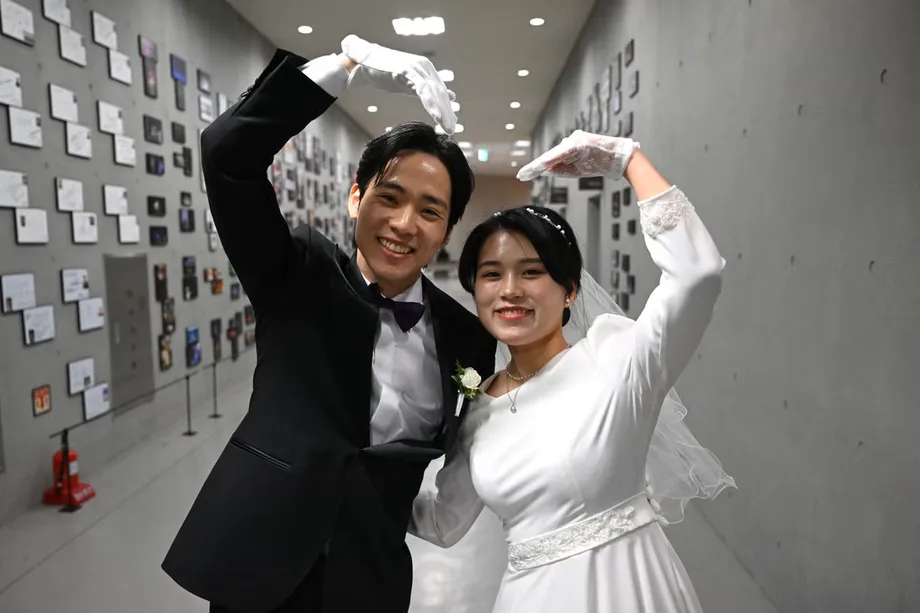
The rise in marriages in 2024 and 2025 is one possible explanation for the improvement in births. Marriage and childbirth often occur at different points in time, so an increase in couples marrying can be followed by more births in a later reporting period.
The latest figures fit that possible sequence, although the amount of the increase attributable to marriage has not been quantified. Financial circumstances, work schedules and decisions about when to have children also shape family plans.
Young adults face costs that extend well beyond the birth of a baby. Housing, everyday living expenses and education all affect whether a household feels able to support a child. Later marriage can also shift the timing of births, while long working hours make it harder to combine paid employment with caring for children.
For a couple considering parenthood, an allowance helps with expenses, but time matters too. Access to childcare and the practical ability to take parental leave influence how much work parents can continue doing and how they share care at home. These are the everyday pressures that government measures are intended to address.
Birth totals and fertility tell different stories
Japan's total fertility rate fell to a record low of 1.14 in 2025, down from 1.15 in 2024. This measure describes how many children a woman would have over her lifetime if the birth patterns recorded at different ages in that year continued.
A birth total answers a simpler question: how many babies were born during a particular period? Fertility measures the pattern of childbearing, while the total also depends on how many people are at ages when they might have children.
A country with fewer potential parents can have fewer births even when individual family choices change little. Conversely, shifts in the timing of marriage and childbirth can lift births during one period. Reading the birth count alongside the fertility rate helps explain whether change is continuing across the population.
The latest increase concerns the first half of 2026, while the fertility rate of 1.14 covers 2025. A fertility figure for 2026 and a final annual birth total have not yet been given. The next useful measures will be the full year's births and whether improvement continues in subsequent years.
What the government is trying to change
The government has expanded child allowances, offered parental leave benefits and sought to improve childcare services. These measures address several pressures at once: household expenses, the loss of income when a parent takes time away from work, and access to care when parents return to their jobs.
Financial support can make the cost of raising children easier to manage. Parental leave benefits can help families maintain income around childbirth. Childcare services help determine whether parents can keep working while their children are young.
The government has described the period until the early 2030s as its last chance to address the birthrate crisis. The urgency reflects a demographic constraint: when fewer children are born over many years, smaller generations eventually reach adulthood, leaving fewer potential parents in the next generation.
The immediate challenge is to make family life more manageable for people now deciding whether to marry or have children. The longer task is to sustain improvements through several years, rather than depend on a brief increase following changes in marriage numbers. The latest statistics show the small scale of the improvement so far, with annual births still expected to be close to the 2025 total.
Why the age balance matters for daily life
Japan's finalized 2025 census figures put its population, including foreign residents, at 122.97 million, a decline of 2.5 percent and the third consecutive census decline. People aged 65 and above accounted for a record 29.4 percent of residents, close to three in every 10 people.
The Statistics Bureau's 2025 census results summary gives the exact total as 122,972,528 people as of October 1, 2025. The 2.5 percent decline covers the period from 2020 to 2025, equivalent to an average annual decrease of 0.51 percent. The finalized population and household tabulation uses all census questionnaires, rather than a sample.
The census counts usual residents, including foreign residents: people who have lived, or expect to live, at their residence for at least three months. People without such a residence are counted where they were at the time of the census. Foreign diplomatic and consular personnel and their families, and foreign military personnel and civilian employees and their families, are excluded. Households responded online, by post or directly to census enumerators; where those methods were not possible because residents were absent or for other reasons, enumerators sought information from people outside the household.
The age tables list 13,349,001 people under 15, or 10.9 percent of the population; 73,480,843 aged 15 to 64, or 59.8 percent; and 36,141,613 aged 65 and above, or 29.4 percent. Age figures from 2015 onward use values adjusted to fill in missing information. For 2025, that process used CANCEIS, census editing and imputation software developed by Statistics Canada, although some unknown values can remain. Unless otherwise noted, percentages exclude unknown values from the denominator. Population changes are calculated by comparing figures prepared using the same imputation method, or unadjusted figures with one another.
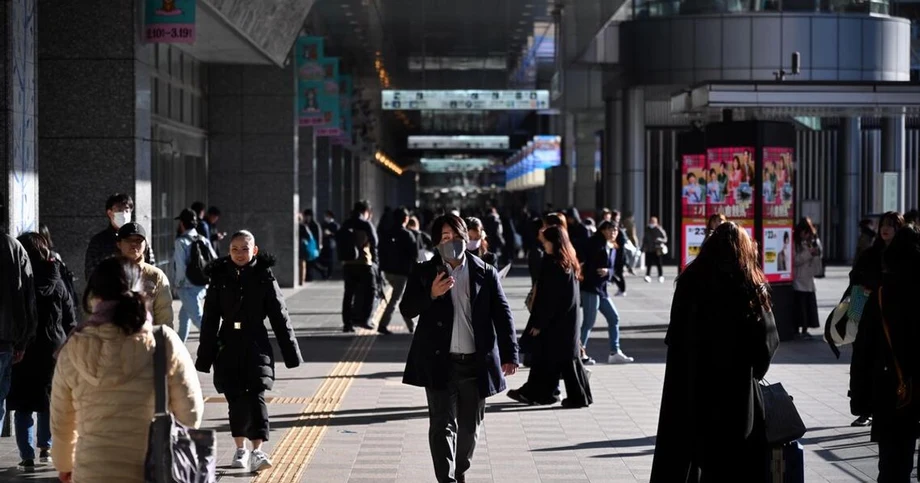
A shrinking population of working age affects how many people are available to produce goods and deliver services. Employers face a smaller pool of potential workers, while a declining population can reduce demand for products and services sold within Japan.
Pensions and healthcare face related pressure. Workers and employers help fund public systems, while an older population needs more retirement support and medical care. The availability of staff to provide care is also part of the challenge.
Babies born in 2026 will take many years to enter employment. A sustained increase in births would affect Japan's future age balance, while today's employers, care providers and public services must already respond to a society with fewer young people and more older residents.
The first rise in births for the January to June period in 11 years is therefore a welcome change in one measure. Japan's wider demographic picture still combines historically low births, declining fertility and deaths far above the number of newborns.
Key Points
- Births to Japanese nationals in Japan rose 0.4 percent to 320,458 in the first half of 2026, the first increase for that period since 2015.
- A broader preliminary count including foreign nationals recorded 342,068 births, up 0.8 percent.
- Japan registered 778,982 deaths during those six months, exceeding the broader birth total by 436,914.
- More marriages in 2024 and 2025 may have helped support the modest rise.
- Annual births to Japanese nationals fell to 671,236 in 2025, while the fertility rate reached a record low of 1.14.
- Government measures include expanded child allowances, parental leave benefits and improvements to childcare.
- People aged 65 and above accounted for 29.4 percent of the population in 2025.