A record price for the smaller car category
Singapore's Category A Certificate of Entitlement premium reached S$139,001 on November 4, 2026, setting a record and exceeding both the larger car category and the flexible open category. The result came as buyers competed for certificates ahead of a reduction in electric vehicle incentives and while the government considers changing how car COEs are priced.
Contents
- A record price for the smaller car category
- How the five categories finished
- Demand was concentrated in Category A
- Car show orders added pressure
- Electric vehicle incentives create another deadline
- More certificates, but no increase for Category A
- Why the government is reviewing the categories
- What the consultation has established
- The dates shaping the next decisions
- Key Points
The premium rose S$6,997, or 5.3 per cent, from S$132,004 in the previous exercise. It surpassed the earlier record of S$133,009, set on September 9, by S$5,992. November's first bidding exercise closed at 4pm on Wednesday.
Category A finished S$6,667 above Category B, which covers larger and more powerful cars, and S$3,003 above Category E, the open category. This was the first time Category A had exceeded Category E and the fifth time this year it had finished above Category B.
For buyers, S$139,001 pays for permission to own and use a vehicle for 10 years. The vehicle itself and other taxes and registration charges add to the purchase bill. A category intended for smaller, less powerful cars has therefore become the most expensive place to secure a car certificate in this exercise.
How the five categories finished
Category B rose much more slowly than Category A, increasing S$433, or 0.3 per cent, from S$131,901 to S$132,334. Category E increased S$208, or 0.2 per cent, from S$135,790 to S$135,998.
Open category certificates are transferable and can be used to register any vehicle except a motorcycle. Dealers often obtain them because they offer flexibility to register cars without waiting for another bidding exercise. They are mainly used for larger cars.
Motorcycle certificates in Category D fell S$89, or 0.8 per cent, from S$10,778 to S$10,689. Commercial vehicle certificates in Category C closed at S$92,000. The detailed price breakdown put their previous premium at S$92,200, a decline of S$200 or 0.2 per cent, although the previous figure was also given as S$92,000, leaving that comparison inconsistent.
Demand was concentrated in Category A
The exercise received 4,722 bids for 3,259 available certificates across all categories. That meant 1,463 more bids than certificates, or about 1.45 bids for each available COE.
Category A faced heavier competition: 2,018 bids were submitted for 1,189 certificates. That works out to about 1.70 bids per certificate, with 829 bids above the available supply. Category A accounted for about 43 per cent of all bids but only about 36 per cent of certificates offered.
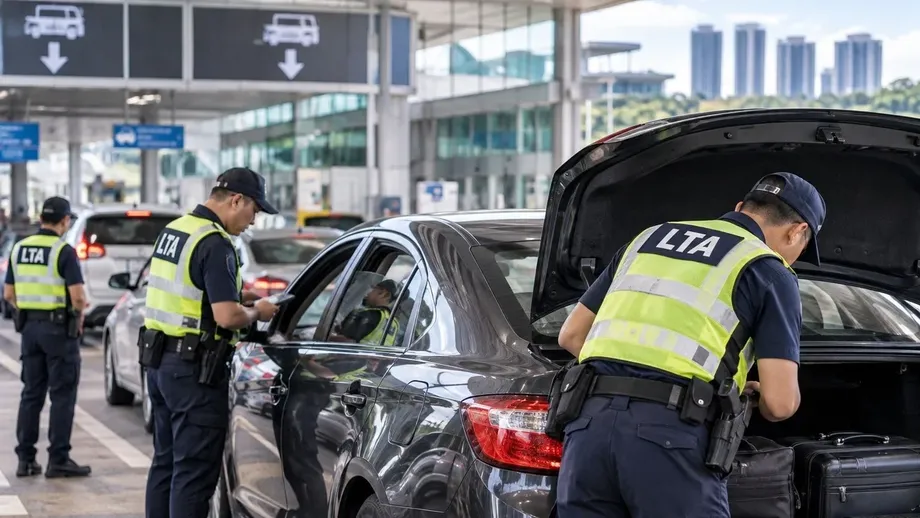
The Land Transport Authority said elevated premiums were likely linked to strong demand for electric vehicles aimed at the mass market that qualify for Category A. It also identified the Car Expo held on October 24 and 25 as a possible contributor.
An LTA spokesperson urged restraint after the bidding results:
We urge buyers and dealers to be prudent in bidding for COEs,
The figures help explain why Category A moved much more sharply than the other categories. Buyers seeking certificates in that pool were competing against more bids for each available certificate than the market average.
Car show orders added pressure
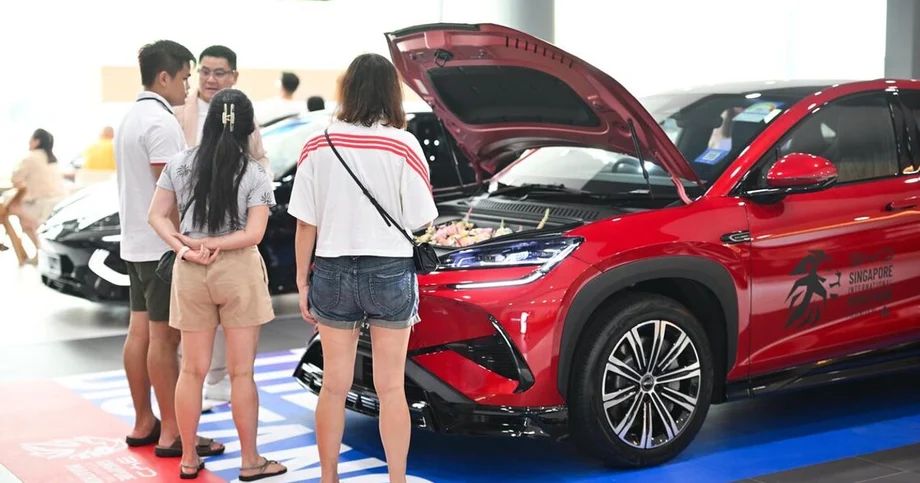
Chong Kah Wei, managing director of BMW Eurokars, said dealers had expected Category A premiums to rise, although the record result surprised him. He identified the October car show as a likely driver, following an accumulation of vehicle orders.
Orders taken at a car exhibition can feed into subsequent COE exercises because dealers need certificates to register vehicles for customers. The October 24 and 25 event came shortly before the November 4 auction, concentrating that demand in a limited bidding window.
Chong also suggested that some buyers were entering the market before possible changes to the COE system. With Category B now cheaper than Category A, he expected some demand could shift between the categories in the next exercise.
A switch would depend on the vehicle a buyer chooses, since its specifications determine the category it qualifies for. The S$6,667 gap gives buyers a reason to compare the complete prices of eligible models rather than assume that the smaller car category carries the cheaper certificate.
Electric vehicle incentives create another deadline
Raymond Ng, managing director of Eurokars EV, which distributes MG and IM Motors, pointed to a separate reason for buyers to act before the end of 2026: the maximum combined rebate for qualifying electric vehicles is due to fall from S$30,000 to S$20,000 in January 2027.
The S$10,000 reduction in maximum support gives buyers and dealers a deadline beyond the next COE auction. Ng said only three bidding exercises would remain after November 4, narrowing the opportunity to secure certificates before the change.
Ng described how the rebate deadline and the proposed COE changes were influencing customers:
All this is just driving people to buy now because there's more certainty, and they also know they can save $10,000 if they opt for an EV.
The maximum rebate reduction of S$10,000 is larger than Category A's S$6,997 increase in this exercise. Those two figures help explain the pressure to buy sooner, although an individual buyer's final cost depends on the model, the incentives it qualifies for and the dealer's selling price.
More certificates, but no increase for Category A
The COE quota for November 2026 to January 2027 will rise by 1.1 per cent to 19,298, according to LTA. Category A's allocation will remain unchanged, while Category B's quota will increase by about 3.3 per cent.
Category C will receive about 2 per cent more certificates and Category E about 3.7 per cent more. The Category D motorcycle allocation will fall by about 2 per cent.
For Category A buyers, the broader quota increase offers no direct expansion in their own pool. The combination of an unchanged allocation, demand generated by the car show and the approaching EV incentive reduction helps explain why a modest increase in total certificates can coincide with a record premium.
Category B buyers face a different combination: a lower premium than Category A in the latest exercise and a larger quota for the coming period. How buyers respond to that gap will be a factor in subsequent bidding.
Why the government is reviewing the categories
Singapore is considering merging Categories A and B into one passenger car pool, then adjusting what buyers pay through rebates or surcharges linked to a vehicle's open market value. OMV is the assessed value of an imported vehicle before Singapore's local taxes and registration charges.
Category A currently covers cars with internal combustion engines of no more than 1,600cc and power output not exceeding 130bhp. Electric vehicles qualify under a separate power ceiling of 110kW. Larger or more powerful cars fall into Category B.
Electric vehicle technology has weakened the connection between those technical limits and a car's market value. Manufacturers can adjust power output, including through software, so a more expensive model can qualify for Category A alongside cheaper vehicles.
Category A exceeded Category B three times between February and June 2026. On October 7, the categories finished just S$99 apart, at S$130,001 and S$130,100 respectively. The latest result reverses that small gap into a S$6,667 premium for Category A.
The proposed single car pool would replace the existing category split with a common auction and adjustments based on vehicle value. Under the proposal, the largest rebate and surcharge would each be S$15,000, creating a S$30,000 difference between buyers at opposite ends of the bands.
What the consultation has established
LTA's public consultation closed on November 2. Transport Minister Jeffrey Siow told Parliament on November 3 that the authority was studying the responses and had not decided on final changes.
The consultation feedback in Parliament covered more than 4,000 responses. A majority supported rebates for cheaper cars and surcharges for more expensive models, while most respondents preferred five value bands rather than three.
A rebate would reduce a buyer's COE payment against the common auction premium, while a surcharge would increase it. The auction would still determine the starting premium through competition for the available certificates. Buyers would therefore need to consider both the auction result and their vehicle's value band when estimating their bill.
LTA's timetable calls for completing the review by the end of 2026 and publishing findings and recommendations in the first half of 2027. A final structure and implementation date have yet to be announced.
The dates shaping the next decisions
The record auction followed several developments in quick succession, from the car show to the close of public consultation. Buyers are now weighing the remaining 2026 bidding exercises against an incentive change in January and recommendations on COE reform in 2027.
- September 9, 2026: Category A set its previous record of S$133,009.
- October 7: Category A and Category B finished just S$99 apart.
- October 24 and 25: The Car Expo generated orders ahead of the November auction.
- November 2: Public consultation on COE categorisation closed.
- November 3: Jeffrey Siow updated Parliament on the feedback.
- November 4: Category A reached S$139,001 at the close of bidding.
- January 2027: Maximum combined EV rebates are due to fall from S$30,000 to S$20,000.
- First half of 2027: LTA expects to publish its findings and recommendations.
The immediate issue for prospective buyers is the cost of securing a certificate under the current rules. The proposed reform concerns how that cost would be divided among buyers in a future common pool, while the approaching EV rebate reduction is already influencing purchasing decisions.
Key Points
- Category A rose 5.3 per cent to a record S$139,001 on November 4, 2026.
- It finished S$6,667 above Category B and exceeded Category E for the first time.
- Category A attracted 2,018 bids for 1,189 certificates, about 1.70 bids per certificate.
- LTA cited strong demand for qualifying electric vehicles and the October car show as likely drivers.
- The overall quarterly quota will rise to 19,298, but Category A's allocation will remain unchanged.
- Maximum combined EV rebates are due to fall by S$10,000 in January 2027.
- A merger of the car categories remains under review, with findings and recommendations expected in the first half of 2027.