A rescue offer moves toward a technical assessment
Colombia is preparing for a visit by experts and veterinarians from India's Vantara wildlife center to assess whether 80 hippos descended from animals imported by Pablo Escobar can be moved to Gujarat. Environment Minister Irene Vélez announced a meeting with the organization on May 6, 2026, bringing an international relocation proposal closer to a practical assessment.
Contents
- A rescue offer moves toward a technical assessment
- How Escobar's animals became a public problem
- What Vantara is offering
- Why the journey would be so demanding
- Which approvals would be needed?
- Why Colombia considered killing the animals
- Can Gujarat provide suitable permanent care?
- How the proposal developed
- Key Points
The offer comes after Colombia decided to cull about 80 hippos as part of efforts to control an invasive population in the Magdalena River basin. Anant Ambani, the son of Indian billionaire Mukesh Ambani and the businessman behind Vantara, has offered to receive the animals and finance their relocation and permanent care.
Colombia's Environment Ministry says the visiting delegation will examine the animals' condition and work with Colombian health, environmental and technical authorities on a proposal covering transport, animal management and financing. The assessment would connect an offer made from India with the difficult work required in Colombia's rivers and wetlands.
The Vantara technical team is expected in Colombia in the coming weeks to assess the hippos' current conditions and develop a comprehensive relocation proposal. The ministry will coordinate the visit with Colombia's regional environmental authorities.
No final relocation agreement or departure date has been announced. Colombia's initial lack of a public response to Ambani's offer has since given way to confirmed discussions and plans for the technical visit.
How Escobar's animals became a public problem
Escobar imported African hippos during the 1980s for his private zoo at Hacienda Nápoles in Antioquia. After police killed him in 1993, many of his exotic animals were transferred elsewhere. The hippos remained because moving them was especially difficult.
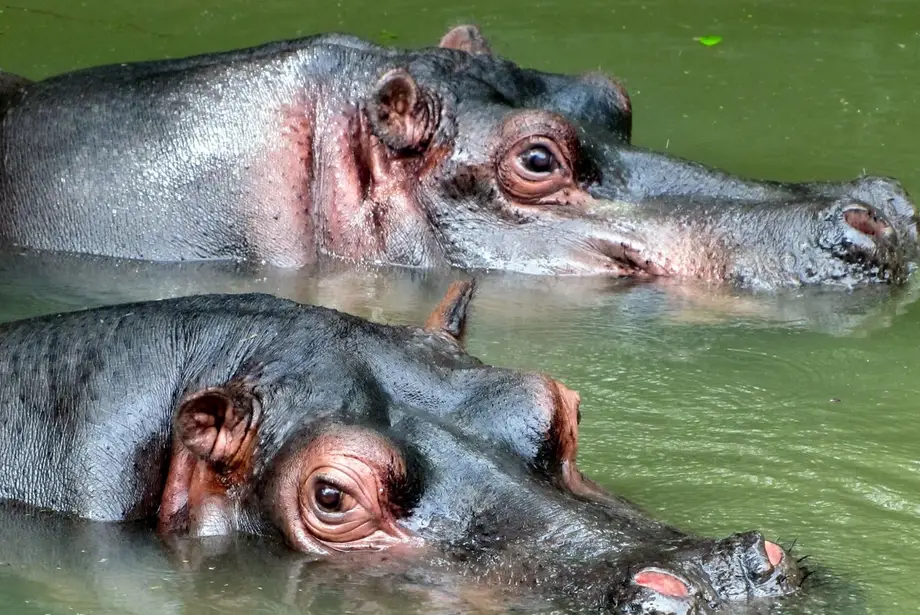
The animals reproduced and spread into waterways connected to the Magdalena River. Warm conditions, abundant water and a lack of natural predators helped their descendants establish themselves far beyond the estate. The population is now described as numbering several hundred, although a current verified census figure has not been announced alongside the relocation proposal.
For Colombia, the problem extends beyond ownership of an unusual herd. An invasive species is an animal or plant introduced outside its natural range that spreads and causes harm. Environmental studies have identified changes to aquatic ecosystems, disruption to native wildlife and risks to people living and working beside the water.
Fishermen and farmers share these waterways with animals capable of weighing several tonnes. Fishing communities along the Magdalena have experienced attacks. Controlling the population therefore concerns both the condition of the river environment and the safety of people whose livelihoods depend on access to it.
What Vantara is offering
Ambani's proposal would transfer 80 hippos to Vantara in Jamnagar, Gujarat, rather than leave Colombia to carry out the planned cull. Vantara would cover the relocation costs and take responsibility for the animals throughout their lives, including veterinary care and facilities adapted for them.
Ambani, the businessman behind the wildlife center, has said he is:
willing to receive and care for
The offer was also set out in a letter from Vantara's chief executive to Colombia's environment minister, published on the organization's Instagram account. It promised lifelong care for the herd and asked Colombia to suspend the planned killing so that relocation could be considered.
Vantara occupies 3,500 acres in Jamnagar, near the Ambani family's oil refining operations. The center houses a wide range of animals, including elephants and tigers, and is reported to hold about 2,000 species. Its scale provides context for the offer, while the technical assessment must address the particular needs of this group of hippos.
Why the journey would be so demanding
An adult hippo can weigh more than two tonnes, and a large male can reach three tonnes. Moving dozens requires a coordinated operation involving capture teams, veterinarians, suitable transport equipment and airports able to handle heavy live cargo.
The proposed mission will examine routes from the Magdalena Medio region to suitable Colombian airports, followed by specially equipped cargo flights to Gujarat. Reaching an airport is itself a major part of the task because the animals occupy a landscape of rivers, wetlands and scattered settlements.
Capture and sedation would require close veterinary supervision. Sedation reduces an animal's awareness and movement so that specialists can handle it, but the dose and monitoring must suit the individual animal. A hippo's size makes every stage, from positioning it for transport to responding to a medical emergency, more demanding.
Transport planning must also account for containment, temperature, water, feeding and the length of the journey. The proposal includes veterinary teams and biosecurity measures, meaning precautions intended to prevent diseases from spreading between animals or across borders. Health checks and quarantine would be required in both countries.
Which approvals would be needed?
Minister Vélez says Colombia remains in dialogue with India and other interested countries under national protocols and the Convention on International Trade in Endangered Species of Wild Fauna and Flora, known as CITES.
CITES regulates international trade and movement involving listed wildlife through a system of permits. For this operation, wildlife authorizations would sit alongside veterinary documentation, health controls and the arrangements required to receive and house the animals in India.
The government says any relocation must meet international legal requirements, especially those of India's CITES authority. Vélez also said the operation would involve no financial transaction between countries and would not require funds from Colombia.
Colombia's Environment Ministry described the visiting team's assignment in its announcement:
The delegation will consist of experts and veterinarians specialized in the management of this invasive exotic species, who will assess the current conditions of the hippos and work together with the country's health, environmental and technical authorities on the development of a comprehensive relocation proposal, covering technical, logistical and financial aspects.
Vantara's willingness to pay addresses an important part of the proposal. Authorities and specialists must still work through the practical requirements: which animals could travel, how they would be captured, which route they would take and how their care would be managed after arrival.
Why Colombia considered killing the animals
Colombia has already tried sterilization and other forms of reproductive control, with limited results. These interventions require locating and handling large, potentially dangerous animals, and veterinary procedures are costly. Meanwhile, animals that continue breeding add to the population.
Sterilization and removal also work on different timescales. Sterilizing a hippo prevents future births from that animal, but it continues living in the same ecosystem. Relocating or culling an animal reduces the number present immediately. That difference helps explain why authorities have considered several measures rather than relying on a single approach.
The decision to cull about 80 animals has drawn opposition from animal protection organizations calling for alternatives. Vantara's offer responds directly to that concern by proposing to move the same number of animals into permanent care.
Vélez said the government's plan combines euthanasia with relocation abroad, with relocation serving as a complementary measure rather than replacing euthanasia. She said courts have already directed authorities to take action to reduce hippo populations, and euthanasia will remain a key part of the control strategy.
Even a successful transfer would leave Colombia with a substantial population to manage. With several hundred hippos in the country, relocating 80 would address part of the problem. The remaining animals would continue to require population control and measures to protect nearby communities and waterways.
Can Gujarat provide suitable permanent care?
Jamnagar's hot, dry climate has drawn criticism from wildlife activists and conservationists who question its suitability for some animals housed at Vantara. The proposed arrival of dozens of hippos makes the design and operation of their accommodation a central part of the assessment.
Hippos spend much of their time in water, which helps protect their skin and regulate body temperature. Permanent care therefore requires reliable water access, appropriate space, veterinary support and arrangements for managing groups safely. Those needs continue long after the cargo aircraft lands.
Vantara's proposal includes adapted facilities and permanent veterinary care. Assessing those arrangements alongside the capture and transport plan would allow Colombian and Indian authorities to consider the complete journey, from the animals' current habitat to their daily lives in Gujarat.
The practical stakes are substantial for both countries. Colombia wants fewer invasive hippos in its river basin, while the receiving center would take on responsibility for a large group of powerful animals for the rest of their lives.
How the proposal developed
The relocation discussions are the latest stage in a problem that began decades before Colombia considered an international solution. The key developments are:
- During the 1980s, Escobar imported African hippos for his private zoo at Hacienda Nápoles.
- After his death in 1993, the hippos remained and their descendants spread through the Magdalena River basin.
- Colombia attempted sterilization and reproductive control before deciding to cull about 80 animals.
- Ambani offered to receive 80 hippos at Vantara and cover their relocation and permanent care.
- On May 6, 2026, Minister Irene Vélez announced a meeting with Vantara and plans for a technical visit to assess relocation options.
The next announced step is the technical visit. Its purpose is to turn the proposal into an assessment of animal health, transport routes, facilities, costs and regulatory requirements that authorities can use when deciding whether the transfer can proceed.
Key Points
- Vantara plans to send experts and veterinarians to Colombia in the coming weeks to assess relocating 80 hippos to Gujarat.
- Anant Ambani has offered to finance the move and permanent care after Colombia decided to cull about 80 animals.
- The operation would require capture, veterinary supervision, ground and air transport, wildlife permits and quarantine.
- Colombia's invasive hippos threaten aquatic ecosystems and pose risks to riverside communities.
- A transfer would remove part of the population, leaving Colombia with further management work; the government says relocation would complement euthanasia, which remains a key control measure.
- No final relocation agreement or departure date has been announced.