Military service to open a route into state jobs
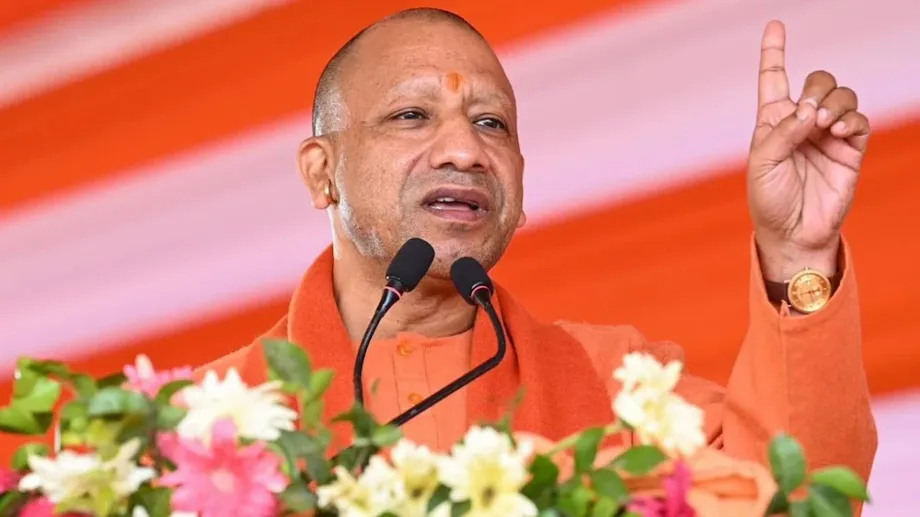
Uttar Pradesh Chief Minister Yogi Adityanath has promised a 20% reservation in state recruitment for Agniveers returning after four years of military service, with appointments without an examination. Speaking on Monday at Tejpur village in Gonda district's Gaura assembly constituency, he named the police, Provincial Armed Constabulary (PAC), home guards, forest and prison services among the destinations for returning personnel.
Contents
- Military service to open a route into state jobs
- Which jobs are covered?
- How a 20% horizontal quota works
- Which tests would candidates avoid?
- Age concessions and the policy timeline
- What returning Agniveers stand to gain
- A wider recruitment promise has competing totals
- Gonda projects connect jobs with local development
- Cooking gas, farm waste and festival promises
- Key Points
The announcement came at an event where Adityanath inaugurated or laid foundation stones for 69 development projects worth about Rs 520 crore. He also outlined a target of government jobs for 100,000 young people within six months, alongside cooking gas support for poor families and plans to turn agricultural waste into fuel.
For Agniveers, the central issue is what happens after their four years in uniform. Adityanath said their military training, discipline and security experience would be recognised through direct recruitment into state service, rather than requiring them to sit another recruitment examination.
The promise builds on an earlier police recruitment measure. A Home Department order dated June 7, 2025 provided 20% horizontal reservation for eligible former Agniveers in specified police and fire service posts. Later cabinet changes described in an account dated October 9, 2026 extend the recruitment concessions to police, forest, prison and transport departments.
Applicants therefore face several connected measures: a quota for particular vacancies, concessions in recruitment tests and changes to age eligibility. The departments named in the Gonda speech are broader than the four departments listed in the later cabinet changes.
Which jobs are covered?
The June 2025 Home Department order covers civil police constables, PAC constables, mounted police constables and firemen. The cabinet approved that measure on June 3, 2025, and the order followed after the governor's permission. It bears the signature of senior Home Department official Sanjay Prasad.
Eligibility under that order begins with Agniveers completing four years of military service and returning in 2026 or later. Its named posts give candidates a more precise starting point than a general promise of government employment.
Adityanath's Gonda address included home guards, forests and prisons alongside police and the PAC. The PAC is Uttar Pradesh's armed police organisation, used for duties including maintaining public order. The cabinet changes described in October 2026 list transport, rather than home guards, alongside police, forests and prisons.
The announcement gives no department by department vacancy totals, application opening dates or appointment calendar for former Agniveers. Those details will matter to people planning the move from military service into a particular state job.
How a 20% horizontal quota works
A 20% reservation means that 20 out of every 100 covered vacancies would be set aside for eligible former Agniveers. The actual number of posts depends on how many vacancies a department opens and which recruitment rules cover them.
The June 2025 police measure describes this as horizontal reservation. In simple terms, it operates across existing recruitment categories. An eligible candidate remains within their original category, such as General, Other Backward Classes, Scheduled Castes or Scheduled Tribes, while receiving the benefit available to former Agniveers.
The order also says candidates will be adjusted within their original categories and that total reservation must remain within the stated 50% limit. The later cabinet changes likewise retain the principle of giving candidates the benefit within their original categories.
For applicants, the practical questions are the number of covered vacancies in their category and the conditions attached to the post. The 20% figure describes the share reserved in recruitment; the number of returning personnel who obtain appointments will depend on those vacancies and eligibility requirements.
Which tests would candidates avoid?
Adityanath told the Gonda gathering that returning Agniveers would receive appointment letters through direct recruitment without an examination. He presented their four years of training and service as the reason for giving them an easier route into state employment.
The cabinet changes described in October 2026 provide more specific concessions for recruitment in police, forest, prison and transport departments. Former Agniveers would be exempt from both the written examination and the physical efficiency test, while still having to undergo a medical examination.
A physical efficiency test assesses performance in activities such as running or other exercises required for a job. A medical examination checks whether a candidate meets the health standards for service. Under the described changes, military experience would allow candidates to skip the first of those stages, while the health check would remain.
Transport Minister Dayashankar Singh said the cabinet had approved amendments to the recruitment rules. He connected the changes to the start of Agniveer recruitment in 2022 and the need to prepare employment routes for personnel completing their service.
Age concessions and the policy timeline
The later cabinet changes raise the stated maximum application age from 25 to 28 years, giving former Agniveers three additional years. That extra time is intended to help people apply after completing military service.
The June 2025 police order describes age relief differently: the candidate's Agniveer service period is deducted when calculating age, followed by three additional years of relaxation in the upper limit. Candidates will need the rule for their particular recruitment to calculate their eligibility, because the earlier police formula and the later stated age ceiling use different wording.
The main dated developments are:
- 2022: Recruitment under the Agniveer programme began, according to Transport Minister Dayashankar Singh.
- June 3, 2025: The Uttar Pradesh cabinet approved the police reservation measure.
- June 7, 2025: The Home Department issued the order covering specified police and fire service posts.
- 2026 onward: Agniveers completing four years of service become eligible under the police order.
- October 9, 2026: An account of later cabinet changes described reservation in four departments, examination exemptions and a maximum age of 28.
The Gonda speech took place on a Monday, although its exact calendar date was not specified. Adityanath used that event to promise direct appointments across several state services.
What returning Agniveers stand to gain
Four years of military service give Agniveers experience in discipline, teamwork, physical training and security duties. Adityanath argued that Uttar Pradesh could use those skills while giving returning personnel an opportunity for a dignified life.
Retired Colonel Ajay Tripathi welcomed the police reservation measure as a way to bring military experience into civilian employment. In comments translated from Hindi, he said:
This is a very positive decision. This is the right way to bring Agniveers back into the mainstream of society and put their experience to use. Their inclusion in the police force will make the force more effective.
Pankaj Yadav, an Agniveer from Kanpur, described the employment concern from a serving recruit's perspective. In comments translated from Hindi, he said:
Earlier, I was a little worried about what I would do after the army. Now I feel relieved to hear that there will be an opportunity in the police too. We will be able to use our training to continue serving the country.
The proposed exemptions would reduce the number of recruitment stages between military service and a state appointment. For someone approaching the end of four years in uniform, the combination of reserved vacancies and age relief could also provide more time to pursue a suitable post.
A wider recruitment promise has competing totals
Adityanath set a target of appointment letters for 100,000 young people over the next six months. He said 12,000 to 15,000 letters had already been issued, equivalent to 12% to 15% of that target.
He said about 4,500 subinspectors would receive appointment letters during the week of the Gonda event. After Diwali, he outlined appointments for 35,000 police constables, followed by 42,000 home guards. Another account of his address puts the constable figure at 45,000 rather than 35,000.
Using the 35,000 figure, those three groups total 81,500 posts. Adityanath also described recruitment involving 25,000 to 30,000 teaching, subordinate service and other government posts. Taken together, the announced groups exceed the six month target before the letters already distributed are included; the speech gave no breakdown showing which groups overlap or fall within that period.
Adityanath also highlighted a separate employment route for athletes. He said medal winners at the Olympics, Asian Games and Commonwealth Games had received appointments, including as deputy superintendents of police, while sporting talent had also entered other posts through the Uttar Pradesh Public Service Commission.
Gonda projects connect jobs with local development
The Tejpur programme combined the employment announcements with infrastructure spending. Adityanath inaugurated completed works and laid foundation stones for new ones among the 69 projects worth about Rs 520 crore, covering roads, health, education and other basic services.
He said projects worth Rs 16,000 crore had been approved for Gonda over the preceding nine and a half years, compared with Rs 50,000 crore across the wider Devipatan division. On those figures, Gonda accounts for 32% of the division's stated approved project value.
Adityanath cited the Maharaja Devi Bakhsh Singh medical college in Gonda, the Maharaja Suheldev medical college in Bahraich and the Atal Bihari Vajpayee medical college in Balrampur as part of the region's health expansion. He also said a university in Devipatan division would help young people pursue higher education closer to home.
Union minister and Gonda MP Kirti Vardhan Singh and Gaura legislator Prabhat Verma were among those attending. The event linked the statewide recruitment promises with local demands for education, health services and better connections.
Cooking gas, farm waste and festival promises
Adityanath promised a free filled LPG cylinder for poor families before Diwali. He also referred to support through the Ujjwala cooking gas programme, free food rations and treatment worth up to Rs 5 lakh under Ayushman health coverage.
Farmers were promised opportunities linked to biogas and ethanol plants, with crop residue and cattle dung acquiring a sale value. Biogas is produced when organic material breaks down, while ethanol is an alcohol used in fuel blending. The proposal would give some agricultural waste a commercial use and create another possible source of farm income.
Religious development was another part of the address. Adityanath named Baba Prithvinath Temple, Swaminarayan Chhapia and the Varahi Devi temple as places receiving support for restoration, appearance and access. He invited people to Ayodhya's tenth Deepotsav celebration on November 7 and urged them to share lamps and gifts with poorer households.
Adityanath also attacked the Samajwadi Party and Congress, accusing them of supporting criminals, and described Uttar Pradesh as free of riots and curfews. Those were the chief minister's political claims. The employment programme's concrete commitments centre on reserved recruitment, fewer tests and appointment letters for specified groups of workers.
Key Points
- Adityanath promised 20% reservation and recruitment without examinations for Agniveers returning after four years of military service.
- The June 7, 2025 police order covers civil police, PAC, mounted police and fireman posts for eligible personnel returning from 2026 onward.
- Later cabinet changes describe coverage in police, forest, prison and transport departments, with written and physical efficiency tests waived but medical examinations retained.
- The earlier police order provides service related age relief plus three years; later changes describe an increase in the maximum age from 25 to 28.
- The chief minister set a target of 100,000 government appointments within six months, although the announced recruitment groups were not reconciled with that total.
- The Gonda event included 69 development projects worth about Rs 520 crore and a promise of a free filled LPG cylinder for poor families before Diwali.