A cheaper HIV prevention option moves closer to 120 countries
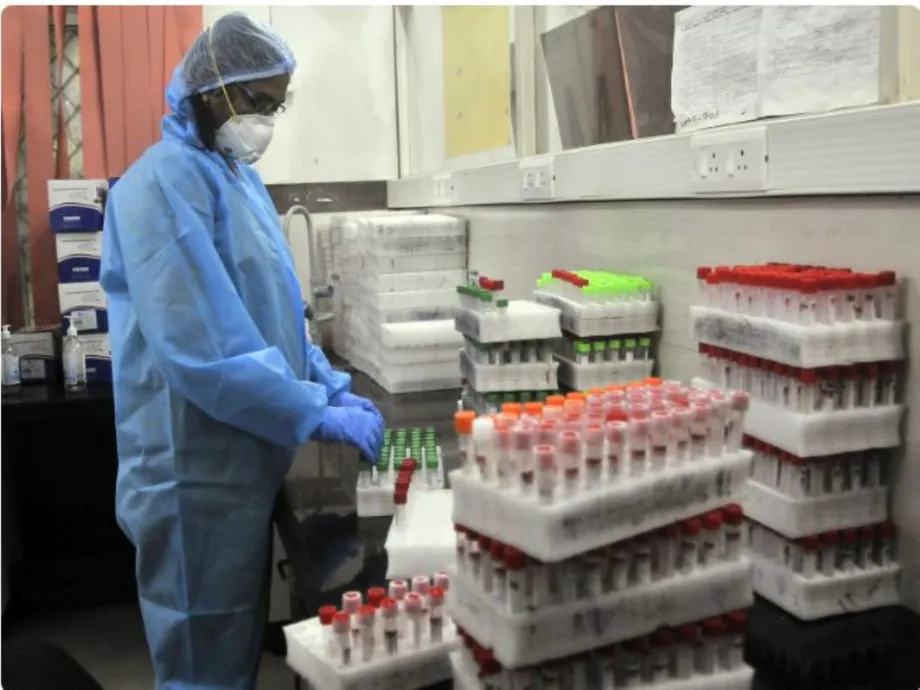
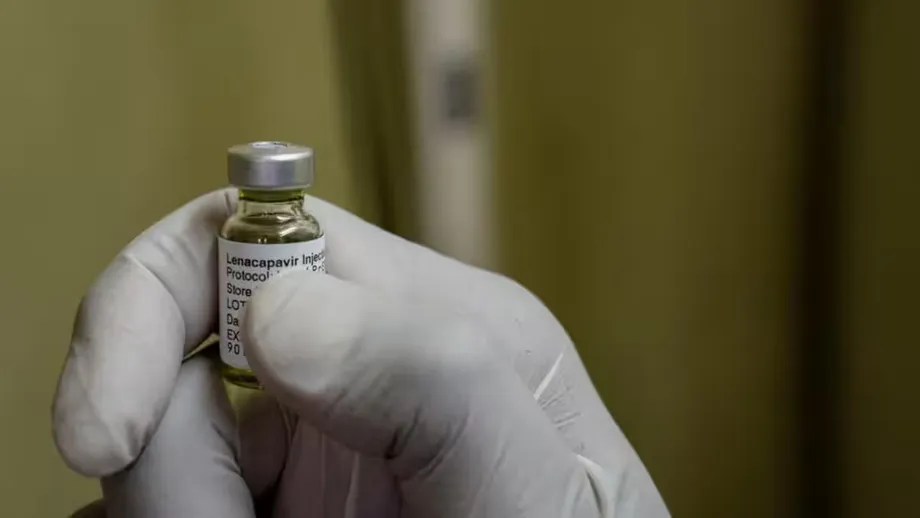
Dr. Reddy's Laboratories announced on November 2, 2026, that its generic version of lenacapavir, an injection given twice a year to prevent HIV, has received tentative approval from the US Food and Drug Administration. The medicine is expected to cost $40 per person annually across 120 countries covered by a licensing agreement with its developer, Gilead Sciences.
Contents
- A cheaper HIV prevention option moves closer to 120 countries
- What tentative approval means
- How $40 compares with the US price
- Why an injection every six months matters
- How lenacapavir protects against HIV
- HIV testing must accompany the injections
- A timeline from licensing to planned delivery
- What Indian manufacturing brings to the effort
- Turning approval into appointments
- Key Points
The Hyderabad company expects initial supplies to reach countries before the end of 2026, followed by a broader rollout in 2027. Zambia could be among the first recipients, according to Unitaid, the global health agency supporting the project. Some initial deliveries could begin within weeks, depending on national approvals and purchasing arrangements.
Dr. Reddy's is the first of six manufacturers licensed by Gilead to receive tentative FDA approval for generic lenacapavir. Until now, Gilead has been the sole supplier, and demand in countries with limited resources has exceeded supply.
The decision brings a highly effective prevention medicine closer to people who may struggle to take a pill every day. It also shifts the immediate challenge toward paying for supplies, completing regulatory steps and preparing clinics to deliver injections and HIV testing.
What tentative approval means
The FDA assessed the generic through its pathway supporting the President's Emergency Plan for AIDS Relief, known as PEPFAR. This process helps establish the quality of HIV medicines intended for programmes outside the United States.
Tentative approval means the product meets the FDA's standards for safety, effectiveness and quality. Patent or exclusivity protections covering Gilead's branded medicine, Yeztugo, still prevent the generic from being sold in the United States.
Countries and international purchasing organisations can use the FDA assessment when considering the medicine. Jessica Burry, a technical officer at Unitaid, said some national regulators could accelerate their decisions by relying on that assessment.
Wider availability will also depend on further steps, including World Health Organization prequalification and national regulatory approvals. WHO prequalification is an assessment used to help international purchasers identify medicines that meet quality standards. Each country's approval and procurement arrangements will shape when patients can receive the injections.
How $40 compares with the US price
The planned generic price is $40 for a year of prevention, compared with a US annual list price of $28,218 for Yeztugo. The US list price is the amount before insurance or other arrangements that can reduce what patients pay.
Using those figures, the US branded list price is about 705 times the planned generic price. The prices apply to different markets and purchasing systems: one is a US list price, while the other comes from an agreement intended to expand access in countries with limited resources.
The $40 price was agreed in September 2025 through an arrangement involving Dr. Reddy's, Unitaid, South Africa's Wits Reproductive Health and HIV Institute, known as Wits RHI, and the Clinton Health Access Initiative, or CHAI. The partners provided financial, technical and regulatory support to speed development.
The annual generic price is also comparable to the cost of existing daily prevention pills in the countries targeted by the agreement. Governments will still need to fund the services around the medicine, including HIV tests, trained staff, appointments and delivery to clinics.
Why an injection every six months matters
Lenacapavir is used as pre-exposure prophylaxis, usually shortened to PrEP. This means taking medicine before possible exposure to HIV to reduce the chance of acquiring the virus. The product is intended to prevent sexually acquired HIV-1 in adults and adolescents weighing at least 35 kilograms.
Daily oral PrEP, first approved in 2012, requires people to keep taking tablets consistently. Another injectable option, cabotegravir, requires administration every two months. Lenacapavir extends the interval to six months, reducing how often people need their prevention medicine administered.
Carmen Perez Casas, HIV lead at Unitaid, said missed daily doses can leave people without the protection they need. She expressed optimism about the less frequent dosing schedule:
With lenacapavir, we are much more hopeful.
For someone managing work, school, travel or concerns about others seeing their medication, fewer dosing days can make prevention easier to maintain. Clinics must still help people return on schedule, so the convenience of the medicine needs to be matched by dependable services.
How lenacapavir protects against HIV
Lenacapavir targets the HIV capsid, a protective shell surrounding the virus's genetic material. HIV needs this structure to function properly as it infects cells and makes more copies of itself. By interfering with the capsid, lenacapavir disrupts several stages of that process.
The medicine works differently from a vaccine. A vaccine trains the immune system to recognise a threat; lenacapavir is an antiviral drug that acts against the virus while the medicine remains active in the body.
Two large prevention studies found that lenacapavir nearly eliminated new HIV infections among participants at high risk. Those results supported Gilead's US approval for HIV prevention in June 2025. WHO has since recommended twice yearly lenacapavir in its HIV prevention guidelines.
The research also drew attention beyond HIV programmes. The scientific journal Science named lenacapavir its 2024 Breakthrough of the Year, recognising the work on the capsid and the promise of a prevention medicine that lasts for months.
HIV testing must accompany the injections
People need an HIV test before starting lenacapavir and with each subsequent injection. PrEP is intended for people who do not have HIV. Someone who already has the virus needs a complete HIV treatment regimen.
Drug resistant HIV has been identified when lenacapavir was used by people whose existing infection had not been diagnosed. Resistance means the virus has developed changes that allow it to withstand a medicine, making treatment choices more difficult.
Saiqa Mullick, director of implementation science at Wits RHI, said testing is a requirement for all PrEP options. Rapid tests are used in many countries with limited resources, making testing procedures a practical part of preparations for the rollout.
Common side effects include reactions where the injection is given, headache and nausea. Health workers will need to explain these effects, assess patients and maintain testing and follow up alongside the six month injection schedule.
A timeline from licensing to planned delivery
Gilead granted Dr. Reddy's its voluntary licence in October 2024. The agreements with six generic manufacturers are nonexclusive and royalty free, allowing production for 120 specified countries across sub-Saharan Africa, Asia and Latin America.
The main milestones show how licensing, funding and regulatory work were brought together before generic deliveries:
- October 2024: Gilead granted voluntary licences to six manufacturers, including Dr. Reddy's.
- June 2025: Gilead's lenacapavir received US approval for HIV prevention.
- September 2025: Dr. Reddy's agreed with Unitaid, Wits RHI and CHAI to support development and access at $40 per person annually.
- November 2, 2026: Dr. Reddy's announced tentative FDA approval for its generic.
- Before the end of 2026: Initial generic supplies are expected to reach a limited number of countries.
- 2027: Dr. Reddy's expects broader availability across eligible markets.
CHAI chief executive Neil Buddy Shah said the generic approval came just 16 months after approval of the original medicine for prevention. He argued that the speed should become a model for other efforts to expand access:
Getting a generic approved just 16 months after the originator approval for prevention, rather than a decade later, shows what's possible when we prioritize access from the start. This should be the new standard for global health.
What Indian manufacturing brings to the effort
Dr. Reddy's had to develop and manufacture a medicine designed to remain active for months after administration. The company said the project required scientific capabilities and manufacturing expertise suited to a complex injectable product.
Deepak Sapra, chief executive officer of API and Services at Dr. Reddy's, described the approval as a step toward supplying the prevention option more widely:
The US FDA approval validates that work and brings us a significant step closer to making this twice-yearly HIV prevention option available to people across low- and middle-income countries.
The other five manufacturers licensed by Gilead had not yet received FDA approval for their generic versions at the time of the announcement. Indian manufacturer Hetero is separately working with the Gates Foundation on lenacapavir.
Gilead said its licensing arrangements were intended to expand access quickly and sustainably. The licences cover a defined group of countries, so the $40 arrangement applies to those eligible markets rather than to every country seeking the medicine.
Turning approval into appointments
More than 125,000 people in 10 early adopter African countries have already started using Gilead's lenacapavir, according to Unitaid. Generic supplies could allow programmes to reach many more people at a much lower medicine price.
The scale of need is far larger. Carolyn Amole, who leads CHAI's HIV programme, said about 20 million people worldwide need PrEP. WHO figures cited alongside the announcement put the number of people living with HIV at about 41 million, with 570,000 deaths from HIV related causes in the previous year.
Wits RHI says countries need trained providers, services prepared to deliver new prevention options and communities involved in introducing them. The partners are working with governments, communities, the Global Fund, the US Bureau of Global Health Security and Diplomacy, the Gates Foundation and others on country introductions and evidence from routine use.
Amole said purchasing the medicine and getting it to people remain the next tasks:
The work is not done. Now, we need the funding to actually buy it for everyone who needs it and then we need to do the hard work of getting it to the millions of people who need it and want it.
For patients, the practical change will come when a nearby service can offer the injection reliably, provide an HIV test and arrange the next visit six months later. The FDA decision advances the medicine toward that point; the planned deliveries in late 2026 and wider rollout in 2027 are the next milestones.
Key Points
- Dr. Reddy's announced tentative FDA approval for generic lenacapavir on November 2, 2026.
- The planned price is $40 per person annually across 120 countries covered by Gilead's voluntary licences.
- The injection is administered twice a year to prevent sexually acquired HIV-1 in eligible adults and adolescents weighing at least 35 kilograms.
- Initial supplies are expected before the end of 2026, with broader availability in 2027. Zambia could be among the first recipients.
- Tentative approval confirms FDA standards are met, while US sales remain restricted by patent or exclusivity protections.
- HIV testing, national approvals, purchasing funds and prepared health services are needed to turn approval into access.