21 publishers seek protection before May 2027 provisions take effect
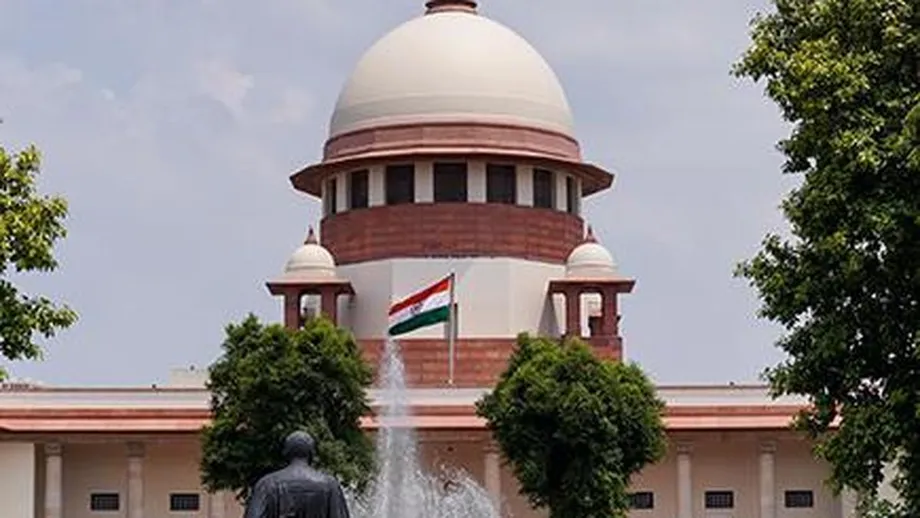
India's Digital News Publishers Association (DNPA), representing 21 news publishers, has challenged the Digital Personal Data Protection Act in the Supreme Court, arguing that consent requirements, erasure duties and government information demands could obstruct investigations and expose confidential sources. Its 698-page petition, filed on October 6, 2026, seeks to strike down key provisions scheduled to take effect from May 2027.
Contents
- 21 publishers seek protection before May 2027 provisions take effect
- Why the publishers call this a threat to investigations
- What the consent rules actually say
- Could someone demand the removal of a factual story?
- The exclusions already written into the Act
- Why confidential sources are part of the case
- Fines and blocking powers add pressure on newsrooms
- August assurances did not produce a written press exemption
- What happens next, and another change affecting access to information
- Key Points
A bench headed by Chief Justice of India Surya Kant is expected to hear the challenge on Tuesday, October 27, alongside petitions brought by activists. The association includes Network18, owned by Mukesh Ambani's group, NDTV, owned by Gautam Adani's group, The Indian Express and Times Internet, part of the Times of India group.
The dispute turns on a practical question: how should a law protecting people from misuse of their personal information apply when journalists investigate those same people? Publishers argue that asking an investigation's subject for permission before collecting information could alert them, while later demands for erasure could threaten published stories.
The Digital Personal Data Protection Act, enacted in 2023 and published by the Ministry of Electronics and Information Technology, sets rules for processing digital personal data. Processing covers activities such as collecting, storing and using information about identifiable people. The law contains exclusions and exemptions, but no express exemption for journalism of the kind the publishers are seeking.
Why the publishers call this a threat to investigations
The DNPA's central argument concerns reporting before publication, when journalists may be examining documents, checking allegations and protecting people who have shared information. The association says privacy obligations could restrict that work before a story's value to the public can be assessed.
The DNPA, the association bringing the challenge, describes the contested provisions in its petition as restrictions operating before publication:
The provisions "constitute pre-censorship which is anathema to any democracy worth its name".
Publishers say the consequences would reach beyond a newspaper's legal department. A reporter investigating alleged corruption might need to collect names, financial details or communications. If permission from the person under investigation became necessary, that person could gain control over whether the inquiry proceeds.
The law was designed to protect digital personal information and places compliance duties on businesses, including platforms such as Meta and Google. News publishers argue that investigative reporting needs different treatment because the person whose information is being examined may have a strong reason to prevent its collection or publication.
What the consent rules actually say
Section 4 allows personal data to be processed for a lawful purpose on the basis of consent or certain legitimate uses. A lawful purpose is one that the law permits. Consent is permission from the person concerned; the Act calls that person the Data Principal.
Section 6 gives a person the right to withdraw consent at any time, with a process comparable in ease to giving it. When consent is withdrawn, the organisation handling the data must stop processing it within a reasonable time, unless continued processing without consent is required or authorised by the Act, its rules or another law.
The DNPA argues that a consent model suitable for signing up to an online shop or social media service can create a different result in a newsroom. Customers can choose whether to give a business their details. Investigative subjects may be people whose conduct reporters are examining without their cooperation.
The association explains in its filing why it objects to requiring advance notice and permission from those subjects:
It "would allow that subject to destroy evidence, intimidate witnesses".
Section 4's alternative basis of certain legitimate uses matters because consent is one route under the law, rather than its sole route. The publishers' demand is for an explicit protection that gives journalistic work a dependable legal basis, including investigations involving people who refuse permission.
Could someone demand the removal of a factual story?
Sections 8 and 12 create duties concerning erasure, meaning deletion of personal data. The DNPA says these provisions could lead to factual news reports being removed or heavily edited if a person withdraws consent or asks for information to be erased.
Section 8(7) generally requires an organisation to erase personal data when consent is withdrawn or when it is reasonable to assume that the specified purpose is no longer being served, whichever comes first. Retention necessary to comply with another law is an exception.
Section 12 addresses correction, updating and erasure for personal data whose processing was previously consented to, including consent referred to in Section 7(a). Under Section 12(3), an organisation receiving an erasure request must delete the data unless keeping it is necessary for the specified purpose or compliance with law.
Those qualifications are central to the dispute. A news archive may preserve a factual record long after the original story appeared. The publishers want an express safeguard for keeping information because of its public interest value, rather than having to defend retention through provisions that do not expressly address journalism.
For readers, the concern is access to the historical record. Removing names or other personal details from an investigation could make it harder to understand who acted, who benefited and how events developed. The association argues that these editorial decisions need clear legal protection.
The exclusions already written into the Act
Section 3(c)(ii) excludes personal data that a person has made publicly available themselves. It also excludes data made public by another person who is legally obliged to publish it. The wording ties the exclusion to who disclosed the information and the legal basis for making it public.
Journalists therefore face different legal circumstances when using information someone has openly published and when receiving private records from a confidential source. A document's contents may concern an issue of public importance while still containing personal data that was never voluntarily or legally published.
Section 17(1) provides exemptions from several obligations for specified activities. These include processing necessary to enforce a legal right or claim, and processing in the interests of preventing, detecting, investigating or prosecuting an offence or a breach of law.
The offence investigation wording is relevant to reporting on suspected wrongdoing. Its application to particular journalistic activities would need to be addressed in interpreting the law. The DNPA is seeking a broader, explicit protection for journalism, including reporting whose public value extends beyond investigating an offence.
Why confidential sources are part of the case
The DNPA also challenges government powers to require information from organisations handling personal data. Its filing argues that such demands could reach material identifying a reporter's source, including communications held by a newsroom.
The association says the risk affects whistleblowers sharing information about corruption, corporate wrongdoing or electoral malpractice. Someone who fears identification may decide against approaching a journalist, reducing the information available for an investigation before reporting even begins.
The DNPA describes the reach it fears from the information demand power in its court filing:
The power "can extend to privileged communications in possession of a reporter or the informant."
Sections 7(c) and 7(d) separately permit certain processing involving the state. They cover government functions under law and specified security interests, as well as disclosures to the state required by another law, subject to that law's disclosure provisions.
The publishers' objection is that the framework gives the state substantial room to process or obtain information while leaving newsrooms without an equivalent written protection for confidential reporting. Their case connects source protection to the ability to investigate: protecting a final article has limited practical value if the people supplying evidence fear exposure at the outset.
Fines and blocking powers add pressure on newsrooms
The petition also raises concerns about a federal authority's ability to impose fines for noncompliance. Publishers argue that possible financial penalties could affect decisions about whether to collect information, continue an investigation or keep a report available online.
The DNPA challenges powers allowing the government to block access to information in the interests of the general public. It argues that these powers could restrict press freedom without adequate safeguards for journalistic activity.
Newsrooms would consequently face several connected decisions: whether they have a lawful basis to gather information, whether they may retain it, how to respond to a government demand and whether publication could attract enforcement action. The association wants the court to address those pressures together.
The requested remedy is substantial. The petition seeks the quashing of key contested provisions, alongside appropriate court orders and directions. Earlier challenges came from free speech activists and smaller news outlets; the DNPA action brings a group containing some of India's largest media businesses into the dispute.
August assurances did not produce a written press exemption
Media companies received assurances at an August government meeting that press freedom would be protected, according to the petition. The DNPA says the absence of a written exemption still leaves publishers exposed to the law's requirements.
An August letter to the government, attached to the lawsuit, set out the association's complaint about the difference between state exemptions and protection for journalism. The DNPA wrote:
India "has chosen to grant broad exemptions to the state, while failing to extend any corresponding protection to the press".
The association points to journalism related safeguards in the European Union, Singapore and the United Kingdom as examples supporting its request. Its argument is that protection should appear in the legal framework, giving journalists and enforcement authorities a written rule to apply.
The filing cites no response to the August letter. The government's detailed answer to the publishers' allegations and the scope of any judicial relief remain unresolved ahead of the scheduled hearing.
What happens next, and another change affecting access to information
The immediate next step is the Supreme Court hearing expected on October 27, 2026. The principal dates leading to the challenge and the implementation deadline are:
- 2023: Parliament enacted the Digital Personal Data Protection Act.
- August 2026: Media companies received government assurances, and the DNPA sent a letter seeking written protection for the press.
- October 6, 2026: The DNPA filed its Supreme Court challenge.
- October 27, 2026: A bench headed by Chief Justice Surya Kant is expected to hear the petitions.
- May 2027: Key provisions contested by the publishers are scheduled to take effect.
The Act also changes another law used to obtain information from public authorities. Section 44(3) amends Section 8(1)(j) of the Right to Information Act, 2005, replacing that clause with an exemption for information relating to personal information.
The amendment's replacement wording is short:
information which relates to personal information
For journalists, access to government records and permission to process information are connected practical concerns. Records obtained from public authorities can help reporters check decisions and expenditure; rules governing personal data then affect how information is handled. The RTI amendment adds another access issue within the same legislation, alongside the consent, erasure and source confidentiality provisions at the centre of the publishers' challenge.
The court proceedings will determine how the publishers' demands are addressed before the contested provisions begin operating. News organisations are seeking written certainty about gathering evidence, maintaining archives and protecting sources while the law's privacy protections take effect.
Key Points
- The DNPA, representing 21 publishers, filed its challenge on October 6, 2026.
- A Supreme Court bench headed by Chief Justice Surya Kant is expected to hear the petitions on October 27.
- Publishers argue that consent and erasure duties could obstruct investigations and threaten factual news archives.
- The petition also challenges government information demands, possible source disclosure, fines and blocking powers.
- The Act contains exclusions and specific exemptions, but no express exemption for journalism.
- Key contested provisions are scheduled to take effect from May 2027.