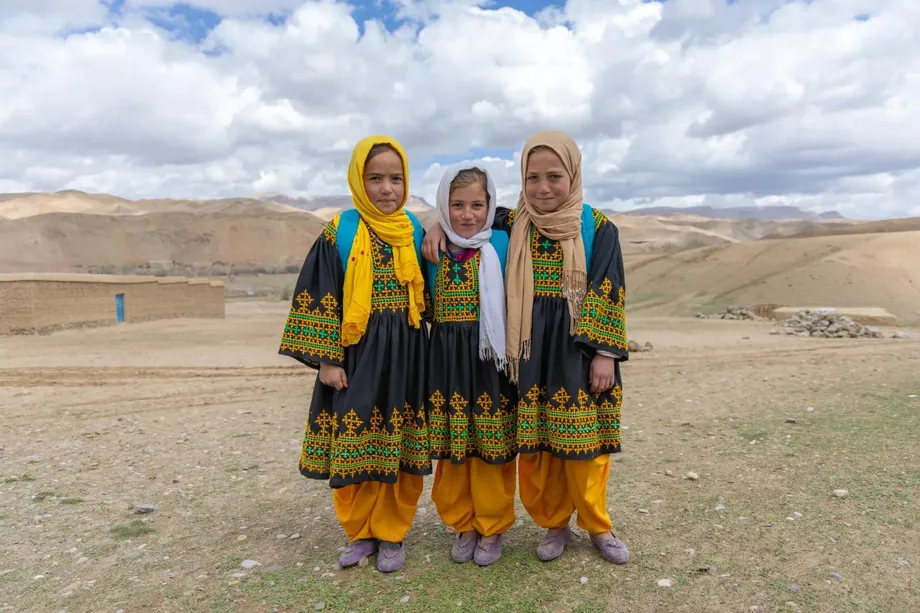
Safe water becomes a more urgent household need
Afghanistan faces a widening gap between its need for safe water and the resources available to supply it. UNICEF estimates that 15.9 million people will need water, sanitation and hygiene services in 2026, while its humanitarian programmes aim to provide safe drinking water to approximately 2.9 million people.
Contents
- Safe water becomes a more urgent household need
- Drought is damaging the sources families depend on
- Kabul is drawing down its underground reserves
- Why children and girls face heavier burdens
- The response target covers only part of the need
- Solar pumps and local councils form part of the response
- Displaced families need water before permanent systems arrive
- How the crisis has developed
- Key Points
The pressure is becoming more visible inside homes. UNICEF's 2026 Humanitarian Needs Assessment found that 46% of Afghan households identified safe drinking water as their most pressing need in 2025, up from around 31% in 2024. That is an increase of 15 percentage points in one year. Approximately a quarter of households relied on unimproved water sources in 2025, meaning sources without adequate protection from contamination.
Tajudeen Oyewale, UNICEF's representative in Afghanistan, has warned that climate change, rising demand, inadequate funding, weak infrastructure and poor management of water resources are worsening the crisis. His warning followed a UNICEF briefing involving member states, donors and international financial institutions.
The consequences reach beyond thirst. Families need water to prepare food, wash hands, keep schools and clinics clean, and protect children from disease. When crops fail or collecting water takes longer, the same shortage can reduce household income, weaken nutrition and interrupt education.
UNICEF's March 2026 situation report places the water emergency within a broader humanitarian crisis: approximately 21.9 million people, including more than 11.6 million children, need assistance this year. Children account for just over half of that total.
Drought is damaging the sources families depend on
UNICEF says nearly two thirds of Afghanistan's population has been affected by drought. Droughts during 2025 damaged farmland, grazing areas and groundwater resources, particularly in northern regions, putting pressure on both food production and drinking water supplies.
Groundwater is water stored beneath the surface in soil and rock. Rain and melting snow can replenish it as water seeps into the ground. During prolonged dry periods, less water enters these underground reserves, while households, farms and businesses continue pumping it out.
Afghanistan is also facing several climate hazards at once. UNICEF reported in June that more than 8.8 million Afghan children were exposed to at least three overlapping hazards, including drought, floods and extreme heat. Floods can damage pipes and contaminate supplies even in places suffering from long periods of water scarcity.
The agency's earlier WASH on the Brink brief described Afghanistan as experiencing its worst drought in 27 years at the time of publication. It set that emergency alongside conflict, displacement, economic collapse, natural disasters, disease outbreaks and COVID-19. Its recommendations cover immediate relief, preventing the collapse of water and sanitation services, and supporting recovery over the following years.
Kabul is drawing down its underground reserves
Kabul illustrates how a national climate crisis can become an urban supply emergency. Mercy Corps has warned that groundwater levels in the capital have fallen by approximately 25 to 30 metres over the past decade. Annual consumption exceeds natural replenishment by around 44 million cubic metres, according to the organisation.
That annual gap means the city is drawing on stored water faster than rainfall and other natural processes replace it. Population growth increases demand, while reduced rainfall, drought and excessive extraction put further pressure on the same reserves.
Mercy Corps cautions that extraction continuing at current rates could severely deplete Kabul's groundwater reserves by 2030. The warning is conditional on how much water continues to be taken and replenished. For residents, falling groundwater can mean greater difficulty obtaining water and higher costs, particularly when households must depend on purchased supplies.
Why children and girls face heavier burdens
UNICEF says a third of Afghanistan's population lacks access to basic drinking water. Basic access concerns both the type of water source and whether people can collect water within a reasonable time. The separate finding that a quarter of households used unimproved sources in 2025 focuses on whether those sources have protection against contamination.
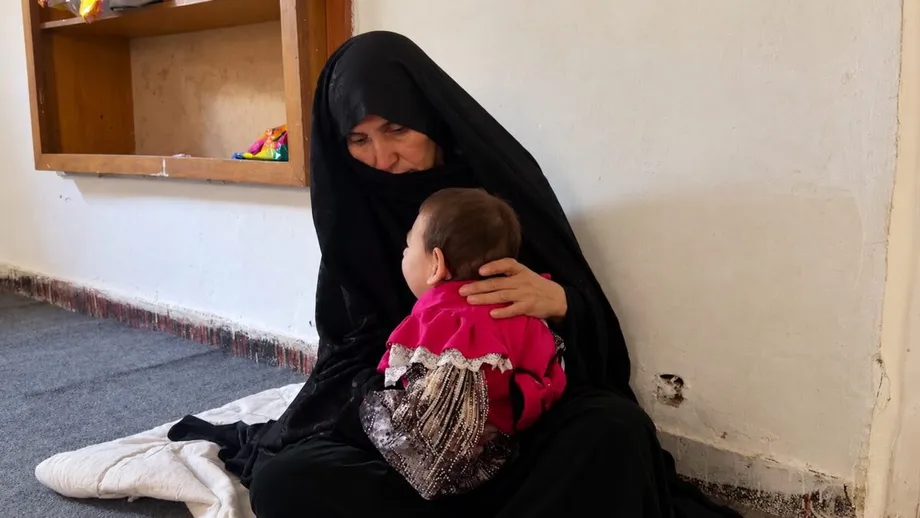
Children can become ill when they drink contaminated water or when families lack enough clean water for hygiene. Diarrhoeal diseases can also worsen malnutrition by making it harder for the body to absorb nutrients. Drought adds another pressure when damaged crops leave families with less food or less money to buy it.
UNICEF describes the effects on children in its water and sanitation overview:
In Afghanistan, the effects of climate change are felt first through water – and, worst, for children.
Women and girls often collect water for their households, so longer journeys take time away from learning and earning an income. They also provide care when family members become ill. UNICEF warns that growing food and water shortages are contributing to child marriage as some parents struggle to feed their families.
Schools and health centres need reliable supplies as much as homes do. UNICEF supports menstrual hygiene needs in schools to reduce missed classroom days and prioritises communities where distant sanitation facilities create safety risks for girls. Its community projects are also designed to be accessible to people with disabilities.
The response target covers only part of the need
UNICEF's plan to provide safe drinking water to approximately 2.9 million people represents about 18% of the 15.9 million people expected to need water, sanitation and hygiene assistance in 2026. The broader needs figure includes sanitation and hygiene as well as drinking water, and other organisations also provide assistance.
The agency's March report records a concrete result: 147,087 people gained access to safe drinking water through the construction and rehabilitation of durable supply systems. That total included 33,830 women, 38,243 girls, 33,830 men and 41,184 boys.
Girls and boys together accounted for 79,427 people, or approximately 54% of those reached. The figures show how much of this work directly serves children, whose health depends on functioning water supplies at home and in public services.
UNICEF identifies inadequate funding as one of the factors worsening the crisis. Repairing and building systems requires money, equipment and people able to maintain them. Water also has to remain available at the source, making management of underground reserves part of keeping those systems useful.
Solar pumps and local councils form part of the response
UNICEF describes itself as Afghanistan's lead provider of water, sanitation and hygiene services, drawing on more than 70 years of work with communities. It says its work involves more than 30,000 community elected councils, giving households a role in decisions about local water supplies.
The agency says all its water and sanitation facilities in Afghanistan are small in scale and powered by solar energy. Solar pumps use electricity generated from sunlight to move water, reducing the need for fuel deliveries or a dependable electricity grid. Monitoring underground water remains necessary wherever pumps draw from those reserves.
A joint UNICEF and Government of South Korea announcement dated October 22 described new or rehabilitated systems serving more than 39,000 children and their families in communities vulnerable to climate hazards. The project includes boreholes, solar pumps, reservoirs and distribution networks. The year of that announcement and of UNICEF's June climate hazard figures was not specified.
Each part has a practical purpose. Boreholes reach water beneath the ground, pumps lift it, reservoirs store it, and distribution networks carry it towards users. Together, these components can bring supplies closer to homes and reduce the time families spend collecting water.
Displaced families need water before permanent systems arrive
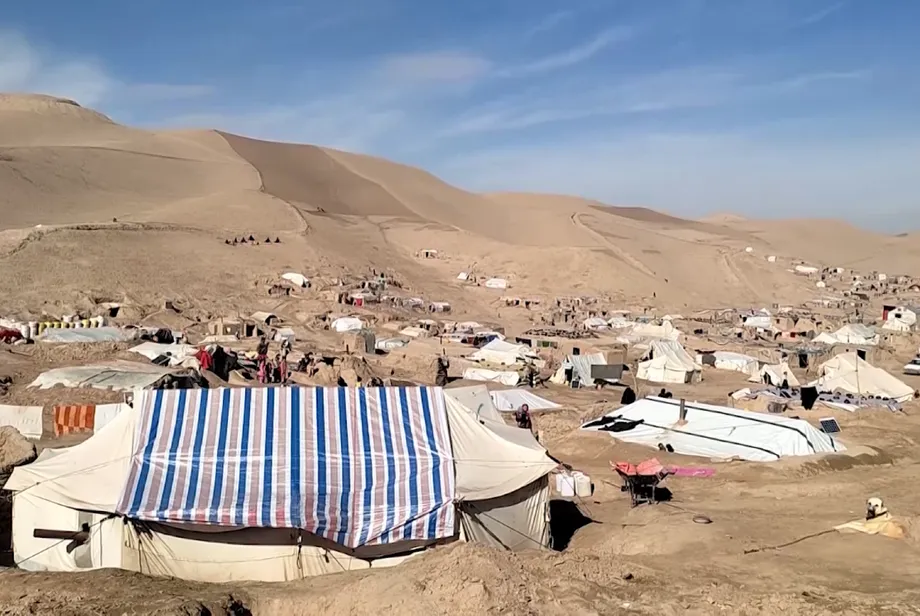
Drought has forced tens of thousands of families from their homes in search of water, according to UNICEF. Families leaving dry villages need drinking water and sanitation immediately, often before permanent infrastructure can be built in the places where they settle.
UNICEF delivers clean water and hygiene supplies by truck to displacement camps. It also monitors underground sources and helps local water, sanitation and hygiene partners address shortages. Emergency deliveries meet immediate needs, while construction and rehabilitation provide a route towards more durable supplies.
Public health information is another part of the response. The March 2026 report says almost 3.8 million people received information on subjects including disease prevention, safe hygiene, malnutrition prevention, exclusive breastfeeding, immunisation and mental wellbeing. Women and girls made up approximately 49% of those reached.
Families need both practical information and the supplies to act on it. Advice about handwashing is more useful when water and soap are available; guidance about preventing illness has greater reach when schools, clinics and homes have working sanitation.
How the crisis has developed
The recent figures trace a rise in household concern alongside damage to the resources that supply communities. The principal dates and planning milestones are:
- 2024: Around 31% of Afghan households identified access to safe drinking water as their most pressing need.
- 2025: That share rose to 46%, while approximately 25% of households relied on unimproved sources. Drought damaged farmland, grazing areas and groundwater resources, particularly in the north.
- March 2026: UNICEF recorded 147,087 people gaining access to safe drinking water through durable supply construction and rehabilitation.
- 2026: An estimated 15.9 million people need water, sanitation and hygiene assistance. UNICEF aims to supply safe drinking water to approximately 2.9 million people through humanitarian programmes.
- 2030: Mercy Corps warns that Kabul's groundwater reserves could be severely depleted if extraction continues at current rates.
Afghanistan's immediate task is to keep water reaching families already facing shortages. Its longer task is to maintain those supplies while limiting the loss of the underground reserves on which cities and villages depend. UNICEF's response combines emergency deliveries, permanent infrastructure, community management and monitoring, while funding shortages continue to constrain the work.
Key Points
- UNICEF estimates 15.9 million people need water, sanitation and hygiene services in Afghanistan in 2026.
- Safe drinking water was the most pressing need for 46% of households in 2025, up from around 31% in 2024.
- Nearly two thirds of the population has been affected by drought, according to UNICEF.
- Mercy Corps says Kabul's groundwater has fallen by approximately 25 to 30 metres over a decade.
- UNICEF recorded 147,087 people gaining access to safe drinking water through durable supply systems in its March 2026 report.
- The agency's humanitarian drinking water target for 2026 is approximately 2.9 million people.