Nearly five million people affected in three months
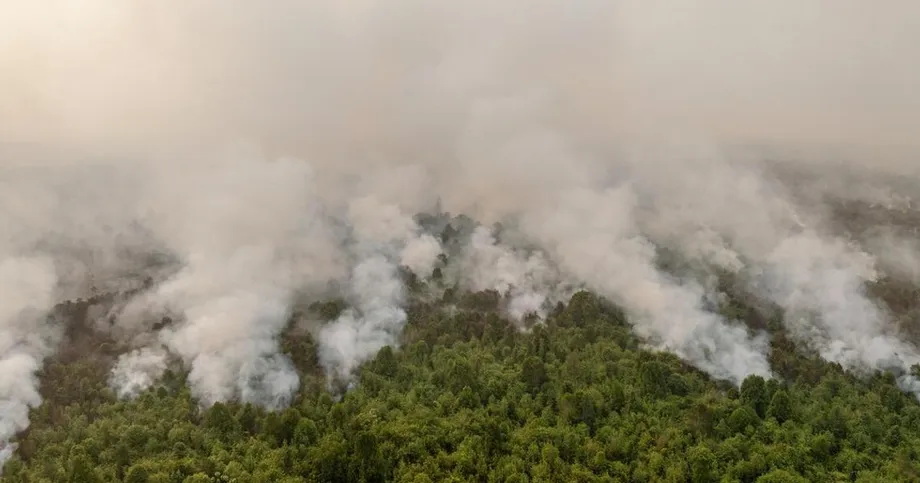
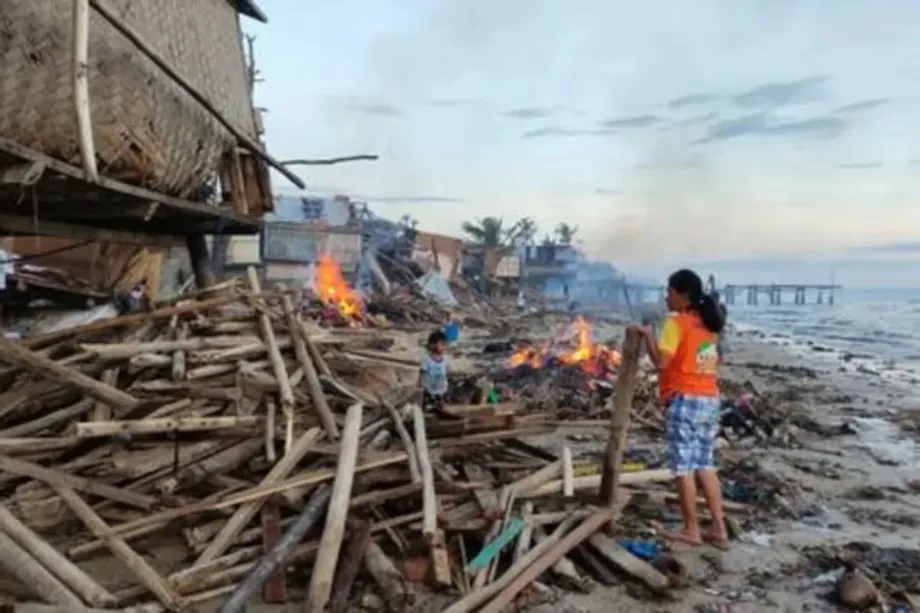
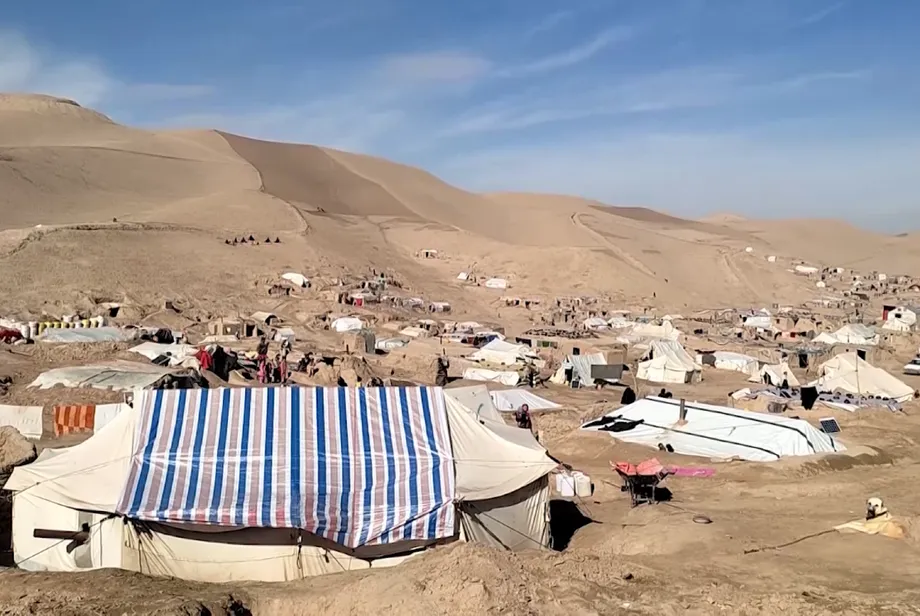
Environmental hazards drove 79% of new internal displacement in Afghanistan during the first three months of 2025, when 174,883 people became newly displaced, according to the International Organization for Migration (IOM). Drought, floods, heavy rain and snow affected 4,892,484 people during that quarter, roughly one in 10 of the population.
Contents
- Nearly five million people affected in three months
- What the displacement figures measure
- Drought takes away water and work
- Farming losses send families elsewhere
- Where displaced families seek shelter
- Water shortages reshape everyday life
- Emergency services are missing in many communities
- Prevention and aid face competing demands
- Key Points
The figures in IOM's Round 2 assessment show how environmental damage is pushing families from their homes through two connected pressures: immediate danger and the gradual loss of income. A flood can destroy a house overnight. A shortage of irrigation water can leave a farming family unable to earn enough to stay.
Afghanistan entered the following year with more than three million internally displaced people, while growing numbers of returnees added pressure on housing, water and basic services. The country faces overlapping emergencies, including climate hazards and earthquakes, which arise from movements within the Earth.
IOM Afghanistan Chief of Mission Mihyung Park described the country's unequal exposure to the climate crisis in a February 2025 statement:
Despite contributing minimally to global carbon emissions, Afghanistan ranks among the top ten countries most affected by climate change,
For households, the consequences extend beyond moving home. Communities reported cutting spending on healthcare, taking dangerous jobs and withdrawing children from school as environmental pressures reduced their incomes. The assessment places food, water, work and displacement within the same household struggle.
What the displacement figures measure
IOM's assessment programme was designed in coordination with Afghanistan's de facto National Disaster Management Authority (ANDMA). Its Displacement Tracking Matrix collects information at community level to track movement and identify where assistance is needed.
An internally displaced person has left home but remains within Afghanistan. A returnee has come back, either after displacement within the country or after living abroad. IOM's returnee totals include both groups.
The IOM displacement dataset records 3,109,221 internally displaced people and 5,876,345 returnees in Round 2, covering movements from 2021 through the first quarter of 2025. Round 3 estimated 3,061,922 internally displaced people and 8,013,855 returnees as of the end of January 2026.
The returnee estimate increased by about 2.14 million between those rounds. The displaced population remained close to three million, leaving communities responsible for supporting a large existing population alongside people arriving or returning.
IOM also tracks temporary displacement separately. In the first quarter of 2025, 207,273 people left their communities for more than a day but less than a month. These short departures can interrupt schooling, farming and access to healthcare even when families return relatively quickly.
The assessments span several collection and publication dates:
- February 27, 2025: IOM published findings describing nearly nine million people affected by climate hazards over the preceding 12 months.
- March and early April 2025: Round 2 collected information about the first quarter of 2025.
- Late 2025 to January 2026: Round 3 updated population and mobility estimates.
- February 24, 2026: IOM dated its Round 3 population and mobility report page.
IOM's Round 3 report page describes fieldwork in November and December 2025, while the dataset gives a wider collection period of October 2025 to January 2026. The dataset identifies the end of January 2026 as the reference point for its latest totals.
Drought takes away water and work
Drought was the most widely reported hazard in the first quarter of 2025, affecting 39% of assessed communities. It accounted for 30% of displacement incidents, compared with 21% attributed to floods.
Water shortages were especially damaging to agriculture. Across the country, 83% of communities reported declining irrigation water over the previous year. The figures reached 98% in Farah, 97% in Kandahar, and 96% in both Zabul and Faryab.
Farmers need irrigation when rainfall cannot provide enough moisture for crops. When canals, wells and reservoirs supply less water, they may plant less land, lose crops or reduce the number of animals they keep. Each decision reduces food or income available to the household.
Three quarters of communities, 74%, reported a decrease in available agricultural land. Ghor recorded 91%, followed by Badakhshan and Zabul at 89%, and Uruzgan at 88%.
IOM's Round 3 report page describes below average rainfall in nearly all provinces during 2025, with drought alerts in four of Afghanistan's eight regions. Western and central areas also suffered devastating floods, while earthquakes caused severe damage in eastern and northern areas.
Afghanistan's villages therefore face different forms of damage within the same year. Prolonged dry conditions reduce production, while sudden disasters can destroy the homes, roads and farmland that remain.
Farming losses send families elsewhere
Livelihoods that depend heavily on weather and water accounted for 71% of working people in Round 2, compared with 73% in IOM's February 2025 release. Subsistence farming, where households grow food largely for their own needs, accounted for 43% of working people. Livestock rearing represented 16%, and orchard farming 7%.
More than half of assessed communities, 57%, reported fewer people practising subsistence farming during the first quarter of 2025. Communities experiencing drought or floods were more likely to report declining participation in farming, livestock keeping and orchard production.
IOM recorded 395,990 people leaving their place of residence during that quarter because climate and disaster events affected their livelihoods. Of these, 224,064 moved elsewhere in Afghanistan. Subtracting that figure from the total gives 171,926 who went abroad, about 43% of the livelihood movement recorded.
Helmand accounted for 18% of those moving internally because of livelihood losses. Among people leaving Afghanistan for the same reason, the largest shares came from Helmand at 12%, Sar-e-Pul at 10%, Ghor at 9%, and Faryab and Farah at 8% each.
A woman in Dukhati district described a longer lasting agricultural loss in IOM's July 2025 update. Her family had grown hing, or asafoetida, for three years. The crop normally takes four to five years to harvest, but extreme heat dried it out completely. She said the land would remain unusable for cultivation for another three years.
Her account shows the financial strain of losing a crop that requires years of care before producing a return. Families can lose both the expected harvest and the ability to plant again soon.
Where displaced families seek shelter
Herat hosted 14% of Afghanistan's internally displaced population in Round 2, followed by Balkh at 11%, Kabul at 10% and Nangarhar at 8%. Together, those four provinces accounted for 43% of the total recorded in that round.
New movements during early 2025 followed a somewhat different pattern. Herat received 12% of newly displaced people, Balkh and Kabul each received 10%, and Helmand received 8%.
Many families stayed relatively close to home. Among people displaced by environmental hazards, 74% moved elsewhere within their province. Moving locally may preserve access to relatives, familiar markets and farmland, while still creating demand for shelter and water in neighbouring communities.
Returnees from Iran and Pakistan added to those pressures during 2025. IOM's Round 3 report describes increased strain on housing, services and natural resources in places already affected by environmental shocks. A community receiving new arrivals may need more drinking water and shelter at the same time that drought or a flood has reduced what it can provide.
Water shortages reshape everyday life
Abdullah Jan, a resident of Goshta district in Nangarhar, described travelling five to eight kilometres to collect drinking water for his family. Residents in Goshta, Momand Dara and Shinwari said wells that previously produced water at depths of 40 to 60 metres no longer did so even at 150 metres.
Residents in Spin Ghar described digging deep wells and filling them with snow in winter after existing wells dried up. They said the resulting water tasted bitter and linked its use to diarrhoea and other illnesses.
In Laghman's Dawlat Shah district, resident Atiqullah said some journeys to collect water took up to three hours. Women and children often carried out that work while men tended fields or worked elsewhere. For families without another adult to help, collecting water could require even longer journeys.
Health expert Dr Aziz Ahmad advised boiling unsafe water before drinking it and warned about illnesses associated with contaminated supplies. The practical challenge is large: Round 2 found that 44% of communities lacked access to safer drinking water.
Food insecurity became the most frequently reported climate related challenge in Round 2, cited by 47% of community respondents, followed by water scarcity at 45% and asset loss at 44%. Water shortages reduce what families can grow, while the loss of crops and earnings makes buying food harder.
Emergency services are missing in many communities
Emergency help remains difficult to reach across much of Afghanistan. Round 2 found that 91% of communities lacked access to emergency services, 76% lacked electricity and 68% lacked housing and shelter support.
Water reservoirs were absent from 83% of communities. Bridges were present in only 17%. Reservoirs can store water for dry periods, while bridges can allow evacuation and the delivery of aid when rivers rise.
During the first quarter of 2025, communities recorded more than 150,000 occurrences of asset damage or loss. Infrastructure damage and shelter damage each occurred more than 70,000 times. These are recorded occurrences of damage, with families potentially experiencing several losses during the same disaster.
IOM's February 2025 statement, also published by its Asia and Pacific office, found that 96% of villages lacked resources for measures such as early warning systems and search and rescue. Its community risk index identified more than 11 million people at high risk of severe future impacts, with particularly vulnerable areas in Ghor, Khost and Jawzjan.
ANDMA later reported 679 deaths and 1,634 injuries from natural disasters over the preceding year at a ceremony marking the International Day for Disaster Risk Reduction. Those losses add urgency to investment that helps communities act before a hazard becomes a deadly emergency.
Prevention and aid face competing demands
Community respondents identified infrastructure investment and more varied sources of income as their leading needs. In Round 2, 81% called for investment in infrastructure, while 76% supported livelihood diversification, meaning ways to earn money beyond activities vulnerable to the same weather conditions.
Deputy Prime Minister for Economic Affairs Mullah Abdul Ghani Baradar called for international climate support without political conditions at the disaster risk reduction ceremony. He appealed to international organisations, the United Nations and climate institutions:
We call on international organizations, the United Nations, and all climate-related institutions not to link the fight against climate change to any political considerations.
ANDMA head Nooruddin Turabi called for greater attention to preventive projects alongside emergency assistance. Flood protection, water storage and stronger local infrastructure address needs that recur after food or household supplies have been distributed.
Park, IOM's chief of mission in Afghanistan, described work with authorities and local communities to improve readiness:
By working together, we aim to strengthen community-based preparedness, expand volunteer networks, improve risk information and assessments, and reinforce early warning and disaster response mechanisms.
IOM also warned that restrictions imposed by the Taliban de facto authorities increase protection risks for women, children and other vulnerable groups, limiting access to services and livelihoods. Those restrictions compound the difficulties faced by households already spending more time finding water or recovering from lost income.
The officials described priorities and planned cooperation, but gave no firm delivery timetable or funding total for those measures. Families facing another failed harvest need both immediate assistance and reliable water, safer housing and ways to earn a living that can withstand future shocks.
Key Points
- Environmental hazards caused 79% of new internal displacement in the first quarter of 2025, when 174,883 people became newly displaced.
- Nearly 4.9 million people were affected by environmental hazards during that quarter.
- Climate and disaster impacts on livelihoods prompted 395,990 people to leave home, including 224,064 who moved within Afghanistan.
- Round 3 estimated about 3.06 million internally displaced people and 8.01 million returnees by the end of January 2026.
- Declining irrigation water, damaged infrastructure and limited emergency services leave communities exposed to repeated losses.
- Community priorities include infrastructure investment and income sources less vulnerable to environmental hazards.